
Volume 11, Issue 1 (March 2026)
J Environ Health Sustain Dev 2026, 11(1): 2915-2928 |
Back to browse issues page


Ethics code: N/A


Download citation:
BibTeX | RIS | EndNote | Medlars | ProCite | Reference Manager | RefWorks
Send citation to:


BibTeX | RIS | EndNote | Medlars | ProCite | Reference Manager | RefWorks
Send citation to:
Mugudamani I, Oke S A, Gumede T P, Ruzvidzo S, Mokgadi M I, Sesing M. Environmental Health Risk Assessment of Heavy Metal Pollution in Groundwater around Non-Engineered Landfill in Botshabelo, South Africa. J Environ Health Sustain Dev 2026; 11 (1) :2915-2928
URL: http://jehsd.ssu.ac.ir/article-1-1018-en.html
URL: http://jehsd.ssu.ac.ir/article-1-1018-en.html
Innocent Mugudamani *  , Saheed Adeyinka Oke , Thandi Patricia Gumede , Silent Ruzvidzo , Majang Irene Mokgadi , Moeketsi Sesing
, Saheed Adeyinka Oke , Thandi Patricia Gumede , Silent Ruzvidzo , Majang Irene Mokgadi , Moeketsi Sesing
Department of Civil Engineering, Centre for Sustainable Smart Cities, Faculty of Engineering Built Environment and Information Technology, Central University of Technology, Free State, Bloemfontein 9301, South Africa
Keywords: Groundwater Pollution, Public Health, Landfill Sites, Environmental Health Risk, Waste Management, Toxic Heavy Metals, Water Resources.
Full-Text [PDF 722 kb]
(285 Downloads)
| Abstract (HTML) (1180 Views)
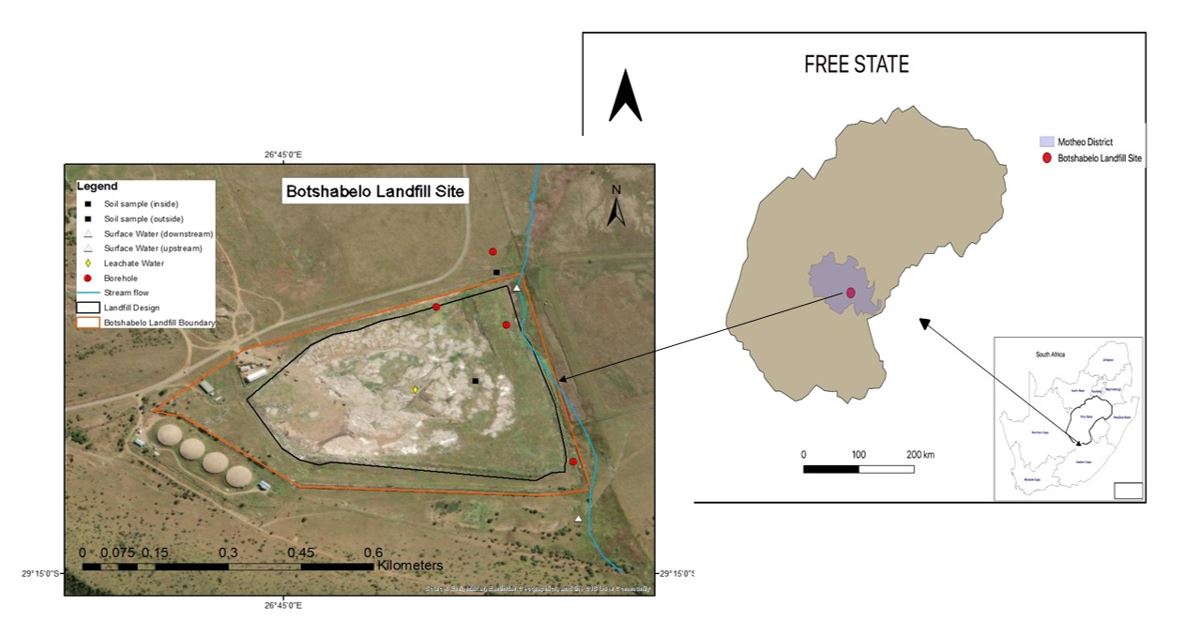
Figure 1: Botshabelo non-engineered landfill site.
Table 1: Sampling point locations.
Table 2: Interpretation of ecological risk assessment indices.
Table 3: Toxicity response factors/values for selected heavy metals.
Table 4: Input parameters for the average daily dose estimation.
Table 5: Oral reference doses (RfD) and cancer slope factors (CSF) for toxic heavy metals.
Table 6: Comparison of heavy metal concentrations in groundwater and surface water around the Botshabelo landfill site with WHO 30, SANS 31, and DWAF 32 standards.
Table 7: Ecological risk assessment of selected heavy metals in groundwater using ER and PERI.
Table 8: Hazard quotient values of heavy metals in groundwater sources during the wet and dry seasons.
Full-Text: (175 Views)
Environmental Health Risk Assessment of Heavy Metal Pollution in Groundwater around Non-Engineered Landfill in Botshabelo, South Africa
Innocent Mugudamani 1*, Saheed Adeyinka Oke 1, Thandi Patricia Gumede 2, Silent Ruzvidzo 1,
Majang Irene Mokgadi 2, Moeketsi Sesing 2
1 Department of Civil Engineering, Centre for Sustainable Smart Cities, Faculty of Engineering Built Environment and Information Technology, Central University of Technology, Free State, Bloemfontein 9301, South Africa.
2 Department of Life Science, Central University of Technology, Free State, Bloemfontein 9300, South Africa.
Innocent Mugudamani 1*, Saheed Adeyinka Oke 1, Thandi Patricia Gumede 2, Silent Ruzvidzo 1,
Majang Irene Mokgadi 2, Moeketsi Sesing 2
1 Department of Civil Engineering, Centre for Sustainable Smart Cities, Faculty of Engineering Built Environment and Information Technology, Central University of Technology, Free State, Bloemfontein 9301, South Africa.
2 Department of Life Science, Central University of Technology, Free State, Bloemfontein 9300, South Africa.
| A R T I C L E I N F O | ABSTRACT | |
| ORIGINAL ARTICLE | Introduction: This study aimed to assess the environmental health risks of heavy metal pollution in groundwater around non-engineered landfills in Botshabelo, South Africa. Materials and Methods: Inductively coupled plasma mass spectrometry and ion chromatography were used to analyze heavy metals in groundwater collected during the dry and wet seasons. Ecological risk factors and potential ecological risk indices were used to assess ecological risks. A human health risk assessment method was used to assess potential public health risks. Results: The mean concentrations of heavy metals were as F(0.29) > Mn(0.24) > Al(0.08) > Ba(0.06) = U(0.06) > Mo(0.04) > Fe(0.03) = B(0.03) > Cr(0.02) = Cu(0.02) > Zn(0.01) mg/l and F(0.21) > Mn(0.12) > B(0.06) > Fe(0.02) > Al(0.01) mg/l in wet and dry season respectively. Generally, only Mn, Mo, and U were above the acceptable standards for drinking water. It was only Mo that posed a high potential ecological risk during the wet season, whereas in the dry season, all heavy metals showed low ecological risk. The potential ecological risk index revealed a significantly high and low ecological risks during wet and dry season respectively. There was a potential non-carcinogenic risk of Mo, U, and Cr during the wet season for all population groups. The study also revealed that Cr has an acceptable carcinogenic risk and no possibility of carcinogenic risks during the wet season for children and adults. Conclusion: It can be concluded that there is potential heavy metal pollution of groundwater migrating from Botshabelo non-landfill. |
|
Article History: Received: 09 November 2025 Accepted: 20 February 2026 |
||
*Corresponding Author: Innocent Mugudamani Email: imugudamani@gmail.com Tel: +27 67 1660 351 |
||
Keywords: Groundwater Pollution, Public Health, Landfill Sites, Environmental Health Risk, Waste Management, Toxic Heavy Metals, Water Resources. |
Citation: Mugudamani I, Adeyinka Oke S, Patricia Gumede Th, et al. Environmental Health Risk Assessment of Heavy Metal Pollution in Groundwater around Non-Engineered Landfill in Botshabelo, South Africa. J Environ Health Sustain Dev. 2026; 11(1): 2915-28.
Introduction
The daily generation of millions of tons of municipal solid waste worldwide continues to pose a major challenge to modern society 1. In developing nations, such as South Africa, the challenges of managing municipal solid waste are largely driven by rapid population growth, increasing urbanization, and limited public awareness and involvement 2. Although several waste management approaches are available, ranging from waste prevention and minimization to re-use, recycling, recovery, treatment, and disposal, in most developing countries, landfilling remains the dominant disposal method, with nearly 90% of waste ending up in landfills 3, 4. When properly designed and managed, landfills can have a limited environmental impact. However, in many developing countries, landfills are often inadequately managed and function below the required standards 5. A widespread practice is the uncontrolled disposal of municipal solid waste in non-engineered open dumps which has significant environmental harm 6.
In poorly managed or non-engineered landfills, the resulting leachate can contaminate groundwater and pose risks to nearby human populations, as it contains high levels of microorganisms, organic matter and inorganic substances 5. Aralu et al. 7 highlighted that leachate from non-engineered landfills is a significant source of heavy metal contamination in groundwater and surrounding environments. Heavy metals are particularly concerning because they are non-biodegradable, persistent, bioaccumulative, and toxic, with relatively high molecular weights. Common heavy metals detected in groundwater near landfill sites include cadmium (Cd), chromium (Cr), copper (Cu), nickel (Ni), lead (Pb), manganese (Mn), zinc (Zn), arsenic (As), iron (Fe), and mercury (Hg) 5, 7. Heavy metals are considered major groundwater contaminants, with concentrations in some areas, particularly in developing countries, reported to exceed established safety standards. When heavy metal levels surpass their permissible thresholds, they can cause severe health problems, as many are teratogenic, carcinogenic, and mutagenic, even at trace concentrations 8. Documented effects include cancer, neurological damage, kidney and bone disorders, renal infections, chronic fatigue, joint inflammation, dermatitis, anaemia, cardiovascular complications, motor dysfunction, and in extreme cases, death 7, 9. Moreover, when plants are irrigated with heavy metal-contaminated groundwater, bioaccumulation can interfere with their physiological and biochemical functions, ultimately reducing crop productivity 10.
Assessing the ecological and health risks of heavy metals in groundwater near landfills is essential, given that nearly 53% of the global population relies on it for agriculture, industry, drinking, and domestic purposes 11. Although numerous studies have been conducted worldwide including in countries such as Nigeria 5, Bangladesh 10, Brazil 12, Iran 13, Poland, and the Czech Republic 14, research in South Africa remains relatively limited. Investigations have mainly focused on the Eastern Cape 15, Gauteng 16, and Limpopo provinces 17, with only a few studies reported in the Free State province 18 where the Botshabelo Township is located. In Botshabelo, the largest and most rapidly expanding township, the majority of generated waste is disposed of at a nearby non-engineered landfill that spans 15 hectares. This site lacks critical infrastructure, such as leachate collection systems, waste compaction, and proper fencing 19 posing a significant environmental health concern as some community members use groundwater for agriculture and domestic use.
Thus, there are still notable research gaps in this field. To the best of our knowledge, this is the first investigation in this area focusing on the environmental health risk assessment of heavy metal contamination in groundwater linked to a non-engineered landfill. Therefore, to fill this gap, this study seeks to (i) determine the presence of heavy metals and (ii) assess the possible environmental and health risks of heavy metals in groundwater around non-engineered landfills in Botshabelo, South Africa. The findings of this study are expected to enhance awareness and offer essential evidence to support policymakers, regulators, and stakeholders in formulating effective measures to reduce heavy metal pollution and safeguard environmental sustainability and public health.
In poorly managed or non-engineered landfills, the resulting leachate can contaminate groundwater and pose risks to nearby human populations, as it contains high levels of microorganisms, organic matter and inorganic substances 5. Aralu et al. 7 highlighted that leachate from non-engineered landfills is a significant source of heavy metal contamination in groundwater and surrounding environments. Heavy metals are particularly concerning because they are non-biodegradable, persistent, bioaccumulative, and toxic, with relatively high molecular weights. Common heavy metals detected in groundwater near landfill sites include cadmium (Cd), chromium (Cr), copper (Cu), nickel (Ni), lead (Pb), manganese (Mn), zinc (Zn), arsenic (As), iron (Fe), and mercury (Hg) 5, 7. Heavy metals are considered major groundwater contaminants, with concentrations in some areas, particularly in developing countries, reported to exceed established safety standards. When heavy metal levels surpass their permissible thresholds, they can cause severe health problems, as many are teratogenic, carcinogenic, and mutagenic, even at trace concentrations 8. Documented effects include cancer, neurological damage, kidney and bone disorders, renal infections, chronic fatigue, joint inflammation, dermatitis, anaemia, cardiovascular complications, motor dysfunction, and in extreme cases, death 7, 9. Moreover, when plants are irrigated with heavy metal-contaminated groundwater, bioaccumulation can interfere with their physiological and biochemical functions, ultimately reducing crop productivity 10.
Assessing the ecological and health risks of heavy metals in groundwater near landfills is essential, given that nearly 53% of the global population relies on it for agriculture, industry, drinking, and domestic purposes 11. Although numerous studies have been conducted worldwide including in countries such as Nigeria 5, Bangladesh 10, Brazil 12, Iran 13, Poland, and the Czech Republic 14, research in South Africa remains relatively limited. Investigations have mainly focused on the Eastern Cape 15, Gauteng 16, and Limpopo provinces 17, with only a few studies reported in the Free State province 18 where the Botshabelo Township is located. In Botshabelo, the largest and most rapidly expanding township, the majority of generated waste is disposed of at a nearby non-engineered landfill that spans 15 hectares. This site lacks critical infrastructure, such as leachate collection systems, waste compaction, and proper fencing 19 posing a significant environmental health concern as some community members use groundwater for agriculture and domestic use.
Thus, there are still notable research gaps in this field. To the best of our knowledge, this is the first investigation in this area focusing on the environmental health risk assessment of heavy metal contamination in groundwater linked to a non-engineered landfill. Therefore, to fill this gap, this study seeks to (i) determine the presence of heavy metals and (ii) assess the possible environmental and health risks of heavy metals in groundwater around non-engineered landfills in Botshabelo, South Africa. The findings of this study are expected to enhance awareness and offer essential evidence to support policymakers, regulators, and stakeholders in formulating effective measures to reduce heavy metal pollution and safeguard environmental sustainability and public health.
Materials and Methods
Study area
The landfill is situated in Botshabelo Township at S 29°14'44.72" and E 26°44'57.46" (Figure 1). Falling under the Mangaung Metropolitan Municipality in South Africa’s Free State Province, Botshabelo is the largest and fastest-growing township, with a population of approximately 900,712. It is located approximately 55 km east of Bloemfontein. The area is classified as semi-arid with a Highveld climate, characterized by winters from May to August and summers from October to February. Average summer temperatures reach approximately 26 °C, while winter averages approximately 16 °C, with occasional severe frost. The region receives summer rainfall, averaging between 600 and 750 mm annually. The Botshabelo landfill spans 15 hectares and is a non-engineered site originally intended for general, non-hazardous waste disposal. It is designated as a general, medium, and class B landfill. Waste streams typically include household refuse, garden waste, construction rubble, indiscriminately disposed of tires, and other general items. On average, approximately 747 tonnes of waste are deposited at the site monthly, mainly from residential and commercial sources. The overall waste composition includes general non-hazardous materials such as food waste, garden refuse, paper and cardboard, dense and film plastics, metals, glass, textiles, treated wood, and other assorted materials 19. Waste is scattered both inside and around the landfill, and the site does not comply with the sanitary landfill standards. It lacks key infrastructure, such as leachate collection systems, waste compaction, and secure fencing, with open dumping serving as the main disposal practice. The study area falls within the Modder River catchment, which is underlain by the Ecca and Beaufort groups of the Karoo Supergroup. Two main aquifer types occur in the region: intergranular and fractured aquifers. Dolerite intrusions are present within the sedimentary formations of the intergranular aquifers, with dolerite dykes yielding between 0.5 and 5 L/s on average from boreholes. The northern and northeastern areas of Bloemfontein are dominated by strongly structured black and red clay soils with a high base status 18.
Figure 1: Botshabelo non-engineered landfill site.
Sample collection and analysis
To assess the impact of non-engineered landfills on groundwater, samples were collected during both the dry and wet seasons. Sampling approval was obtained from local authorities and landfill managers. Four boreholes were located near the Botshabelo landfill (Figure 1 and Table 1), from which groundwater samples (BH1, BH2, BH3, and BH4) were collected in both seasons. BH1, BH3, and BH4 were within the landfill at approximately 200 m, whereas B2 was outside the landfill at approximately 400 m. Sampling was carried out directly from the boreholes using a pre-cleaned non-reactive plastic bailer. To prevent contamination, all samples were collected in 750 ml high-density polyethylene (HDPE) bottles, which are chemically inert. Before use, the bottles were thoroughly prepared by soaking them in 10% nitric acid and rinsing them several times with deionized water. The collected samples were clearly labelled, stored at 4 °C with ice packs, and transported to the laboratory for analysis. Heavy metals including Al, As, Sb, Ba, B, Cd, Co, Cr, Cu, Fe, Mn, Ni, Mo, Pb, Se, U, V, Zn, and F were analysed using inductively coupled plasma mass spectrometry (ICP-MS, Agilent 7500, USA) and ion chromatography at the Institute for Groundwater Studies, University of the Free State. Throughout the analysis, double-distilled water, along with blank and duplicate samples, was used to ensure the accuracy and reliability of the results. The precision and accuracy of the heavy metal measurements were confirmed to fall within the acceptable limits set by the national standard reference material, thereby guaranteeing the validity of the analytical process used. The analytical error was determined to be below 10%, and the data reproducibility was maintained within 5%.
Table 1: Sampling point locations.
| Sampling ID | Coordinates | Description | |
| BH 1 | 29°14’ 41,02” S; 26 ° 45' 10, 23" E | The borehole is sealed with an iron cover. It is positioned on the northern side of the dump, which is closer to the landfill in distance. It is adjacent to the fence. It is not marked, less visible and covered by vegetation and plastics. The collar is not visible. It has a 4.8 m depth. | |
| BH 2 | 29°14’ 37,09” S; 26°45’13,99” E | The borehole is located outside the landfill on its north-eastern side. There was no cap identified. The collar is visible and elongated. It is 4.1 m deep from the surface to the water table. | |
| BH 3 | 29°14’ 42,31” S; 26°45’14,9” E | The borehole is located on the landfill’s eastern edge. It is far from the landfill. It is covered by vegetation and the collar is not visible. Its depth is 3.1 m from the surface, making it the shallowest borehole. | |
| BH 4 | 29°14’ 52,07” S; 26° 45’19,34” E | The borehole is open with no cap inserted. It is the farthest from the landfill located on the south-eastern side. It has a visible collar, with no vegetation cover. It is 10.37 m deep from the surface; the deepest borehole in the landfill site. | |
Ecological Risk Assessment of Heavy Metals in Groundwater
Ecological Risk Assessment
Hakanson 20 introduced the ecological risk factor (ER) index, which quantitatively expresses the ecological risk posed by specific heavy metals in groundwater, as shown in Equation (1):

where Tr is the toxic response factor of a chemical contaminant and CF is the contamination factor of the selected element. The risk level classifications based on the ER index range from low to serious ecological risks, as shown in Table 2 21. The toxicity factors of the targeted contaminants are listed in Table 3. While either local water quality standards or global natural river concentrations can be applied for the contamination factor (CF) assessment, this study utilized the global natural river concentrations for each targeted element 22.
Potential Ecological Risk Index
In this study, the potential ecological risk index (PERI) was used to evaluate the ecological risks associated with the selected contaminants. It was calculated by summing the ecological risk values of the targeted heavy metals, as shown in Equation (2) 23.

PERI risk classifications range from low to significantly high ecological risk, as presented in Table 2 23.
where Tr is the toxic response factor of a chemical contaminant and CF is the contamination factor of the selected element. The risk level classifications based on the ER index range from low to serious ecological risks, as shown in Table 2 21. The toxicity factors of the targeted contaminants are listed in Table 3. While either local water quality standards or global natural river concentrations can be applied for the contamination factor (CF) assessment, this study utilized the global natural river concentrations for each targeted element 22.
Potential Ecological Risk Index
In this study, the potential ecological risk index (PERI) was used to evaluate the ecological risks associated with the selected contaminants. It was calculated by summing the ecological risk values of the targeted heavy metals, as shown in Equation (2) 23.
PERI risk classifications range from low to significantly high ecological risk, as presented in Table 2 23.
Table 2: Interpretation of ecological risk assessment indices.
| Ecological risk indices | Interpretation | References | |
| ER | Eir < 40 | Low ecological risk | 21. |
| 40 ≤ Eir < 80 | Moderate ecological risk | ||
| 80 ≤ Eir < 160 | Considerable ecological risk | ||
| 160 ≤ Eir < 320 | High ecological risk | ||
| Eir ≥ 320 | Serious ecological risk | ||
| PERI | PERI < 150 | Low ecological risk | 23. |
| 150 < PERI < 300 | Moderate ecological risk | ||
| 300 < PERI < 600 | High potential risk | ||
| PERI ≥ 600 | Significantly high ecological risk | ||
Table 3: Toxicity response factors/values for selected heavy metals.
| Element | Toxic-response factor | Reference |
| Al | - | 24, 25. |
| Ba | 1 | |
| B | - | |
| Cr | 2 | |
| Cu | 5 | |
| Fe | 2 | |
| Mn | 1 | |
| Mo | 15 | |
| Zn | 1 | |
| F | 0.06 |
Human Health Risk Assessment of Heavy Metals in Groundwater
The human health risk assessment (HHRA) index was used to assess the possible health risks of heavy metals via the ingestion pathways as it remains the primary risk. Both non-carcinogenic and carcinogenic risks were considered in this study. The average daily dose (ADD) for the population via ingestion pathways was calculated using Equations (3) to (5) 5, 26.

where ADD is the average daily total exposure dose (mg/l/day). ADDing is the average daily dose (mg/l/day) for ingestion. The parameters used to estimate the ADDs are listed in Table 4. The risks of heavy metals can be classified as non-carcinogenic or carcinogenic. To evaluate the non-carcinogenic risks associated with heavy metals through the ingestion pathway and determine the overall non-carcinogenic impact, Equations (4) and (5) were used 27, 28.

where HQ is the hazard quotient and RfD is the reference dose of individual metal (mg/l), to which a community can be exposed daily, during their lifetime without harm (Table 5). If the HQ value exceeds 1, there may be potential non-carcinogenic effects, whereas if the HQ value is less than 1, there is no possibility of any health risks for exposure to non-carcinogenic heavy metals. The carcinogenic risk (CR) of heavy metals in groundwater was assessed using Equation (6).

where SF is the cancer slope factor (mg/l) for the ingestion of individual heavy metals in groundwater, as presented in Table 5. If the CR values are greater than 1 × 10⁻⁴, the carcinogenic risk occurs; if the values are between 1 × 10⁻⁶ and 1 × 10⁻⁴, the carcinogenic risk is acceptable; if the values are below 1 × 10⁻⁶, the risk is not carcinogenic 1, 27.
where ADD is the average daily total exposure dose (mg/l/day). ADDing is the average daily dose (mg/l/day) for ingestion. The parameters used to estimate the ADDs are listed in Table 4. The risks of heavy metals can be classified as non-carcinogenic or carcinogenic. To evaluate the non-carcinogenic risks associated with heavy metals through the ingestion pathway and determine the overall non-carcinogenic impact, Equations (4) and (5) were used 27, 28.
where HQ is the hazard quotient and RfD is the reference dose of individual metal (mg/l), to which a community can be exposed daily, during their lifetime without harm (Table 5). If the HQ value exceeds 1, there may be potential non-carcinogenic effects, whereas if the HQ value is less than 1, there is no possibility of any health risks for exposure to non-carcinogenic heavy metals. The carcinogenic risk (CR) of heavy metals in groundwater was assessed using Equation (6).
where SF is the cancer slope factor (mg/l) for the ingestion of individual heavy metals in groundwater, as presented in Table 5. If the CR values are greater than 1 × 10⁻⁴, the carcinogenic risk occurs; if the values are between 1 × 10⁻⁶ and 1 × 10⁻⁴, the carcinogenic risk is acceptable; if the values are below 1 × 10⁻⁶, the risk is not carcinogenic 1, 27.
Table 4: Input parameters for the average daily dose estimation.
| Parameters | Description | Unit | Values | Reference | |
| Children | Adults | ||||
| C | Concentration | mg/l | 26, 27. | ||
| BW | Body weight | Kg | 28 | 70 | |
| EF | Exposure frequency | d/year | 350 | 350 | |
| ED | Exposure duration | years | 6 | 30 | |
| IngR | Ingestion rate | L/day | 1.5 | 2 | |
| AT | Average time: Cancer | days | 365 × 70 | 365 × 70 | |
| Average time: Non-cancer | days | 365 × ED | 365 × ED | ||
| CF | Conversion factor | L/cm3 | 0.003 | 0.003 | |
Table 5: Oral reference doses (RfD) and cancer slope factors (CSF) for toxic heavy metals.
| Metals | Oral RFD (mg/l) | Oral CSF (mg/l) | References |
| Al | 1.0 | - | 26, 27, 29. |
| Ba | 0.2 | - | |
| B | 0.2 | - | |
| Cd | 0.001 | - | |
| Co | 0.0003 | - | |
| Cr (IV) | 0.0009 | 0.27 | |
| Cu | 0.04 | - | |
| Fe | - | - | |
| Mn | 0.14 | - | |
| Mo | 0.005 | - | |
| U | 0.003 | - | |
| Zn | 0.3 | - | |
| F | 0.06 |
Data Analysis
Data preparation and organization were performed using Microsoft Excel software. Descriptive statistical analyses included calculations of minimum, maximum, mean, and standard deviation values. The study area map was produced using QGIS software (version 3.34.8).
Results
Heavy Metal Concentrations in Groundwater and Surface Water Samples
Table 6 presents the concentrations of selected heavy metals in comparison to the World Health Organization (WHO), South African National Standard (SANS), and Department of Water Affairs and Fisheries (DWAF, South Africa) standards. The mean concentration of Al, Ba, B, Cr, Cu, Fe, Mn, Mo, U, Zn and F in wet season as 0.08, 0.06, 0.03, 0.02, 0.02, 0.03, 0.24, 0.04, 0.06, 0.01 and 0.29 mg/l respectively. In the dry season, they were 0.01, < LOD, 0.06, < LOD, < LOD, 0.02, 0.12, < LOD, < LOD, < LOD, and 0.21 mg/l, respectively. In wet season, their mean concentrations were descending as F > Mn > Al > Ba = U > Mo > Fe = B > Cr = Cu > Zn while in dry season they were as F > Mn > B > Fe > Al. When compared to the acceptable standard for drinking water, the majority of heavy metals were within the acceptable limit. However, Mn was above the WHO and SANS standards in all seasons, while U was above all acceptable standards in the wet season. They were also above the DWAF acceptable standards for irrigation. Moreover, Mo was only above the acceptable standard for irrigation in wet season.
Table 6: Comparison of heavy metal concentrations in groundwater and surface water around the Botshabelo landfill site with WHO 30, SANS 31, and DWAF 32 standards.
| Contaminants | Unit | Groundwater | Recommended Standards | |||||
| Wet Season | Dry Season | |||||||
| Min-Max | Mean ± SD | Min-Max | Mean±SD | WHO | SANS | DWAF | ||
| Al | mg/ℓ | 0.06-0.10 | 0.08 ± 0.02 | 0.01-0.02 | 0.01 ± 0.01 | ≤ 0.1 | ≤ 0.3 | ≤ 5 |
| Ba | mg/ℓ | 0.04-0.09 | 0.06 ± 0.02 | - | - | 1.3 | ≤ 0.7 | - |
| B | mg/ℓ | 0.02-0.04 | 0.03 ± 0.01 | 0.05-0.06 | 0.06 ± 0.01 | 2.4 | ≤ 2.4 | ≤ 0.5 |
| Cr | mg/ℓ | 0.01-0.02 | 0.02 ± 0.01 | - | - | 0.05 | ≤ 0.05 | ≤ 0.1 |
| Cu | mg/ℓ | < LOD-0.07 | 0.02 ± 0.03 | - | - | 2 | ≤ 2 | ≤ 0.2 |
| Fe | mg/ℓ | < LOD-0.07 | 0.03 ± 0.03 | 0.01-0.05 | 0.02 ± 0.02 | - | ≤ 2 | ≤ 5 |
| Mn | mg/ℓ | < LOD-0.86 | 0.24 ± 0.41* | < LOD-0.46 | 0.12 ± 0.22* | 0.08 | ≤ 0.4 | ≤ 0.02 |
| Mo | mg/ℓ | 0.01-0.12 | 0.04 ± 0.05* | - | - | - | - | ≤ 0.01 |
| U | mg/ℓ | 0.01-0.11 | 0.06 ± 0.05* | - | - | 0.03 | ≤ 0.03 | ≤ 0.01 |
| Zn | mg/ℓ | < LOD-0.01 | 0.01 ± 0.00 | - | - | 3 | ≤ 5 | ≤ 1 |
| F | mg/ℓ | 0.25-0.38 | 0.29 ± 0.06 | 0.16-0.28 | 0.21 ± 0.05 | 1.5 | ≤ 1.5 | ≤ 2 |
Notation: mg/l: milligram per litre; LOD: limit of detection; --: below limit of detection; ±: standard deviation; WHO: World Health Organization; SANS: South African National Standards; DWAF: Department of Water Affairs. *: metals above the limit.
Ecological Risks Assessment
The results of the ecological risk assessments of heavy metals in groundwater around the Botshabelo landfill based on ER and PERI for both wet and dry seasons are shown in Table 7. The risks of heavy metals below the limit of quantification and without toxic response factors were not assessed. During the wet season, only Mo posed a high potential ecological risk. This was mostly contributed by Mo and Mn. During the dry season, all selected heavy metals posed a low ecological risk. The ER risk was mostly contributed by Mn. Based on the potential ecological risk index, the wet season recorded a significantly high ecological risk, whereas the dry season showed a low ecological risk.
Table 7: Ecological risk assessment of selected heavy metals in groundwater using ER and PERI.
| Contaminants | Wet | Description | Dry | Description |
| Al | - | - | - | - |
| Ba | 2 | - | - | - |
| B | - | - | - | - |
| Cr | 8 | Low ecological risk | - | - |
| Cu | 10 | Low ecological risk | - | - |
| Fe | 0.6 | Low ecological risk | 0.4 | Low ecological risk |
| Mn | 24 | Low ecological risk | 12 | Low ecological risk |
| Mo | 600* | High potential risk | - | - |
| Zn | 1 | Low ecological risk | - | - |
| F | 0.17 | Low ecological risk | 0.13 | Low ecological risk |
| PERI | 645.8* | Significantly high ecological risk | 12.5 | Low ecological risk |
Note: * indicates high ecological risk.
Human Health Risk Assessment
The human health risk was evaluated through the ingestion pathways for adults and children. In this study, only heavy metals with available RfD, CSF, and above the limit of quantification were assessed. Both the wet and dry seasons were considered, and the results are presented in Table 8. For the children, only Mo and U showed potential non-carcinogenic risk in the wet season. During the dry season, all selected heavy metals showed no possibility of non-carcinogenic risk. For adults, only Cr and U showed potential non-carcinogenic risks during the wet season. All selected heavy metals showed no possibility of non-carcinogenic risks during the dry season. The total non-carcinogenic risks of heavy metals through the ingestion pathway in the wet season were higher than those in the dry season for both children and adults. This also indicated the possibility of non-carcinogenic risks to the exposed population. Moreover, the carcinogenic risk assessment of heavy metals, as presented in Table 9, revealed that Cr has an acceptable cancer risk and no probable cancer risks during the wet season for children and adults, respectively. During the dry season, no signs of carcinogenic risk were observed. The total carcinogenic risk of heavy metals was higher in children than in adults during the wet season.
Table 8: Hazard quotient values of heavy metals in groundwater sources during the wet and dry seasons.
| Metals | Children | Adults | ||||||
| Wet | Dry | Wet | Dry | |||||
| ADD | HQ | ADD | HQ | ADD | HQ | ADD | HQ | |
| Al | 1.0 × 10⁻² | 1.0 × 10⁻² | 2.0 × 10⁻³ | 2.0 × 10⁻³ | 7.0 × 10⁻³ | 7.0 × 10⁻³ | 8.0 × 10⁻⁴ | 8.0 × 10⁻⁴ |
| Ba | 9.0 × 10⁻³ | 5.0 × 10⁻² | - | - | 5.0 × 10⁻³ | 3.0 × 10⁻² | - | - |
| B | 4.0 × 10⁻³ | 2.0 × 10⁻² | 9.0 × 10⁻³ | 5.0 × 10⁻² | 2.0 × 10⁻³ | 1.0 × 10⁻² | 5.0 × 10⁻³ | 3.0 × 10⁻² |
| Cr | 3.0 × 10⁻³ | 3.3 × 10⁻¹ | - | - | 2.0 × 10⁻³ | 2.2 × 100* | - | - |
| Cu | 3.0 × 10⁻³ | 8.0 × 10⁻² | - | - | 2.0 × 10⁻³ | 5.0 × 10⁻² | - | - |
| Fe | 5.0 × 10⁻³ | - | 3.0 × 10⁻³ | - | 2.0 × 10⁻³ | - | 2.0 × 10⁻² | - |
| Mn | 4.0 × 10⁻² | 2.9 × 10⁻¹ | 1.8 × 10⁻² | 1.3 × 10⁻¹ | 2.0 × 10⁻² | 1.4 × 10⁻¹ | 1.0 × 10⁻² | 7.0 × 10⁻² |
| Mo | 6.0 × 10⁻³ | 1.2 × 100* | - | - | 3.0 × 10⁻³ | 6.0 × 10⁻¹ | - | - |
| U | 9.0 × 10⁻³ | 3.0 × 100* | - | - | 5.0 × 10⁻³ | 1.7 × 100* | - | - |
| Zn | 2.0 × 10⁻³ | 1.0 × 10⁻² | - | - | 1.0 × 10⁻³ | 3.0 × 10⁻² | - | - |
| F | 4.0 × 10⁻² | 6.7 × 10⁻¹ | 3.0 × 10⁻² | 5.0 × 10⁻¹ | 2.0 × 10⁻² | 3.3 × 10⁻¹ | 2.0 × 10⁻² | 3.3 × 10⁻¹ |
| Total | 1.3 × 10⁻¹ | 5.7 × 100 | 6.2 × 10⁻² | 6.8 × 10⁻¹ | 6.9 × 10⁻² | 5.1 × 100 | 5.6 × 10⁻² | 4.3 × 10⁻¹ |
Note: * HQ > 1.
Table 9: Cancer risk values for heavy metals in groundwater.
Table 9: Cancer risk values for heavy metals in groundwater.
| Metals | Children | Adults | ||||||
| Wet | Dry | Wet | Dry | |||||
| ADD | CR | ADD | CR | ADD | CR | ADD | CR | |
| Al | 1.0 × 10⁻³ | - | 1.0 × 10⁻⁴ | - | 2.8 × 100 | - | 3.5 × 10⁻⁷ | - |
| Ba | 1.0 × 10⁻³ | - | - | - | 2.1 × 10⁻⁶ | - | - | - |
| B | 4.0 × 10⁻⁴ | - | 8.0 × 10⁻⁴ | - | 1.1 × 10⁻⁶ | - | 2.1 × 10⁻⁶ | - |
| Cr | 3.0 × 10⁻⁴ | 8.1 × 10⁻⁵* | - | - | 7.1 × 10⁻⁷ | 1.9 × 10⁻⁷ | - | - |
| Cu | 3.0 × 10⁻⁴ | - | - | - | 7.1 × 10⁻⁷ | - | - | - |
| Fe | 4.0 × 10⁻⁴ | - | 3.0 × 10⁻⁴ | - | 1.1 × 10⁻⁶ | - | 7.1 × 10⁻⁷ | - |
| Mn | 3.0 × 10⁻³ | - | 2.0 × 10⁻³ | - | 8.5 × 10⁻⁶ | - | 4.2 × 10⁻⁶ | - |
| Mo | 5.0 × 10⁻⁴ | - | - | - | 1.4 × 10⁻⁶ | - | - | - |
| U | 8.0 × 10⁻⁴ | - | - | - | 2.1 × 10⁻⁶ | - | - | - |
| Zn | 9.0 × 10⁻² | - | - | - | 3.5 × 10⁻⁶ | - | - | - |
| F | 4.0 × 10⁻³ | - | 3.0 × 10⁻³ | - | 1.0 × 10⁻⁵ | - | 7.4 × 10⁻⁶ | - |
| Total | 1.0 × 10⁻¹ | 8.1 × 10⁻⁵ | 6.2 × 10⁻³ | - | 2.8 × 100 | 1.9 × 10⁻⁷ | 1.5 × 10⁻⁵ | - |
Note: * Carcinogenic risk > 1.
Discussion
Heavy Metal Concentrations in Groundwater and Surface Water Samples
In general, only Mn, Mo, and U exceeded the acceptable standards for drinking water (Table 6). Various studies have reported elevated concentration of heavy metals in groundwater around landfill sites. For example, in the Roundhill landfill, South Africa 33, and Marituba landfill, Brazil 12 the Mn concentration was also above the acceptable standard. In abandoned landfills in Nigeria, Afolabi et al. 1 reported that Mn was within the permissible limit, which is different from the outcomes of this study. Odunaike et al. 11 reported that none of the targeted heavy metals were detected in samples of groundwater around Akure E-waste landfill, Nigeria which is totally different from current findings. Most of these metals were above the acceptable limits during the wet season due to several hydrological and geochemical processes that increase leachate generation and enhance contaminant mobility. Non-engineered landfills allow rainwater to percolate through waste, dissolving metals and carrying them into groundwater. Thus, the high levels of manganese (Mn), molybdenum (Mo), and uranium (U) in groundwater near the Botshabelo non-engineered landfill can be linked to the combined influence of landfill leachate, local geological formations, and hydrogeochemical conditions. The lack of liners or leachate collection systems enables rainwater to seep through the waste, leaching metals from materials such as batteries, electronic waste, pigments, fertilizers, and industrial residues, which subsequently infiltrate the aquifer 17. The decomposition of organic matter in landfills can reduce oxygen levels, creating reducing conditions that increase the mobility of manganese (Mn), whereas alkaline or oxidizing conditions can enhance the solubility of molybdenum (Mo) and uranium (U) 33. Uranium can also be naturally released from phosphate-rich or granitic rocks, and its mobility is further elevated by dissolved organic matter from leachate 34. Some studies have reported elevated uranium levels in groundwater, even in areas distant from obvious contamination sources, due to water–rock interactions 35. Consequently, the inadequate design of the Botshabelo non-engineered landfill, combined with favorable geochemical conditions, promoted the leaching and accumulation of Mn, Mo, and U in the surrounding groundwater above the safe drinking water limits. Specifically, elevated Mn levels can be traced to steel scrap, batteries, pigments, and organic waste; high Mo concentrations are associated with its use in alloys, lubricants, dyes, and electronics; and increased U levels may also result from discarded phosphate fertilizers, ceramics, or industrial by-products, although geological sources are typically the primary contributors 36. Although many metals targeted in this study (i.e., Cu, Cr, and Zn) may be associated with electronic and industrial waste, their relatively low concentrations in groundwater around the Botshabelo landfill can be attributed to several local conditions. The site primarily receives domestic waste, whereas waste pickers actively recover and divert much of the electronic and industrial materials that would otherwise contribute to metal loads. Even when such metals are present, their movement into groundwater is often limited due to their strong binding to soil particles, precipitation under neutral to alkaline pH, and various natural attenuation processes. Furthermore, the landfill stage of decomposition, surrounding hydrogeological setting, and presence of low-permeability soils restrict leachate migration. Collectively, these factors account for the absence or low levels of commonly expected metals in groundwater despite the presence of potential sources 35.
Ecological Risks Assessment
The elevated potential ecological risk of molybdenum (Mo) observed in this study may be due to its relatively high toxicity response factor (Table 7). This heightened ecological risk is particularly concerning because groundwater naturally flows into rivers and streams, potentially threatening the aquatic ecosystems. The discharge of Mo-contaminated groundwater into nearby water bodies can inhibit algal growth and reproduction and bioaccumulate in aquatic invertebrates. In addition, if used for irrigation, it may reduce soil fertility, stunt plant growth, cause leaf discoloration, and lower crop yields 37. Consequently, the findings of this study can help raise awareness among the local community of the environmental and health risks associated with groundwater use.
Human Health Risk Assessment
The non-carcinogenic risk for chromium (Cr) was above the permissible limit for adults and below the permissible limit for children, while a potential non-carcinogenic risk from molybdenum (Mo) and uranium (U) was observed during the wet season across all population groups. (Table 8) These findings contrast with those of studies on groundwater near abandoned landfills in urban Nigeria, where total non-carcinogenic risks were found to pose no health threat 1. Similarly, in groundwater around the Marituba Landfill in Brazil, exposure to non-carcinogenic risks from heavy metals was reported 12. Other studies also reported no potential non-carcinogenic risks from heavy metals in landfill-impacted groundwater 11. It is crucial to indicate that, although children are generally expected to show higher non-carcinogenic risks owing to their smaller body weight and higher intake per kilogram of body mass, our analysis revealed an elevated non-carcinogenic risk of Cr among adults. This counterintuitive observation implies that factors beyond body weight, particularly other exposure-related assumptions used in the risk model, exert a greater influence on the calculated risk levels. In the Botshabelo area, the potential non-carcinogenic risks from Mo, U, and Cr during the wet season are a notable public health concern. Key health concerns include the effects of elevated molybdenum (Mo) exposure, which can disrupt copper metabolism and lead to joint pain, gout-like symptoms, and increased uric acid levels in the body. Dermal contact and inhalation of soluble or insoluble Mo compounds may irritate the eyes and nose and cause skin dryness and itchiness. Moreover, prolonged exposure can result in respiratory issues 38. Uranium primarily affects kidney function, as chronic ingestion through drinking water can lead to its accumulation in the kidneys, causing tubular damage and altered electrolyte excretion, potentially impairing renal function 39. Chromium, particularly in its hexavalent form, can induce respiratory tract irritation, nasal ulcers or septal perforation, dermatitis, gastrointestinal irritation, and non-carcinogenic effects on the liver and kidneys 40. The study also indicated that chromium (Cr) posed an acceptable cancer risk for children and no cancer risk for adults during the wet season (Table 9). Similarly, Afolabi et al. 1 reported no carcinogenic risks from heavy metals in groundwater near abandoned landfills in Nigeria. Previous research has reported carcinogenic risk values both within acceptable limits and above 7, 28. Overall, the risk assessment suggests that Cr does not present a significant cancer risk in this study area. Children are particularly vulnerable because of their higher water intake relative to body weight and the increased sensitivity of their developing systems to contaminants. Although adults may not be at immediate risk, the elevated total risk observed in children highlights the need for public health measures focused on protecting them, particularly during the wet season, when runoff, leaching, or increased metal mobility can raise exposure levels. Continuous monitoring and awareness programs are essential to prevent long-term health effects, as chronic exposure, even within “acceptable” limits, can accumulate over time. Although human data on the oral toxicity of chromium (Cr) are limited, exposure can elevate cancer risk, cause DNA damage, promote metastasis, and trigger tumorigenic processes. It may also lead to male infertility, kidney disorders, and gastrointestinal diseases 40. Consequently, groundwater in the area should not be used for drinking or irrigation.
Implications for Ecological and Public Health
The findings indicate that the groundwater surrounding the Botshabelo non-engineered landfill is susceptible to contamination, particularly during the wet season, when rainfall intensifies the leaching of heavy metals. Elevated levels of manganese (Mn), molybdenum (Mo), and uranium (U) above the permissible drinking water limits suggest a potential ecological threat, with Mo posing a particularly high risk. These contaminants can accumulate in soil and aquatic systems, disrupting ecosystems, reducing biodiversity, and causing long-term ecological imbalances. Although ecological risks were lower during the dry season, the ongoing presence of contaminants may gradually compromise the integrity of the environment. From a public health perspective, Mo, U, and chromium (Cr) above the safety thresholds during the wet season present notable non-carcinogenic risks to all population groups, potentially affecting critical organs such as the kidneys, liver, and nervous system. Although Cr showed an acceptable carcinogenic risk for adults and no observed risk for children, prolonged exposure remains a concern. The exceedance of drinking water standards emphasizes that groundwater is unsafe for consumption without treatment, posing heightened risks to vulnerable populations, including children and pregnant women.
Conclusions
In conclusion, this study shows that groundwater near the Botshabelo non-engineered landfill is susceptible to heavy metal contamination, with clear seasonal variations. Elevated levels of manganese (Mn), molybdenum (Mo), and uranium (U) during the wet season indicated increased ecological risks, with Mo being the main contributor to potential ecosystem disruption. Although the risks were lower in the dry season, the continued presence of contaminants points to possible long-term cumulative effects. Human health risk assessment identified non-carcinogenic risks from Mo, U, and chromium (Cr) across all population groups, along with an acceptable but noteworthy carcinogenic risk from Cr in adults. The exceedance of drinking water standards highlights that groundwater is unsafe for direct consumption, posing particular concerns for vulnerable populations. These results emphasize the urgent need for sustainable waste management practices, ongoing groundwater monitoring, and the provision of safe, alternative water sources. Authorities should implement an effective waste management system by establishing sanitary landfills designed to prevent leachate infiltration into the surrounding areas.
Conclusions
In conclusion, this study shows that groundwater near the Botshabelo non-engineered landfill is susceptible to heavy metal contamination, with clear seasonal variations. Elevated levels of manganese (Mn), molybdenum (Mo), and uranium (U) during the wet season indicated increased ecological risks, with Mo being the main contributor to potential ecosystem disruption. Although the risks were lower in the dry season, the continued presence of contaminants points to possible long-term cumulative effects. Human health risk assessment identified non-carcinogenic risks from Mo, U, and chromium (Cr) across all population groups, along with an acceptable but noteworthy carcinogenic risk from Cr in adults. The exceedance of drinking water standards highlights that groundwater is unsafe for direct consumption, posing particular concerns for vulnerable populations. These results emphasize the urgent need for sustainable waste management practices, ongoing groundwater monitoring, and the provision of safe, alternative water sources. Authorities should implement an effective waste management system by establishing sanitary landfills designed to prevent leachate infiltration into the surrounding areas.
Limitation of the Study and Future Research
This study focused solely on assessing the presence and associated risks of heavy metals in groundwater around the Botshabelo non-engineered landfill, without examining surface water, soil, or plants in the area, which limits the overall comprehensiveness of the findings. Additionally, using global natural river concentrations as reference values for the contamination factor may not accurately represent the locally relevant ecological thresholds. The lack of slope factors and reference doses for certain heavy metals further constrains risk assessment. Future research should expand to include surface water, soil, and vegetation to provide a more comprehensive understanding of pollutant distribution and the associated risks. Studies should also consider additional parameters, such as physicochemical properties, per- and polyfluoroalkyl substances, emerging contaminants, and pesticides across environmental compartments, including groundwater, surface water, soils, and edible crops. Moreover, hydrogeochemical facies analysis is recommended to better understand the geochemical processes affecting groundwater quality.
Acknowledgements
The authors sincerely thank the Central University of Technology, Free State, for offering crucial technical support and research facilities for this study. We also extend our gratitude to the landfill staff for their invaluable help during the sampling process.
Conflict of Interest
No competing interest.
Funding
This study received no financial assistance from governmental, commercial, or non-profit funding bodies.
Ethical Considerations
This research did not involve human or animal subjects. All fieldwork, sampling, and data analysis were conducted responsibly, with minimal environmental impact and in strict compliance with scientific integrity principles.
Code of Ethics
This study was conducted in line with institutional ethical regulations and professional standards for environmental research. Data handling, reporting, and interpretation were undertaken with honesty, transparency, and strict scientific rigor.
Ethics Approval and Consent to Participate
Permission was granted by the landfill management on the condition that their names, photos, and videos would not be disclosed.
Consent for Publication
This manuscript contains no personal information about individuals.
Availability of Data and Material
The data can be obtained from the corresponding author upon request.
Authors' Contributions
Moeketsi Sesing; Silent Rudzvidzo, and Majang Irene Mokgadi contributed to the conceptualization, methodology design, data collection, and formal analysis. Innocent Mugudamani was responsible for writing the initial manuscript draft, validating data, reviewing and editing, visualization, and interpreting the results. Saheed Adeyinka Oke and Thandi Patricia Gumede contributed to manuscript review and editing, statistical analysis, data curation, as well as supervision and project administration.
This is an Open-Access article distributed in accordance with the terms of the Creative Commons Attribution (CC BY 4.0) license, which permits others to distribute, remix, adapt, and build upon this work for commercial use.
Acknowledgements
The authors sincerely thank the Central University of Technology, Free State, for offering crucial technical support and research facilities for this study. We also extend our gratitude to the landfill staff for their invaluable help during the sampling process.
Conflict of Interest
No competing interest.
Funding
This study received no financial assistance from governmental, commercial, or non-profit funding bodies.
Ethical Considerations
This research did not involve human or animal subjects. All fieldwork, sampling, and data analysis were conducted responsibly, with minimal environmental impact and in strict compliance with scientific integrity principles.
Code of Ethics
This study was conducted in line with institutional ethical regulations and professional standards for environmental research. Data handling, reporting, and interpretation were undertaken with honesty, transparency, and strict scientific rigor.
Ethics Approval and Consent to Participate
Permission was granted by the landfill management on the condition that their names, photos, and videos would not be disclosed.
Consent for Publication
This manuscript contains no personal information about individuals.
Availability of Data and Material
The data can be obtained from the corresponding author upon request.
Authors' Contributions
Moeketsi Sesing; Silent Rudzvidzo, and Majang Irene Mokgadi contributed to the conceptualization, methodology design, data collection, and formal analysis. Innocent Mugudamani was responsible for writing the initial manuscript draft, validating data, reviewing and editing, visualization, and interpreting the results. Saheed Adeyinka Oke and Thandi Patricia Gumede contributed to manuscript review and editing, statistical analysis, data curation, as well as supervision and project administration.
This is an Open-Access article distributed in accordance with the terms of the Creative Commons Attribution (CC BY 4.0) license, which permits others to distribute, remix, adapt, and build upon this work for commercial use.
References
- Afolabi OO, Wali E, Ihunda EC, et al. Potential environmental pollution and human health risk assessment due to leachate contamination of groundwater from anthropogenic impacted site. Environmental Challenges. 2022; 9:100627.
- Azevedo BD, Scavarda LF, Caiado RG, et al. Improving urban household solid waste management in developing countries based on the German experience. Waste management. 2021; 120: 772–83.
- Torkashvand J, Emamjomeh MM, Gholami M, et al. Analysis of cost–benefit in life-cycle of plastic solid waste: combining waste flow analysis and life cycle cost as a decision support tool to the selection of optimum scenario. Environ Dev Sustain. 2021; 23:13242–60.
- Zarin R, Azmat M, Naqvi SR, et al. Landfill site selection by integrating fuzzy logic, AHP, and WLC method based on multi-criteria decision analysis. Environ Sci Pollut Res Int. 2021; 28:19726–41.
- Yahaya T, Chidi O, Abdulrahman S, et al. Health risk assessment of heavy metals, physicochemical properties and microbes in groundwater near Igando dumpsite in Lagos, Nigeria. Industrial and Domestic Waste Management. 2024; 4(1):1−13.
- Ololade OO, Mavimbela S, Oke SA, et al. Impact of leachate from northern landfill site in Bloemfontein on water and soil quality: implications for water and food security. Sustainability. 2019; 11(15):4238.
- Aralu CC, Okoye PA, Akpomie KG, et al. Polycyclic aromatic hydrocarbons in soil situated around solid waste dumpsite in Awka, Nigeria. Toxin Rev. 2023; 42(1):122–31.
- Jaishankar M, Tseten T, Anbalagan N et al. Toxicity, mechanism and health effects of some heavy metals. Interdiscip Toxicol. 2014; 7(2):60–72.
- Maliehe TS, Mavingo N, Selepe TN et al. Quantitative assessment of human health risks associated with heavy metal and bacterial pollution in groundwater from Mankweng in Limpopo Province, South Africa. Int J Environ Res Public Health. 2024; 21(11):1489.
- Parvin F, Tareq SM. Impact of landfill leachate contamination on surface and groundwater of Bangladesh: a systematic review and possible public health risks assessment. Appl Water Sci. 2021; 11(6):100.
- Odunaike RK, Alausa SK, Adejumobi CA, et al. Health risk assessment of heavy metals in groundwater around some E-Waste dumpsites from three states in Southwestern Nigeria. Asian J Biol Life Sci. 2023; 6 (4): 670-80.
- de Queiroz TK, Câmara VD, Naka KS et al. Human health risk assessment is associated with the consumption of metal-contaminated groundwater around the Marituba Landfill, Amazonia, Brazil. Int J Environ Res Public Health. 2022; 19(21):13865.
- Kazemi Z, Arani MH, Panahande M, et al. Chemical quality assessment and health risk of heavy metals in groundwater sources around Saravan landfill, the northernmost province of Iran. Int J Environ Anal Chem. 2023; 103(18): 6577-95.
- Podlasek A, Jakimiuk A, Vaverková MD, et al. Monitoring and assessment of groundwater quality at landfill sites: selected case studies of Poland and the Czech Republic. Sustainability. 2021; 13(14):7769.
- Mepaiyeda S, Akinyemi S, Akinyemi L et al. Geological and geophysical assessment of groundwater contamination at the Roundhill landfill site, Berlin, Eastern Cape, South Africa. Heliyon. 2020; 6(7).
- Osman Y, Taigbenu A, Ndiritu J. Predictive simulation of groundwater contamination due to landfill leachate: A case study on the Robinson Deep Landfill, Johannesburg, South Africa. Journal of Digital Food, Energy & Water Systems. 2024; 5 (2):123–134.
- Edokpayi JN, Odiyo JO., Popoola EO. Assessment of heavy metals in landfill leachate: A case study of Thohoyandou landfill, Limpopo Province, South Africa. InHeavy Metals. IntechOpen. 2018.
- Makhadi R, Oke SA, Ololade OO. The influence of non-engineered municipal landfills on groundwater chemistry and quality in Bloemfontein, South Africa. Molecules. 2020; 25(23):5599.
- Mangaung Metropolitan Municipality. Integrated Waste Management Plan: Review of Integrated Waste Management Plan; Mangaung Metropolitan Municipality: Bloemfontein, South Africa.2016. Available from: https://www.mangaung.co.za/wp-content/uploads/2022/05/ANNEXURE-C-Draft-IWMP-05.2022.final_.pdf [cited Sep 30, 2016].
- Hakanson L. An ecological risk index for aquatic pollution control. A sedimentological approach. Water Res. 1980; 14(8):975–1001.
- Zhang X, Liu H, Li X et al. Ecological and health risk assessments of heavy metals and their accumulation in a peanut-soil system. Environ Res. 2024; 252:118946.
- Soromotin A, Moskovchenko D, Khoroshavin V et al. Major, trace and rare earth element distribution in water, suspended particulate matter and stream sediments of the Ob River mouth. Water. 2022; 14:2442.
- Weissmannova HD, Pavlovsky J. Indices of soil contamination by heavy metals – methodology of calculation for pollution assessment (minireview). Environ Monit Assess. 2017; 189 (12): 616.
- Akarsu C, Sönmez VZ, Sivri N. Potential ecological risk assessment of critical raw materials: gallium, gadolinium, and germanium. Arch Environ Contam Toxicol. 2023; 84:368–76.
- Ennaji W, Barakat A, El Baghdadi M et al. Heavy metal contamination in agricultural soil and ecological risk assessment in the northeast area of Tadla plain, Morocco. Journal of Sedimentary Environments. 2020; 5:307–20.
- United State Environmental Protection Agency (USEPA). Supplemental guidance for developing soil screening levels for superfund sites, OSWER 9355. 4-24. Washington, DC, USA: Office of Emergency and Remedial Response. 2002. Available from: https://nepis.epa.gov/Exe/ZyPURL.cgi?Dockey=91003IJK.TXT [cited Sep 30, 2002].
- Mugudamani I, Oke SA, Gumede TP. Influence of urban informal settlements on trace element accumulation in road dust and their possible health implications in Ekurhuleni metropolitan municipality, South Africa. Toxics. 2022; 10(5):253.
- El Morabet R, Lamouadene Y, Alouane M, et al. Impact of landfill leachate on groundwater quality and health risk assessment in Mohammedia Prefecture, Morocco. Rocznik Ochrona Środowiska. 2024; 26, 432-48.
- United State Environmental Protection Agency (USEPA). IRIS Toxicological Review of Inorganic Arsenic (Final Report, 2025). Washington, DC: U.S. EPA. EPA/635/R-25/005. 2025. Available from: https://iris.epa.gov/document/&deid=363892 [cited Aug 19, 2025].
- World Health Organization (WHO). Guidelines for Drinking Water Quality; Final Task Group Meeting; WHO: Geneva, Switzerland. 2015. Available from: https://iris.who.int/bitstream/handle/10665/44584/9789241548151_eng.pdf?utm_source=chatgpt.com [cited Sep 30, 2015].
- South African National Standard 241-1: Drinking Water, Part 1: Microbiological, Physical, Aesthetic and Chemical Determinants; 241-2:2015 drinking water; SABS: Pretoria, South Africa. 2015. Available from: https://alabbott.co.za/wp-content/uploads/ 2020/02/abbott_sans_241_test_requirements.pdf [cited Aug 19, 2015].
- Department of water affairs (DWAF): South African Water Quality Guidelines, 2nd ed.; Volume 4: Agricultural use: Irrigation; Department of Water Affairs and Forestry: Pretoria, South Africa. 1996; 196. Available from: www.dws.gov.za [cited Jul 29, 1996).
- Nyika J, Onyari E. Hydrogeochemical analysis and spatial distribution of groundwater quality in Roundhill landfill vicinity of South Africa. Air, Soil and Water Research. 2019; 12: 1178622119872771.
- Mwetulundila AL, Atangana A. Numerical simulation of uranium in-situ leaching contaminant transport in a spatially heterogeneous confined aquifer. Model Earth Syst Environ. 2025; 11(5), 316.
- Nieto-Arango E, Sánchez-Rojas JJ, Palacios JF, et al. Pyrometallurgical reduction of manganese-rich black mass from discarded batteries using charcoal. Clean Technol Environ Policy. 2024; 26(2):307-17.
- Sabaraya IV, Li X, Perreault F, et al. End-of-life MoS2-enabled device and material transformation in landfill leachate and its effect on the landfill microbiome. Environ Sci Nano. 2023; 10(1):203-14.
- Donuma KU, Ma L, Bu C, et al. Impact and health risk assessment of groundwater in the vicinity of dumpsites in keffi Metropolis, Nigeria. Journal of Geoscience and Environment Protection. 2023; 11(8), 85-113.
- Kurttio P, Komulainen H, Leino A, et al. Urinary uranium and kidney toxicity in Finland. Environ Health Perspect. 2002; 110(4):337–342.
- Faqir Y, Li Z, Gul T, et al. Uranium’s hazardous effects on humans and recent developments in treatment. Ecotoxicol Environ Saf. 2025; 293:118043.
- Shin DY, Lee SM, Jang Y et al. Adverse human health effects of chromium by exposure route: a comprehensive review based on toxicogenomic approach. Int J Mol Sci. 2023; 24(4):3410.
Type of Study: Original articles |
Subject:
Environmental pollution
Received: 2025/11/9 | Accepted: 2026/02/20 | Published: 2026/03/23
Received: 2025/11/9 | Accepted: 2026/02/20 | Published: 2026/03/23
Send email to the article author
| Rights and permissions | |
 |
This work is licensed under a Creative Commons Attribution-NonCommercial 4.0 International License. |