
Volume 11, Issue 1 (March 2026)
J Environ Health Sustain Dev 2026, 11(1): 2940-2954 |
Back to browse issues page


Ethics code: Not Applicable


Download citation:
BibTeX | RIS | EndNote | Medlars | ProCite | Reference Manager | RefWorks
Send citation to:


BibTeX | RIS | EndNote | Medlars | ProCite | Reference Manager | RefWorks
Send citation to:
Nzitiri Bwala M, Abalis Gaya E, Jibrin Nayaya A, Buba T. Human Health Risk Assessment from the Ingestion of Clarias gariepinus (Burchell, 1822) and Oreochromis niloticus (Linnaeus, 1758) Contaminated with Micro- (Nano) Plastics (MNPs) from River Ngadda, Borno State – Nigeria. J Environ Health Sustain Dev 2026; 11 (1) :2940-2954
URL: http://jehsd.ssu.ac.ir/article-1-992-en.html
URL: http://jehsd.ssu.ac.ir/article-1-992-en.html

National Environmental Standards and Regulations Enforcement Agency (NESREA), Borno State Field Office, Maiduguri & Department of Ecology, Faculty of Sciences, Abubakar Tafawa Balewa University (ATBU), Bauchi
Keywords: Water Pollution, Microplastics (MPs), Nanoplastics (NPs), Risk Assessment, Environmental Exposure.
Full-Text [PDF 741 kb]
(319 Downloads)
| Abstract (HTML) (919 Views)
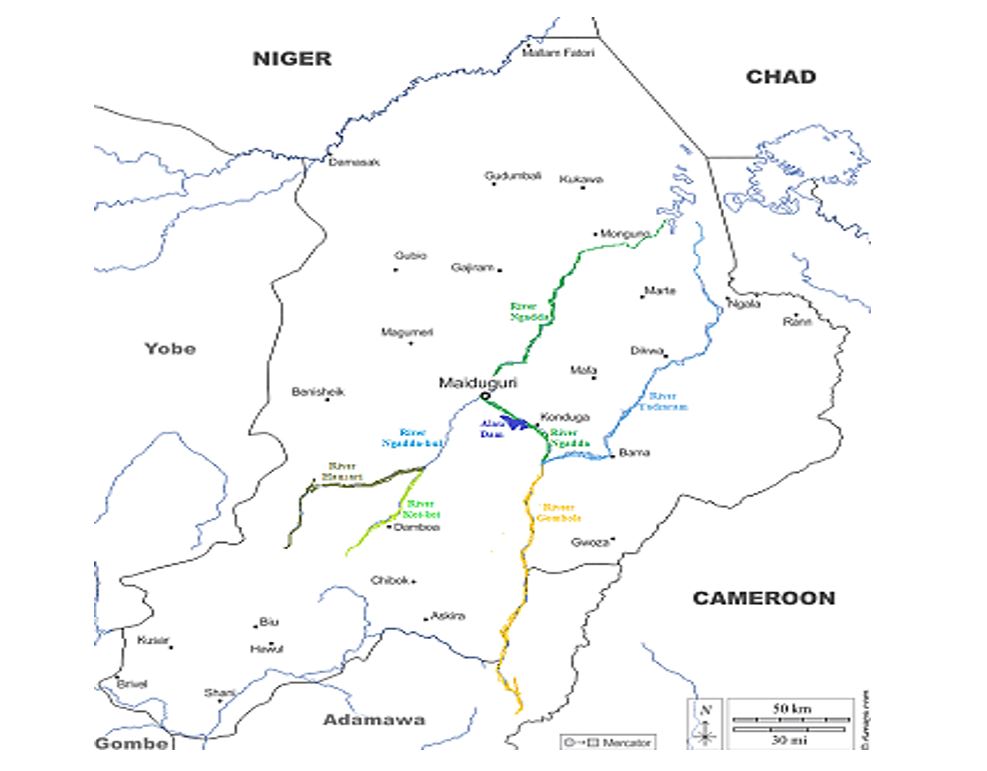
Figure 1: Map of Borno State, Nigeria Highlighting River Ngadda.
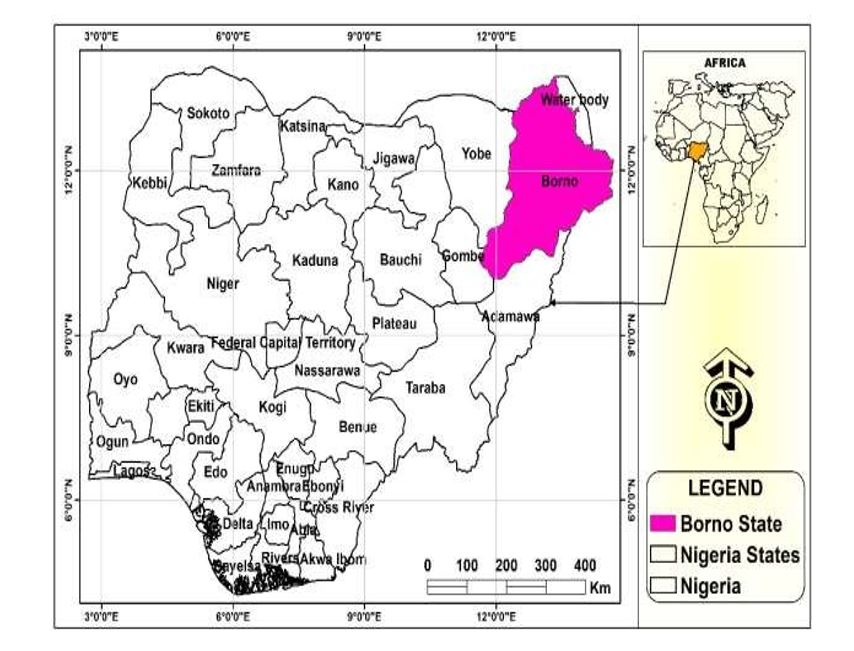
Figure 2: Map of Nigeria Highlighting Borno State
Source: BORMLS 28.
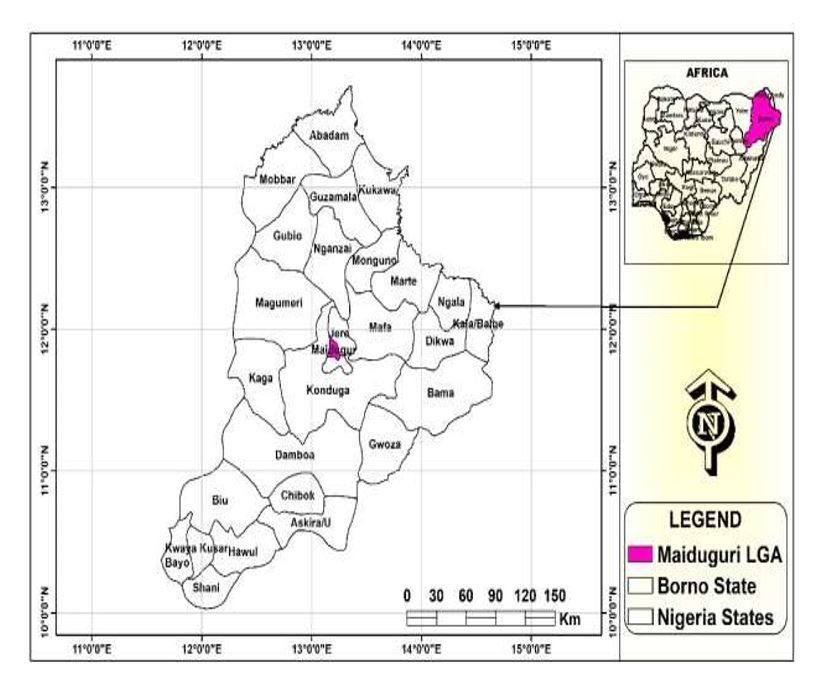
Figure 3: Map of Borno Highlighting Maiduguri Metropolis
Source: BORMLS 28.
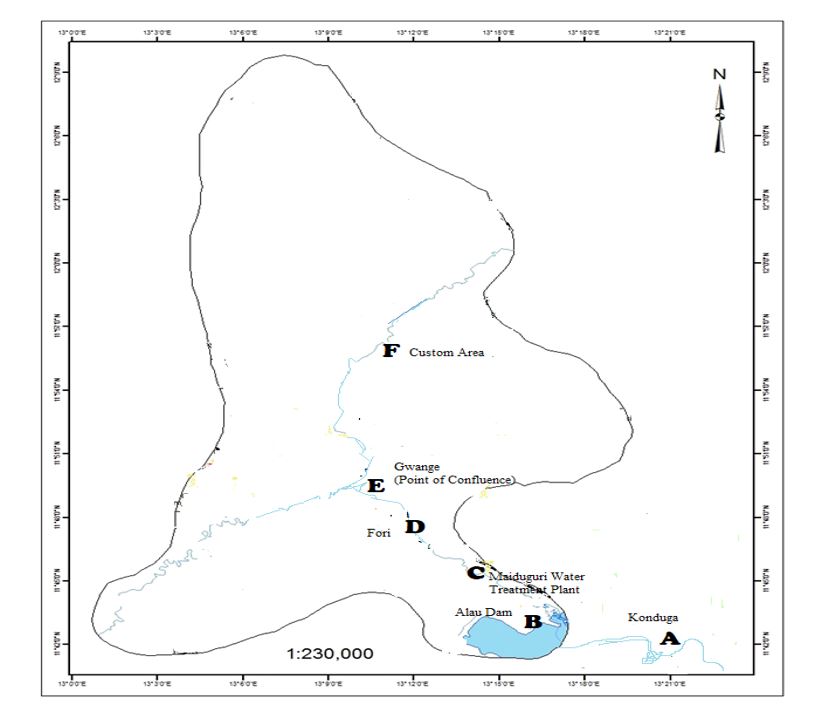
Figure 4: Map of Maiduguri and its Environs showing the Sampling Locations
Source: Sharah, 33.
Table 1: Sampling Stations.
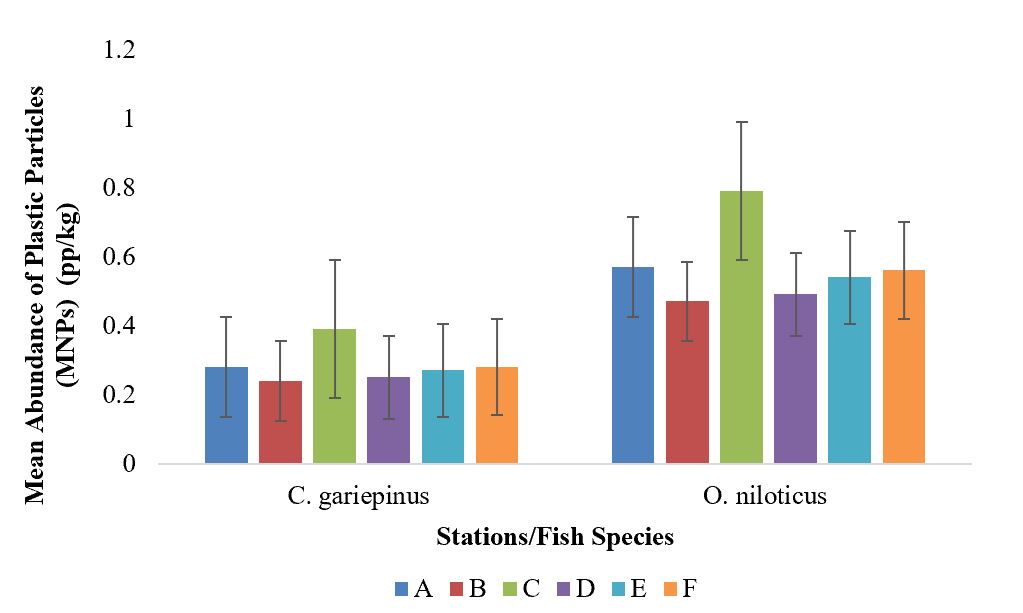
Figure 5: The Average Abundance of MNPs in C. gariepinus and O. niloticus from the Study Area.
Full-Text: (298 Views)
Human Health Risk Assessment from the Ingestion of Clarias gariepinus (Burchell, 1822) and Oreochromis niloticus (Linnaeus, 1758) Contaminated with Micro- (Nano) Plastics (MNPs) from River Ngadda, Borno State – Nigeria
Mathias Nzitiri Bwala *1,2, Ezra Abalis Gaya 2, Ahmad Jibrin Nayaya 2, Toma Buba 2
1 National Environmental Standards and Regulations Enforcement Agency (NESREA), Borno State Field Office, Maiduguri.
2 Department of Ecology, Faculty of Sciences, Abubakar Tafawa Balewa University (ATBU), Bauchi.
Mathias Nzitiri Bwala *1,2, Ezra Abalis Gaya 2, Ahmad Jibrin Nayaya 2, Toma Buba 2
1 National Environmental Standards and Regulations Enforcement Agency (NESREA), Borno State Field Office, Maiduguri.
2 Department of Ecology, Faculty of Sciences, Abubakar Tafawa Balewa University (ATBU), Bauchi.
| A R T I C L E I N F O | ABSTRACT | |
| ORIGINAL ARTICLE | Introduction: Freshwater fish inhabiting polluted rivers are capable of bio-accumulating microplastics (plastic fragments measuring less than 5 mm, and nanoplastics (particles with dimensions below 1 µm) in their gastrointestinal tracts and occasionally in edible tissues, depending on species, size, and feeding ecology. Consumption of MNP-contaminated fish therefore represents a potential pathway of human exposure. Although dietary intake estimates vary by region and consumption patterns, aquatic bio-resources are recognized exposure routes alongside inhalation and other food sources. This study assessed the human health risks associated with consuming Clarias gariepinus and Oreochromis niloticus contaminated with micro- and nanoplastics (MNPs) from the Ngadda River, Borno State, Nigeria. Materials and Methods: C. gariepinus and O. niloticus were collected monthly from 6 stations over eight months. Samples were processed and analyzed for MNPs using Fourier Transform Infrared (FTIR) Spectroscopy and Gas Chromatography–Mass Spectrometry (GC–MS) at Yobe State University, Damaturu. Results: Mean MNP abundance in C. gariepinus ranged from 0.24–0.39 pp/kg (Stations B–C), while O. niloticus ranged from 0.47–0.79 pp/kg. Estimated ingestion for children was 70.38–117.97 pp/week and 844.50–1415.65 pp/year. Adult exposure ranged from 211.13–353.91 pp/week and 2533.51–42426.95 pp/year. Conclusion: O. niloticus exhibited higher bioaccumulation than C. gariepinus. Spatial variability reflected localized pollution sources. Dietary exposure levels for both children and adults were notable, highlighting the need for further studies on MNP retention and elimination in humans. |
|
Article History: Received: 23 November 2025 Accepted: 20 January 2026 |
||
*Corresponding Author: Bwala Mathias Nzitiri Email: mathias.bwala@nesrea.gov.ng Tel: +234 8034 487 634 |
||
Keywords: Water Pollution, Microplastics (MPs), Nanoplastics (NPs), Risk Assessment, Environmental Exposure. |
Citation: Mathias Nzitiri B, Ezra Abalis G, Ahmed Jibrin N, et al. Human Health Risk Assessment from the Ingestion of Clarias gariepinus (Burchell, 1822) and Oreochromis niloticus (Linnaeus, 1758) Contaminated with Micro- (Nano) Plastics (MNPs) from River Ngadda, Borno State – Nigeria. J Environ Health Sustain Dev. 2026; 11(1): 2940-54.
Introduction
Plastics from diverse sources pollute ecosystems, such as industrial plastic waste, domestic plastic waste, plastic waste from recreational areas, and plastic waste from the fishing industry. Plastic pollutants in aquatic ecosystems are classified as macroplastics, microplastics, and nanoplastics. This classification is based on the size of plastic pollutants. Macroplastics are large items of plastic origin that are > 25 millimetre (mm) in size, and mesoplastics range between 5 and 25 mm in size. Microplastics, on the other hand, are plastic particles with sizes with particle lengths spanning approximately 0.1 - 5,000 µm along their maximum dimension, while nanoplastics generally occur within a size range of about 1 - 100 nanometers (nm) Error! Reference source not found.. Among these plastic pollutants, micro and nanoplastics (MNPs) are the commonest found in aquatic organisms Error! Reference source not found.-5.
Micro- and nanoplastics (MNPs) have been detected in multiple anatomical compartments of fish, including the gills, digestive tract, and fin tissues. Notably, smaller freshwater species are frequently consumed whole, which may increase the likelihood of direct human exposure to these particles through dietary intake 6-7. MNPs might be ingested by fish from their polluted environment, and in turn, the fish might also be consumed by humans, which might increase the potential for bioaccumulation and trophic transfer 8-11. The ecotoxicity of MNPs in the ecosystem calls for the continuous monitoring of aquatic ecosystems to assess the levels of contamination.
Additionally, MNPs might interact with other persistent environmental pollutants in the ecosystem, particularly heavy metals, either by absorbing, sorbing, or attaching to these metals on their surfaces, which might increase their bioavailability and their subsequent chances of intake by biota 12-13. Plastics, which are usually fragmented into MNPs in the environment as a result of several factors such as aging, fluctuating temperature, wind and water currents, and chemical reactions, are manufactured with chemical additives. MNPs may leach these harmful additives and carry toxic pollutants, posing risks such as endocrine disruption and inflammatory responses in human biological systems 1, 10, 14-16.
The ingestion of fish contaminated with MNPs raises several plausible human health concerns. Most ingested MNPs in fish are retained in the gastrointestinal (GI) tract, and fillets typically carry far fewer particles than viscera. Therefore, evisceration before cooking reduces exposure, whereas small species eaten whole (or dishes that include entrails) can increase the risk of human exposure. Risk also depends on local contamination sources (wastewater effluent, urban runoff) and fish feeding ecology; benthic and detritivorous species tend to ingest more particles. While current risk assessments suggest that MNPs in seafood make only a small contribution to total dietary exposure, the adverse effects of plastic additives and co-contaminants cannot be neglected 17, 18.
Laboratory studies have revealed that nanoplastics (NPs) can cross the intestinal barrier, disturb tight-junction proteins, increase permeability (“leaky gut”), and alter microbiota–host signaling, leading to inflammation and dysbiosis 19. These mechanisms are consistent with broader reviews linking MNP exposure to oxidative stress, immune activation, and metabolic disturbances in mammalian systems 20, 21. Importantly for human plausibility, microplastics (MPs) have been detected in human blood, indicating systemic bioavailability, and have been associated with changes in coagulation and inflammatory markers 22, 23. Additionally, MNPs have also been found in human placentas, demonstrating translocation across biological barriers, although the health consequences remain uncertain 24, 25.
Similarly, MNPs are reported to exert a chemical – vector effect on biota as they contain additives (e.g., phthalates, bisphenols, brominated flame retardants, etc.) and can also sorb with different environmental contaminants (e.g., PAHs, PCBs, metals). When contaminated fish are ingested, these chemicals can contribute to internal exposure. The European Food Safety Authority’s (EFSA) earlier appraisal concluded that, for most consumers, MPs in seafood likely add only a small fraction to the existing dietary intake of such chemicals, but emphasized limited occurrence and bioavailability data, and highlighted NPs as a key uncertainty 17-18, 26. The study is aimed at assessing the human health risk from the ingestion of C. gariepinus and O. niloticus contaminated with micro and nanoplastics (MNPs) from river Ngadda, Borno State, Nigeria
Material and Methods
The Study Location
The health risk assessment was carried out in Borno State, Nigeria, geographically situated between latitudes 10°N and 14°N and longitudes 11°31′E and 14°41′E. The climatic conditions of the state are characterized by long dry – hot and short wet seasons, with an average annual mean temperature of 31°C. The hottest period is March – April, with a maximum temperature of 37 – 40°C, while the coldest period is between December and January. The State has an average annual rainfall of approximately 500 –700 mm per annum 27-28. Borno has a number of rivers, such as Koi-koi, Hawul, and Ngadda. The study was conducted on the Ngadda River.
River Ngadda is a freshwater system formed by the confluence of the Yedzaram and Gombole Rivers within the Sambisa Forest region. Following their junction, the unified channel continues downstream as River Ngadda, traversing multiple rural and urban settlements before discharging into Alau Dam. The river subsequently delineates a pronounced arcuate course around Maiduguri metropolitan area, shaping the hydrological landscape of the Maiduguri, Borno State Nigeria 27-32. Additionally, there is another highly seasonal river in the town known as River Nggadabul which met at a confluence with River Ngadda behind Gidan Madara, Gwange and continuous to flow as River Ngadda. River Ngadda is one of the minor tributaries of the Lake Chad and is widely known for its commercial fishing activities with C. gariepinus and O. niloticus as the abundant fish species 31, 32. A map of the Ngadda River in Borno State, Nigeria, is shown in Figure 1. A map of the study area is shown in Figure 2 – 4.
Plastics from diverse sources pollute ecosystems, such as industrial plastic waste, domestic plastic waste, plastic waste from recreational areas, and plastic waste from the fishing industry. Plastic pollutants in aquatic ecosystems are classified as macroplastics, microplastics, and nanoplastics. This classification is based on the size of plastic pollutants. Macroplastics are large items of plastic origin that are > 25 millimetre (mm) in size, and mesoplastics range between 5 and 25 mm in size. Microplastics, on the other hand, are plastic particles with sizes with particle lengths spanning approximately 0.1 - 5,000 µm along their maximum dimension, while nanoplastics generally occur within a size range of about 1 - 100 nanometers (nm) Error! Reference source not found.. Among these plastic pollutants, micro and nanoplastics (MNPs) are the commonest found in aquatic organisms Error! Reference source not found.-5.
Micro- and nanoplastics (MNPs) have been detected in multiple anatomical compartments of fish, including the gills, digestive tract, and fin tissues. Notably, smaller freshwater species are frequently consumed whole, which may increase the likelihood of direct human exposure to these particles through dietary intake 6-7. MNPs might be ingested by fish from their polluted environment, and in turn, the fish might also be consumed by humans, which might increase the potential for bioaccumulation and trophic transfer 8-11. The ecotoxicity of MNPs in the ecosystem calls for the continuous monitoring of aquatic ecosystems to assess the levels of contamination.
Additionally, MNPs might interact with other persistent environmental pollutants in the ecosystem, particularly heavy metals, either by absorbing, sorbing, or attaching to these metals on their surfaces, which might increase their bioavailability and their subsequent chances of intake by biota 12-13. Plastics, which are usually fragmented into MNPs in the environment as a result of several factors such as aging, fluctuating temperature, wind and water currents, and chemical reactions, are manufactured with chemical additives. MNPs may leach these harmful additives and carry toxic pollutants, posing risks such as endocrine disruption and inflammatory responses in human biological systems 1, 10, 14-16.
The ingestion of fish contaminated with MNPs raises several plausible human health concerns. Most ingested MNPs in fish are retained in the gastrointestinal (GI) tract, and fillets typically carry far fewer particles than viscera. Therefore, evisceration before cooking reduces exposure, whereas small species eaten whole (or dishes that include entrails) can increase the risk of human exposure. Risk also depends on local contamination sources (wastewater effluent, urban runoff) and fish feeding ecology; benthic and detritivorous species tend to ingest more particles. While current risk assessments suggest that MNPs in seafood make only a small contribution to total dietary exposure, the adverse effects of plastic additives and co-contaminants cannot be neglected 17, 18.
Laboratory studies have revealed that nanoplastics (NPs) can cross the intestinal barrier, disturb tight-junction proteins, increase permeability (“leaky gut”), and alter microbiota–host signaling, leading to inflammation and dysbiosis 19. These mechanisms are consistent with broader reviews linking MNP exposure to oxidative stress, immune activation, and metabolic disturbances in mammalian systems 20, 21. Importantly for human plausibility, microplastics (MPs) have been detected in human blood, indicating systemic bioavailability, and have been associated with changes in coagulation and inflammatory markers 22, 23. Additionally, MNPs have also been found in human placentas, demonstrating translocation across biological barriers, although the health consequences remain uncertain 24, 25.
Similarly, MNPs are reported to exert a chemical – vector effect on biota as they contain additives (e.g., phthalates, bisphenols, brominated flame retardants, etc.) and can also sorb with different environmental contaminants (e.g., PAHs, PCBs, metals). When contaminated fish are ingested, these chemicals can contribute to internal exposure. The European Food Safety Authority’s (EFSA) earlier appraisal concluded that, for most consumers, MPs in seafood likely add only a small fraction to the existing dietary intake of such chemicals, but emphasized limited occurrence and bioavailability data, and highlighted NPs as a key uncertainty 17-18, 26. The study is aimed at assessing the human health risk from the ingestion of C. gariepinus and O. niloticus contaminated with micro and nanoplastics (MNPs) from river Ngadda, Borno State, Nigeria
Material and Methods
The Study Location
The health risk assessment was carried out in Borno State, Nigeria, geographically situated between latitudes 10°N and 14°N and longitudes 11°31′E and 14°41′E. The climatic conditions of the state are characterized by long dry – hot and short wet seasons, with an average annual mean temperature of 31°C. The hottest period is March – April, with a maximum temperature of 37 – 40°C, while the coldest period is between December and January. The State has an average annual rainfall of approximately 500 –700 mm per annum 27-28. Borno has a number of rivers, such as Koi-koi, Hawul, and Ngadda. The study was conducted on the Ngadda River.
River Ngadda is a freshwater system formed by the confluence of the Yedzaram and Gombole Rivers within the Sambisa Forest region. Following their junction, the unified channel continues downstream as River Ngadda, traversing multiple rural and urban settlements before discharging into Alau Dam. The river subsequently delineates a pronounced arcuate course around Maiduguri metropolitan area, shaping the hydrological landscape of the Maiduguri, Borno State Nigeria 27-32. Additionally, there is another highly seasonal river in the town known as River Nggadabul which met at a confluence with River Ngadda behind Gidan Madara, Gwange and continuous to flow as River Ngadda. River Ngadda is one of the minor tributaries of the Lake Chad and is widely known for its commercial fishing activities with C. gariepinus and O. niloticus as the abundant fish species 31, 32. A map of the Ngadda River in Borno State, Nigeria, is shown in Figure 1. A map of the study area is shown in Figure 2 – 4.
Figure 1: Map of Borno State, Nigeria Highlighting River Ngadda.
Figure 2: Map of Nigeria Highlighting Borno State
Source: BORMLS 28.
Figure 3: Map of Borno Highlighting Maiduguri Metropolis
Source: BORMLS 28.
Figure 4: Map of Maiduguri and its Environs showing the Sampling Locations
Source: Sharah, 33.
Fish sample collection
Fish specimens (C. gariepinus and O. niloticus) were brought at the landing sites directly from the fishermen at the six different sampling stations monthly for 8 months as shown in Figure 4 and Table 1. The samples were labelled, kept chilled on ice and delivered to the laboratory for additional analytical procedures as explained by Bwala, 31-32. Four fish species were collected monthly at each sampling station for each species (4 fish × 8months × 6 stations = 192 fish for each species). A total of 384 fish were used in this study. The fish samples collected at each sampling station were authenticated and identified by a fish taxonomist at the Fisheries Department, University of Maiduguri (UNIMAID).
Table 1: Sampling Stations.
| S/N | STATION | LOCATION | GPS COORDINATE |
| 1 | A | Konduga village (Sabon Gari), Konduga LGA | 11° 38’ 46.24” N 13° 25’ 00.35” E |
| 2 | B | Alau Dam, Konduga LGA | 11° 43’ 27.04” N 13° 17’ 00.25” E |
| 3 | C | Behind Water Treatment Plant (WTP), Jere LGA | 11° 47’ 28.1’’ N 13° 11’ 33.8’’ E |
| 4 | D | Fori ward, Jere LGA | 11° 48’ 10.2’’ N 13° 10’ 18.9’’ E |
| 5 | E | Gwange (Point of Confluence), Jere LGA | 11° 49’ 49.2’’ N 13° 09’ 31.3’’ E |
| 6 | F | Custom Area, Maiduguri Metropolitan Council (MMC) | 11° 51’ 29.8’’ N 13° 11’ 01.0’’ E |
Extraction and Evaluation of MNPs in the Fish Samples
The fish specimens were subsequently prepared for dissection under controlled laboratory conditions. Prior to use, all dissection instruments, glassware, and working surfaces were thoroughly rinsed with distilled water to minimize the risk of external contamination. The external surfaces of each specimen were also gently washed with distilled water to remove adhering debris and potential contaminants, as explained by Kılıç 34. The gastrointestinal tract, gill tissues, and muscle samples were aseptically excised from each specimen following a ventral dissection. An incision was made beneath the opercular region and extended longitudinally to the anal aperture to allow complete organ removal. Excised tissues were preserved in ethanol prior to chemical digestion. Organic matter degradation was subsequently performed using a 10% sodium hypochlorite (NaClO) solution prepared at a 1:3 (v/v) dilution with deionized water, as explained by Collard et al. 15 and Campbell et al. 11 with no modification. Filters were carefully transferred into sterile Petri dishes for subsequent microscopic analysis. For fish specimens weighing less than 5.0 g, the entire gastrointestinal tract (GIT), gills, kidneys, and liver were excised, finely sectioned using sterile dissection scissors, and subjected to complete chemical digestion. In specimens exceeding 5.0 g, the GIT, gills, kidneys, and liver were longitudinally opened and rinsed with ethanol to facilitate removal of surface contaminants and to enhance reagent penetration, particularly due to the thicker digestive epithelium characteristic of larger individuals. Thereafter, the tissues were digested in 30 mL of a nitric acid–sodium hypochlorite solution (HNO₃:NaClO; 1:10 v/v). Where residual organic matter persisted following the initial digestion, additional digestion cycles were performed to ensure complete breakdown of biological material, a procedure commonly required for larger gastrointestinal tracts and associated organs 15. Following chemical digestion, the processed samples were subjected to sequential ultrafiltration using 50 μm and 30 nm mesh filters. The retained fractions were carefully transferred into separate glass Petri dishes and rinsed with 95% methanol. Subsequently, the samples were oven-dried at 100 °C overnight to ensure complete evaporation of the solvent prior to further analysis, as explained by Campbell et al. 1. Once the samples were dry, the plastic particles were enumerated under a microscope.
The processed samples were placed in sterile Petri dishes for FT-IR and GC – MS analysis of both microplastics and nanoplastics at Yobe State University (YSU), Damaturu.
Fourier Transform Infrared (FT-IR) Spectroscopy, Gas Chromatography Mass Spectroscopy (GC-MS) and Microscopic Analysis
The extracted plastic particles were characterized using FT-IR and GC–MS to identify the polymer composition and quantify the microplastics and nanoplastics, respectively. FT-IR analysis of the microplastic samples was conducted with a spectrophotometer fitted with a single-bounce attenuated total reflectance (ATR) attachment. Nanoplastic characterization was carried out by injecting the treated samples into a GC–MS system (Agilent Technologies 7890B GC interfaced with a 5977A MSD). Polymer identification was achieved by comparing the absorbance spectra of the samples with the reference libraries installed in both the FT-IR and GC–MS instruments. Finally, the analyzed samples were subjected to further microscopic examination.
Ethical Considerations/Approval
All field and laboratory procedures involving the sampled C. gariepinus and O. niloticus species were conducted in accordance with internationally accepted guidelines for the care and use of experimental animals. The study protocol was reviewed and approved by the Postgraduate Departmental Coordinator, Department of Ecology, Faculty of Sciences of the Abubakar Tafawa Balewa University (ATBU), with the recommendation of the Departmental Health Research and Animal Ethics Committee of the ATBU. Additionally, handling, sampling, and euthanasia were performed using humane methods to minimize stress and suffering, and all efforts were made to reduce the number of animals used while ensuring the scientific validity.
Statistical Analysis
The collected data were first arranged and processed using Microsoft Excel (2013 version). Statistical analyses were subsequently performed with the Statistical Package for the Social Sciences (SPSS), version 26.0. All statistical inferences were tested at a significance level of 5% (p < 0.05). Descriptive statistics (mean and standard deviation) were employed to describe the dataset.
Abundance of Plastic Particles in Fish
The abundance of plastic particles in fish is estimated as
=
Where
Assessment of Human Health Risks from the Dietary Intake of MNPs Contaminated Fish
The human health risk assessment from the ingestion of contaminated fish from the study area was estimated using the European Food Safety Authority (EFSA) postulated formula and the Food and Agricultural Organization (FAO) recommended daily dose of fish consumption: children (1 – 12 years) - 100 g/week and adults (≥ 18 years) - 300 g/week 26, 36-37. The Food and Agriculture Organization (FAO) estimated the per capita fish consumption in Nigeria as 11.39 kg/year, equivalent to 11390 g/year (corresponding to 219.04 g/week) 37.
The estimated human intake of plastic particles from the contaminated fish species was estimated based on EFSA and FAO recommendations on the total mean of the number of plastic particles in fish, the two commercially important species of fish. Human risk assessment was estimated using the formula as proposed by ESFA 17, 26 below:
=
=
=
=
Where:
Results
Average Plastic Particles in the Fish Species
The results of the average MNPs in the fish species, as shown in Figure 5, indicate that O. niloticus has the highest abundance of plastic particles across all stations in the study area. The results further indicate that the average abundance of MNPs in C. gariepinus ranged from 0.24 – 0.39 pp/kg (in stations B and C, respectively), whereas in O. niloticus, it ranged from 0.47 – 0.79 pp/kg in stations B and C, respectively).
The fish specimens were subsequently prepared for dissection under controlled laboratory conditions. Prior to use, all dissection instruments, glassware, and working surfaces were thoroughly rinsed with distilled water to minimize the risk of external contamination. The external surfaces of each specimen were also gently washed with distilled water to remove adhering debris and potential contaminants, as explained by Kılıç 34. The gastrointestinal tract, gill tissues, and muscle samples were aseptically excised from each specimen following a ventral dissection. An incision was made beneath the opercular region and extended longitudinally to the anal aperture to allow complete organ removal. Excised tissues were preserved in ethanol prior to chemical digestion. Organic matter degradation was subsequently performed using a 10% sodium hypochlorite (NaClO) solution prepared at a 1:3 (v/v) dilution with deionized water, as explained by Collard et al. 15 and Campbell et al. 11 with no modification. Filters were carefully transferred into sterile Petri dishes for subsequent microscopic analysis. For fish specimens weighing less than 5.0 g, the entire gastrointestinal tract (GIT), gills, kidneys, and liver were excised, finely sectioned using sterile dissection scissors, and subjected to complete chemical digestion. In specimens exceeding 5.0 g, the GIT, gills, kidneys, and liver were longitudinally opened and rinsed with ethanol to facilitate removal of surface contaminants and to enhance reagent penetration, particularly due to the thicker digestive epithelium characteristic of larger individuals. Thereafter, the tissues were digested in 30 mL of a nitric acid–sodium hypochlorite solution (HNO₃:NaClO; 1:10 v/v). Where residual organic matter persisted following the initial digestion, additional digestion cycles were performed to ensure complete breakdown of biological material, a procedure commonly required for larger gastrointestinal tracts and associated organs 15. Following chemical digestion, the processed samples were subjected to sequential ultrafiltration using 50 μm and 30 nm mesh filters. The retained fractions were carefully transferred into separate glass Petri dishes and rinsed with 95% methanol. Subsequently, the samples were oven-dried at 100 °C overnight to ensure complete evaporation of the solvent prior to further analysis, as explained by Campbell et al. 1. Once the samples were dry, the plastic particles were enumerated under a microscope.
The processed samples were placed in sterile Petri dishes for FT-IR and GC – MS analysis of both microplastics and nanoplastics at Yobe State University (YSU), Damaturu.
Fourier Transform Infrared (FT-IR) Spectroscopy, Gas Chromatography Mass Spectroscopy (GC-MS) and Microscopic Analysis
The extracted plastic particles were characterized using FT-IR and GC–MS to identify the polymer composition and quantify the microplastics and nanoplastics, respectively. FT-IR analysis of the microplastic samples was conducted with a spectrophotometer fitted with a single-bounce attenuated total reflectance (ATR) attachment. Nanoplastic characterization was carried out by injecting the treated samples into a GC–MS system (Agilent Technologies 7890B GC interfaced with a 5977A MSD). Polymer identification was achieved by comparing the absorbance spectra of the samples with the reference libraries installed in both the FT-IR and GC–MS instruments. Finally, the analyzed samples were subjected to further microscopic examination.
Ethical Considerations/Approval
All field and laboratory procedures involving the sampled C. gariepinus and O. niloticus species were conducted in accordance with internationally accepted guidelines for the care and use of experimental animals. The study protocol was reviewed and approved by the Postgraduate Departmental Coordinator, Department of Ecology, Faculty of Sciences of the Abubakar Tafawa Balewa University (ATBU), with the recommendation of the Departmental Health Research and Animal Ethics Committee of the ATBU. Additionally, handling, sampling, and euthanasia were performed using humane methods to minimize stress and suffering, and all efforts were made to reduce the number of animals used while ensuring the scientific validity.
Statistical Analysis
The collected data were first arranged and processed using Microsoft Excel (2013 version). Statistical analyses were subsequently performed with the Statistical Package for the Social Sciences (SPSS), version 26.0. All statistical inferences were tested at a significance level of 5% (p < 0.05). Descriptive statistics (mean and standard deviation) were employed to describe the dataset.
Abundance of Plastic Particles in Fish
The abundance of plastic particles in fish is estimated as
Where
Assessment of Human Health Risks from the Dietary Intake of MNPs Contaminated Fish
The human health risk assessment from the ingestion of contaminated fish from the study area was estimated using the European Food Safety Authority (EFSA) postulated formula and the Food and Agricultural Organization (FAO) recommended daily dose of fish consumption: children (1 – 12 years) - 100 g/week and adults (≥ 18 years) - 300 g/week 26, 36-37. The Food and Agriculture Organization (FAO) estimated the per capita fish consumption in Nigeria as 11.39 kg/year, equivalent to 11390 g/year (corresponding to 219.04 g/week) 37.
The estimated human intake of plastic particles from the contaminated fish species was estimated based on EFSA and FAO recommendations on the total mean of the number of plastic particles in fish, the two commercially important species of fish. Human risk assessment was estimated using the formula as proposed by ESFA 17, 26 below:
Where:
Results
Average Plastic Particles in the Fish Species
The results of the average MNPs in the fish species, as shown in Figure 5, indicate that O. niloticus has the highest abundance of plastic particles across all stations in the study area. The results further indicate that the average abundance of MNPs in C. gariepinus ranged from 0.24 – 0.39 pp/kg (in stations B and C, respectively), whereas in O. niloticus, it ranged from 0.47 – 0.79 pp/kg in stations B and C, respectively).
Figure 5: The Average Abundance of MNPs in C. gariepinus and O. niloticus from the Study Area.
Human Health Implication from the Consumption of Fish Exposed to Plastic Particles
The results of human health risk from the consumption of contaminated C. gariepinus from the study area, as shown in Table 2, revealed that Station B had the lowest average level of contamination, whereas Station C recorded the highest levels of MNPs contamination. The results also indicate that children are likely to ingest 23.46 – 39.32 pp/week, which corresponds to 281.50 – 471.88 pp/year (in Stations B and C, respectively). The results further revealed that adults might ingest 70.38 – 117.97 pp/week, which corresponds to 2671.92 – 4478.96 pp/year/capita (in Stations B and C, respectively).
Table 2: Human Exposure to MNPs from the Consumption of Contaminated C. gariepinus from the Study Area.
| Stations | P.P intake per week (pp/week) |
P.P intake per year (pp/year) |
P.P intake per week per capita (pp/week/capita) |
P.P intake per year per capita (pp/year/capita) |
||||
| children | Adult | children | adult | Children | Adult | Children | Adult | |
| A | 28.35 | 85.04 | 340.17 | 1020.50 | 31.05 | 62.09 | 1614.37 | 3228.73 |
| B | 23.46 | 70.38 | 281.50 | 844.51 | 25.69 | 51.38 | 1335.96 | 2671.92 |
| C | 39.32 | 117.97 | 471.88 | 1415.65 | 43.07 | 86.14 | 2239.48 | 4478.96 |
| D | 24.63 | 73.88 | 295.54 | 886.61 | 26.97 | 53.95 | 1402.57 | 2805.14 |
| E | 26.81 | 80.42 | 321.67 | 965.02 | 29.36 | 58.72 | 1526.61 | 3053.23 |
| F | 27.91 | 83.73 | 334.92 | 1004.77 | 30.57 | 61.13 | 1589.49 | 3178.98 |
The results of human health risk from the consumption of contaminated O. niloticus from the study area, as shown in Table 3, reveal that children are likely to ingest 46.92 – 78.65 pp/week, which corresponds to 51.38 – 86.13 pp/week/capita (in Stations B and C, respectively). The results further revealed that adults might ingest 140.75 – 235.94 pp/week, which corresponds to 1689.01 – 2831.30 pp/year (in Stations B and C, respectively). The results further suggest that O. niloticus from the study area had a higher potential for bio-magnification and bio-transfer of MNPs than C. gariepinus from the study area.
Table 3: Human Exposure to MNPs from the Consumption of Contaminated O. niloticus from the Study Area.
| Stations | P.P intake per week (pp/week) |
P.P intake per year (pp/year) |
P.P intake per week per capita (pp/week/capita) |
P.P intake per year per capita (pp/year/capita) |
||||
| children | Adult | children | adult | children | Adult | children | ||
| A | 56.69 | 170.08 | 680.33 | 2040.99 | 62.09 | 124.18 | 3228.73 | 6457.47 |
| B | 46.92 | 140.75 | 563.00 | 1689.01 | 51.38 | 102.77 | 2671.91 | 5343.84 |
| C | 78.65 | 235.94 | 943.77 | 2831.30 | 86.13 | 172.27 | 4478.96 | 8957.92 |
| D | 49.26 | 147.77 | 591.07 | 1773.22 | 53.95 | 107.89 | 2805.14 | 5610.28 |
| E | 53.61 | 160.84 | 643.35 | 1930.05 | 58.72 | 117.43 | 3053.23 | 6106.45 |
| F | 55.82 | 167.46 | 669.85 | 2009.54 | 61.13 | 122.27 | 3178.98 | 6357.95 |
The results of the human health risk from the ingestion of both fish species from the study area, as shown in Table 4, indicate that children ingest 70.38 – 117.97 pp/week and 844.50 – 1415.65 pp/year (in Stations B and C, respectively). MNPs from the consumption of both contaminated C. gariepinus and O. niloticus caught in the study area. Adult exposure to MNPs via the consumption of contaminated C. gariepinus and O. niloticus from the study area ranged from 211.13 – 353.91 pp/week and 2533.51 - 42426.95 pp/year (in Stations B and C, respectively).
Similarly, the human MNPs intake per week per capita indicates that children ingest 77.08 – 258.40 pp/week/capita and 4007.88–6718.44 pp/year/capita (in Stations B and C, respectively) of MNPs from the contaminated fish species, while adults were exposed to 154.15–258.40 pp/week/capita and 8015.76–13436.89 pp/year/capita (in Stations B and C, respectively) of MNPs from the consumption of both contaminated C. gariepinus and O. niloticus in the study area.
Similarly, the human MNPs intake per week per capita indicates that children ingest 77.08 – 258.40 pp/week/capita and 4007.88–6718.44 pp/year/capita (in Stations B and C, respectively) of MNPs from the contaminated fish species, while adults were exposed to 154.15–258.40 pp/week/capita and 8015.76–13436.89 pp/year/capita (in Stations B and C, respectively) of MNPs from the consumption of both contaminated C. gariepinus and O. niloticus in the study area.
Table 4: Human Exposure to MNPs from the Consumption of Both C. gariepinus and O. niloticus from the Study Area.
| Stations | P.P intake per week (pp/week) |
P.P intake per year (pp/year) |
P.P intake per week per capita (pp/week/capita) |
P.P intake per year per capita (pp/year/capita) |
||||
| Children | Adult | Children | Adult | Children | Adult | Children | Adult | |
| A | 85.04 | 255.12 | 1020.50 | 3061.49 | 93.14 | 186.27 | 4843.10 | 9686.20 |
| B | 70.38 | 211.13 | 844.50 | 2533.51 | 77.08 | 154.15 | 4007.88 | 8015.76 |
| C | 117.97 | 353.91 | 1415.65 | 42426.95 | 129.2 | 258.40 | 6718.44 | 13436.89 |
| D | 73.88 | 221.65 | 886.61 | 2659.84 | 80.92 | 161.84 | 4207.71 | 8415.42 |
| E | 80.42 | 241.26 | 965.02 | 2895.07 | 88.08 | 176.15 | 4579.84 | 9159.68 |
| F | 83.73 | 251.19 | 1004.77 | 3014.31 | 91.70 | 183.40 | 4768.47 | 9536.93 |
Discussion
This study reveals the different levels of bio-transfer and the potential bio-magnification or bio-amplification potentials of micro- and nanoplastics (MNPs) from two commercially important freshwater fish species (C. gariepinus and O. niloticus) from the Ngadda River. The findings indicate that O. niloticus had higher levels of plastic particle contamination than C. gariepinus, with the highest abundance recorded at Station C (0.79 pp/kg). This is consistent with the study conducted by Barboza et al. 38, who reported species-specific variations in microplastic uptake, often linked to feeding strategy, habitat, and trophic level. Nile Tilapia (O. niloticus) are known to be omnivorous filter feeders, increasing their likelihood of ingesting suspended plastics 39, while African Catfish (C. gariepinus) display more benthic and predatory feeding behavior, which may reduce but not eliminate exposure 39-40.
The spatial differences observed, with higher MNP concentrations at Station C, suggest localized contamination hotspots potentially linked to anthropogenic pressures, such as effluent discharge from the Maiduguri Water Treatment Plant (WTP), urban runoff, or artisanal fishing activities. Similar spatial heterogeneity has been reported in other freshwater ecosystems, where stations closer to industrial and domestic effluents recorded higher MNP loads in fish tissues 41-42. This underscores the role of watershed-level plastic pollution sources in shaping the bioaccumulation dynamics 43.
Human exposure assessments based on the ingestion of these fish species indicate a considerable intake of MNPs, particularly among children. In C. gariepinus, children were estimated to ingest 23.46–39.32 pp/week, whereas in O. niloticus, the ranges were significantly higher (46.92–78.65 pp/week). Adults also showed elevated exposure, with annual intake values ranging from 1689.01–2831.30 pp/year through O. niloticus consumption. These findings are consistent with those of dietary exposure models by Cox et al. 44, who estimated that the ingestion of contaminated seafood could result in the bio-transfer of MNPs particles in humans. Although the specific health risks (carcinogenic and non-carcinogenic risks) remain uncertain, the magnitude of exposure observed in this study cannot be ignored.
Furthermore, the estimated per capita weekly intake of MNPs exceeded the levels documented in comparable studies from Asia and Europe 45-46. This discrepancy may be attributed to differences in fish ecology and human consumption habits in the study area, where fish is a staple protein source, especially among vulnerable groups such as children and pregnant women 47. The high-frequency consumption of small-to medium-sized freshwater fish increases cumulative exposure compared to occasional seafood intake in Western populations 48.
The ecotoxicological implications of chronic ingestion of MNPs include potential disruption of gastrointestinal barrier function, immune responses, and microbiome balance 19, 49. Both in-vivo and in-vitro assays indicate that MNPs can translocate across the intestinal epithelium, accumulate in secondary organs, and trigger oxidative stress pathways 22, 50-51. The findings further showed that O. niloticus recorded the highest levels of contamination; thus, human populations that consume this species might be at a greater risk of systemic exposure to micro- and nanoplastics and their associated chemical additives.
Additionally, the role of MNPs as vectors for several environmental contaminants further complicates risk assessment. MNPs can adsorb environmentally persistent organic compounds (POPs), aromatic hydrocarbon derivatives (PAHs), and metallic trace contaminants from aquatic environments, potentially enhancing toxicity once ingested 21, 51. Consequently, ingestion of contaminated fish could result in not only particle effects but also chemical exposure, a dual pathway supported by previous findings in both marine and freshwater contexts 36, 52. The relatively higher MNP load in O. niloticus suggests a greater vector potential for toxicants than that in C. gariepinus.
Similarly, the findings raise concerns due to the reported presence of MNPs in human biological samples, including blood 22, stool 53, and placenta 24. This evidence confirms that dietary exposure results in systemic absorption, strengthening the relevance of current dietary risk estimates. In particular, in developing regions where riverine fish remain a dietary cornerstone, exposure levels such as those reported here may pose cumulative risks over time 54-55 .
The comparison between children and adults further highlights their age-related vulnerability. Children demonstrated proportionally higher per-capita exposure, consistent with prior studies suggesting that children, because of their comparatively smaller body mass combined with greater food intake per unit of their body weight, they tend to experience higher relative exposure to contaminants present in food 56. Nutrition is crucial for growth and development, and such exposures may have long-term health implications, including developmental toxicity and endocrine disruption from plastic-associated chemicals 57-58.
Uncertainties persist regarding MNPs dose–response relationships, toxicodynamics, toxicokinetics, and thresholds for adverse effects in humans. Therefore, this study recommends the need for longitudinal studies aimed at establishing tolerable daily intake values by regulatory bodies. Integrative research combining field studies, exposure modeling, and toxicological assessments will critical for refining human health risk assessments 59-60.
Conclusion
The study revealed the average levels of MNP contamination in two commercially important freshwater fish species (C. gariepinus and O. niloticus) and indicated that O. niloticus had a higher bioaccumulation potential than C. gariepinus in the study area. The observed spatial variability was due to localized pollution sources, whereas human exposure assessment revealed significant dietary intake levels for both children and adults. The observed exposure rates exceeded previously reported values in several regions, reflecting the dietary reliance on freshwater fish in the study area.
The ecotoxicological effects of MNPs on biota, such as oxidative stress, immune activation, and chemical co-exposure, raise legitimate public health concerns. Children were identified as a particularly vulnerable group, showing higher per capita intake, which may predispose them to long-term health risks.
The study recommends further studies on the retention and elimination rates of MNPs in mammals, particularly humans, due to the current lack of understanding of these processes in the GI tracts of these organisms. A systematic study would provide insights into how MNPs interact with biological systems, potentially informing safety assessment assays and applications.
Abbreviations
µm Micrometer
A.T.B.U Abubakar Tafawa Balewa University
E.F.S.A European Food Safety Authority
F.A.O Food and Agricultural Organization
FI-IR Fourier Transform Infrared Spectroscopy
GI Gastrointestinal
GS-MS Gas Chromatography - Mass Spectrometry
mm Millimeter
MNPs Micro- & Nanoplastics
MPs Microplastics
NESREA National Environmental Standards & Regulations Enforcement Agency
nm Nanometer
NPs Nanoplastics
pp/kg Plastic Particles Per Kilogram
pp/week Plastic Particles Per Week
pp/year Plastic Particles Per Year
UNIMAID University of Maiduguri
WTP Water Treatment Plant
YSU Yobe State University
Acknowledgement
The authors wish to acknowledge and thank Dr. Mohammed Z. Hassan (HOD Fisheries Department, University of Maiduguri) for assisting with the taxonomic identification of the fish species and Mal. Idris Garba (Chemistry Research Laboratory, Yobe State University, Damaturu) for assisting with GC-MS and FT-IR analyses.
Conflict of Interests
The author(s) declared no potential conflicts of interest
Funding
This study was self-sponsored by the authors.
Ethical Considerations
The study followed internationally accepted animal care guidelines and received ethical approval from the Department of Ecology, Abubakar Tafawa Balewa University. Humane procedures were used to minimize stress and reduce the number of specimen.
Code of Ethics
The study adhered to established ATBU and international standards governing animal welfare, scientific integrity, and responsible conduct of ecological and public health research. All investigators complied with approved ethical protocols, ensured transparency in data collection and analysis, and upheld principles of accountability and professionalism throughout the study. The study design incorporated the principles of reduction, refinement, and responsible use of biological resources to ensure ethical and scientifically sound practice.
Authors' Contributions
Bwala, M.N – writing, original draft preparation, methodology, formal investigation and analysis in the project
Ezra, A.G – Conceptualization, validation, editing, project administration and supervision
Nayaya, A.J – Conceptualization, validation and supervision
Buba, T. – Conceptualization, editing, validation and supervision
This is an Open-Access article distributed in accordance with the terms of the Creative Commons Attribution (CC BY 4.0) license, which permits others to distribute, remix, adapt, and build upon this work for commercial use.
References
This study reveals the different levels of bio-transfer and the potential bio-magnification or bio-amplification potentials of micro- and nanoplastics (MNPs) from two commercially important freshwater fish species (C. gariepinus and O. niloticus) from the Ngadda River. The findings indicate that O. niloticus had higher levels of plastic particle contamination than C. gariepinus, with the highest abundance recorded at Station C (0.79 pp/kg). This is consistent with the study conducted by Barboza et al. 38, who reported species-specific variations in microplastic uptake, often linked to feeding strategy, habitat, and trophic level. Nile Tilapia (O. niloticus) are known to be omnivorous filter feeders, increasing their likelihood of ingesting suspended plastics 39, while African Catfish (C. gariepinus) display more benthic and predatory feeding behavior, which may reduce but not eliminate exposure 39-40.
The spatial differences observed, with higher MNP concentrations at Station C, suggest localized contamination hotspots potentially linked to anthropogenic pressures, such as effluent discharge from the Maiduguri Water Treatment Plant (WTP), urban runoff, or artisanal fishing activities. Similar spatial heterogeneity has been reported in other freshwater ecosystems, where stations closer to industrial and domestic effluents recorded higher MNP loads in fish tissues 41-42. This underscores the role of watershed-level plastic pollution sources in shaping the bioaccumulation dynamics 43.
Human exposure assessments based on the ingestion of these fish species indicate a considerable intake of MNPs, particularly among children. In C. gariepinus, children were estimated to ingest 23.46–39.32 pp/week, whereas in O. niloticus, the ranges were significantly higher (46.92–78.65 pp/week). Adults also showed elevated exposure, with annual intake values ranging from 1689.01–2831.30 pp/year through O. niloticus consumption. These findings are consistent with those of dietary exposure models by Cox et al. 44, who estimated that the ingestion of contaminated seafood could result in the bio-transfer of MNPs particles in humans. Although the specific health risks (carcinogenic and non-carcinogenic risks) remain uncertain, the magnitude of exposure observed in this study cannot be ignored.
Furthermore, the estimated per capita weekly intake of MNPs exceeded the levels documented in comparable studies from Asia and Europe 45-46. This discrepancy may be attributed to differences in fish ecology and human consumption habits in the study area, where fish is a staple protein source, especially among vulnerable groups such as children and pregnant women 47. The high-frequency consumption of small-to medium-sized freshwater fish increases cumulative exposure compared to occasional seafood intake in Western populations 48.
The ecotoxicological implications of chronic ingestion of MNPs include potential disruption of gastrointestinal barrier function, immune responses, and microbiome balance 19, 49. Both in-vivo and in-vitro assays indicate that MNPs can translocate across the intestinal epithelium, accumulate in secondary organs, and trigger oxidative stress pathways 22, 50-51. The findings further showed that O. niloticus recorded the highest levels of contamination; thus, human populations that consume this species might be at a greater risk of systemic exposure to micro- and nanoplastics and their associated chemical additives.
Additionally, the role of MNPs as vectors for several environmental contaminants further complicates risk assessment. MNPs can adsorb environmentally persistent organic compounds (POPs), aromatic hydrocarbon derivatives (PAHs), and metallic trace contaminants from aquatic environments, potentially enhancing toxicity once ingested 21, 51. Consequently, ingestion of contaminated fish could result in not only particle effects but also chemical exposure, a dual pathway supported by previous findings in both marine and freshwater contexts 36, 52. The relatively higher MNP load in O. niloticus suggests a greater vector potential for toxicants than that in C. gariepinus.
Similarly, the findings raise concerns due to the reported presence of MNPs in human biological samples, including blood 22, stool 53, and placenta 24. This evidence confirms that dietary exposure results in systemic absorption, strengthening the relevance of current dietary risk estimates. In particular, in developing regions where riverine fish remain a dietary cornerstone, exposure levels such as those reported here may pose cumulative risks over time 54-55 .
The comparison between children and adults further highlights their age-related vulnerability. Children demonstrated proportionally higher per-capita exposure, consistent with prior studies suggesting that children, because of their comparatively smaller body mass combined with greater food intake per unit of their body weight, they tend to experience higher relative exposure to contaminants present in food 56. Nutrition is crucial for growth and development, and such exposures may have long-term health implications, including developmental toxicity and endocrine disruption from plastic-associated chemicals 57-58.
Uncertainties persist regarding MNPs dose–response relationships, toxicodynamics, toxicokinetics, and thresholds for adverse effects in humans. Therefore, this study recommends the need for longitudinal studies aimed at establishing tolerable daily intake values by regulatory bodies. Integrative research combining field studies, exposure modeling, and toxicological assessments will critical for refining human health risk assessments 59-60.
Conclusion
The study revealed the average levels of MNP contamination in two commercially important freshwater fish species (C. gariepinus and O. niloticus) and indicated that O. niloticus had a higher bioaccumulation potential than C. gariepinus in the study area. The observed spatial variability was due to localized pollution sources, whereas human exposure assessment revealed significant dietary intake levels for both children and adults. The observed exposure rates exceeded previously reported values in several regions, reflecting the dietary reliance on freshwater fish in the study area.
The ecotoxicological effects of MNPs on biota, such as oxidative stress, immune activation, and chemical co-exposure, raise legitimate public health concerns. Children were identified as a particularly vulnerable group, showing higher per capita intake, which may predispose them to long-term health risks.
The study recommends further studies on the retention and elimination rates of MNPs in mammals, particularly humans, due to the current lack of understanding of these processes in the GI tracts of these organisms. A systematic study would provide insights into how MNPs interact with biological systems, potentially informing safety assessment assays and applications.
Abbreviations
µm Micrometer
A.T.B.U Abubakar Tafawa Balewa University
E.F.S.A European Food Safety Authority
F.A.O Food and Agricultural Organization
FI-IR Fourier Transform Infrared Spectroscopy
GI Gastrointestinal
GS-MS Gas Chromatography - Mass Spectrometry
mm Millimeter
MNPs Micro- & Nanoplastics
MPs Microplastics
NESREA National Environmental Standards & Regulations Enforcement Agency
nm Nanometer
NPs Nanoplastics
pp/kg Plastic Particles Per Kilogram
pp/week Plastic Particles Per Week
pp/year Plastic Particles Per Year
UNIMAID University of Maiduguri
WTP Water Treatment Plant
YSU Yobe State University
Acknowledgement
The authors wish to acknowledge and thank Dr. Mohammed Z. Hassan (HOD Fisheries Department, University of Maiduguri) for assisting with the taxonomic identification of the fish species and Mal. Idris Garba (Chemistry Research Laboratory, Yobe State University, Damaturu) for assisting with GC-MS and FT-IR analyses.
Conflict of Interests
The author(s) declared no potential conflicts of interest
Funding
This study was self-sponsored by the authors.
Ethical Considerations
The study followed internationally accepted animal care guidelines and received ethical approval from the Department of Ecology, Abubakar Tafawa Balewa University. Humane procedures were used to minimize stress and reduce the number of specimen.
Code of Ethics
The study adhered to established ATBU and international standards governing animal welfare, scientific integrity, and responsible conduct of ecological and public health research. All investigators complied with approved ethical protocols, ensured transparency in data collection and analysis, and upheld principles of accountability and professionalism throughout the study. The study design incorporated the principles of reduction, refinement, and responsible use of biological resources to ensure ethical and scientifically sound practice.
Authors' Contributions
Bwala, M.N – writing, original draft preparation, methodology, formal investigation and analysis in the project
Ezra, A.G – Conceptualization, validation, editing, project administration and supervision
Nayaya, A.J – Conceptualization, validation and supervision
Buba, T. – Conceptualization, editing, validation and supervision
This is an Open-Access article distributed in accordance with the terms of the Creative Commons Attribution (CC BY 4.0) license, which permits others to distribute, remix, adapt, and build upon this work for commercial use.
References
- Campbell SH, Williamson PR, Hall BD. Microplastics in the gastrointestinal tracts of fish and the water from an urban prairie creek. Facets, 2017 ;2(1):395-409.
- Horton AA, Walton A, Spurgeon DJ, et al. Microplastics in freshwater and terrestrial environments: evaluating the current understanding to identify the knowledge gaps and future research priorities. Sci Total Environ. 2017 ;586:127-41.
- Rao BM. Microplastics in the aquatic environment: implications for post-harvest fish quality. Indian Journal of Fisheries, 2019; 66 (1): 142–52.
- Paul DK, Ramesh Y. Microplastic in inland water fish in India: presence and fate. Techno World. 2022; 37-53.
- McIlwraith HK, Hataley EK, Rochman CM. Towards a management strategy for microplastic pollution in the Laurentian Great Lakes—monitoring (part 1). Can J Fish Aquat Sci. 2023; 80(10): 1653-68.
- Sanchez W, Bender C, Porcher JM. Wild gudgeons (Gobio gobio) from French rivers are contaminated by microplastics: Preliminary study and first evidence. Environ Res. 2014; 128: 98–100.
- Kershaw PJ, Rochman CM. Sources, fate and effects of microplastics in the marine environment: part 2 of a global assessment. Reports and studies-IMO/FAO/Unesco-IOC/WMO/IAEA/UN/UNEP joint group of experts on the scientific aspects of marine environmental protection (GESAMP) Eng No. 93. 2015.
- Dris R, Imhof H, Sanchez W, et al. Beyond the ocean : contamination of freshwater ecosystems with (micro-) plastic particles. Environmental Chemistry. 2015; 12 (5): 539-50.
- Thushari GG, Senevirathna JD. Plastic pollution in the marine environment. Heliyon, 2020; 6(8): 7-14.
- Amaneesh C, Anna Balan S, Silpa PS, et al. Gross negligence: impacts of microplastics and plastic leachates on phytoplankton community and ecosystem dynamics. Environ Sci Technol. 2022; 57(1):5-24.
- Hossain MB, Yu J, Nur AA, et al. Microplastics in surface water from a mighty subtropical estuary: First observations on occurrence, characterization, and contamination assessment. Environ Res. 2023; 226: 115594.
- Andrady AL. Microplastics in the marine environment. Mar Pollut Bull. 2011; 62(8): 1596-605.
- Andrady AL. Persistence of plastic litter in the oceans. InMarine anthropogenic litter 2015 Jun 2 (pp. 57-72). Cham: Springer International Publishing.
- Munier B, Bendell LI. Macro and micro plastics sorb and desorb metals and act as a point source of trace metals to coastal ecosystems. PLoS One. 2018; 13(2):e0191759.
- Collard F, Gilbert B, Eppe G, et al. Detection of anthropogenic particles in fish stomachs: an isolation method adapted to identification by Raman spectroscopy. Arch Environ Contam Toxicol. 2015; 69(3): 331–9.
- Issac MN, Kandasubramanian B. Effect of microplastics in water and aquatic systems. Environ Sci Pollut Res Int. 2021; 28(16): 19544-62.
- EFSA Panel on Contaminants in the Food Chain (CONTAM). Presence of microplastics and nanoplastics in food, with particular focus on seafood. EFSA J. 2016; 14(6),e04501.
- World Health Organization (WHO). Microplastics in drinking-water. Geneva: WHO, 2019.
- Hsu WH, Chen YZ, Chiang YT, et al. Polystyrene nanoplastics disrupt the intestinal microenvironment by altering bacteria–host interactions through extracellular vesicle-delivered microRNAs. Nat Commun. 2025; 16(1): 5026.
- Bai CL, Wang D, Luan YL, et al. A review on micro-and nanoplastics in humans: Implication for their translocation of barriers and potential health effects. Chemosphere. 2024; 361: 142424.
- Li Y, Tao L, Wang Q, et al. Potential health impact of microplastics: a review of environmental distribution, human exposure, and toxic effects. Environment & Health. 2023; 1(4), 249-57.
- Leslie HA, Van Velzen MJ, Brandsma SH, et al. Discovery and quantification of plastic particle pollution in human blood. Environ Int. 2022; 163, 107199.
- Lee DW, Jung J, Park SA, et al. Microplastic particles in human blood and their association with coagulation markers. Scientific Reports. 2024; 14, 30419.
- Ragusa A, Svelato A, Santacroce C, et al. Plasticenta: First evidence of microplastics in human placenta. Environ Int. 2021; 146, 106274.
- Ragusa A, Matta M, Cristiano L, et al. Deeply in plasticenta: presence of microplastics in the intracellular compartment of human placenta. Int J Environ Res Public Health. 2022; 19(18), 11593.
- European Food Safety Authority. EFSA Scientific colloquium 25: A coordinated approach to assess the human health risks of micro- and nanoplastics in food. EFSA Supporting Publications. 2021;18(8): 6815E.
- Bwala MN, Imam TS. Fish smoking, preservation and socio-economic characteristics of fish smokers and traders in selected fish markets in Borno state, Nigeria. Nigerian Journal of Fisheries. 2021; 18 (2): 2346 –54.
- Borno State Ministry of Land and Survey. BORMLS. Borno State Office Memo File. Borno State Ministry of Land and Survey, Musa Usman Secretariat, Maiduguri, Borno State Nigeria, 2018. Available from: https://pfm.bo.gov.ng/wp-content/ BORNO_STATE_FINANCIAL_REPORT. [cited Jul 25, 2018].
- Babagana A, Dungus B, Bello SA, et al. Problems and prospects of Alau Dam construction in Alau community, Konduga Local government area. Borno State, Nigeria. Eur Sci J. 2015; 11 (20): 195 – 207.
- Bwala MN. The impact of irrigational activities on the abundance and distribution of cat fish (Clarias Gariepinus) in river Ngadda, Maiduguri, Borno state. Nigerian Journal of Science & Research. 2021; 2 (1): 7-12.
- Bwala MN. Impact of nonpoint source pollutant on fish biodiversity in river Ngadda, Maiduguri – Borno state. Nigerian Journal of Pure & Applied Sciences. 2021; 34(1): 3631 –40.
- Bwala MN. Assessment of heavy metals in sediments, water and Clarias gariepinus from Alau Dam, Borno state – Nigeria. Sahel Journal of Life Sciences FUDMA. 2023; 1(1): 155-62.
- Sharah JC. An Assessment of the Base Transceiver Stations (BTS) Compliance Status to Environmental Standards and Regulations in Maiduguri and Its Environs. Unpublished Thesis submitted to the Department of Geography, University of Maiduguri. 2020.
- Kılıç E. Microplastic occurrence in the gill and gastrointestinal tract of Chelon ramada (Mugilidae) in a highly urbanized region, İskenderun Bay, Türkiye. Mar Sci Technol Bull. 2022;11(3):309-19.
- Sanabila AI, Hadi MI, Zummah A. Identification of microplastics content in sediment, water and digestive channel of milkfish (Chanos chanos) in Sidoarjo pond. Al-Hayat: Journal of Biology and Applied Biology. 2022; 5(1): 11-24.
- EFSA Panel on Contaminants in the Food Chain (CONTAM). Presence of microplastics and nanoplastics in food, with particular focus on seafood. EFSA J. 2016; 14(6):e04501.
- Food and Agriculture Organization. FAO. The State of World Fisheries and Aquaculture 2016. Contributing to Food Security and Nutrition for All. Rome. 200 pp. Food and Agriculture Organization (FAO), Rome, Italy, 2016. Available from: http://www.fao.int/factsheets/fs391/en/.[cited Oct 20, 2016].
- Barboza LG, Lopes C, Oliveira P, et al. Microplastics in wild fish from North East Atlantic Ocean and its potential for causing neurotoxic effects, lipid oxidative damage, and human health risks associated with ingestion exposure. Sci Total Environ. 2020; 717:134625.
- Lusher A, Hollman P, Mendoza-Hill J. Microplastics in fisheries and aquaculture Status of knowledge on their occurrence and implications for aquatic organisms and food safety. FAO Fisheries and Aquaculture Technical Paper, No. 617; Rome, Italy, 2017.
- Akindele EO, Ehlers SM, Koop JH. Freshwater insects of different feeding guilds ingest microplastics in two Gulf of Guinea tributaries in Nigeria. Environ Sci Pollut Res Int. 2020; 27(3), 33373–9.
- Mvovo I. A comprehensive review on micro-plastic pollution in African aquatic systems. Environ Adv.2021; 5:100107.
- Malli A, Shehayeb A, Yehya A. Occurrence and risks of microplastics in the ecosystems of the Middle East and North Africa (MENA). Environ Sci Pollut Res Int. 2023; 30(24):64800-26.
- Chen HL, Selvam SB, Ting KN, et al. Microplastic pollution in freshwater systems in Southeast Asia: contamination levels, sources, and ecological impacts. Environ Sci Pollut Res Int. 2021; 28(39):54222-37.
- Cox KD, Covernton GA, Davies HL, et al. Human consumption of microplastics. Environ Sci Technol. 2019; 53(12), 7068–74.
- Li J, Green C, Reynolds A, et al. Microplastics in mussels sampled from coastal waters and supermarkets in the United Kingdom. Environmental Pollution. 2018; 241:35-44.
- Zhang C, Chen X, Wang J, et al. Toxic effects of microplastic on marine microalgae Skeletonema costatum: interactions between microplastic and algae. Environmental Pollution. 2017; 220:1282-8.
- Food and Agriculture Organization. FAO. The state of world fisheries and aquaculture 2022. Food and Agriculture Organization of the United Nations, 2022. Available from: http://www.fao.int/factsheets/fs141/en/.[cited Sep 15, 2022].
- Parvin F, Jannat S, Tareq SM. Abundance, characteristics and variation of microplastics in different freshwater fish species from Bangladesh. Sci Total Environ. 2021; 784:147137.
- Hirt N, Body-Malapel M. Immunotoxicity and intestinal effects of nano- and microplastics: a review of the literature. Part Fibre Toxicol. 2020; 17(1): 57.
- Deng Y, Zhang Y, Lemos B, et al. Tissue accumulation of microplastics in mice and biomarker responses suggest widespread health risks of exposure. Sci Rep. 2017; 7(1): 46687.
- Godoy V, Blázquez G, Calero M, et al. The potential of microplastics as carriers of metals. Environmental Pollution. 2019; 255, 113363.
- Wright SL, Kelly FJ. Plastic and human health: a micro issue? Environ Sci Technol. 2017; 51(12), 6634–47
- Schwabl P, Köppel S, Königshofer P, et al. Detection of various microplastics in human stool. Ann Intern Med. 2019; 171(7), 453–7.
- Huerta Lwanga E, Mendoza Vega J, Ku Quej V, et al. Field evidence for transfer of plastic debris along a terrestrial food chain. Sci Rep. 2017; 7(1), 14071.
- Barboza LG, Vethaak AD, Lavorante BR, et al. Marine microplastic debris: an emerging issue for food security, food safety and human health. Mar Pollut Bull. 2018; 133:336–48.
- Kwon JH, Kim JW, Pham TD, et al. Microplastics in food: a review on analytical methods and challenges. Int J Environ Res Public Health. 2020; 17(18): 6710.
- Prata JC, Da Costa JP, Lopes I, et al. Environmental exposure to microplastics: an overview on possible human health effects. Sci Total Environ. 2020; 702:134455
- Rahman A, Sarkar A, Yadav OP, et al. Potential human health risks due to environmental exposure to nano-and microplastics and knowledge gaps: a scoping review. Sci Total Environ. 2021;757143872.
- Gallo F, Fossi C, Weber R, et al. Marine litter plastics and microplastics and their toxic chemicals components: the need for urgent preventive measures. Environ Sci Eur, 2018; 30(1): 13.
- Zou H, Qu H, Bian Y, et al. Polystyrene microplastics induce oxidative stress in mouse hepatocytes in relation to their size. Int J Mol Sci. 2023; 24(8):7382.
Type of Study: Original articles |
Subject:
Food safety and hygiene
Received: 2025/11/23 | Accepted: 2026/01/20 | Published: 2026/03/23
Received: 2025/11/23 | Accepted: 2026/01/20 | Published: 2026/03/23
Send email to the article author
| Rights and permissions | |
 |
This work is licensed under a Creative Commons Attribution-NonCommercial 4.0 International License. |