

Volume 11, Issue 3 (September 2026)
J Environ Health Sustain Dev 2026, 11(3): 3152-3168 |
Back to browse issues page



Download citation:
BibTeX | RIS | EndNote | Medlars | ProCite | Reference Manager | RefWorks
Send citation to:


BibTeX | RIS | EndNote | Medlars | ProCite | Reference Manager | RefWorks
Send citation to:
Khoiron K, Khoiriyah S, Pujiati R S, Alfarisy F K, Ramadhani F M A, Jiang J, et al . High Microplastics Contamination Around the Pakusari Landfill, Jember, Indonesia: A Profiling and Pollutant Load Index Analysis. J Environ Health Sustain Dev 2026; 11 (3) :3152-3168
URL: http://jehsd.ssu.ac.ir/article-1-1108-en.html
URL: http://jehsd.ssu.ac.ir/article-1-1108-en.html
Khoiron Khoiron *  , Siti Khoiriyah , Rahayu Sri Pujiati , Fariz Kustiawan Alfarisy , Farchan Mushaf Al Ramadhani , Jheng-Jie Jiang , Muhammad Addin Rizaldi , Khaidar Ali
Department of Public Health, Faculty of Public Health, University of Jember, Kalimantan Street No. 37, Tegalboto Jember, 68121, Indonesia
Full-Text [PDF 1477 kb]
(100 Downloads)
| Abstract (HTML) (172 Views)
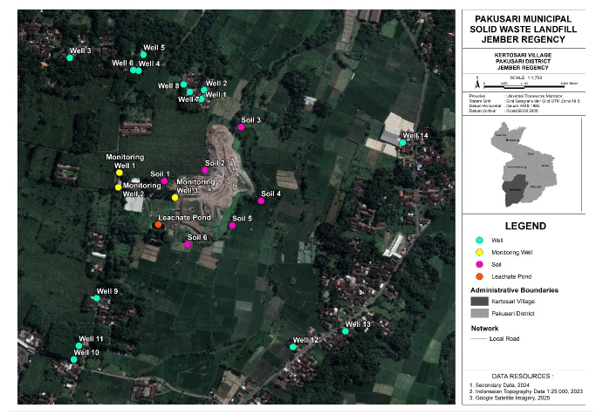
Figure 1: The location of study.
Data Analysis
Sampling site mapping was conducted using ArcGIS version 10.2. Data were analyzed using descriptive statistical methods. The visualizations and data processing designs were created using open-source Python version 3.11 combined with bioicons (https://bioicons.com/) and Flourish data visualization tools (https://app.flourish.studio/ projects). Strip plots and regression analyses were performed to explore the relationship between microplastic abundance and potential contamination sources. These methods provided a means to evaluate the correlation between the two pollution-related variables.
Ethical Clearence
The research has received ethical clearance from the Ethics Committee of the Faculty of Dentistry at Universitas Jember, with ID number 2649/UN25.8/KEPK/DL/2024.
Results
Abundance of microplastics in the study area
The study revealed the presence of microplastics in all four locations: Well, Soil, WellMon and Leachate. The analysis also provided insights into the abundance and size distribution of these particles. The result presented in figure 2.
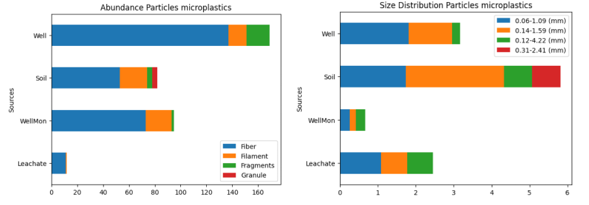
Figure 2: Abundance and size distribution of microplastics at the study site.
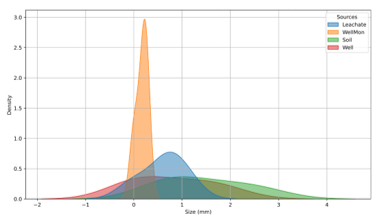
Figure 3: Size distribution of microplastics based on contamination source.
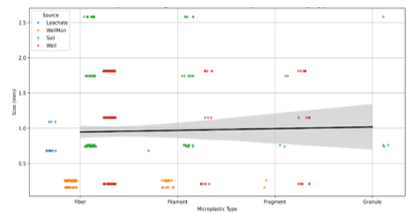
Figure 4: Relationship between microplastic size and type based on contamination source.
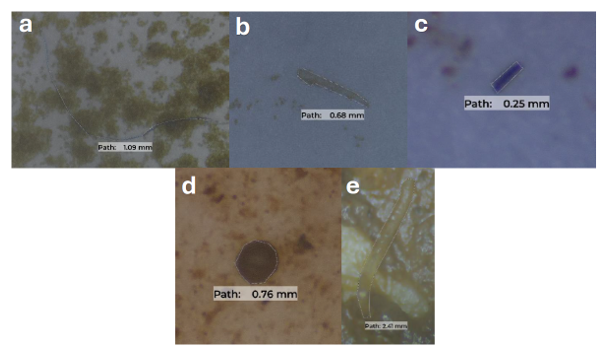
Figure 5: Microplastic morphology was collected from various sample types. Legend:
a) fiber; b,e) filament; c) fragment; d) granule.
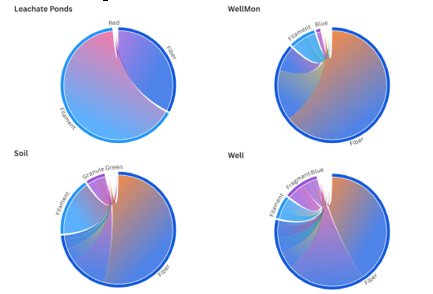
Figure 6: Microplastic polymer structures of several sample types.
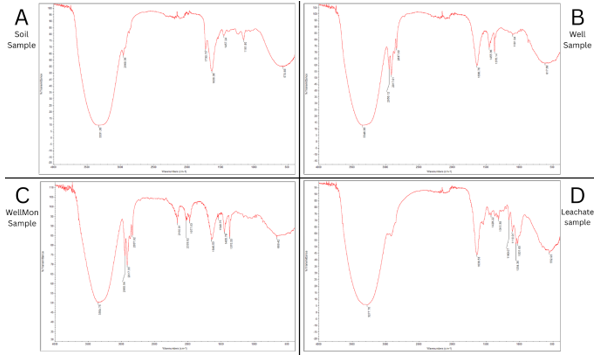
Figure 7: Polymer structure of microplastics in soil, well-dug, wellmon, and leachate samples.
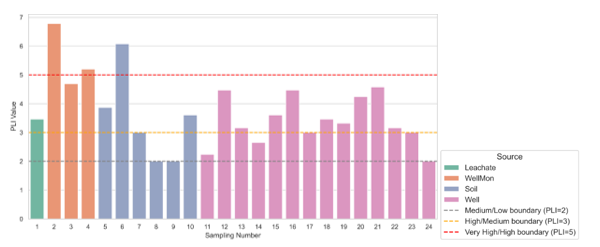
Figure 8: PLI index at the study site based on microplastic abundance.
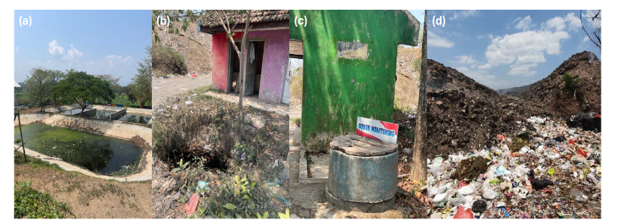
Figure 9: Current waste processing conditions and sample collection points at Pakusari landfill. Notes: a) Leachate, b) household well, c) monitoring well, and d) soil.
Full-Text: (13 Views)
High Microplastics Contamination Around the Pakusari Landfill, Jember, Indonesia: A Profiling and Pollutant Load Index Analysis
Khoiron Khoiron 1* , Siti Khoiriyah 2 , Rahayu Sri Pujiati 1 , Fariz Kustiawan Alfarisy 3,4 ,
Farchan Mushaf Al Ramadhani 5 , Jheng-Jie Jiang 4 , Muhammad Addin Rizaldi 6 , Khaidar Ali 6
1 Department of Public Health, Faculty of Public Health, University of Jember, Kalimantan Street No. 37, Tegalboto Jember, 68121, Indonesia.
2 Department of Environmental Science, Post Graduate School, Sebelas Maret University, Ir. Sutami No.36 A, Jebres, Surakarta, Indonesia.
3 Graduate School, State University of Surabaya, Lidah Wetan Street, Surabaya, 60213, Indonesia.
4 Department of Civil Engineering, College of Engineering, Chung Yuan Christian University, Taoyuan City 320314, Taiwan (R.O.C.).
5 Department of Agrotechnology, Faculty of Agriculture, University of Pekalongan, Sriwijaya Street No. 3, Pekalongan City, 51111, Indonesia.
6 Department of Public Health, Faculty of Health Sciences, Jenderal Soedirman University, Purwokerto, Banyumas, Indonesia.
Khoiron Khoiron 1*
Farchan Mushaf Al Ramadhani 5
1 Department of Public Health, Faculty of Public Health, University of Jember, Kalimantan Street No. 37, Tegalboto Jember, 68121, Indonesia.
2 Department of Environmental Science, Post Graduate School, Sebelas Maret University, Ir. Sutami No.36 A, Jebres, Surakarta, Indonesia.
3 Graduate School, State University of Surabaya, Lidah Wetan Street, Surabaya, 60213, Indonesia.
4 Department of Civil Engineering, College of Engineering, Chung Yuan Christian University, Taoyuan City 320314, Taiwan (R.O.C.).
5 Department of Agrotechnology, Faculty of Agriculture, University of Pekalongan, Sriwijaya Street No. 3, Pekalongan City, 51111, Indonesia.
6 Department of Public Health, Faculty of Health Sciences, Jenderal Soedirman University, Purwokerto, Banyumas, Indonesia.
| A R T I C L E I N F O | ABSTRACT | |
| ORIGINAL ARTICLE | Introduction: Microplastics in landfills pose significant environmental and public health risks owing to their persistence, role as disease vectors, and potential for bioaccumulation. This study aimed to characterize the abundance, distribution, and pollution levels of microplastics in Pakusari landfill, Jember, Indonesia, across leachate, soil, groundwater monitoring well, and manually dug well samples. Material and Methods: Samples, collected with contamination controls, underwent digestion with hydrogen peroxide (H2O2), followed by microplastic analysis (Leica) for quantification (count, size, color, and type) and polymer identification via Fourier transform infrared spectroscopy. Results: This study found an average abundance of 358 particles, with dominating by fiber. Polyethylenimine (PEI) was consistently detected, and the prevalent size range was 0.12 ± 4.22 mm. The calculated Pollutant Load Index (PLI) averaged 3.67 across all samples, indicating Class IV (high) pollution levels. Conclusion: These findings demonstrate severe microplastic contamination at the site, necessitating urgent mitigation strategies and improved waste management practices to prevent further environmental degradation and transform waste. |
|
Article History: Received: 06 May 2026 Revised: 15 July 2026 Accepted: 20 July 2026 |
||
*Corresponding Author: Khoiron Khoiron Email: khoiron@unej.ac.id Tel: +98 81 330758606 |
||
Keywords: Microplastics, Landfills, Water Pollution, Soil Pollution, Indonesia. |
Citation: Khoiron K, Khoiriyah S, Sri Pujiati R, et al. High Microplastics Contamination Around the Pakusari Landfill, Jember, Indonesia: A Profiling and Pollutant Load Index Analysis. J Environ Health Sustain Dev. 2026; 11(3): 3152-68.
Introduction
The reliance on plastic products is increasing owing to the growing population and higher consumption levels across various sectors, including industry, textiles, agriculture, and domestic applications1, 2. However, the growing reliance on plastic poses environmental challenges, as not all plastic waste can be reused, recycled, or repurposed effectively. The conversion of plastic waste into smaller particles, known as microplastics, has emerged as a critical global issue 3, including in Indonesia4, 5. Microplastics are pollutants resulting from the degradation of plastic materials into particles smaller than 5 mm in diameter 6. Microplastics originating from land waste can infiltrate drainage systems and make their way to the ocean. Over time, they become deposited and bioaccumulated within various biotic components of the ecosystem. Recent studies have demonstrated that microplastics contaminate food products such as horticultural crops, fish, and rice 7-9.
Public and environmental health are both at risk owing to the widespread contamination caused by microplastics. The buildup of these persistent particles compromises the integrity of ecosystems from an environmental perspective. They can easily enter the food web, contaminate freshwater and marine systems, and change the physical characteristics of soil. In both aquatic and terrestrial organisms, bioaccumulation can have detrimental physiological effects that jeopardize ecological function stability and biodiversity. Research conducted previously has demonstrated that biota samples have been consumed by local community who have been contaminated by microplastic, with average daily intake has been calculated to be >50g/day 10. Human exposure, which mostly occurs through the consumption of tainted food and water, inhalation of airborne particles, and even skin contact, is a serious public health concern 11. Once within the body, these particles can lead to oxidative stress, chronic inflammation, and physical harm. Therefore, investigating microplastic pollution in sources that can directly impact human resources, such as landfills, is crucial for assessing risk and formulating protective public health strategies.
Waste management at final disposal sites, such as landfills, can be a significant source of microplastic contamination in the surrounding environment. Inefficient waste processing often results in the accumulation of debris and incomplete degradation of waste materials. Plastic waste is the primary contributor to microplastic pollution, with residues from terrestrial ecosystems being transported into marine environments through infiltration 12, 13. Landfills not only contribute to microplastic contamination but also produce leachate containing pathogenic microbes and heavy metals 14, 15. A study encompassing 15 nations has demonstrated that the concentration of microparticles in both raw and treated landfills varies significantly, ranging from undetectable levels (0-382 particles/L) to a maximum of 2.7 particles/L 16. Furthermore, an established correlation was identified between the presence of microplastics and elevated levels of leachate. In addition to these findings, microplastics were detected in landfill sites, with an average abundance of 124.25 particles per kilogram 5, 17, 18. Microplastics degrade environmental quality and pose serious health risks 19.
Additionally, research has shown that microplastics are not only physical contaminants but can also serve as carriers for disease and other hazardous substances. For example, microplastics found in ballast water can transport pathogenic bacteria, which may pose a health risk 20, 21. Microplastics made of polyethylene (PE) can adsorb pesticide residues, such as terbuthylazine 22. Other toxic compounds, such as perfluoroalkyl substances (PFASs), polycyclic aromatic hydrocarbons (PAHs), and hexachlorocyclohexane (HCH), have likewise been detected on microplastic surfaces 23. The global presence of microplastics has reached an alarming level, prompting various adaptive strategies to reduce plastic use by substituting with biodegradable materials 24.
A substantial body of research has been dedicated to the study of microplastic contamination in seafood, surface water and well water in coastal or near river basin areas24–26 . However, there remains a paucity of research assessing the water or soil in the vicinity of landfill sites, particularly in Jember City. The present study aimed to profile the presence and distribution of microplastics at the Pakusari landfill in East Java, Indonesia, which serves as a crucial disposal site in the eastern part of East Java. In this study, the Pollutant Load Index (PLI) was utilised to evaluate the contamination level associated with microplastic abundance. PLI is usually used to evaluate the level of heavy metal pollution within the ecosystems yet here 11, we used the PLI formula for heavy metal calculation to assess microplastic concentration. Recognizing that local communities rely on groundwater wells for their clean water needs, this initial investigation will provide valuable insight and serve as a solid scientific basis for developing effective, sustainable wastewater governance and management practices.
Materials and Methods
Study area
The Jember Regency is located at the easternmost point of Java. The Indonesian Central Statistics Department has determined that Jember Regency experiences relatively high annual rainfall, with an average of 157.1083 millimetres per year. The region also has an average temperature of 27.12°C and an average humidity level of 73.20%, as reported in the aforementioned statistical publication. The Jember Regency has a fairly large final waste management facility; indeed, the largest waste management center in the eastern part of East Java Province is located in Pakusari, Jember Regency. The location of the landfill site is specified by the following geographical coordinates: 8.1698° S, 113.7613° E. The site receives a variety of waste materials, including urban waste, plastics, agricultural waste, market waste, and household garbage. The location of the landfill site was determined to be 8.5 km from Jember City. As demonstrated in Figure 1, the landfill site is situated in the center of an agricultural area and in close proximity to residential settlements.
The reliance on plastic products is increasing owing to the growing population and higher consumption levels across various sectors, including industry, textiles, agriculture, and domestic applications1, 2. However, the growing reliance on plastic poses environmental challenges, as not all plastic waste can be reused, recycled, or repurposed effectively. The conversion of plastic waste into smaller particles, known as microplastics, has emerged as a critical global issue 3, including in Indonesia4, 5. Microplastics are pollutants resulting from the degradation of plastic materials into particles smaller than 5 mm in diameter 6. Microplastics originating from land waste can infiltrate drainage systems and make their way to the ocean. Over time, they become deposited and bioaccumulated within various biotic components of the ecosystem. Recent studies have demonstrated that microplastics contaminate food products such as horticultural crops, fish, and rice 7-9.
Public and environmental health are both at risk owing to the widespread contamination caused by microplastics. The buildup of these persistent particles compromises the integrity of ecosystems from an environmental perspective. They can easily enter the food web, contaminate freshwater and marine systems, and change the physical characteristics of soil. In both aquatic and terrestrial organisms, bioaccumulation can have detrimental physiological effects that jeopardize ecological function stability and biodiversity. Research conducted previously has demonstrated that biota samples have been consumed by local community who have been contaminated by microplastic, with average daily intake has been calculated to be >50g/day 10. Human exposure, which mostly occurs through the consumption of tainted food and water, inhalation of airborne particles, and even skin contact, is a serious public health concern 11. Once within the body, these particles can lead to oxidative stress, chronic inflammation, and physical harm. Therefore, investigating microplastic pollution in sources that can directly impact human resources, such as landfills, is crucial for assessing risk and formulating protective public health strategies.
Waste management at final disposal sites, such as landfills, can be a significant source of microplastic contamination in the surrounding environment. Inefficient waste processing often results in the accumulation of debris and incomplete degradation of waste materials. Plastic waste is the primary contributor to microplastic pollution, with residues from terrestrial ecosystems being transported into marine environments through infiltration 12, 13. Landfills not only contribute to microplastic contamination but also produce leachate containing pathogenic microbes and heavy metals 14, 15. A study encompassing 15 nations has demonstrated that the concentration of microparticles in both raw and treated landfills varies significantly, ranging from undetectable levels (0-382 particles/L) to a maximum of 2.7 particles/L 16. Furthermore, an established correlation was identified between the presence of microplastics and elevated levels of leachate. In addition to these findings, microplastics were detected in landfill sites, with an average abundance of 124.25 particles per kilogram 5, 17, 18. Microplastics degrade environmental quality and pose serious health risks 19.
Additionally, research has shown that microplastics are not only physical contaminants but can also serve as carriers for disease and other hazardous substances. For example, microplastics found in ballast water can transport pathogenic bacteria, which may pose a health risk 20, 21. Microplastics made of polyethylene (PE) can adsorb pesticide residues, such as terbuthylazine 22. Other toxic compounds, such as perfluoroalkyl substances (PFASs), polycyclic aromatic hydrocarbons (PAHs), and hexachlorocyclohexane (HCH), have likewise been detected on microplastic surfaces 23. The global presence of microplastics has reached an alarming level, prompting various adaptive strategies to reduce plastic use by substituting with biodegradable materials 24.
A substantial body of research has been dedicated to the study of microplastic contamination in seafood, surface water and well water in coastal or near river basin areas
Materials and Methods
Study area
The Jember Regency is located at the easternmost point of Java. The Indonesian Central Statistics Department has determined that Jember Regency experiences relatively high annual rainfall, with an average of 157.1083 millimetres per year. The region also has an average temperature of 27.12°C and an average humidity level of 73.20%, as reported in the aforementioned statistical publication. The Jember Regency has a fairly large final waste management facility; indeed, the largest waste management center in the eastern part of East Java Province is located in Pakusari, Jember Regency. The location of the landfill site is specified by the following geographical coordinates: 8.1698° S, 113.7613° E. The site receives a variety of waste materials, including urban waste, plastics, agricultural waste, market waste, and household garbage. The location of the landfill site was determined to be 8.5 km from Jember City. As demonstrated in Figure 1, the landfill site is situated in the center of an agricultural area and in close proximity to residential settlements.
Figure 1: The location of study.
Pakusari landfill was designed as a control landfill, yet in this operation, the majority of the waste was simply dumped in an open manner. This approach did not include the implementation of a protective layer or geomembrane to prevent leachate infiltration into groundwater. Furthermore, there was an absence of a leachate collection and treatment plant within the landfill itself. Therefore, it is vital to consider the potential for contamination of the groundwater and soil in the vicinity of the landfill site, as a result of its impact on the surrounding area.
Sample collection and preparation
The samples analyzed in this study included leachate water, soil, monitoring well water (wellmon), and household well water. Leachate samples were collected as composites from the outlet point towards the residential area. The samples of leachate were collected from the designated collection point or pool, with the understanding that they were also contaminated by rainwater present within the collection pool. Soil samples were collected as composites from five designated coordinate points. Monitoring well water was collected from within the landfill area, while the household well water samples were gathered from locations 10 – 20 meters away from the landfill. All sampling points were determined using purposive sampling. In total, samples were collected from one (1) leachate point, three (3) monitoring wells, eight (8) household wells, and six (6) soil points. All samples were collected in the dry season on a single day.
Soil samples were collected from the surface at a depth of 0 – 30 cm, with each sample weighing 500 g. The samples were placed in boxes, sealed with aluminum foil, and labeled accordingly. In addition, water samples were collected from household wells and monitoring wells using a 0.4 mm plankton net to gather a 1-liter water sample. To avoid contamination from plastic materials, the water samples were stored in 1-liter glass jars. The samples were taken at a depth of approximately 2 meters below the water surface. All collected water samples were stored in cool boxes before being transported to the laboratory 23. Leachate water was sampled according to the Indonesian Government Standard SNI 6989.59 (2008). Briefly, approximately 250 mL of leachate was collected using a dipper into glass jars, labeled, and stored in cool boxes prior to laboratory analysis.
Microplastic extraction and identification
Microplastic extraction and identification were conducted at the Soil Chemistry Laboratory, Department of Soil Science, University of Jember. To remove organic matter from the samples, the wet peroxide oxidation (WPO) method was utilized. The filter papers were preconditioned in a desiccator. Soil samples were air-dried for 24 to 48 h at 60°C and then sieved using a 0.3 mm mesh. Approximately 30 g of each soil sample was placed in a beaker and mixed with 300 mL of sodium chloride (NaCl) solution. Water and leachate samples were treated in beakers with 150 mL of 30% hydrogen peroxide (H₂O₂), which were then sealed with aluminum foil(Wang et al., 2024a) , and heated at 70°C for 60 minutes. The resulting suspensions were pipetted and centrifuged at 350 rpm for 5 minutes. The suspensions were allowed to precipitate for 90 min and then filtered using a vacuum pump. The remaining samples containing microplastics were collected on Petri dishes for further analysis.
Microplastics retained on the Petri dishes were observed using a Leica microscope to assess their color, size, and morphology. Additionally, Fourier transform infrared spectroscopy (FTIR) was used to analyze the polymer compounds in each sample. The observations were categorized based on the source of the microplastics and the type of sample analyzed.
PLI (Pollutant Load Index) assessment
The microplastic identification results from our study area showed significant differences compared to those from other locations. We employed the Pollutant Load Index (PLI) to evaluate the extent of microplastic pollution based on particle abundance. Here, the PLI reflects the degree of pollution in an ecosystem based on the abundance of microplastic particles. It serves as a methodological approach for pollution risk assessment and strategic management. The formula for calculating the PLI is as follows:
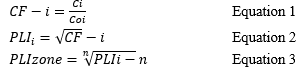
where CF-I is the pollutant coefficient of the i-th sample, Ci is the abundance of microplastic particles in the sample type, and Coi is the reference of the total in the observed sample type. PLI-n is the value of each n-th sample in the n-th sample and type. Based on the PLI value, several categories are based on the level of pollution (Error! Reference source not found.).
Table 1: Classification of pollution level based on PLI values.
Sample collection and preparation
The samples analyzed in this study included leachate water, soil, monitoring well water (wellmon), and household well water. Leachate samples were collected as composites from the outlet point towards the residential area. The samples of leachate were collected from the designated collection point or pool, with the understanding that they were also contaminated by rainwater present within the collection pool. Soil samples were collected as composites from five designated coordinate points. Monitoring well water was collected from within the landfill area, while the household well water samples were gathered from locations 10 – 20 meters away from the landfill. All sampling points were determined using purposive sampling. In total, samples were collected from one (1) leachate point, three (3) monitoring wells, eight (8) household wells, and six (6) soil points. All samples were collected in the dry season on a single day.
Soil samples were collected from the surface at a depth of 0 – 30 cm, with each sample weighing 500 g. The samples were placed in boxes, sealed with aluminum foil, and labeled accordingly. In addition, water samples were collected from household wells and monitoring wells using a 0.4 mm plankton net to gather a 1-liter water sample. To avoid contamination from plastic materials, the water samples were stored in 1-liter glass jars. The samples were taken at a depth of approximately 2 meters below the water surface. All collected water samples were stored in cool boxes before being transported to the laboratory 23. Leachate water was sampled according to the Indonesian Government Standard SNI 6989.59 (2008). Briefly, approximately 250 mL of leachate was collected using a dipper into glass jars, labeled, and stored in cool boxes prior to laboratory analysis.
Microplastic extraction and identification
Microplastic extraction and identification were conducted at the Soil Chemistry Laboratory, Department of Soil Science, University of Jember. To remove organic matter from the samples, the wet peroxide oxidation (WPO) method was utilized. The filter papers were preconditioned in a desiccator. Soil samples were air-dried for 24 to 48 h at 60°C and then sieved using a 0.3 mm mesh. Approximately 30 g of each soil sample was placed in a beaker and mixed with 300 mL of sodium chloride (NaCl) solution. Water and leachate samples were treated in beakers with 150 mL of 30% hydrogen peroxide (H₂O₂), which were then sealed with aluminum foil
Microplastics retained on the Petri dishes were observed using a Leica microscope to assess their color, size, and morphology. Additionally, Fourier transform infrared spectroscopy (FTIR) was used to analyze the polymer compounds in each sample. The observations were categorized based on the source of the microplastics and the type of sample analyzed.
PLI (Pollutant Load Index) assessment
The microplastic identification results from our study area showed significant differences compared to those from other locations. We employed the Pollutant Load Index (PLI) to evaluate the extent of microplastic pollution based on particle abundance. Here, the PLI reflects the degree of pollution in an ecosystem based on the abundance of microplastic particles. It serves as a methodological approach for pollution risk assessment and strategic management. The formula for calculating the PLI is as follows:
where CF-I is the pollutant coefficient of the i-th sample, Ci is the abundance of microplastic particles in the sample type, and Coi is the reference of the total in the observed sample type. PLI-n is the value of each n-th sample in the n-th sample and type. Based on the PLI value, several categories are based on the level of pollution (Error! Reference source not found.).
Table 1: Classification of pollution level based on PLI values.
| Level/Class | PLI | Category |
| I | 0 | Safe |
| II | 1-2 | Low |
| III | 2-3 | Medium |
| IV | 3-4 | High |
| V | >5 | Very High |
Data Analysis
Sampling site mapping was conducted using ArcGIS version 10.2. Data were analyzed using descriptive statistical methods. The visualizations and data processing designs were created using open-source Python version 3.11 combined with bioicons (https://bioicons.com/) and Flourish data visualization tools (https://app.flourish.studio/ projects). Strip plots and regression analyses were performed to explore the relationship between microplastic abundance and potential contamination sources. These methods provided a means to evaluate the correlation between the two pollution-related variables.
Ethical Clearence
The research has received ethical clearance from the Ethics Committee of the Faculty of Dentistry at Universitas Jember, with ID number 2649/UN25.8/KEPK/DL/2024.
Results
Abundance of microplastics in the study area
The study revealed the presence of microplastics in all four locations: Well, Soil, WellMon and Leachate. The analysis also provided insights into the abundance and size distribution of these particles. The result presented in figure 2.
Figure 2: Abundance and size distribution of microplastics at the study site.
As shown in Figure 2, the average number of detected microplastic particles was 89.5 ± 64.4 particles. Among these, fiber-type microplastics were the most prevalent at almost all sampling points, with the highest number of particles detected in monitoring wells. The average size of microplastics found in soil samples was approximately 0.12 ± 4.22 mm, with the highest concentration located in soils near the waste processing area.
As shown in Figure 3, the size distribution of the microplastics is presented. The color of the microplastics is indicative of their size distribution coloration. This indication is derived from the sources of the samples. The size distribution of microplastics was assessed using kernel density analysis. This approach can map microplastic size distributions sourced from various contamination sites.
As shown in Figure 3, the size distribution of the microplastics is presented. The color of the microplastics is indicative of their size distribution coloration. This indication is derived from the sources of the samples. The size distribution of microplastics was assessed using kernel density analysis. This approach can map microplastic size distributions sourced from various contamination sites.
Figure 3: Size distribution of microplastics based on contamination source.
As visualized in Figure 3, the highest density along the Y-axis was recorded from monitoring well (wellmon) samples located near the landfill site. Leachate and monitoring well water samples tend to produce smaller microplastics. In addition, fibers and fragments are the most prevalent among the different types.
The relationship between microplastic size and type based on the contamination source is shown in Figure 4.
The relationship between microplastic size and type based on the contamination source is shown in Figure 4.
Figure 4: Relationship between microplastic size and type based on contamination source.
As shown in Figure 4, colorization provides a visual representation of the sources of microplastic contamination in terms of size and type. Based on Figure. 4, fiber and filament microplastics are predominantly below 1 mm in size. The black line, which approaches a slope of 1, indicates a linear relationship between microplastic type and size, suggesting a strong correlation. The size of the microplastics varies depending on their type. The gray bands represent confidence intervals (CI) reflecting the uncertainty of the regression model; these bands widen on the right, indicating greater variability in larger particle sizes. The orange-colored zone represents fiber and filament microplastics in soil samples, averaging approximately 0.2 ± 0.4 mm.
In order to ascertain the morphology of micropalstics, it is necessary to present the original microscopic visualisation. The visual representation and structural characteristics of microplastics are demonstrated in figure 5.
In order to ascertain the morphology of micropalstics, it is necessary to present the original microscopic visualisation. The visual representation and structural characteristics of microplastics are demonstrated in figure 5.
Figure 5: Microplastic morphology was collected from various sample types. Legend:
a) fiber; b,e) filament; c) fragment; d) granule.
As demonstrated in Figure 5. The analysis of samples from soil, leachate, and well water revealed the presence of multiple forms of microplastics, including fibres, filaments, fragments, and granules.
The chord diagram in Figure. 6. illustrates the diversity of microplastic types based on the sources of contamination. The outer segment of the diagram depicts the types of microplastics identified from different samples. The curved connecting lines illustrate the relationship between microplastic type and color, facilitating the mapping of types and levels of dominance. The line width of each segment indicates the relative amount of microplastics based on color type.
The chord diagram in Figure. 6. illustrates the diversity of microplastic types based on the sources of contamination. The outer segment of the diagram depicts the types of microplastics identified from different samples. The curved connecting lines illustrate the relationship between microplastic type and color, facilitating the mapping of types and levels of dominance. The line width of each segment indicates the relative amount of microplastics based on color type.
Figure 6: Microplastic polymer structures of several sample types.
Each distinct type of microplastic is characterized by a unique polymer composition. The application of Fourier-transform infrared (FTIR) analysis to the identification of microplastic contamination revealed the presence of polypropylene (PP) in both monitoring and public well samples, and soil is polyester polymer. Nonetheless, the analysis of leachate samples has not yielded the common type of microplastic polymer that has been identified. As illustrated in Figure 7, the result of the FTIR spectrum is evident.
Figure 7: Polymer structure of microplastics in soil, well-dug, wellmon, and leachate samples.
As shown in Figure 7, the wave number in the landfill soil sample peaks at 1730.73 cm⁻¹, which is indicative of a carbonyl group, and there is a smaller peak at 2960.38 cm⁻¹, which is indicative of the presence of carbon chains. These findings suggest that the microplastic polymer was polyester-based. Figure 7B shows that the FTIR spectrum of the well sample exhibited signs of polypropylene microplastic contamination, evidenced by characteristic aliphatic C-H stretching peaks at 2949.64 and 2837.38 cm⁻¹, as well as distinctive bending vibrations at 1455.43 and 1375.09 cm⁻¹. Figure 7C shows that the predominant polymer type in the monitoring well was polypropylene (PP), as indicated by the presence of a distinctive methyl peak at 1375.33 cm⁻¹. Figure 7D shows the FTIR analysis of the leachate sample, providing valuable insights into its chemical composition. The spectrum displays a carbohydrate- or cellulose-based polymer peak at 1160.07 cm⁻¹, corresponding to the C-O bond. This finding suggests the presence of natural or semi-synthetic microfibers rather than the more prevalent microplastic polymer.
Microplastic risk assessment
As shown in Figure. 8, 24 samples were collected, including leachate, monitoring wells (wellmon), soil, and household wells (well). The leachate sample revealed a Pollutant Load Index (PLI) of 3.46, categorizing it within the high-risk range. Some soil samples exhibited even higher levels of contamination, with a maximum PLI value of 6.08. The highest PLI was observed in the monitoring well samples, which reached 6.78, classifying it as very high risk (PLI > 5). The average PLI value across all samples from the study site was 3.67.
Figure 8: PLI index at the study site based on microplastic abundance.
Discussion
This study confirmed that all samples collected from the Pakusari landfill (TPA Pakusari) and surrounding areas were contaminated with microplastics, indicating that the landfill is a significant source of pollution of both soil and groundwater. This contamination is largely attributed to the accumulation of unsorted plastic waste at the site, which undergoes physical, chemical, and biological degradation. The predominance of fiber-type microplastics is a key finding, which is consistent with previous studies that identified synthetic textiles as a major contributor to environmental microplastic pollution 25-28.
The presence study also detected leachate contamination of microplastics. However, the abundance of microplastics was low, and the monitoring well exhibited a high concentration of particles. Research conducted on active and inactive landfill sites in Indonesia has demonstrated that the leachate sample was most contaminated by fibre-shaped microplastics 29. A further study demonstrated that microplastic concentration was highest in leachate around the dumpsite, followed by fresh leachate, untreated leachate, and treated leachate 30. It is evident that leachate can act as a primary medium for the transportation of contaminants in the monitoring well.
This study detected the dominant shape of microplastics as fragments. These fragments likely originate from the breakdown of larger plastic debris via ultraviolet (UV) degradation at the landfill surface 31. Granules, in contrast, are generally manufactured microplastics commonly used in cosmetics, transportation materials, and industrial processes, which are characterized by their spherical or oval shapes. Monitoring wells serve as key indicators of water quality, and their contamination raises public health concerns.
Microplastic size variation is influenced by multiple factors, including physical, chemical, and biological processes, polymer composition and exposure to sunlight (UV radiation) 32. Leachate and monitoring well samples generally contained smaller microplastics, with fibers and fragments being the most abundant.
The present study identified the polymeric composition of microplastics in soil and well water samples, revealing the presence of polypropylene (PP) and polyester (PES). Such fibers, often composed of polymers such as polyester (PES), nylon (polyamide), polyacrylonitrile, and polypropylene (PP), were detected in both soil and well water samples, suggesting vertical migration through soil layers and subsequent infiltration into groundwater 33. A study of landfill sites revealed that polypropylene is the most prevalent type of microparticle. 34, 35. Polymers such as polyethylene (PE), polystyrene (PS), polypropylene (PP), polyethylene terephthalate (PET), high-density polyethylene (HDPE), and polyether sulfone elastomer blends (PES-EL) have different levels of resistance to UV-induced degradation 36, 37. Various purification and characterization methods for microplastics with polymers such as HDPE, LLDPE, PA66, PS, PET, and SBR involve the use of SDS and hydrogen peroxide to remove organic materials 38. Polymers such as polypropylene and polyester, primarily sourced from industrial manufacturing and synthetic textiles, respectively, are predominantly identified in municipal landfills 39, 40. This high prevalence is directly linked to the massive influx of mismanaged household waste, particularly discarded clothing and textile materials.
Microplastics tend to remain trapped in soil for extended periods because of limited infiltration rates39. However, climatic and seasonal factors, such as rainfall patterns and temperature fluctuations, can accelerate fragmentation and redistribution 41. Improper landfill waste management often results in microplastics coexisting with other contaminants, including heavy metals 42 and pesticide residues 43, 44. In this study, morphological analysis identified multiple microplastic forms, such as fibers, filaments, fragments, and granules, in soil, leachate, and well water, consistent with other landfill studies 45. A further study of landfill sites has demonstrated that the majority of microplastics are of a fibrous and fragmentary nature 46, a finding that is in accordance with the present study.
The concentration of microplastic in the present study is consistent with the levels observed in other regions. However, further analysis is required to determine whether these levels are consistent across different regions and to what extent this consistency is influenced by the PLI value. The microplastic contamination levels observed in this region are lower than those recorded in other areas, as evidenced by previous studies conducted in Yogyakarta. This discrepancy can be attributed to the larger size of the Piyungan landfill site in Yogyakarta, which serves as a more significant concentration point for microplastics. 47. The present study demonstrates a higher concentration of microparticles than was observed in any other region, including Mojokerto city. In Mojokerto City, the landfill site is of a smaller size than that of Pakusari. Furthermore, the sampling site differs in two respects. First, in Mojokerto, the sampling was collected at the leachate treatment plant (LTP). Second, at the LTP, the aerobic biological process is applied to reduce the concentration 48. Consequently, the concentration of microparticles at landfill sites can have implications for the methodology and geographical location of sampling.
The Pollutant Load Index (PLI) assessment revealed elevated contamination levels across all sample types. Leachate samples recorded a PLI of 3.46 (high risk), soil samples reached 6.08, and monitoring wells exhibited the highest PLI of 6.78—categorized as very high risk (PLI > 5). The average PLI across the study area was 3.67, placing the site in Class IV contamination (PLI > 3). PLI is defined as the potential for microplastic accumulation. The PLI was calculated based on the MPs concentration 49, 50. The presence of microplastics has been proven to result in an elevated PLI. This phenomenon is attributed to the inherent characteristics of microplastics that facilitate significant aggregation, thereby contributing to a substantial escalation in PLI. A high PLI value signals a strong potential for emerging contaminants with the capacity for bioaccumulation, persistence, and adverse health impacts 51. Environmental factors, such as water flow, seasonal variation, and wind, can enhance microplastic mobilization. Before directly impacting human health, these particles may enter the food chain via drinking water, agricultural produce, or other consumables 52-54. Chronic exposure to microplastics is increasingly linked to cancer risk 55. Furthermore, landfill studies have shown that microplastics can harbor harmful microorganisms, such as Acidobacteria and Proteobacteria, which may become pathogenic upon exposure 56.
Public health implications
The direct public health implications for the local community are of particular concern. The public health risks in the Pakusari landfill area are heightened by the reliance on local wells for daily water consumption. Of the 14 active household wells identified, eight (57.1%) were used without any treatment, while the remaining six (42.9%) underwent basic processing (e.g., boiling). Each well typically serves between one and four households. The detection of microplastics in these water sources represents a direct exposure pathway for residents. Microplastics can enter the human body through water consumption. The extant research demonstrates that exposure to microplastics, whether in the long or short term, has the potential to induce oxidative stress and inflammatory responses 57, 58. A study on mice has suggested a potential link between microplastic exposure and cognitive decline, specifically the presence of a marker for dementia in the hippocampus. Further research indicates that microplastics can bioaccumulate in the brain, potentially impacting cognitive function 59, 60
The presence of Acinetobacter and Pseudomonas further increases the risk of opportunistic infections in the community, particularly in vulnerable populations. Given these findings, immediate interventions in waste management, leachate treatment, and safe water provision are critical to protect environmental and human health. Previous research has shown that microplastics in water systems can act as vectors for pathogens and potentially contribute to antimicrobial resistance 61, 62. As demonstrated in previous studies, the 16S rRNA gene sequencing of microbial communities in water has been shown to reveal the presence of the Acinetobacter and Pseudomonas genera, both of which have been associated with antimicrobial resistance 63. This has the potential to have a significant impact on public health.
Strategy and future prospects for waste management
In Indonesia, waste from various sectors is typically collected in the morning and transported from urban collection points to larger centralized facilities. The largest waste processing center in Jember Regency is located in Pakusari, East Java. The waste management process involves initial collection from urban areas, households, and other sectors, followed by sorting at the processing facility. At the study site, waste was categorized as organic and inorganic materials. Organic waste was processed into compost, whereas inorganic materials were sent to a central facility for destruction or recycling into new products.
Figure 9 shows the current condition of the waste management system at the Pakusari landfill. One of the main challenges identified was that waste is not sorted from the beginning of the collection and transportation process. Sorting is only performed upon arrival at the landfill. Moreover, issues related to household-level waste management need to be addressed, as sorting of household-level waste is not a common practice among the community. Environmental issues are closely connected to social and behavioral aspects 64, 65. Currently, the use of incinerators for waste destruction in Indonesia is limited. Additionally, the time taken for waste transportation can lead to physicochemical changes in the waste, which increases the potential for microplastic dispersal. Despite these challenges, there are ongoing efforts to raise public awareness regarding the importance of waste sorting53. Communities can be educated and motivated to participate in secondary waste processing, such as upcycling waste into reusable products 66. Promoting community-based waste management strategies offers a promising pathway toward reducing environmental pollution and mitigating microplastic contamination at the source 67. Therefore, the government must be supported by effective waste management policy68. It is imperative that government policy encompasses a multifaceted approach, encompassing legal, operational, technical, institutional and community dimensions.
Figure 9: Current waste processing conditions and sample collection points at Pakusari landfill. Notes: a) Leachate, b) household well, c) monitoring well, and d) soil.
Conclusions
The total microplastic abundance identified in the Pakusari landfill (TPA Pakusari) was 89.5 ± 64.4 particles, collected from multiple sources, including well water, soil, leachate, and monitoring wells. The types of microplastics detected included fibers, filaments, fragments, and granules. FTIR analysis confirmed the presence of polymer compounds containing polyethylenimine (PEI). Based on the PLI assessment, the overall contamination level at the Pakusari landfill was classified as high (Class IV, PLI > 3).
This study presents a comprehensive profiling of microplastics within the waste management process. The presence of microplastics poses a threat not only to the environment but also to human health. This investigation aimed to assess the effectiveness of the current waste processing system in relation to contamination levels. The findings from laboratory analyses can serve as a scientific basis for formulating optimized waste management strategies that minimize contamination risks and protect public health.
CRediT authorship contribution statement
K. K.: Conceptualization, Methodology, Investigation, Writing – original draft, Writing – review and editing. S. A. B.: Conceptualization, Resources, Investigation, Writing – review and editing. R. S. P.: Methodology, Investigation, Data curation, Writing – review and editing. F. K. A.: Methodology, Validation, Writing – original draft, Writing – review and editing. F. M.A. R.: Software, Visualization, Writing – review and editing. KA: Data curation, validation, writing, and review. J-J.J: Methodology, Validation, Writing – review and editing. MAR : Writing-review, revising and editing
Declaration of competing interest
All authors declare no conflicts of interest.
Acknowledgement
The authors would like to express their sincere appreciation for the support provided by Universitas Jember in guaranteeing the research with financial support from the Postdoctoral Research Scheme.
Conflict of Interest
The author declare there is no conflict of interest
Funding
This research was financially supported by the Research and Community Service Institute (LP2M), University of Jember, through the Postdoctoral Research Grant Scheme for the 2024 Fiscal Year under Grant Number 3066/UN25.3.1/LT/2024.
Ethical Considerations
The ethical clearance was officially recognised by the Faculty of Dentistry.
Code of Ethics
The ethical clearance was officially recognised by the Faculty of Dentistry, bearing the reference number 2649/UN25.8/KEPK/DL/2024.
Authors' Contributions
K.K: Conceptualization, Methodology, Investigation, Writing – original draft, Writing – review and editing. S.A.B: Conceptualization, Resources, Investigation, Writing – review and editing. R.S.P: Methodology, Investigation, Data curation, Writing – review and editing. F.K.A: Methodology, Validation, Writing – original draft, Writing – review and editing. F.M.A.R: Software, Visualization, Writing – review and editing. KA: Data curation, Validation, Writing-review. J-J.J: Methodology, Validation, Writing – review and editing. MAR : Writing-review, revising and editing
Data availability
Data will be made available on request.
This is an Open-Access article distributed in accordance with the terms of the Creative Commons Attribution (CC BY 4.0) license, which permits others to distribute, remix, adapt, and build upon this work for commercial use.
References
1. Fayshal MA. Current practices of plastic waste management, environmental impacts, and potential alternatives for reducing pollution and improving management. Heliyon. 2024; 10(23).
2. Zaini N, Kasmuri N, Mojiri A, et al. Plastic pollution and degradation pathways: a review on the treatment technologies. Heliyon.. 2024; 10(7).
3. Lakhiar IA, Yan H, Zhang J, et al. Plastic pollution in agriculture as a threat to food security, the ecosystem, and the environment: an overview. Agronomy. 2024; 14(3):548.
4. Hartini E, Hadiyanto, Warsito B. Distribution and ecological risk of microplastics in soil at the Jatibarang landfill in Semarang, Indonesia. Journal of Ecological Engineering. 2025;26(2):272–85.
5. Pratiwi OA, Achmadi UF, Kurniawan R. Microplastic pollution in landfill soil: Emerging threats the environmental and public health. Environ Anal Health Toxicol. 2024;39(1).
6. Sebteoui K, Csabai Z, Stanković J, et al. Downsizing plastics, upsizing impact: how microplastic particle size affects Chironomus riparius bioturbation activity. Environ Res. 2025;270.
7. Ansar SS, Balasubramanian B, Chaudhary A, et al. Microplastics distribution and potential health implications of food and food products. Journal of Food Composition and Analysis. 2025; 139:107098.
8. Drova E, Tuqiri N, Prasad K, et al. Microplastic occurrence in 21 coastal marine fish species from fishing communities on Viti Levu, Fiji. Mar Pollut Bull. 2025;216: 118045.
9. Muñoz Yustres JL, Zapata-Restrepo LM, Garcia-Chaves MC, et al. Microplastics in rice-based farming systems and their connection to plastic waste management in the Chicoral district of Espinal-Tolima. Chemosphere. 2025; 378:144423.
10. Khoiron K, Firdaus DAP. Abundance Analysis of Microplastics and Community Consumption In Batik Mussels (Paphia undulate) in Water Regions (Study in Banyuurip Village, Ujung Pangkah District, Gresik Regency). Jurnal Pengelolaan Sumberdaya Alam dan Lingkungan (Journal of Natural Resources and Environmental Management). 2024 ;14(2):316-.
11. Hossain MN, Rahaman A, Hasan MJ, et al. Comparative seasonal assessment of pollution and health risks associated with heavy metals in water, sediment and Fish of Buriganga and Turag River in Dhaka City, Bangladesh. SN Appl Sci. 2021;3(4): 509.
12. Altunışık A, Tatlı HH, Yıldız MZ, et al. Spatiotemporal variation in the ingestion of microplastics in aquatic and terrestrial salamanders endemic to Türkiye. Ecol Indic. 2024;167: 112669.
13. Vázquez-Vázquez B, Lazzari M, Hospido A. Terrestrial characterization factors for bio- and fossil-based plastics: microplastics ingestion and additives release. Waste Management. 2025;196:106–14.
14. Lestari P, Purwiandono G, Amalia AN, et al. Coexistence of microplastic particles and heavy metals in landfill leachate: a case study of a landfill in Indonesia. Case Stud Chem Environ Eng. 2025;11:101082.
15. Li T-Y, Ye C, Zhang Y-J, et al. 2,3-Butanediol from the leachates of pine needles induces the resistance of Panax notoginseng to the leaf pathogen Alternaria panax. Plant Divers. 2023;45(1):104–16.
16. Rahman MM, Sultan MB, Alam M. Microplastics and adsorbed micropollutants as emerging contaminants in landfill: a mini review. Curr Opin Environ Sci Health. 2023;31:100420.
17. Lo LSH, Tong RMK, Chan W, et al. Bacterial pathogen assemblages on microplastic biofilms in coastal waters. Mar Pollut Bull. 2025;216:117958.
18. Naik RK, Naik MM, D'Costa PM, et al. Microplastics in ballast water as an emerging source and vector for harmful chemicals, antibiotics, metals, bacterial pathogens and HAB species: a potential risk to the marine environment and human health. Mar Pollut Bull. 2019;149:110525.
19. Wang F, Gao J, Zhai W, et al. The influence of polyethylene microplastics on pesticide residue and degradation in the aquatic environment. J Hazard Mater. 2020;394:122517.
20. Tumwesigye E, Felicitas Nnadozie C, C Akamagwuna F, et al. Microplastics as vectors of chemical contaminants and biological agents in freshwater ecosystems: current knowledge status and future perspectives. Environmental Pollution. 2023;330:121829.
21. Thacharodi A, Hassan S, Meenatchi R, et al. Mitigating microplastic pollution: a critical review on the effects, remediation, and utilization strategies of microplastics. J Environ Manage. 2024;351:119988.
22. Xu G, Feng W, Yang Y, et al. Occurrence, sources, and risks of microplastics in agricultural soils of Weishan Irrigation District in the lower reaches of the Yellow River, China. J Hazard Mater. 2025;491:137849.
23. Mutlu T, Ceylan Y, Baytaşoğlu H, et al. Characterization of microplastics in sediments and surface waters of Turkish lakes. J Contam Hydrol. 2025;272:104576.
24. Sahoo MM. Microplastic pollution in surface sediments of Coromandel coastline, South-East Coast, India: Diversity index, carbonyl index, pollution load index, risk fraction and MPs inventory. Environmental Pollution. 2024;355:124179.
25. Vibhatabandhu P, Leelakun P, Yottiam A, et al. Integration of microplastics and heavy metals in the potential ecological risk index: spatial pollution assessment of sediments in the inner Gulf of Thailand. Chemosphere. 2025;376:144280.
26. Salazar-Rojas T, Cejudo-Ruiz FR, Gutiérrez-Soto MV, et al. Assessing heavy metal pollution load index (PLI) in biomonitors and road dust from vehicular emission by magnetic properties modeling. Environ Sci Pollut Res Int. 2023;30(39):91248–61.
27. Acharya S , Rumi SS, Hu Y, et al. Microfibers from synthetic textiles as a major source of microplastics in the environment: a review. Textile Research Journal. 2021; 91(17-18):2136-56.
28. Militký J, Novotná J, Wiener J, et al. Microplastics and fibrous fragments generated during the production and maintenance of textiles. Fibers. 2024;12(7):51.
29. Periyasamy AP, Tehrani-Bagha A. A review on microplastic emission from textile materials and its reduction techniques. Polym Degrad Stab. 2022;199:109901.
30. Yang T, Gao M, Nowack B. Formation of microplastic fibers and fibrils during abrasion of a representative set of 12 polyester textiles. Sci Total Environ. 2023;862:160758.
31. Dimassi SN, Hahladakis JN, Yahia MND, et al. Degradation-fragmentation of marine plastic waste and their environmental implications: a critical review. Arab J Chem. 2022; 15(11): 104262.
32. Hernandez LM, Howarth-Forster L, Sørensen L, et al. UV-degradation is a key driver of the fate and impacts of marine plastics. How can laboratory experiments be designed to effectively inform risk assessment?. Mar Pollut Bull. 2025;219:118271.
33. Gu J, Chen L, Wan Y, et al. Experimental investigation of water-retaining and unsaturated infiltration characteristics of loess soils imbued with microplastics. Sustainability. 2022;15(1):62.
34. Wan Y, Chen X, Liu Q, et al. Informal landfill contributes to the pollution of microplastics in the surrounding environment. Environmental Pollution. 2022;293:118586.
35. Yu F, Wu Z, Wang J, et al. Effect of landfill age on the physical and chemical characteristics of waste plastics/microplastics in a waste landfill sites. Environmental Pollution. 2022;306:119366.
36. Matveev AE. Energy-efficient scientific-technological approaches to the processing of plastic waste PET, PE, PP, PS to produce hydrogen-containing gas and titanium carbide powder. Materials Today Sustainability. 2024;27:100802.
37. Mentes D, Nagy G, Szabó TJ, et al. Combustion behaviour of plastic waste – a case study of PP, HDPE, PET, and mixed PES-EL. J Clean Prod. 2023;402:136850.
38. Lessa Belone MC, Kokko M, Sarlin E. The effects of weathering-induced degradation of polymers in the microplastic study involving reduction of organic matter. Environmental Pollution. 2022;308:119669.
39. Sathishkumar G, Ibrahim M, Mohamed Akheel M, et al. Synthesis and mechanical properties of natural fiber reinforced epoxy/polyester/polypropylene composites: a review. Journal of Natural Fibers. 2022;19(10):3718–41.
40. Sakthivel S, Tesfamicael FA, Mekonnen S, et al. Recycled cotton/polyester and polypropylene nonwoven hybrid composite materials for house hold applications. The Journal of the Textile Institute. 2022;113(1):45–53.
41. Gupta P, Kumar M. Is the River Ganga a gigantic contributor to microplastic contamination in the groundwater ecosystem under the aegis of climatic extremes? J Contam Hydrol. 2025;274:104623.
42. Bolea E, Brunetti LS, Abad-Alvaro I, et al. Release of heavy metals during in vitro fish gastrointestinal digestion from microplastics collected at Calabrian coasts. Mar Pollut Bull. 2025;217:118080.
43. Chen P, Fu F, Zhao L, et al. Effects of conventional and biodegradable microplastics at comparable environmental levels on pesticide degradation in soil. Applied Soil Ecology. 2025;212:106189.
44. Ju H, Yang X, Tang D, et al. Pesticide bioaccumulation in radish produced from soil contaminated with microplastics. Sci Total Environ. 2024;910:168395.
45. Wisitthammasri W, Promduang P, Chotpantarat S. Characterization of microplastics in soil, leachate and groundwater at a municipal landfill in Rayong Province, Thailand. J Contam Hydrol. 2024;267:104455.
46. Petrović M, Mihajlović I, Tubić A, et al. Microplastics in municipal solid waste landfills. Curr Opin Environ Sci Health. 2023;31:100428.
47. Lestari P, Purwiandono G, Amalia AN, et al. Coexistence of microplastic particles and heavy metals in landfill leachate: a case study of a landfill in Indonesia. Case Stud Chem Environ Eng. 2025;11:101082.
48. Trihadiningrum Y, Wilujeng SA, Tafaqury R, et al. Evidence of microplastics in leachate of Randegan landfill, Mojokerto City, Indonesia, and its potential to pollute surface water. Sci Total Environ. 2023;874:162207.
49. Jaafarzadeh N, Tari K, Jorfi S, et al. Leachate from non-sanitary waste dumpsites as a major source of microplastics: identification, characterization, and ecological risk assessment. Water Air Soil Pollut. 2025;236(10):662.
50. Pan Z, Liu Q, Jiang R, et al. Microplastic pollution and ecological risk assessment in an estuarine environment: The Dongshan Bay of China. Chemosphere. 2021;262:127876.
51. Jangid H, Dutta J, Karnwal A, et al. Microplastic contamination in fish: a systematic global review of trends, health risks, and implications for consumer safety. Mar Pollut Bull. 2025;219:118279.
52. Ceccanti C, Davini A, Lo Piccolo E, et al. Polyethylene microplastics alter root functionality and affect strawberry plant physiology and fruit quality traits. J Hazard Mater. 2024;470:134164.
53. Hao Y, Min J, Sun H, et al. The potential risk of microplastics accumulation in farmland soils and vegetables from the development of rural tourism. J Environ Manage. 2025;389:126278.
54. Özçifçi Z, Dizman S, Basaran B, et al. Occurrence and evaluation of microplastics in honeys: Dietary intake and risk assessment. Journal of Food Composition and Analysis. 2025;145:107831.
55. Aliya S, Alhammadi M, Ilangovan S, et al. Microplastics: an emerging environmental risk factor for gut microbiota dysbiosis and cancer development?. Environ Chem Ecotoxicol. 2025;7:706–28.
56. Liang L, Zhang H, Zhang C, et al. Co-occurrence and integrated risk assessment of microplastics and antibiotic resistance genes in informal landfills: evidence from Zhejiang Province, China. Process Safety and Environmental Protection. 2025;199:107283.
57. Solomando A, Capó X, Alomar C, et al. Long-term exposure to microplastics induces oxidative stress and a pro-inflammatory response in the gut of Sparus aurata Linnaeus, 1758. Environmental Pollution. 2020;266:115295.
58. Sincihu Y, Lusno MFD, Mulyasari TM, et al. Wistar rats hippocampal neurons response to blood low-density polyethylene microplastics: a pathway analysis of SOD, CAT, MDA, 8-OHdG expression in hippocampal neurons and blood serum Aβ42 levels. Neuropsychiatr Dis Treat. 2023;19 (null):73–83.
59. Nihart AJ, Garcia MA, El Hayek E, et al. Bioaccumulation of microplastics in decedent human brains. Nat Med. 2025;31(4):1114–9.
60. Zhang L, Sun Q, Xin Q, et al. Hyperbaric oxygen therapy mobilized circulating stem cells and improved delayed encephalopathy after acute carbon monoxide poisoning with up-regulation of brain-derived neurotrophic factor. Am J Emerg Med. 2021;42:95–100.
61. Silvester R, Perry WB, Webster G, et al. Metagenomic profiling of hospital wastewater: a comprehensive national scale analysis of antimicrobial resistance genes and opportunistic pathogens. J Infect. 2025;90(6): 106503.
62. Tran TT, Stenger KS, Strømmen M, et al. Microplastic categories distinctively impact wastewater bacterial taxonomic composition and antimicrobial resistance genes. Microorganisms. 2025;13(2):260.
63. Bonanno Ferraro G, Bonomo C, Brandtner D, et al. Characterisation of microbial communities and quantification of antibiotic resistance genes in Italian wastewater treatment plants using 16S rRNA sequencing and digital PCR. Sci Total Environ. 2024;933:173217.
64. Argentiero A, Cesareo M, Fasone V, et al. Contextual behavioral informed nudges to stimulate waste prevention and recycling. a framework and a research agenda. Ecological Economics. 2025;233:108576.
65. Luo L, Yang Q, Qiao D, et al. How does environmental education affect college students' waste sorting behavior: A heterogeneity analysis based on educational background. J Environ Manage. 2025;389:126064.
66. Nawaz N, Shaik SA, Parayitam S, et al. Electronic waste recycling intention, behavior and environmental benefits: evidence from Middle East. Clean Waste Syst. 2025;11:100320.
67. E J Ferdin A, Chook JW, Manzano-Fischer P. Community-based plastic waste management initiatives: a key to combating plastic pollution. InCombating Plastic Pollution in Terrestrial Environment: Challenges and Strategies for a Sustainable Future. Singapore: Springer Nature Singapore. 2025pp. 165–86.
68. Khoiron K, Probandari AN, Setyaningsih W, et al. Implementation of environmental policy on solid waste management in Bondowoso Regency – Indonesia. InJournal of Physics: Conference Series. 2020 Feb 1 (Vol. 1465, No. 1, p. 012012: 1-8). IOP Publishing.
The total microplastic abundance identified in the Pakusari landfill (TPA Pakusari) was 89.5 ± 64.4 particles, collected from multiple sources, including well water, soil, leachate, and monitoring wells. The types of microplastics detected included fibers, filaments, fragments, and granules. FTIR analysis confirmed the presence of polymer compounds containing polyethylenimine (PEI). Based on the PLI assessment, the overall contamination level at the Pakusari landfill was classified as high (Class IV, PLI > 3).
This study presents a comprehensive profiling of microplastics within the waste management process. The presence of microplastics poses a threat not only to the environment but also to human health. This investigation aimed to assess the effectiveness of the current waste processing system in relation to contamination levels. The findings from laboratory analyses can serve as a scientific basis for formulating optimized waste management strategies that minimize contamination risks and protect public health.
CRediT authorship contribution statement
K. K.: Conceptualization, Methodology, Investigation, Writing – original draft, Writing – review and editing. S. A. B.: Conceptualization, Resources, Investigation, Writing – review and editing. R. S. P.: Methodology, Investigation, Data curation, Writing – review and editing. F. K. A.: Methodology, Validation, Writing – original draft, Writing – review and editing. F. M.A. R.: Software, Visualization, Writing – review and editing. KA: Data curation, validation, writing, and review. J-J.J: Methodology, Validation, Writing – review and editing. MAR : Writing-review, revising and editing
Declaration of competing interest
All authors declare no conflicts of interest.
Acknowledgement
The authors would like to express their sincere appreciation for the support provided by Universitas Jember in guaranteeing the research with financial support from the Postdoctoral Research Scheme.
Conflict of Interest
The author declare there is no conflict of interest
Funding
This research was financially supported by the Research and Community Service Institute (LP2M), University of Jember, through the Postdoctoral Research Grant Scheme for the 2024 Fiscal Year under Grant Number 3066/UN25.3.1/LT/2024.
Ethical Considerations
The ethical clearance was officially recognised by the Faculty of Dentistry.
Code of Ethics
The ethical clearance was officially recognised by the Faculty of Dentistry, bearing the reference number 2649/UN25.8/KEPK/DL/2024.
Authors' Contributions
K.K: Conceptualization, Methodology, Investigation, Writing – original draft, Writing – review and editing. S.A.B: Conceptualization, Resources, Investigation, Writing – review and editing. R.S.P: Methodology, Investigation, Data curation, Writing – review and editing. F.K.A: Methodology, Validation, Writing – original draft, Writing – review and editing. F.M.A.R: Software, Visualization, Writing – review and editing. KA: Data curation, Validation, Writing-review. J-J.J: Methodology, Validation, Writing – review and editing. MAR : Writing-review, revising and editing
Data availability
Data will be made available on request.
This is an Open-Access article distributed in accordance with the terms of the Creative Commons Attribution (CC BY 4.0) license, which permits others to distribute, remix, adapt, and build upon this work for commercial use.
References
2. Zaini N, Kasmuri N, Mojiri A, et al. Plastic pollution and degradation pathways: a review on the treatment technologies. Heliyon.. 2024; 10(7).
3. Lakhiar IA, Yan H, Zhang J, et al. Plastic pollution in agriculture as a threat to food security, the ecosystem, and the environment: an overview. Agronomy. 2024; 14(3):548.
4. Hartini E, Hadiyanto, Warsito B. Distribution and ecological risk of microplastics in soil at the Jatibarang landfill in Semarang, Indonesia. Journal of Ecological Engineering. 2025;26(2):272–85.
5. Pratiwi OA, Achmadi UF, Kurniawan R. Microplastic pollution in landfill soil: Emerging threats the environmental and public health. Environ Anal Health Toxicol. 2024;39(1).
6. Sebteoui K, Csabai Z, Stanković J, et al. Downsizing plastics, upsizing impact: how microplastic particle size affects Chironomus riparius bioturbation activity. Environ Res. 2025;270.
7. Ansar SS, Balasubramanian B, Chaudhary A, et al. Microplastics distribution and potential health implications of food and food products. Journal of Food Composition and Analysis. 2025; 139:107098.
8. Drova E, Tuqiri N, Prasad K, et al. Microplastic occurrence in 21 coastal marine fish species from fishing communities on Viti Levu, Fiji. Mar Pollut Bull. 2025;216: 118045.
9. Muñoz Yustres JL, Zapata-Restrepo LM, Garcia-Chaves MC, et al. Microplastics in rice-based farming systems and their connection to plastic waste management in the Chicoral district of Espinal-Tolima. Chemosphere. 2025; 378:144423.
10. Khoiron K, Firdaus DAP. Abundance Analysis of Microplastics and Community Consumption In Batik Mussels (Paphia undulate) in Water Regions (Study in Banyuurip Village, Ujung Pangkah District, Gresik Regency). Jurnal Pengelolaan Sumberdaya Alam dan Lingkungan (Journal of Natural Resources and Environmental Management). 2024 ;14(2):316-.
11. Hossain MN, Rahaman A, Hasan MJ, et al. Comparative seasonal assessment of pollution and health risks associated with heavy metals in water, sediment and Fish of Buriganga and Turag River in Dhaka City, Bangladesh. SN Appl Sci. 2021;3(4): 509.
12. Altunışık A, Tatlı HH, Yıldız MZ, et al. Spatiotemporal variation in the ingestion of microplastics in aquatic and terrestrial salamanders endemic to Türkiye. Ecol Indic. 2024;167: 112669.
13. Vázquez-Vázquez B, Lazzari M, Hospido A. Terrestrial characterization factors for bio- and fossil-based plastics: microplastics ingestion and additives release. Waste Management. 2025;196:106–14.
14. Lestari P, Purwiandono G, Amalia AN, et al. Coexistence of microplastic particles and heavy metals in landfill leachate: a case study of a landfill in Indonesia. Case Stud Chem Environ Eng. 2025;11:101082.
15. Li T-Y, Ye C, Zhang Y-J, et al. 2,3-Butanediol from the leachates of pine needles induces the resistance of Panax notoginseng to the leaf pathogen Alternaria panax. Plant Divers. 2023;45(1):104–16.
16. Rahman MM, Sultan MB, Alam M. Microplastics and adsorbed micropollutants as emerging contaminants in landfill: a mini review. Curr Opin Environ Sci Health. 2023;31:100420.
17. Lo LSH, Tong RMK, Chan W, et al. Bacterial pathogen assemblages on microplastic biofilms in coastal waters. Mar Pollut Bull. 2025;216:117958.
18. Naik RK, Naik MM, D'Costa PM, et al. Microplastics in ballast water as an emerging source and vector for harmful chemicals, antibiotics, metals, bacterial pathogens and HAB species: a potential risk to the marine environment and human health. Mar Pollut Bull. 2019;149:110525.
19. Wang F, Gao J, Zhai W, et al. The influence of polyethylene microplastics on pesticide residue and degradation in the aquatic environment. J Hazard Mater. 2020;394:122517.
20. Tumwesigye E, Felicitas Nnadozie C, C Akamagwuna F, et al. Microplastics as vectors of chemical contaminants and biological agents in freshwater ecosystems: current knowledge status and future perspectives. Environmental Pollution. 2023;330:121829.
21. Thacharodi A, Hassan S, Meenatchi R, et al. Mitigating microplastic pollution: a critical review on the effects, remediation, and utilization strategies of microplastics. J Environ Manage. 2024;351:119988.
22. Xu G, Feng W, Yang Y, et al. Occurrence, sources, and risks of microplastics in agricultural soils of Weishan Irrigation District in the lower reaches of the Yellow River, China. J Hazard Mater. 2025;491:137849.
23. Mutlu T, Ceylan Y, Baytaşoğlu H, et al. Characterization of microplastics in sediments and surface waters of Turkish lakes. J Contam Hydrol. 2025;272:104576.
24. Sahoo MM. Microplastic pollution in surface sediments of Coromandel coastline, South-East Coast, India: Diversity index, carbonyl index, pollution load index, risk fraction and MPs inventory. Environmental Pollution. 2024;355:124179.
25. Vibhatabandhu P, Leelakun P, Yottiam A, et al. Integration of microplastics and heavy metals in the potential ecological risk index: spatial pollution assessment of sediments in the inner Gulf of Thailand. Chemosphere. 2025;376:144280.
26. Salazar-Rojas T, Cejudo-Ruiz FR, Gutiérrez-Soto MV, et al. Assessing heavy metal pollution load index (PLI) in biomonitors and road dust from vehicular emission by magnetic properties modeling. Environ Sci Pollut Res Int. 2023;30(39):91248–61.
27. Acharya S , Rumi SS, Hu Y, et al. Microfibers from synthetic textiles as a major source of microplastics in the environment: a review. Textile Research Journal. 2021; 91(17-18):2136-56.
28. Militký J, Novotná J, Wiener J, et al. Microplastics and fibrous fragments generated during the production and maintenance of textiles. Fibers. 2024;12(7):51.
29. Periyasamy AP, Tehrani-Bagha A. A review on microplastic emission from textile materials and its reduction techniques. Polym Degrad Stab. 2022;199:109901.
30. Yang T, Gao M, Nowack B. Formation of microplastic fibers and fibrils during abrasion of a representative set of 12 polyester textiles. Sci Total Environ. 2023;862:160758.
31. Dimassi SN, Hahladakis JN, Yahia MND, et al. Degradation-fragmentation of marine plastic waste and their environmental implications: a critical review. Arab J Chem. 2022; 15(11): 104262.
32. Hernandez LM, Howarth-Forster L, Sørensen L, et al. UV-degradation is a key driver of the fate and impacts of marine plastics. How can laboratory experiments be designed to effectively inform risk assessment?. Mar Pollut Bull. 2025;219:118271.
33. Gu J, Chen L, Wan Y, et al. Experimental investigation of water-retaining and unsaturated infiltration characteristics of loess soils imbued with microplastics. Sustainability. 2022;15(1):62.
34. Wan Y, Chen X, Liu Q, et al. Informal landfill contributes to the pollution of microplastics in the surrounding environment. Environmental Pollution. 2022;293:118586.
35. Yu F, Wu Z, Wang J, et al. Effect of landfill age on the physical and chemical characteristics of waste plastics/microplastics in a waste landfill sites. Environmental Pollution. 2022;306:119366.
36. Matveev AE. Energy-efficient scientific-technological approaches to the processing of plastic waste PET, PE, PP, PS to produce hydrogen-containing gas and titanium carbide powder. Materials Today Sustainability. 2024;27:100802.
37. Mentes D, Nagy G, Szabó TJ, et al. Combustion behaviour of plastic waste – a case study of PP, HDPE, PET, and mixed PES-EL. J Clean Prod. 2023;402:136850.
38. Lessa Belone MC, Kokko M, Sarlin E. The effects of weathering-induced degradation of polymers in the microplastic study involving reduction of organic matter. Environmental Pollution. 2022;308:119669.
39. Sathishkumar G, Ibrahim M, Mohamed Akheel M, et al. Synthesis and mechanical properties of natural fiber reinforced epoxy/polyester/polypropylene composites: a review. Journal of Natural Fibers. 2022;19(10):3718–41.
40. Sakthivel S, Tesfamicael FA, Mekonnen S, et al. Recycled cotton/polyester and polypropylene nonwoven hybrid composite materials for house hold applications. The Journal of the Textile Institute. 2022;113(1):45–53.
41. Gupta P, Kumar M. Is the River Ganga a gigantic contributor to microplastic contamination in the groundwater ecosystem under the aegis of climatic extremes? J Contam Hydrol. 2025;274:104623.
42. Bolea E, Brunetti LS, Abad-Alvaro I, et al. Release of heavy metals during in vitro fish gastrointestinal digestion from microplastics collected at Calabrian coasts. Mar Pollut Bull. 2025;217:118080.
43. Chen P, Fu F, Zhao L, et al. Effects of conventional and biodegradable microplastics at comparable environmental levels on pesticide degradation in soil. Applied Soil Ecology. 2025;212:106189.
44. Ju H, Yang X, Tang D, et al. Pesticide bioaccumulation in radish produced from soil contaminated with microplastics. Sci Total Environ. 2024;910:168395.
45. Wisitthammasri W, Promduang P, Chotpantarat S. Characterization of microplastics in soil, leachate and groundwater at a municipal landfill in Rayong Province, Thailand. J Contam Hydrol. 2024;267:104455.
46. Petrović M, Mihajlović I, Tubić A, et al. Microplastics in municipal solid waste landfills. Curr Opin Environ Sci Health. 2023;31:100428.
47. Lestari P, Purwiandono G, Amalia AN, et al. Coexistence of microplastic particles and heavy metals in landfill leachate: a case study of a landfill in Indonesia. Case Stud Chem Environ Eng. 2025;11:101082.
48. Trihadiningrum Y, Wilujeng SA, Tafaqury R, et al. Evidence of microplastics in leachate of Randegan landfill, Mojokerto City, Indonesia, and its potential to pollute surface water. Sci Total Environ. 2023;874:162207.
49. Jaafarzadeh N, Tari K, Jorfi S, et al. Leachate from non-sanitary waste dumpsites as a major source of microplastics: identification, characterization, and ecological risk assessment. Water Air Soil Pollut. 2025;236(10):662.
50. Pan Z, Liu Q, Jiang R, et al. Microplastic pollution and ecological risk assessment in an estuarine environment: The Dongshan Bay of China. Chemosphere. 2021;262:127876.
51. Jangid H, Dutta J, Karnwal A, et al. Microplastic contamination in fish: a systematic global review of trends, health risks, and implications for consumer safety. Mar Pollut Bull. 2025;219:118279.
52. Ceccanti C, Davini A, Lo Piccolo E, et al. Polyethylene microplastics alter root functionality and affect strawberry plant physiology and fruit quality traits. J Hazard Mater. 2024;470:134164.
53. Hao Y, Min J, Sun H, et al. The potential risk of microplastics accumulation in farmland soils and vegetables from the development of rural tourism. J Environ Manage. 2025;389:126278.
54. Özçifçi Z, Dizman S, Basaran B, et al. Occurrence and evaluation of microplastics in honeys: Dietary intake and risk assessment. Journal of Food Composition and Analysis. 2025;145:107831.
55. Aliya S, Alhammadi M, Ilangovan S, et al. Microplastics: an emerging environmental risk factor for gut microbiota dysbiosis and cancer development?. Environ Chem Ecotoxicol. 2025;7:706–28.
56. Liang L, Zhang H, Zhang C, et al. Co-occurrence and integrated risk assessment of microplastics and antibiotic resistance genes in informal landfills: evidence from Zhejiang Province, China. Process Safety and Environmental Protection. 2025;199:107283.
57. Solomando A, Capó X, Alomar C, et al. Long-term exposure to microplastics induces oxidative stress and a pro-inflammatory response in the gut of Sparus aurata Linnaeus, 1758. Environmental Pollution. 2020;266:115295.
58. Sincihu Y, Lusno MFD, Mulyasari TM, et al. Wistar rats hippocampal neurons response to blood low-density polyethylene microplastics: a pathway analysis of SOD, CAT, MDA, 8-OHdG expression in hippocampal neurons and blood serum Aβ42 levels. Neuropsychiatr Dis Treat. 2023;19 (null):73–83.
59. Nihart AJ, Garcia MA, El Hayek E, et al. Bioaccumulation of microplastics in decedent human brains. Nat Med. 2025;31(4):1114–9.
60. Zhang L, Sun Q, Xin Q, et al. Hyperbaric oxygen therapy mobilized circulating stem cells and improved delayed encephalopathy after acute carbon monoxide poisoning with up-regulation of brain-derived neurotrophic factor. Am J Emerg Med. 2021;42:95–100.
61. Silvester R, Perry WB, Webster G, et al. Metagenomic profiling of hospital wastewater: a comprehensive national scale analysis of antimicrobial resistance genes and opportunistic pathogens. J Infect. 2025;90(6): 106503.
62. Tran TT, Stenger KS, Strømmen M, et al. Microplastic categories distinctively impact wastewater bacterial taxonomic composition and antimicrobial resistance genes. Microorganisms. 2025;13(2):260.
63. Bonanno Ferraro G, Bonomo C, Brandtner D, et al. Characterisation of microbial communities and quantification of antibiotic resistance genes in Italian wastewater treatment plants using 16S rRNA sequencing and digital PCR. Sci Total Environ. 2024;933:173217.
64. Argentiero A, Cesareo M, Fasone V, et al. Contextual behavioral informed nudges to stimulate waste prevention and recycling. a framework and a research agenda. Ecological Economics. 2025;233:108576.
65. Luo L, Yang Q, Qiao D, et al. How does environmental education affect college students' waste sorting behavior: A heterogeneity analysis based on educational background. J Environ Manage. 2025;389:126064.
66. Nawaz N, Shaik SA, Parayitam S, et al. Electronic waste recycling intention, behavior and environmental benefits: evidence from Middle East. Clean Waste Syst. 2025;11:100320.
67. E J Ferdin A, Chook JW, Manzano-Fischer P. Community-based plastic waste management initiatives: a key to combating plastic pollution. InCombating Plastic Pollution in Terrestrial Environment: Challenges and Strategies for a Sustainable Future. Singapore: Springer Nature Singapore. 2025pp. 165–86.
68. Khoiron K, Probandari AN, Setyaningsih W, et al. Implementation of environmental policy on solid waste management in Bondowoso Regency – Indonesia. InJournal of Physics: Conference Series. 2020 Feb 1 (Vol. 1465, No. 1, p. 012012: 1-8). IOP Publishing.
Type of Study: Original articles |
Subject:
Environmental pollution
Received: 2026/05/6 | Accepted: 2026/07/20 | Published: 2026/09/10
Received: 2026/05/6 | Accepted: 2026/07/20 | Published: 2026/09/10
Send email to the article author
| Rights and permissions | |
 |
This work is licensed under a Creative Commons Attribution-NonCommercial 4.0 International License. |