

Volume 11, Issue 3 (September 2026)
J Environ Health Sustain Dev 2026, 11(3): 3084-3098 |
Back to browse issues page


Ethics code: IR.SSU.SPH.REC.1403.156


Download citation:
BibTeX | RIS | EndNote | Medlars | ProCite | Reference Manager | RefWorks
Send citation to:


BibTeX | RIS | EndNote | Medlars | ProCite | Reference Manager | RefWorks
Send citation to:
Hatami R, Dalvand A, YousefianZadeh O. Machine Learning Approaches for Heavy Metal Adsorption in Water Treatment Systems: A Systematic Review. J Environ Health Sustain Dev 2026; 11 (3) :3084-3098
URL: http://jehsd.ssu.ac.ir/article-1-1101-en.html
URL: http://jehsd.ssu.ac.ir/article-1-1101-en.html

Member of HTA&MI Research center, Shahid Sadoughi University of Medical Sciences, Yazd, Iran
Keywords: Machine Learning, Adsorption, Metals, Heavy, Water Purification, Environmental Restoration.
Full-Text [PDF 601 kb]
(171 Downloads)
| Abstract (HTML) (156 Views)
Table 1. Keywords and controlled vocabulary terms combination in the search strategy based on the PICO approach.
adsorption processes.
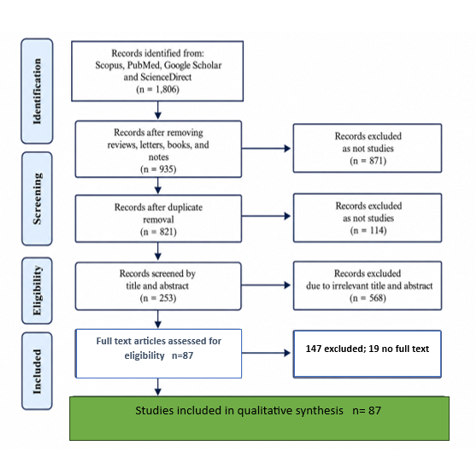
Figure 1. PRISMA diagram of the search methodology.
Full-Text: (12 Views)
Machine Learning Approaches for Heavy Metal Adsorption in Water Treatment Systems: A Systematic Review
Roghayeh Hatami 1 , Arash Dalvand 2 , Omid YousefianZadeh 3*
1 Student research committee, Shahid Sadoughi University of Medical Sciences, Yazd, Iran.
2 Environmental Science and Technology Research Center, Shahid Sadoughi University of Medical Sciences, Yazd, Iran.
3 Member of HTA&MI Research center, Shahid Sadoughi University of Medical Sciences, Yazd, Iran.
Roghayeh Hatami 1
1 Student research committee, Shahid Sadoughi University of Medical Sciences, Yazd, Iran.
2 Environmental Science and Technology Research Center, Shahid Sadoughi University of Medical Sciences, Yazd, Iran.
3 Member of HTA&MI Research center, Shahid Sadoughi University of Medical Sciences, Yazd, Iran.
| A R T I C L E I N F O | ABSTRACT | |
| REVIEW ARTICLE | Introduction: Machine learning (ML) techniques have been increasingly applied to model Heavy metals (HMs) adsorption from aqueous environments; however, variations in datasets, evaluation strategies, and reporting practices have limited the development of generalizable conclusions regarding model performance. This systematic review comparatively evaluated ML applications in heavy metal adsorption modeling and identified factors influencing predictive performance across heterogeneous adsorption systems. Methods: Peer-reviewed studies published between January 2010 and December 2024 were identified through searches of Scopus, Google Scholar, ScienceDirect, and PubMed. Risk of bias was assessed using the CASP tool, and studies were classified into single-algorithm, ensemble, and hybrid intelligent models. Results: Of 1,806 records identified, 87 studies met the eligibility criteria. Comparative analysis showed that model performance was largely context-dependent rather than algorithm-specific. Although Artificial neural networks (ANNs), ensemble methods, and hybrid models all demonstrated strong predictive capability, no approach consistently outperformed others across all conditions. Instead, predictive performance was primarily influenced by dataset size, data quality, feature selection, and system complexity. Biochar and activated carbon were the most frequently investigated adsorbents, while arsenic, lead, chromium, and cadmium were the predominant target contaminants. Conclusions: These findings suggest that model selection should be guided by dataset characteristics and application requirements rather than presumed algorithmic superiority. Standardized reporting, external validation, and greater transparency in model development are needed to improve the reliability and transferability of ML models for real-world water treatment applications. |
|
Article History: Received: 03 May 2026 Revised: 11 July 2026 Accepted: 20 July 2026 |
||
*Corresponding Author: Omid YousefianZadeh Email: o.yousefianzadeh@gmail.com Tel: +98 9139527134 |
||
Keywords: Machine Learning, Adsorption, Metals, Heavy, Water Purification, Environmental Restoration. |
Citation: Hatami R, Dalvand A, YousefianZadeh O. Machine Learning Approaches for Heavy Metal Adsorption in Water Treatment Systems: A Systematic Review. J Environ Health Sustain Dev. 2026; 11(3): 3084-98.
Introduction
The ever-increasing demand for clean water, coupled with the progressive depletion of freshwater resources driven by industrial development, population growth, and prolonged drought conditions, has become a major global challenge1. Poor drinking water quality significantly affects public health2. HMs are among the most concerning water contaminants because of their severe impacts on human health and ecosystems. These pollutants are highly stable and largely non-biodegradable, resulting in the contamination of both surface and groundwater systems3,4. HMs originate from multiple sources, including industrial effluents, domestic wastewater, atmospheric emissions, metallurgical industries, and electronic waste 5. Exposure to uncontrolled concentrations of HMs can lead to serious health consequences, including impaired growth and development, carcinogenicity, neurological disorders, and even mortality 6. For instance, short-term exposure to cobalt (Co) may cause nausea, vomiting, headaches, and altered reflexes7. Given the need to remove HMs from water resources and mitigate their environmental and health impacts8, various treatment methods have been developed, including chemical precipitation 9,10, ion exchange 11,12, reverse osmosis 13,14, adsorption 15,16, solvent extraction 17,18 and membrane filtration 19,20. However, many of these technologies are limited by high operational costs, intensive chemical consumption, substantial energy requirements, and the generation of secondary waste or residual toxicity 21. Therefore, the development of efficient, sustainable, and cost-effective approaches for metal ion removal remains essential 22. Among the available methods, adsorption has been widely recognized as an effective and economically feasible technique for heavy metal removal at both laboratory and industrial scales because of its simplicity, environmental compatibility, and high efficiency in aqueous systems 23.
In adsorbent development and separation processes, understanding the mechanisms underlying heavy metal adsorption is crucial 24. To characterize adsorbents, optimize operating conditions, improve the modeling and prediction of adsorption processes, and better understand their mechanisms, modern data-driven approaches, particularly ML, have emerged as powerful tools with considerable potential to enhance water treatment processes 25-28. ML, a subset of artificial intelligence, enables the analysis of large, complex, and multidimensional datasets to develop predictive models and improve learning performance. Various algorithms, including ANNs, random forests, gradient-boosted machines, support vector machines (SVMs), K-nearest neighbors (KNN), and decision trees, have been widely applied to model heavy metal adsorption in aquatic systems28, 29. Despite the diversity of ML algorithms and modeling strategies, systematic comparisons and critical evaluations of their predictive performance in adsorption studies remain limited. Existing reviews have primarily focused on adsorption mechanisms, experimental performance, or specific ML applications, while comprehensive comparative assessments of ML algorithms for heavy metal adsorption in water treatment systems are still lacking. Moreover, model performance, input variable importance, and generalization capability across different datasets have rarely been systematically evaluated. Therefore, this review systematically compares and critically evaluates ML approaches used to predict heavy metal adsorption, highlights their strengths, limitations, and applicability, and identifies key research gaps to guide future developments in data-driven water treatment modeling.
Methods
The review was conducted in 2026 based on the Preferred Reporting Items for Systematic Review(PRISMA)30 guidelines .
a. Defining the research question:
Based on an adapted PICO framework appropriate for methodological systematic reviews, the research questions were defined as follows:
• Population (P): Adsorption systems employed for the removal of HMs from aqueous environments using various adsorbent materials.
• Intervention (I): Application of ML algorithms to predict adsorption performance in heavy metal removal processes.
• Comparison (C): Evaluation of different ML algorithms and/or adsorbent materials in terms of their predictive performance and modeling capabilities.
• Outcome (O): Prediction accuracy and overall model performance assessed using evaluation metrics such as R², RMSE, MAE, and other relevant indicators.
b. Developing a protocol: In the second stage, relevant keywords were identified in line with the study objectives and research questions through consultation with environmental health experts and a review of the existing literature. Inclusion and exclusion criteria were then defined in accordance with the research aims. After identifying eligible studies, data extraction and analytical synthesis were performed. The review protocol was established a priori and guided all stages of study selection, data extraction, and synthesis, with no deviations from the predefined protocol during the review process.
c. Conducting a comprehensive search: To identify relevant studies, a systematic search was conducted across four databases (PubMed, Scopus, Google Scholar, and ScienceDirect) using predefined keywords and structured search strategies. The search covered studies published from 2010 to December 2024. Search strategies were developed based on the PICO framework, applying a combination of keywords and controlled vocabulary terms with appropriate Boolean operators and logical grouping. The full search strategies and keyword combinations for each database are provided in Table 1. All databases were last searched on December 31, 2024. No additional sources, including trial registries, organizational repositories, reference lists, or institutional databases, were consulted.
Table 1. Keywords and controlled vocabulary terms combination in the search strategy based on the PICO approach.
| Search strategy | Database |
| ("Machine Learning"[MeSH Terms] OR "Machine Learning"[Title/Abstract] OR "artificial intelligence"[Title/Abstract] OR "artificial neural network*"[Title/Abstract] OR "deep learning"[Title/Abstract] OR "random forest"[Title/Abstract] OR "support vector machine"[Title/Abstract] OR "support vector regression"[Title/Abstract] OR "XGBoost"[Title/Abstract] OR "ANFIS"[Title/Abstract]) AND ("predict*"[Title/Abstract] OR "model*"[Title/Abstract] OR "estimat*"[Title/Abstract]) AND ("adsorption"[Title/Abstract] OR "adsorbent*"[Title/Abstract] OR "biosorption"[Title/Abstract]) AND ("heavy metal*"[Title/Abstract] OR "metal ion*"[Title/Abstract] OR "lead"[Title/Abstract] OR "cadmium"[Title/Abstract] OR "chromium"[Title/Abstract] OR "arsenic"[Title/Abstract] OR "mercury"[Title/Abstract] OR "nickel"[Title/Abstract] OR "copper"[Title/Abstract] OR "zinc"[Title/Abstract]) AND ("water"[Title/Abstract] OR "wastewater"[Title/Abstract] OR "aqueous"[Title/Abstract]) | PubMed |
| TITLE-ABS-KEY ( "machine learning" OR "artificial intelligence" OR "artificial neural network" ) AND TITLE-ABS-KEY ( adsorption OR biosorption ) AND TITLE-ABS-KEY ( "heavy metal*" OR cadmium OR lead OR chromium OR arsenic ) AND TITLE-ABS-KEY ( "water treatment" OR "aqueous solution*" OR wastewater OR "water purification" ) | Scopus |
| ("machine learning") AND ("heavy metal") AND ("adsorption") AND (("water treatment") OR ("aqueous solution")) | Google scholar |
| ("machine learning") AND ("heavy metal") AND ("adsorption") AND (("water treatment") OR ("aqueous solution")) | Science direct |
d. Assessment and selection of studies: The search and screening process was independently conducted by two reviewers (RH and OY) and verified by a third reviewer (AD). Any disagreements were resolved through discussion and consensus, with arbitration by the third reviewer when necessary. The full screening workflow followed a structured multi-stage process, including title screening, abstract screening, and full-text assessment, with predefined inclusion and exclusion criteria applied at each stage. Duplicate records were removed using EndNote software and manual verification. For Google Scholar, only the first 200 results ranked by relevance were screened. Data extraction was independently performed by two reviewers (RH and OY) using a standardized form and cross-checked by a third reviewer (AD). No automation tools, ML-based screening systems, or semi-automated eligibility tools were used at any stage of study selection or data extraction. Inter-reviewer agreement during full-text screening was almost perfect (Cohen’s κ = 0.83).
Inclusion criteria: Studies were included if they met all of the following criteria.
Inclusion criteria: Studies were included if they met all of the following criteria.
- Published in English.
- Investigated the adsorption-based removal of HMs from aqueous solutions.
- ML algorithms or related data-driven predictive models, including ANN, SVM, deep neural networks (DNN), adaptive neuro-fuzzy inference systems (ANFIS), Kriging models, hybrid ML models, and ML models integrated with optimization techniques, have been applied to predict, model, or optimize
adsorption processes.
- Sufficient methodological details and model performance metrics were reported to enable data extraction.
- Full-text articles were accessible.
Exclusion criteria: Studies were excluded if they met the following criteria:
- It did not focus on the adsorption processes for heavy metal removal from aqueous environments.
- ML algorithms or related data-driven predictive models were not employed for adsorption prediction, modeling, or optimization.
- Optimization algorithms were used alone without an underlying predictive model.
- Review articles, conference abstracts, editorials, letters, book chapters, or other non-original research publications.
- Lacked sufficient methodological information or relevant performance outcomes.
- Full texts were unavailable.
Based on the search strategies, 1,806 studies were retrieved from four databases: Scopus (329), Science Direct (1,173), Google Scholar initially retrieved approximately 16,800 records. After applying publication-type restrictions (e.g., exclusion of review articles, books, and book chapters), approximately 3,690 records remained. Due to the large number of records, the first 200 results ranked by relevance were screened for eligibility and PubMed (104). After removing duplicates and conducting systematic screening, 90 studies were selected for inclusion in the final analysis. The study selection process is illustrated in Figure 1.
Figure 1. PRISMA diagram of the search methodology.
e. Assessment of the quality of studies:
The methodological quality of the included studies was assessed using a modified CASP-based checklist adapted for ML applications in adsorption research. Although originally developed for qualitative and health-related studies, CASP was selected due to its structured approach for evaluating methodological rigor and reporting quality, and its adaptability to predictive modeling studies. In the absence of a specific tool for ML-based adsorption studies, CASP was used
as a baseline framework, although it does not
fully capture ML-specific aspects such as hyperparameter tuning and model robustness.
The checklist included ten criteria covering study design, data quality, analysis rigor, and reporting clarity. Each item was scored as 1 (yes) or 0 (no/unclear), with total scores ranging from 0 to 10. The studies were categorized as low (0–3), moderate (4–6), or high (7–10) quality. These categories were used only for comparison purposes and not for exclusion from the study.
No formal publication bias or statistical heterogeneity analyses were performed owing to study heterogeneity.
A structured data extraction form was developed to collect general and technical information in line with the study objectives and research questions. The extracted variables included article title, authors, publication year, ML algorithms, adsorbent type, target HMs, dataset size, validation methods, performance metrics, study limitations, and reference details. A quality assessment field was added to evaluate the methodological rigor and reliability of the study. Data extraction was independently performed by two reviewers (RH and OY) and cross-checked to ensure accuracy and consistency of the data.
g. Data analysis:
Data were first extracted using content analysis and then organized in Microsoft Excel for descriptive statistics and frequency analysis. The results summarized the characteristics of heavy metal adsorption in water treatment using ML methods, and findings were presented in tabulated form. The study protocol was approved by the Ethics Committee of Shahid Sadoughi University of Medical Sciences, Yazd (Project No. 19815; Ethics Code: IR.SSU.SPH.REC.1403.156; Approval Date: January 5, 2025). Effect measures (R², RMSE, MAE, and related metrics) were used solely for comparative interpretation and ranking of model performance rather than for statistical pooling or meta-analysis.
i. Risk of bias and certainty of evidence:
The certainty of evidence was assessed qualitatively based on study quality, dataset size, and validation robustness. No formal GRADE assessment was performed due to heterogeneity of ML methodologies.
j. Additional analyses:
No sensitivity analysis, subgroup analysis, or meta-regression was performed because of heterogeneity.
Results
The results were synthesized from 87 peer-reviewed studies. A detailed summary of the included studies is provided in the appendices. Appendix Table 1 presents studies that employed a specific machine learning (ML) model to predict heavy metal (HM) adsorption, whereas Appendix Table 2 summarizes studies that applied and compared multiple ML models for HM adsorption prediction. These tables provide detailed information on the characteristics of the studies, modeling approaches, and reported findings.
Direct quantitative comparison of performance metrics (R², RMSE, and MAE) across studies was not considered statistically appropriate because of substantial heterogeneity in dataset characteristics, adsorption systems, adsorbents, target heavy metals, and validation strategies. Therefore, studies were grouped into single models, ensemble methods, and hybrid systems, and findings were synthesized based on performance trends and consistency within each category while preserving the context of the original studies. Validation approaches, including k-fold cross-validation, hold-out testing, and independent validation datasets, were also considered when interpreting model reliability, with greater emphasis placed on studies employing more rigorous validation strategies.
Discussion
The critical synthesis of machine learning applications in HMs adsorption reveals that model performance is highly context-dependent rather than universally dominated by a single algorithm. While ANNs frequently achieve high predictive accuracy (R 2 >0.99 R 2 ≈0.994 R 2
A systematic evaluation of the reviewed literature highlights a pervasive methodological concern: the reliance on small datasets without adequate validation protocols, which significantly increases the risk of overfitting. As detailed in Table 3, numerous studies utilized datasets with fewer than 100 experimental points, 43, 49, 61, 70, 89, yet reported near-perfect metrics (R 2 >0.99 R 2 R 2 R 2 R 2 ≈0.92 0.97
Furthermore, the majority of reviewed studies relied solely on internal validation metrics derived from random train/test splits, failing to account for structural biases in experimental data collection. Only a minority of studies employed external validation using completely independent datasets sourced from different laboratories or real-world conditions 33, 36, 40, 47, 57. The absence of external validation limits the translational potential of these models from laboratory bench-scale to industrial applications, as seen in 44, 55, 60 where models were strictly confined to synthetic solutions. Additionally, the "black-box" nature of high-performing ANN models hinders mechanistic understanding, a limitation that tree-based models like RF and XGBoost address through inherent interpretability features. Recent studies have begun to bridge this gap by integrating SHAP (SHapley Additive exPlanations) values with ML models; for example, 48 used XGBoost coupled with SHAP analysis to identify key features influencing fluoride and arsenic removal, providing actionable insights for adsorbent design that pure ANN models could not offer. In conclusion, there is no single "best" ML algorithm for heavy metal adsorption modeling; while ANNs remain powerful for large, clean datasets[34, 84, ensemble methods offer a more robust and generalizable alternative for smaller or heterogeneous datasets 36, 37, 57, 58, provided that rigorous validation protocols, including external testing, are adopted to ensure real-world applicability 33, 40, 47. Future research should prioritize the development of large, high-quality datasets, standardized validation frameworks, and hybrid interpretable models that combine predictive accuracy with mechanistic insight
Conclusion
This review establishes that the efficacy of ML in MLs adsorption is not determined by algorithmic complexity alone, but by the rigor of data curation and validation protocols. While ANNs remain powerful for capturing non-linear dynamics in controlled settings, the demonstrated robustness of ensemble methods like RF and GBDT in heterogeneous and smaller datasets necessitates a shift away from the default preference for deep learning architectures. The critical bottleneck preventing the transition of these models from laboratory explorations to industrial deployment is the prevalence of small, siloed datasets and the absence of external validation. To bridge this gap, future research must prioritize the creation of standardized, open-access repositories of adsorption data that encompass real-world water matrices, thereby enabling the development of models with true generalizability beyond synthetic conditions. Furthermore, the integration of explainable AI (XAI) techniques, such as SHAP analysis, is essential to transform ML from a "black-box" predictor into a tool for mechanistic discovery, allowing engineers to optimize adsorbent design based on interpretable feature contributions. Ultimately, the successful implementation of ML in water treatment systems will depend on hybrid frameworks that couple high-accuracy predictions with physical constraints, ensuring that digital solutions are both scientifically robust and practically scalable for sustainable environmental remediation.
Funding
This research was supported by the Shahid Sadoughi University of Medical Sciences (Grant No. 19815). Although this study was a systematic review based exclusively on published literature and did not involve human participants, animals, or primary data collection, an ethics approval code (IR.SSU.SPH.REC.1403.156) was assigned according to the institutional requirements of Shahid Sadoughi University of Medical Sciences for registered research projects.
Declaration of competing interest
The authors declare that they have no known competing financial interests or personal relationships that could have influenced the work reported in this paper.
Limitations
Several limitations of this systematic review should be acknowledged. First, the review was based on studies indexed in Scopus, PubMed, ScienceDirect, and Google Scholar, and relevant studies indexed in other databases may have been missed. Second, only published studies were included, which may introduce publication bias. Third, substantial heterogeneity existed among the included studies in terms of heavy metal types, adsorbent materials, machine learning algorithms, dataset characteristics, and performance evaluation metrics, which limited direct quantitative comparison and precluded meta-analysis. In addition, the predictive performance of machine learning models may have been influenced by variations in data quality, sample size, feature selection approaches, and validation strategies across studies. The non-exhaustive nature of Google Scholar may also have contributed to potential omission of relevant studies. Furthermore, this review was limited by the absence of a standardized risk-of-bias assessment tool specifically designed for machine learning-based adsorption modeling studies, necessitating the use of a modified CASP framework. Finally, this review focused exclusively on machine learning-based approaches and did not evaluate other mechanistic or empirical modeling techniques that may also be relevant for adsorption process prediction. Therefore, the findings should be interpreted in light of these limitations.
Registration
The review protocol was prospectively registered in the PROSPERO database (Registration No: CRD420261422875).
Acknowledgements
The authors thank Shahid Sadoughi University of Medical Sciences for supporting this research.
Conflict of Interest
The authors declare no conflict of interest.
Funding
This study was supported by the Student research committee at Shahid Sadoughi University of Medical Sciences.
Ethical Considerations
Not applicable. (Since this study is a systematic review of existing literature).
Code of Ethics
This study was approved by the Ethics Committee of Shahid Sadoughi University of Medical Sciences (Ethics Code: IR.SSU.REC.1403.156)
Authors' contribution
O, Y: Validation; Project administration; literature review, Investigation; Data curation.
R, H: Writing – original draft, literature review, Investigation, software analysis.
A, D: Writing – original draft, Supervision, review & editing, Validation.
This is an Open-Access article distributed in accordance with the terms of the Creative Commons Attribution (CC BY 4.0) license, which permits others to distribute, remix, adapt, and build upon this work for commercial use.
References
1. Bodzek M, Rajca M. Photocatalysis in the treatment and disinfection of water. Part I. Theoretical backgrounds/Fotokataliza w oczyszczaniu i dezynfekcji wody część i. podstawy teoretyczne . Ecological Chemistry and Engineering S. 2012;19(4):489-512.
2. Li P, Wu J. Drinking water quality and public health. Expo Health. 2019;11(2):73-9.
3. Kumar V, Parihar RD, Sharma A, et al. Global evaluation of heavy metal content in surface water bodies: a meta-analysis using heavy metal pollution indices and multivariate statistical analyses. Chemosphere. 2019;236:124364.
4. Mokarram M, Saber A, Sheykhi V. Effects of heavy metal contamination on river water quality due to release of industrial effluents. J Clean Prod. 2020;277:123380.
5. Sonone SS, Jadhav S, Sankhla MS, et al. Water contamination by heavy metals and their toxic effect on aquaculture and human health through food Chain. Letters in Applied NanoBioScience. 2020;10(2):2148-66.
6. Fallahzadeh RA, Ghaneian MT, Miri M, et al. Spatial analysis and health risk assessment of heavy metals concentration in drinking water resources. Environ Sci Pollut Res Int. 2017;24:24790-802.
7. Bordoloi N, Goswami R, Kumar M, et al. Biosorption of Co (II) from aqueous solution using algal biochar: Kinetics and isotherm studies. Bioresour Technol. 2017;244:1465-9.
8. Chen X, Hossain MF, Duan C, et al. Isotherm models for adsorption of heavy metals from water-a review. Chemosphere. 2022;307:135545.
9. Mauchauffée S, Meux E. Use of sodium decanoate for selective precipitation of metals contained in industrial wastewater. Chemosphere. 2007;69(5):763-8.
10. Chen Q, Yao Y, Li X, et al. Comparison of heavy metal removals from aqueous solutions by chemical precipitation and characteristics of precipitates. J Water Process Eng. 2018;26:289-300.
11. Verma V, Tewari S, Rai J. Ion exchange during heavy metal bio-sorption from aqueous solution by dried biomass of macrophytes. Bioresour Technol. 2008;99(6):1932-8.
12. Rengaraj S, Joo CK, Kim Y, et al. Kinetics of removal of chromium from water and electronic process wastewater by ion exchange resins: 1200H, 1500H and IRN97H. J Hazard Mater. 2003;102(2-3):257-75.
13. Yoon J, Amy G, Chung J, et al. Removal of toxic ions (chromate, arsenate, and perchlorate) using reverse osmosis, nanofiltration, and ultrafiltration membranes. Chemosphere. 2009;77(2):228-35.
14. Ning RY. Arsenic removal by reverse osmosis. Desalination. 2002;143(3):237-41.
15. Ali I, Gupta V. Advances in water treatment by adsorption technology. Nat Protoc. 2006;1(6):2661-7.
16. Wang Y, Peng C, Padilla-Ortega E, et al. Cr (VI) adsorption on activated carbon: mechanisms, modeling and limitations in water treatment. J Environ Chem Eng. 2020;8(4):104031.
17. Lertlapwasin R, Bhawawet N, Imyim A, et al. Ionic liquid extraction of heavy metal ions by 2-aminothiophenol in 1-butyl-3-methylimidazolium hexafluorophosphate and their association constants. Sep Purif Technol. 2010;72(1):70-6.
18. Rodrigues GD, da Silva MdCH, da Silva LHM, et al. Liquid–liquid extraction of metal ions without use of organic solvent. Sep Purif Technol. 2008;62(3):687-93.
19. Landaburu-Aguirre J, Pongrácz E, Perämäki P, et al. Micellar-enhanced ultrafiltration for the removal of cadmium and zinc: use of response surface methodology to improve understanding of process performance and optimisation. J Hazard Mater. 2010;180(1-3):524-34.
20. Xu K, Zeng G-m, Huang J-h, et al. Removal of Cd2+ from synthetic wastewater using micellar-enhanced ultrafiltration with hollow fiber membrane. Colloids Surf A Physicochem Eng Asp. 2007;294(1-3):140-6.
21. Maneechakr P, Karnjanakom S. Adsorption behaviour of Fe (II) and Cr (VI) on activated carbon: Surface chemistry, isotherm, kinetic and thermodynamic studies. J Chem Thermodyn. 2017;106:104-12.
22. Goyal N, Jain S, Banerjee U. Comparative studies on the microbial adsorption of heavy metals. Advances in Environmental Research. 2003;7(2):311-9.
23. Alipour D, Keshtkar AR, Moosavian MA. Adsorption of thorium (IV) from simulated radioactive solutions using a novel electrospun PVA/TiO2/ZnO nanofiber adsorbent functionalized with mercapto groups: Study in single and multi-component systems. Appl Surf Sci. 2016;366:19-29.
24. Türkmen D, Bakhshpour M, Akgönüllü S, et al. Heavy metal ions removal from wastewater using cryogels: a review. Front Sustain (Lausanne). 2022;3:765592.
25. Bac BH, Nguyen H, Thao NTT, et al. Performance evaluation of nanotubular halloysites from weathered pegmatites in removing heavy metals from water through novel artificial intelligence-based models and human-based optimization algorithm. Chemosphere. 2021;282:131012.
26. Eto H. The suitability of technology forecasting/foresight methods for decision systems and strategy: a Japanese view. Technol Forecast Soc Change. 2003;70(3):231-49.
27. Odabaşı Ç, Dologlu P, Gülmez F, et al. Investigation of the factors affecting reverse osmosis membrane performance using machine-learning techniques. Comput Chem Eng. 2022;159:107669.
28. Shi L, Li J, Palansooriya KN, et al. Modeling phytoremediation of heavy metal contaminated soils through machine learning. J Hazard Mater. 2023;441:129904.
29. Mahesh B. Machine learning algorithms-a review. Int J Sci Res.[Internet]. 2020;9(1):381-6.
30. Moher D, Liberati A, Tetzlaff J, et al. Preferred reporting items for systematic reviews and meta-analyses: the PRISMA statement. Ann Intern Med. 2009;151(4):264-9.
31. Juturu R, Murty VR, Selvaraj R. Efficient adsorption of Cr (VI) onto hematite nanoparticles: ANN, ANFIS modelling, isotherm, kinetic, thermodynamic studies and mechanistic insights. Chemosphere. 2024;349:140731.
32. Mirza NH, Fujino T. Prediction of arsenic (III) adsorption from aqueous solution using non-neural network algorithms. Emerging Contaminants and Environmental Health. 2024;3(4):N-A.
33. Zhang W, Ashraf WM, Senadheera SS, et al. Machine learning based prediction and experimental validation of arsenite and arsenate sorption on biochars. Sci Total Environ. 2023;904:166678.
34. Farooq MU, Khan H, Arshad M, et al. Unveiling the biosorption performance of silk fibroin fiber for Pb (II) and Cr (VI) removal: machine learning and DFT analysis. J Water Process Eng. 2024;68:106312.
35. Rashidi S, Salimi F, Karami C, et al. Removing silver ions from aqueous solution through a modified graphene oxide adsorbent: mechanism and machine learning. Chem Eng Sci. 2024;284:119451.
36. Yuan L, Xu M, Zhang Y, et al. Machine learning-assisted screening of metal-organic frameworks (MOFs) for the removal of heavy metals in aqueous solution. Sep Purif Technol. 2024;339:126732.
37. Lin Z, Cai H, Peng H, et al. Enhancing arsenate removal through interpretable machine learning guiding the modular design of metal–organic frameworks. Chemical Engineering Journal. 2024;497:155058.
38. Long X, Huangfu X, Huang R, et al. The application of machine learning methods for prediction of heavy metal by activated carbons, biochars, and carbon nanotubes. Chemosphere. 2024;354:141584.
39. Yang Q, Yang S, Tu C, et al. Amino-functionalized magnetic humic acid nanoparticles for enhanced Pb (II) adsorption: mechanism analysis and machine learning prediction. J Environ Chem Eng. 2024;12(5):113956.
40. Xiong T, Cui J, Hou Z, et al. Prediction of arsenic adsorption onto metal organic frameworks and adsorption mechanisms interpretation by machine learning. J Environ Manage. 2023;347:119065.
41. Sadek AH, Fahmy OM, Nasr M, et al. Predicting Cu(II) adsorption from aqueous solutions onto nano Zero-Valent Aluminum (nZVAl) by machine learning and artificial intelligence techniques. Sustainability. 2023;15(3).
42. Lingamdinne LP, Amelirad O, Koduru JR, et al. Functionalized bentonite for removal of Pb (II) and As (V) from surface water: predicting capability and mechanism using artificial neural network. J Water Process Eng. 2023;51:103386.
43. Ismail UM, Onaizi SA, Vohra MS. Aqueous Pb (II) removal using ZIF-60: adsorption studies, response surface methodology and machine learning predictions. Nanomaterials. 2023;13(8):1402.
44. Abedpour H, Moghaddas J, Sori A, et al. Experimental study and machine learning simulation of Pb (II) separation from aqueous solutions via a nanocomposite adsorbent. J Taiwan Inst Chem Eng. 2023;147:104923.
45. Paranjape P, Sadgir P. Biomass-based iron removal: adsorption kinetics, isotherm and machine learning modelling with Ocimum sanctum and Syzygium cumini. KSCE Journal of Civil Engineering. 2023;27(12):5090-108.
46. Maamoun I, Rushdi MA, Falyouna O, et al. Insights into machine-learning modeling for Cr (VI) removal from contaminated water using nano-nickel hydroxide. Sep Purif Technol. 2023;308:122863.
47. Zhao F, Tang L, Jiang H, et al. Prediction of heavy metals adsorption by hydrochars and identification of critical factors using machine learning algorithms. Bioresour Technol. 2023;383:129223.
48. Guo F, Ren Y, Cui M, et al. Iron and aluminum based beaded sorbents for removing arsenic and fluorine from water: application of machine learning for material selection. Journal of Industrial and Engineering Chemistry. 2023;128:597-608.
49. Hu X, Alsaikhan F, Majdi HS, et al. Predictive modeling and computational machine learning simulation of adsorption separation using advanced nanocomposite materials. Arab J Chem. 2022;15(9):104062.
50. Zheng X, Nguyen H. A novel artificial intelligent model for predicting water treatment efficiency of various biochar systems based on artificial neural network and queuing search algorithm. Chemosphere. 2022;287:132251.
51. Zhao Y, Li Y, Fan D, et al. Application of kernel extreme learning machine and Kriging model in prediction of heavy metals removal by biochar. Bioresour Technol. 2021;329:124876.
52. Hafsa N, Al‐Yaari M, Rushd S. Prediction of arsenic removal in aqueous solutions with non‐neural network algorithms. Can J Chem Eng. 2021;99:S135-S46.
53. Ke B, Nguyen H, Bui X-N, et al. Prediction of the sorption efficiency of heavy metal onto biochar using a robust combination of fuzzy C-means clustering and back-propagation neural network. J Environ Manage. 2021;293:112808.
54. Ke B, Nguyen H, Bui X-N, et al. Predicting the sorption efficiency of heavy metal based on the biochar characteristics, metal sources, and environmental conditions using various novel hybrid machine learning models. Chemosphere. 2021;276:130204.
55. Foroughi M, Azqhandi MHA. A biological-based adsorbent for a non-biodegradable pollutant: Modeling and optimization of Pb (II) remediation using GO-CS-Fe3O4-EDTA nanocomposite. J Mol Liq. 2020;318:114077.
56. Baruah J, Chaliha C, Kalita E, et al. Modelling and optimization of factors influencing adsorptive performance of agrowaste-derived Nanocellulose Iron Oxide Nanobiocomposites during remediation of Arsenic contaminated groundwater. Int J Biol Macromol. 2020;164:53-65.
57. Rodríguez-Romero JA, Mendoza-Castillo DI, Reynel-Ávila HE, et al. Preparation of a new adsorbent for the removal of arsenic and its simulation with artificial neural network-based adsorption models. J Environ Chem Eng. 2020;8(4).
58. Zhu X, Wang X, Ok YS. The application of machine learning methods for prediction of metal sorption onto biochars. J Hazard Mater. 2019;378:120727.
59. Fiyadh SS, AlOmar MK, Binti Jaafar WZ, et al. Artificial neural network approach for modelling of mercury ions removal from water using functionalized CNTs with Deep Eutectic Solvent. Int J Mol Sci. 2019;20(17).
60. Zhang Y, Dai M, Liu K, et al. Appraisal of Cu(ii) adsorption by graphene oxide and its modelling via artificial neural network. RSC Adv. 2019;9(52):30240-8.
61. Popoola LT. Nano-magnetic walnut shell-rice husk for Cd(II) sorption: design and optimization using artificial intelligence and design expert. Heliyon. 2019;5(8).
62. Fiyadh SS, Alsaadi MA, Alomar MK, et al. Lead removal from water using DES functionalized CNTs: ANN modeling approach. Desalination Water Treat. 2019;150:105-13.
63. Ashan SK, Ziaeifar N, Khalilnezhad R. Artificial neural network modelling of Cr(VI) surface adsorption with NiO nanoparticles using the results obtained from optimization of response surface methodology. Neural Comput Appl. 2018;29(10):969-79.
64. Karri RR, Sahu JN. Process optimization and adsorption modeling using activated carbon derived from palm oil kernel shell for Zn (II) disposal from the aqueous environment using differential evolution embedded neural network. J Mol Liq. 2018;265:592-602.
65. Solgi M, Najib T, Ahmadnejad S, et al. Synthesis and characterization of novel activated carbon from Medlar seed for chromium removal: experimental analysis and modeling with artificial neural network and support vector regression. Resource-Efficient Technologies. 2017;3(3):236-48.
66. Banerjee M, Bar N, Basu RK, et al. Comparative study of adsorptive removal of Cr(VI) ion from aqueous solution in fixed bed column by peanut shell and almond shell using empirical models and ANN. Environ Sci Pollut Res Int. 2017;24(11):10604-20.
67. Fan M, Li T, Hu J, et al. Artificial neural network modeling and genetic algorithm optimization for cadmium removal from aqueous solutions by reduced graphene oxide-supported nanoscale zero-valent iron (nZVI/rGO) composites. Materials. 2017;10(5).
68. Fiyadh SS, AlSaadi MA, AlOmar MK, et al. The modelling of arsenic removal from water by deep eutectic solvents functionalized CNTs: artificial neural network (ANN) approach. Desalination Water Treat. 2017;94:189-97.
69. Fiyadh SS, Alsaadi MA, AlOmar MK, et al. The modelling of lead removal from water by deep eutectic solvents functionalized CNTs: artificial neural network (ANN) approach. Water Science and Technology. 2017;76(9):2413-26.
70. Mondal S, Aikat K, Halder G. Biosorptive uptake of arsenic(V) by steam activated carbon from mung bean husk: equilibrium, kinetics, thermodynamics and modeling. Appl Water Sci. 2017;7(8):4479-95.
71. Darajeh N, Fard Masoumi HR, Kalantari K, et al. Optimization of process parameters for rapid adsorption of Pb(II), Ni(II), and Cu(II) by magnetic/talc nanocomposite using wavelet neural network. Research on Chemical Intermediates. 2016;42(3):1977-87.
72. Hossain A, Bhattacharyya SR, Aditya G. Biosorption of cadmium from aqueous solution by shell dust of the freshwater snail Lymnaea luteola. Environ Technol Innov. 2015;4:82-91.
73. Gnanasangeetha D, Sarala Thambavani D. Modelling and biosorption competence of zinc oxide nanoparticle. Nature Environment and Pollution Technology. 2015;14(2):445-9.
74. Hlihor RM, Diaconu M, Leon F, et al. Experimental analysis and mathematical prediction of Cd(II) removal by biosorption using support vector machines and genetic algorithms. N Biotechnol. 2015;32(3):358-68.
75. Bingöl D, Hercan M, Elevli S, et al. Comparison of the results of response surface methodology and artificial neural network for the biosorption of lead using black cumin. Bioresour Technol. 2012;112:111-5.
76. Asl SH, Ahmadi M, Ghiasvand M, et al. Artificial neural network (ANN) approach for modeling of Cr(VI) adsorption from aqueous solution by zeolite prepared from raw fly ash (ZFA). Journal of Industrial and Engineering Chemistry. 2013;19(3):1044-55.
77. Dlamini DS, Mishra AK, Mamba BB. ANN modeling in Pb(II) removal from water by clay-polymer composites fabricated via the melt-blending. J Appl Polym Sci. 2013;130(6):3894-901.
78. Dubey CS, Usham AL, Raj S, et al. Utilization of natural zeolite (Scolecite) to reduce arsenic contamination of water in relation to machine learning approach. Water Air Soil Pollut. 2024;235(2):129.
79. Mirza NH, Fujino T. Aqueous arsenic (III) removal using a novel solid waste based porous filter media block: traditional and machine learning (ML) approaches. Desalination Water Treat. 2024;319:100536.
80. Takarina N, Matsue N, Johan E, et al. Machine learning using random forest to model heavy metals removal efficiency using a zeolite-embedded sheet in water. Glob J Environ Sci Manag. 2024;10(1):321-36.
81. Guo L, Xu X, Niu C, et al. Machine learning-based prediction and experimental validation of heavy metal adsorption capacity of bentonite. Sci Total Environ. 2024;926:171986.
82. Göde F, Yılmaz A, Aktaş AH, et al. Artificial neural network approach to model Cr(III) and Cr(VI) adsorption by NCS, ACS and BCS. Appl Water Sci. 2024;14(2).
83. Enferadi S, Eftekhari M, Gheibi M, et al. Modelling and optimising the performance of graphene oxide-Cu(2)SnS(3)-polyaniline nanocomposite as an adsorbent for mercury ion removal. Environ Sci Pollut Res Int. 2024;31(26):38196-216.
84. Bouarar H, Bouhedda M, Cherifi H. Predictive model based on artificial neural network for estimating the adsorption of nickel and lead on a natural and synthetic support. Desalination Water Treat. 2023;316:419-30.
85. Oguz E. ANNs modeling of the normal and modified biosorbent capacities using two outputs in the removal of Pb (II). Int J Environ Sci Technol (Tehran). 2023;20(5):5143-54.
86. Zolgharnein J, Shariatmanesh T, Farahani SD. Artificial neural network (ANN) modeling for simultaneous removal of a binary mixture of Pb(II) and Cu(II) by cobalt hydroxide nano-flakes. J Chemom. 2023;37(4).
87. Jaffari ZH, Abbas A, Umer M, et al. Crystal graph convolution neural networks for fast and accurate prediction of adsorption ability of Nb2CTx towards Pb(ii) and Cd(ii) ions. J Mater Chem A Mater. 2023;11(16):9009-18.
88. Meena G, Rawal N. Artificial neural network modeling for adsorption efficiency of Cr(VI) ion from aqueous solution using waste tire activated carbon. Nature Environment and Pollution Technology. 2023;22(3):1481-91.
89. Kaya N, Erdem F. Artificial neural network approach for lead removal from aqueous solution by agricultural waste derived biochars. Sigma Journal of Engineering and Natural Sciences. 2023;41(1):64-73.
90. Yan C, Wang X, Xia S, et al. Mechanistic insights into the removal of As(III) and As(V) by iron modified carbon based materials with the aid of machine learning. Chemosphere. 2023;321:138125.
91. Syah R, Piri F, Elveny M, et al. Artificial Intelligence simulation of water treatment using nanostructure composite ordered materials. J Mol Liq. 2022;345:117046.
92. Liu R, Zuo L, Zhang P, et al. A deep learning neural network approach for predicting the factors influencing heavy-metal adsorption by clay minerals. Clay Miner. 2022;57(1):70-6.
93. Uthayakumar H, Radhakrishnan P, Shanmugam K, et al. Growth of MWCNTs from Azadirachta indica oil for optimization of chromium(VI) removal efficiency using machine learning approach. Environ Sci Pollut Res Int. 2022;29(23):34841-60.
94. Mu’Azu ND. Insight into ANN and RSM models’ predictive performance for mechanistic aspects of Cr(VI) uptake by layered double hydroxide nanocomposites from water. Water (Switzerland). 2022;14(10).
95. Kaya N, Erdem F. Modeling of copper removal from aqueous solutions by using carbon-based adsorbents derived from hazelnut and walnut shells by artificial neural network. Sigma Journal of Engineering and Natural Sciences. 2022;40(4):695-704.
96. Sarkar S, Bar N, Das SK. Cr(VI) and Cu(II) removal from aqueous solution in fixed bed column using rice bran; experimental, statistical and GA modelling. Journal of the Indian Chemical Society. 2021;98(11).
97. Vinayagam R, Dave N, Varadavenkatesan T, et al. Artificial neural network and statistical modelling of biosorptive removal of hexavalent chromium using macroalgal spent biomass. Chemosphere. 2022;296.
98. Sivamani S, Prasad BSN, Nithya K, et al. Back-propagation neural network: Box–Behnken design modelling for optimization of copper adsorption on orange zest biochar. Int J Environ Sci Technol (Tehran). 2022;19(5):4321-36.
99. Bac BH, Nguyen H, Thao NTT, et al. Estimating heavy metals absorption efficiency in an aqueous solution using nanotube-type halloysite from weathered pegmatites and a novel Harris hawks optimization-based multiple layers perceptron neural network. Eng Comput. 2022;38:4257-72.
100. Yadav MK, Gupta AK, Ghosal PS, et al. Effect of coexisting ions on adsorptive removal of arsenate by Mg-Fe-(CO3) LDH: multi-component adsorption and ANN-based multivariate modeling. J Environ Sci Health A Tox Hazard Subst Environ Eng. 2021;56(5):572-84.
101. Wu X, Hu J, Wang X, et al. Effective removal of arsenide from aqueous solutions using mesoporous CoFe2O4/graphene oxide nanocomposites assisted by artificial intelligence. Carbon Lett (Korean Carbon Soc). 2021;31(6):1163-78.
102. Prabhakar R, Samadder SR. Use of adsorption-influencing parameters for designing the batch adsorber and neural network–based prediction modelling for the aqueous arsenate removal using combustion synthesised nano-alumina. Environ Sci Pollut Res Int. 2020;27(21):26367-84.
103. Syah R, Al-Khowarizmi A, Elveny M, et al. Machine learning based simulation of water treatment using LDH/MOF nanocomposites. Environ Technol Innov. 2021;23:101805.
104. Wei Y, Yu J, Du Y, et al. Artificial intelligence simulation of Pb (II) and Cd (II) adsorption using a novel metal organic framework-based nanocomposite adsorbent. J Mol Liq. 2021;343:117681.
105. Devani MA, Oubagaranadin JUK, Munshi B, et al. BP-ANN approach for modeling Cd(II) bio-sorption from aqueous solutions using Cajanus cajan husk. Iranian Journal of Chemistry and Chemical Engineering. 2019;38(1):111-25.
106. Ilaboya I, Izinyon O. Modeling and prediction of sorption of Pb (II) and Mn (II) ions from aqueous solution onto acid activated shale using statistical design of experiment (DOE) and modular neural network (MNN). Journal of Civil and Environmental Systems Engineering. 2019;17(1):113-24.
107. Nag S, Mondal A, Roy DN, et al. Sustainable bioremediation of Cd(II) from aqueous solution using natural waste materials: kinetics, equilibrium, thermodynamics, toxicity studies and GA-ANN hybrid modelling. Environ Technol Innov. 2018;11:83-104.
108. Moreno-Pérez J, Bonilla-Petriciolet A, Mendoza-Castillo DI, et al. Artificial neural network-based surrogate modeling of multi-component dynamic adsorption of heavy metals with a biochar. J Environ Chem Eng. 2018;6(4):5389-400.
109. Aditya G, Hossain A. Valorization of aquaculture waste in removal of cadmium from aqueous solution: optimization by kinetics and ANN analysis. Appl Water Sci. 2018;8(2).
110. Selvanathan M, Yann KT, Chung CH, et al. Adsorption of Copper(II) ion from aqueous solution using biochar derived from rambutan (nepheliumlappaceum) peel: feedforward neural network modelling study. Water Air Soil Pollut. 2017;228(8).
111. Fawzy M, Nasr M, Adel S, et al. Environmental approach and artificial intelligence for Ni(II) and Cd(II) biosorption from aqueous solution using Typha domingensis biomass. Ecol Eng. 2016;95:743-52.
112. Kavitha B, Sarala Thambavani D. Kinetics, equilibrium isotherm and neural network modeling studies for the sorption of hexavalent chromium from aqueous solution by quartz/feldspar/wollastonite. RSC Adv. 2016;6(7):5837-47.
113. Gnanasangeetha D, SaralaThambavani D. Modelling of As3+ adsorption from aqueous solution using Azadirachta indica by artificial neural network. Desalination Water Treat. 2015;56(7):1839-54.
114. Singh K, Arora JK, Sinha TJM, et al. Functionalization of nanocrystalline cellulose for decontamination of Cr(III) and Cr(VI) from aqueous system: computational modeling approach. Clean Technol Environ Policy. 2014;16(6):1179-91.
115. Jaafarzadeh N, Ahmadi M, Amiri H, et al. Predicting Fenton modification of solid waste vegetable oil industry for arsenic removal using artificial neural networks. J Taiwan Inst Chem Eng. 2012;43(6):873-8.
116. Singha B, Bar N, Das SK. The use of artificial neural networks (ANN) for modeling of adsorption of Cr(VI) ions. Desalination Water Treat. 2014;52(1-3):415-25.
Data were first extracted using content analysis and then organized in Microsoft Excel for descriptive statistics and frequency analysis. The results summarized the characteristics of heavy metal adsorption in water treatment using ML methods, and findings were presented in tabulated form. The study protocol was approved by the Ethics Committee of Shahid Sadoughi University of Medical Sciences, Yazd (Project No. 19815; Ethics Code: IR.SSU.SPH.REC.1403.156; Approval Date: January 5, 2025). Effect measures (R², RMSE, MAE, and related metrics) were used solely for comparative interpretation and ranking of model performance rather than for statistical pooling or meta-analysis.
i. Risk of bias and certainty of evidence:
The certainty of evidence was assessed qualitatively based on study quality, dataset size, and validation robustness. No formal GRADE assessment was performed due to heterogeneity of ML methodologies.
j. Additional analyses:
No sensitivity analysis, subgroup analysis, or meta-regression was performed because of heterogeneity.
Results
The results were synthesized from 87 peer-reviewed studies. A detailed summary of the included studies is provided in the appendices. Appendix Table 1 presents studies that employed a specific machine learning (ML) model to predict heavy metal (HM) adsorption, whereas Appendix Table 2 summarizes studies that applied and compared multiple ML models for HM adsorption prediction. These tables provide detailed information on the characteristics of the studies, modeling approaches, and reported findings.
Direct quantitative comparison of performance metrics (R², RMSE, and MAE) across studies was not considered statistically appropriate because of substantial heterogeneity in dataset characteristics, adsorption systems, adsorbents, target heavy metals, and validation strategies. Therefore, studies were grouped into single models, ensemble methods, and hybrid systems, and findings were synthesized based on performance trends and consistency within each category while preserving the context of the original studies. Validation approaches, including k-fold cross-validation, hold-out testing, and independent validation datasets, were also considered when interpreting model reliability, with greater emphasis placed on studies employing more rigorous validation strategies.
Discussion
The critical synthesis of machine learning applications in HMs adsorption reveals that model performance is highly context-dependent rather than universally dominated by a single algorithm. While ANNs frequently achieve high predictive accuracy (
A systematic evaluation of the reviewed literature highlights a pervasive methodological concern: the reliance on small datasets without adequate validation protocols, which significantly increases the risk of overfitting. As detailed in Table 3, numerous studies utilized datasets with fewer than 100 experimental points, 43, 49, 61, 70, 89, yet reported near-perfect metrics (
Furthermore, the majority of reviewed studies relied solely on internal validation metrics derived from random train/test splits, failing to account for structural biases in experimental data collection. Only a minority of studies employed external validation using completely independent datasets sourced from different laboratories or real-world conditions 33, 36, 40, 47, 57. The absence of external validation limits the translational potential of these models from laboratory bench-scale to industrial applications, as seen in 44, 55, 60 where models were strictly confined to synthetic solutions. Additionally, the "black-box" nature of high-performing ANN models hinders mechanistic understanding, a limitation that tree-based models like RF and XGBoost address through inherent interpretability features. Recent studies have begun to bridge this gap by integrating SHAP (SHapley Additive exPlanations) values with ML models; for example, 48 used XGBoost coupled with SHAP analysis to identify key features influencing fluoride and arsenic removal, providing actionable insights for adsorbent design that pure ANN models could not offer. In conclusion, there is no single "best" ML algorithm for heavy metal adsorption modeling; while ANNs remain powerful for large, clean datasets[34, 84, ensemble methods offer a more robust and generalizable alternative for smaller or heterogeneous datasets 36, 37, 57, 58, provided that rigorous validation protocols, including external testing, are adopted to ensure real-world applicability 33, 40, 47. Future research should prioritize the development of large, high-quality datasets, standardized validation frameworks, and hybrid interpretable models that combine predictive accuracy with mechanistic insight
Conclusion
This review establishes that the efficacy of ML in MLs adsorption is not determined by algorithmic complexity alone, but by the rigor of data curation and validation protocols. While ANNs remain powerful for capturing non-linear dynamics in controlled settings, the demonstrated robustness of ensemble methods like RF and GBDT in heterogeneous and smaller datasets necessitates a shift away from the default preference for deep learning architectures. The critical bottleneck preventing the transition of these models from laboratory explorations to industrial deployment is the prevalence of small, siloed datasets and the absence of external validation. To bridge this gap, future research must prioritize the creation of standardized, open-access repositories of adsorption data that encompass real-world water matrices, thereby enabling the development of models with true generalizability beyond synthetic conditions. Furthermore, the integration of explainable AI (XAI) techniques, such as SHAP analysis, is essential to transform ML from a "black-box" predictor into a tool for mechanistic discovery, allowing engineers to optimize adsorbent design based on interpretable feature contributions. Ultimately, the successful implementation of ML in water treatment systems will depend on hybrid frameworks that couple high-accuracy predictions with physical constraints, ensuring that digital solutions are both scientifically robust and practically scalable for sustainable environmental remediation.
Funding
This research was supported by the Shahid Sadoughi University of Medical Sciences (Grant No. 19815). Although this study was a systematic review based exclusively on published literature and did not involve human participants, animals, or primary data collection, an ethics approval code (IR.SSU.SPH.REC.1403.156) was assigned according to the institutional requirements of Shahid Sadoughi University of Medical Sciences for registered research projects.
Declaration of competing interest
The authors declare that they have no known competing financial interests or personal relationships that could have influenced the work reported in this paper.
Limitations
Several limitations of this systematic review should be acknowledged. First, the review was based on studies indexed in Scopus, PubMed, ScienceDirect, and Google Scholar, and relevant studies indexed in other databases may have been missed. Second, only published studies were included, which may introduce publication bias. Third, substantial heterogeneity existed among the included studies in terms of heavy metal types, adsorbent materials, machine learning algorithms, dataset characteristics, and performance evaluation metrics, which limited direct quantitative comparison and precluded meta-analysis. In addition, the predictive performance of machine learning models may have been influenced by variations in data quality, sample size, feature selection approaches, and validation strategies across studies. The non-exhaustive nature of Google Scholar may also have contributed to potential omission of relevant studies. Furthermore, this review was limited by the absence of a standardized risk-of-bias assessment tool specifically designed for machine learning-based adsorption modeling studies, necessitating the use of a modified CASP framework. Finally, this review focused exclusively on machine learning-based approaches and did not evaluate other mechanistic or empirical modeling techniques that may also be relevant for adsorption process prediction. Therefore, the findings should be interpreted in light of these limitations.
Registration
The review protocol was prospectively registered in the PROSPERO database (Registration No: CRD420261422875).
Acknowledgements
The authors thank Shahid Sadoughi University of Medical Sciences for supporting this research.
Conflict of Interest
The authors declare no conflict of interest.
Funding
This study was supported by the Student research committee at Shahid Sadoughi University of Medical Sciences.
Ethical Considerations
Not applicable. (Since this study is a systematic review of existing literature).
Code of Ethics
This study was approved by the Ethics Committee of Shahid Sadoughi University of Medical Sciences (Ethics Code: IR.SSU.REC.1403.156)
Authors' contribution
O, Y: Validation; Project administration; literature review, Investigation; Data curation.
R, H: Writing – original draft, literature review, Investigation, software analysis.
A, D: Writing – original draft, Supervision, review & editing, Validation.
This is an Open-Access article distributed in accordance with the terms of the Creative Commons Attribution (CC BY 4.0) license, which permits others to distribute, remix, adapt, and build upon this work for commercial use.
References
1. Bodzek M, Rajca M. Photocatalysis in the treatment and disinfection of water. Part I. Theoretical backgrounds/Fotokataliza w oczyszczaniu i dezynfekcji wody część i. podstawy teoretyczne . Ecological Chemistry and Engineering S. 2012;19(4):489-512.
2. Li P, Wu J. Drinking water quality and public health. Expo Health. 2019;11(2):73-9.
3. Kumar V, Parihar RD, Sharma A, et al. Global evaluation of heavy metal content in surface water bodies: a meta-analysis using heavy metal pollution indices and multivariate statistical analyses. Chemosphere. 2019;236:124364.
4. Mokarram M, Saber A, Sheykhi V. Effects of heavy metal contamination on river water quality due to release of industrial effluents. J Clean Prod. 2020;277:123380.
5. Sonone SS, Jadhav S, Sankhla MS, et al. Water contamination by heavy metals and their toxic effect on aquaculture and human health through food Chain. Letters in Applied NanoBioScience. 2020;10(2):2148-66.
6. Fallahzadeh RA, Ghaneian MT, Miri M, et al. Spatial analysis and health risk assessment of heavy metals concentration in drinking water resources. Environ Sci Pollut Res Int. 2017;24:24790-802.
7. Bordoloi N, Goswami R, Kumar M, et al. Biosorption of Co (II) from aqueous solution using algal biochar: Kinetics and isotherm studies. Bioresour Technol. 2017;244:1465-9.
8. Chen X, Hossain MF, Duan C, et al. Isotherm models for adsorption of heavy metals from water-a review. Chemosphere. 2022;307:135545.
9. Mauchauffée S, Meux E. Use of sodium decanoate for selective precipitation of metals contained in industrial wastewater. Chemosphere. 2007;69(5):763-8.
10. Chen Q, Yao Y, Li X, et al. Comparison of heavy metal removals from aqueous solutions by chemical precipitation and characteristics of precipitates. J Water Process Eng. 2018;26:289-300.
11. Verma V, Tewari S, Rai J. Ion exchange during heavy metal bio-sorption from aqueous solution by dried biomass of macrophytes. Bioresour Technol. 2008;99(6):1932-8.
12. Rengaraj S, Joo CK, Kim Y, et al. Kinetics of removal of chromium from water and electronic process wastewater by ion exchange resins: 1200H, 1500H and IRN97H. J Hazard Mater. 2003;102(2-3):257-75.
13. Yoon J, Amy G, Chung J, et al. Removal of toxic ions (chromate, arsenate, and perchlorate) using reverse osmosis, nanofiltration, and ultrafiltration membranes. Chemosphere. 2009;77(2):228-35.
14. Ning RY. Arsenic removal by reverse osmosis. Desalination. 2002;143(3):237-41.
15. Ali I, Gupta V. Advances in water treatment by adsorption technology. Nat Protoc. 2006;1(6):2661-7.
16. Wang Y, Peng C, Padilla-Ortega E, et al. Cr (VI) adsorption on activated carbon: mechanisms, modeling and limitations in water treatment. J Environ Chem Eng. 2020;8(4):104031.
17. Lertlapwasin R, Bhawawet N, Imyim A, et al. Ionic liquid extraction of heavy metal ions by 2-aminothiophenol in 1-butyl-3-methylimidazolium hexafluorophosphate and their association constants. Sep Purif Technol. 2010;72(1):70-6.
18. Rodrigues GD, da Silva MdCH, da Silva LHM, et al. Liquid–liquid extraction of metal ions without use of organic solvent. Sep Purif Technol. 2008;62(3):687-93.
19. Landaburu-Aguirre J, Pongrácz E, Perämäki P, et al. Micellar-enhanced ultrafiltration for the removal of cadmium and zinc: use of response surface methodology to improve understanding of process performance and optimisation. J Hazard Mater. 2010;180(1-3):524-34.
20. Xu K, Zeng G-m, Huang J-h, et al. Removal of Cd2+ from synthetic wastewater using micellar-enhanced ultrafiltration with hollow fiber membrane. Colloids Surf A Physicochem Eng Asp. 2007;294(1-3):140-6.
21. Maneechakr P, Karnjanakom S. Adsorption behaviour of Fe (II) and Cr (VI) on activated carbon: Surface chemistry, isotherm, kinetic and thermodynamic studies. J Chem Thermodyn. 2017;106:104-12.
22. Goyal N, Jain S, Banerjee U. Comparative studies on the microbial adsorption of heavy metals. Advances in Environmental Research. 2003;7(2):311-9.
23. Alipour D, Keshtkar AR, Moosavian MA. Adsorption of thorium (IV) from simulated radioactive solutions using a novel electrospun PVA/TiO2/ZnO nanofiber adsorbent functionalized with mercapto groups: Study in single and multi-component systems. Appl Surf Sci. 2016;366:19-29.
24. Türkmen D, Bakhshpour M, Akgönüllü S, et al. Heavy metal ions removal from wastewater using cryogels: a review. Front Sustain (Lausanne). 2022;3:765592.
25. Bac BH, Nguyen H, Thao NTT, et al. Performance evaluation of nanotubular halloysites from weathered pegmatites in removing heavy metals from water through novel artificial intelligence-based models and human-based optimization algorithm. Chemosphere. 2021;282:131012.
26. Eto H. The suitability of technology forecasting/foresight methods for decision systems and strategy: a Japanese view. Technol Forecast Soc Change. 2003;70(3):231-49.
27. Odabaşı Ç, Dologlu P, Gülmez F, et al. Investigation of the factors affecting reverse osmosis membrane performance using machine-learning techniques. Comput Chem Eng. 2022;159:107669.
28. Shi L, Li J, Palansooriya KN, et al. Modeling phytoremediation of heavy metal contaminated soils through machine learning. J Hazard Mater. 2023;441:129904.
29. Mahesh B. Machine learning algorithms-a review. Int J Sci Res.[Internet]. 2020;9(1):381-6.
30. Moher D, Liberati A, Tetzlaff J, et al. Preferred reporting items for systematic reviews and meta-analyses: the PRISMA statement. Ann Intern Med. 2009;151(4):264-9.
31. Juturu R, Murty VR, Selvaraj R. Efficient adsorption of Cr (VI) onto hematite nanoparticles: ANN, ANFIS modelling, isotherm, kinetic, thermodynamic studies and mechanistic insights. Chemosphere. 2024;349:140731.
32. Mirza NH, Fujino T. Prediction of arsenic (III) adsorption from aqueous solution using non-neural network algorithms. Emerging Contaminants and Environmental Health. 2024;3(4):N-A.
33. Zhang W, Ashraf WM, Senadheera SS, et al. Machine learning based prediction and experimental validation of arsenite and arsenate sorption on biochars. Sci Total Environ. 2023;904:166678.
34. Farooq MU, Khan H, Arshad M, et al. Unveiling the biosorption performance of silk fibroin fiber for Pb (II) and Cr (VI) removal: machine learning and DFT analysis. J Water Process Eng. 2024;68:106312.
35. Rashidi S, Salimi F, Karami C, et al. Removing silver ions from aqueous solution through a modified graphene oxide adsorbent: mechanism and machine learning. Chem Eng Sci. 2024;284:119451.
36. Yuan L, Xu M, Zhang Y, et al. Machine learning-assisted screening of metal-organic frameworks (MOFs) for the removal of heavy metals in aqueous solution. Sep Purif Technol. 2024;339:126732.
37. Lin Z, Cai H, Peng H, et al. Enhancing arsenate removal through interpretable machine learning guiding the modular design of metal–organic frameworks. Chemical Engineering Journal. 2024;497:155058.
38. Long X, Huangfu X, Huang R, et al. The application of machine learning methods for prediction of heavy metal by activated carbons, biochars, and carbon nanotubes. Chemosphere. 2024;354:141584.
39. Yang Q, Yang S, Tu C, et al. Amino-functionalized magnetic humic acid nanoparticles for enhanced Pb (II) adsorption: mechanism analysis and machine learning prediction. J Environ Chem Eng. 2024;12(5):113956.
40. Xiong T, Cui J, Hou Z, et al. Prediction of arsenic adsorption onto metal organic frameworks and adsorption mechanisms interpretation by machine learning. J Environ Manage. 2023;347:119065.
41. Sadek AH, Fahmy OM, Nasr M, et al. Predicting Cu(II) adsorption from aqueous solutions onto nano Zero-Valent Aluminum (nZVAl) by machine learning and artificial intelligence techniques. Sustainability. 2023;15(3).
42. Lingamdinne LP, Amelirad O, Koduru JR, et al. Functionalized bentonite for removal of Pb (II) and As (V) from surface water: predicting capability and mechanism using artificial neural network. J Water Process Eng. 2023;51:103386.
43. Ismail UM, Onaizi SA, Vohra MS. Aqueous Pb (II) removal using ZIF-60: adsorption studies, response surface methodology and machine learning predictions. Nanomaterials. 2023;13(8):1402.
44. Abedpour H, Moghaddas J, Sori A, et al. Experimental study and machine learning simulation of Pb (II) separation from aqueous solutions via a nanocomposite adsorbent. J Taiwan Inst Chem Eng. 2023;147:104923.
45. Paranjape P, Sadgir P. Biomass-based iron removal: adsorption kinetics, isotherm and machine learning modelling with Ocimum sanctum and Syzygium cumini. KSCE Journal of Civil Engineering. 2023;27(12):5090-108.
46. Maamoun I, Rushdi MA, Falyouna O, et al. Insights into machine-learning modeling for Cr (VI) removal from contaminated water using nano-nickel hydroxide. Sep Purif Technol. 2023;308:122863.
47. Zhao F, Tang L, Jiang H, et al. Prediction of heavy metals adsorption by hydrochars and identification of critical factors using machine learning algorithms. Bioresour Technol. 2023;383:129223.
48. Guo F, Ren Y, Cui M, et al. Iron and aluminum based beaded sorbents for removing arsenic and fluorine from water: application of machine learning for material selection. Journal of Industrial and Engineering Chemistry. 2023;128:597-608.
49. Hu X, Alsaikhan F, Majdi HS, et al. Predictive modeling and computational machine learning simulation of adsorption separation using advanced nanocomposite materials. Arab J Chem. 2022;15(9):104062.
50. Zheng X, Nguyen H. A novel artificial intelligent model for predicting water treatment efficiency of various biochar systems based on artificial neural network and queuing search algorithm. Chemosphere. 2022;287:132251.
51. Zhao Y, Li Y, Fan D, et al. Application of kernel extreme learning machine and Kriging model in prediction of heavy metals removal by biochar. Bioresour Technol. 2021;329:124876.
52. Hafsa N, Al‐Yaari M, Rushd S. Prediction of arsenic removal in aqueous solutions with non‐neural network algorithms. Can J Chem Eng. 2021;99:S135-S46.
53. Ke B, Nguyen H, Bui X-N, et al. Prediction of the sorption efficiency of heavy metal onto biochar using a robust combination of fuzzy C-means clustering and back-propagation neural network. J Environ Manage. 2021;293:112808.
54. Ke B, Nguyen H, Bui X-N, et al. Predicting the sorption efficiency of heavy metal based on the biochar characteristics, metal sources, and environmental conditions using various novel hybrid machine learning models. Chemosphere. 2021;276:130204.
55. Foroughi M, Azqhandi MHA. A biological-based adsorbent for a non-biodegradable pollutant: Modeling and optimization of Pb (II) remediation using GO-CS-Fe3O4-EDTA nanocomposite. J Mol Liq. 2020;318:114077.
56. Baruah J, Chaliha C, Kalita E, et al. Modelling and optimization of factors influencing adsorptive performance of agrowaste-derived Nanocellulose Iron Oxide Nanobiocomposites during remediation of Arsenic contaminated groundwater. Int J Biol Macromol. 2020;164:53-65.
57. Rodríguez-Romero JA, Mendoza-Castillo DI, Reynel-Ávila HE, et al. Preparation of a new adsorbent for the removal of arsenic and its simulation with artificial neural network-based adsorption models. J Environ Chem Eng. 2020;8(4).
58. Zhu X, Wang X, Ok YS. The application of machine learning methods for prediction of metal sorption onto biochars. J Hazard Mater. 2019;378:120727.
59. Fiyadh SS, AlOmar MK, Binti Jaafar WZ, et al. Artificial neural network approach for modelling of mercury ions removal from water using functionalized CNTs with Deep Eutectic Solvent. Int J Mol Sci. 2019;20(17).
60. Zhang Y, Dai M, Liu K, et al. Appraisal of Cu(ii) adsorption by graphene oxide and its modelling via artificial neural network. RSC Adv. 2019;9(52):30240-8.
61. Popoola LT. Nano-magnetic walnut shell-rice husk for Cd(II) sorption: design and optimization using artificial intelligence and design expert. Heliyon. 2019;5(8).
62. Fiyadh SS, Alsaadi MA, Alomar MK, et al. Lead removal from water using DES functionalized CNTs: ANN modeling approach. Desalination Water Treat. 2019;150:105-13.
63. Ashan SK, Ziaeifar N, Khalilnezhad R. Artificial neural network modelling of Cr(VI) surface adsorption with NiO nanoparticles using the results obtained from optimization of response surface methodology. Neural Comput Appl. 2018;29(10):969-79.
64. Karri RR, Sahu JN. Process optimization and adsorption modeling using activated carbon derived from palm oil kernel shell for Zn (II) disposal from the aqueous environment using differential evolution embedded neural network. J Mol Liq. 2018;265:592-602.
65. Solgi M, Najib T, Ahmadnejad S, et al. Synthesis and characterization of novel activated carbon from Medlar seed for chromium removal: experimental analysis and modeling with artificial neural network and support vector regression. Resource-Efficient Technologies. 2017;3(3):236-48.
66. Banerjee M, Bar N, Basu RK, et al. Comparative study of adsorptive removal of Cr(VI) ion from aqueous solution in fixed bed column by peanut shell and almond shell using empirical models and ANN. Environ Sci Pollut Res Int. 2017;24(11):10604-20.
67. Fan M, Li T, Hu J, et al. Artificial neural network modeling and genetic algorithm optimization for cadmium removal from aqueous solutions by reduced graphene oxide-supported nanoscale zero-valent iron (nZVI/rGO) composites. Materials. 2017;10(5).
68. Fiyadh SS, AlSaadi MA, AlOmar MK, et al. The modelling of arsenic removal from water by deep eutectic solvents functionalized CNTs: artificial neural network (ANN) approach. Desalination Water Treat. 2017;94:189-97.
69. Fiyadh SS, Alsaadi MA, AlOmar MK, et al. The modelling of lead removal from water by deep eutectic solvents functionalized CNTs: artificial neural network (ANN) approach. Water Science and Technology. 2017;76(9):2413-26.
70. Mondal S, Aikat K, Halder G. Biosorptive uptake of arsenic(V) by steam activated carbon from mung bean husk: equilibrium, kinetics, thermodynamics and modeling. Appl Water Sci. 2017;7(8):4479-95.
71. Darajeh N, Fard Masoumi HR, Kalantari K, et al. Optimization of process parameters for rapid adsorption of Pb(II), Ni(II), and Cu(II) by magnetic/talc nanocomposite using wavelet neural network. Research on Chemical Intermediates. 2016;42(3):1977-87.
72. Hossain A, Bhattacharyya SR, Aditya G. Biosorption of cadmium from aqueous solution by shell dust of the freshwater snail Lymnaea luteola. Environ Technol Innov. 2015;4:82-91.
73. Gnanasangeetha D, Sarala Thambavani D. Modelling and biosorption competence of zinc oxide nanoparticle. Nature Environment and Pollution Technology. 2015;14(2):445-9.
74. Hlihor RM, Diaconu M, Leon F, et al. Experimental analysis and mathematical prediction of Cd(II) removal by biosorption using support vector machines and genetic algorithms. N Biotechnol. 2015;32(3):358-68.
75. Bingöl D, Hercan M, Elevli S, et al. Comparison of the results of response surface methodology and artificial neural network for the biosorption of lead using black cumin. Bioresour Technol. 2012;112:111-5.
76. Asl SH, Ahmadi M, Ghiasvand M, et al. Artificial neural network (ANN) approach for modeling of Cr(VI) adsorption from aqueous solution by zeolite prepared from raw fly ash (ZFA). Journal of Industrial and Engineering Chemistry. 2013;19(3):1044-55.
77. Dlamini DS, Mishra AK, Mamba BB. ANN modeling in Pb(II) removal from water by clay-polymer composites fabricated via the melt-blending. J Appl Polym Sci. 2013;130(6):3894-901.
78. Dubey CS, Usham AL, Raj S, et al. Utilization of natural zeolite (Scolecite) to reduce arsenic contamination of water in relation to machine learning approach. Water Air Soil Pollut. 2024;235(2):129.
79. Mirza NH, Fujino T. Aqueous arsenic (III) removal using a novel solid waste based porous filter media block: traditional and machine learning (ML) approaches. Desalination Water Treat. 2024;319:100536.
80. Takarina N, Matsue N, Johan E, et al. Machine learning using random forest to model heavy metals removal efficiency using a zeolite-embedded sheet in water. Glob J Environ Sci Manag. 2024;10(1):321-36.
81. Guo L, Xu X, Niu C, et al. Machine learning-based prediction and experimental validation of heavy metal adsorption capacity of bentonite. Sci Total Environ. 2024;926:171986.
82. Göde F, Yılmaz A, Aktaş AH, et al. Artificial neural network approach to model Cr(III) and Cr(VI) adsorption by NCS, ACS and BCS. Appl Water Sci. 2024;14(2).
83. Enferadi S, Eftekhari M, Gheibi M, et al. Modelling and optimising the performance of graphene oxide-Cu(2)SnS(3)-polyaniline nanocomposite as an adsorbent for mercury ion removal. Environ Sci Pollut Res Int. 2024;31(26):38196-216.
84. Bouarar H, Bouhedda M, Cherifi H. Predictive model based on artificial neural network for estimating the adsorption of nickel and lead on a natural and synthetic support. Desalination Water Treat. 2023;316:419-30.
85. Oguz E. ANNs modeling of the normal and modified biosorbent capacities using two outputs in the removal of Pb (II). Int J Environ Sci Technol (Tehran). 2023;20(5):5143-54.
86. Zolgharnein J, Shariatmanesh T, Farahani SD. Artificial neural network (ANN) modeling for simultaneous removal of a binary mixture of Pb(II) and Cu(II) by cobalt hydroxide nano-flakes. J Chemom. 2023;37(4).
87. Jaffari ZH, Abbas A, Umer M, et al. Crystal graph convolution neural networks for fast and accurate prediction of adsorption ability of Nb2CTx towards Pb(ii) and Cd(ii) ions. J Mater Chem A Mater. 2023;11(16):9009-18.
88. Meena G, Rawal N. Artificial neural network modeling for adsorption efficiency of Cr(VI) ion from aqueous solution using waste tire activated carbon. Nature Environment and Pollution Technology. 2023;22(3):1481-91.
89. Kaya N, Erdem F. Artificial neural network approach for lead removal from aqueous solution by agricultural waste derived biochars. Sigma Journal of Engineering and Natural Sciences. 2023;41(1):64-73.
90. Yan C, Wang X, Xia S, et al. Mechanistic insights into the removal of As(III) and As(V) by iron modified carbon based materials with the aid of machine learning. Chemosphere. 2023;321:138125.
91. Syah R, Piri F, Elveny M, et al. Artificial Intelligence simulation of water treatment using nanostructure composite ordered materials. J Mol Liq. 2022;345:117046.
92. Liu R, Zuo L, Zhang P, et al. A deep learning neural network approach for predicting the factors influencing heavy-metal adsorption by clay minerals. Clay Miner. 2022;57(1):70-6.
93. Uthayakumar H, Radhakrishnan P, Shanmugam K, et al. Growth of MWCNTs from Azadirachta indica oil for optimization of chromium(VI) removal efficiency using machine learning approach. Environ Sci Pollut Res Int. 2022;29(23):34841-60.
94. Mu’Azu ND. Insight into ANN and RSM models’ predictive performance for mechanistic aspects of Cr(VI) uptake by layered double hydroxide nanocomposites from water. Water (Switzerland). 2022;14(10).
95. Kaya N, Erdem F. Modeling of copper removal from aqueous solutions by using carbon-based adsorbents derived from hazelnut and walnut shells by artificial neural network. Sigma Journal of Engineering and Natural Sciences. 2022;40(4):695-704.
96. Sarkar S, Bar N, Das SK. Cr(VI) and Cu(II) removal from aqueous solution in fixed bed column using rice bran; experimental, statistical and GA modelling. Journal of the Indian Chemical Society. 2021;98(11).
97. Vinayagam R, Dave N, Varadavenkatesan T, et al. Artificial neural network and statistical modelling of biosorptive removal of hexavalent chromium using macroalgal spent biomass. Chemosphere. 2022;296.
98. Sivamani S, Prasad BSN, Nithya K, et al. Back-propagation neural network: Box–Behnken design modelling for optimization of copper adsorption on orange zest biochar. Int J Environ Sci Technol (Tehran). 2022;19(5):4321-36.
99. Bac BH, Nguyen H, Thao NTT, et al. Estimating heavy metals absorption efficiency in an aqueous solution using nanotube-type halloysite from weathered pegmatites and a novel Harris hawks optimization-based multiple layers perceptron neural network. Eng Comput. 2022;38:4257-72.
100. Yadav MK, Gupta AK, Ghosal PS, et al. Effect of coexisting ions on adsorptive removal of arsenate by Mg-Fe-(CO3) LDH: multi-component adsorption and ANN-based multivariate modeling. J Environ Sci Health A Tox Hazard Subst Environ Eng. 2021;56(5):572-84.
101. Wu X, Hu J, Wang X, et al. Effective removal of arsenide from aqueous solutions using mesoporous CoFe2O4/graphene oxide nanocomposites assisted by artificial intelligence. Carbon Lett (Korean Carbon Soc). 2021;31(6):1163-78.
102. Prabhakar R, Samadder SR. Use of adsorption-influencing parameters for designing the batch adsorber and neural network–based prediction modelling for the aqueous arsenate removal using combustion synthesised nano-alumina. Environ Sci Pollut Res Int. 2020;27(21):26367-84.
103. Syah R, Al-Khowarizmi A, Elveny M, et al. Machine learning based simulation of water treatment using LDH/MOF nanocomposites. Environ Technol Innov. 2021;23:101805.
104. Wei Y, Yu J, Du Y, et al. Artificial intelligence simulation of Pb (II) and Cd (II) adsorption using a novel metal organic framework-based nanocomposite adsorbent. J Mol Liq. 2021;343:117681.
105. Devani MA, Oubagaranadin JUK, Munshi B, et al. BP-ANN approach for modeling Cd(II) bio-sorption from aqueous solutions using Cajanus cajan husk. Iranian Journal of Chemistry and Chemical Engineering. 2019;38(1):111-25.
106. Ilaboya I, Izinyon O. Modeling and prediction of sorption of Pb (II) and Mn (II) ions from aqueous solution onto acid activated shale using statistical design of experiment (DOE) and modular neural network (MNN). Journal of Civil and Environmental Systems Engineering. 2019;17(1):113-24.
107. Nag S, Mondal A, Roy DN, et al. Sustainable bioremediation of Cd(II) from aqueous solution using natural waste materials: kinetics, equilibrium, thermodynamics, toxicity studies and GA-ANN hybrid modelling. Environ Technol Innov. 2018;11:83-104.
108. Moreno-Pérez J, Bonilla-Petriciolet A, Mendoza-Castillo DI, et al. Artificial neural network-based surrogate modeling of multi-component dynamic adsorption of heavy metals with a biochar. J Environ Chem Eng. 2018;6(4):5389-400.
109. Aditya G, Hossain A. Valorization of aquaculture waste in removal of cadmium from aqueous solution: optimization by kinetics and ANN analysis. Appl Water Sci. 2018;8(2).
110. Selvanathan M, Yann KT, Chung CH, et al. Adsorption of Copper(II) ion from aqueous solution using biochar derived from rambutan (nepheliumlappaceum) peel: feedforward neural network modelling study. Water Air Soil Pollut. 2017;228(8).
111. Fawzy M, Nasr M, Adel S, et al. Environmental approach and artificial intelligence for Ni(II) and Cd(II) biosorption from aqueous solution using Typha domingensis biomass. Ecol Eng. 2016;95:743-52.
112. Kavitha B, Sarala Thambavani D. Kinetics, equilibrium isotherm and neural network modeling studies for the sorption of hexavalent chromium from aqueous solution by quartz/feldspar/wollastonite. RSC Adv. 2016;6(7):5837-47.
113. Gnanasangeetha D, SaralaThambavani D. Modelling of As3+ adsorption from aqueous solution using Azadirachta indica by artificial neural network. Desalination Water Treat. 2015;56(7):1839-54.
114. Singh K, Arora JK, Sinha TJM, et al. Functionalization of nanocrystalline cellulose for decontamination of Cr(III) and Cr(VI) from aqueous system: computational modeling approach. Clean Technol Environ Policy. 2014;16(6):1179-91.
115. Jaafarzadeh N, Ahmadi M, Amiri H, et al. Predicting Fenton modification of solid waste vegetable oil industry for arsenic removal using artificial neural networks. J Taiwan Inst Chem Eng. 2012;43(6):873-8.
116. Singha B, Bar N, Das SK. The use of artificial neural networks (ANN) for modeling of adsorption of Cr(VI) ions. Desalination Water Treat. 2014;52(1-3):415-25.
Type of Study: Systematic Review |
Subject:
Environmental Health, Sciences, and Engineering
Received: 2026/05/3 | Accepted: 2026/07/20 | Published: 2026/09/10
Received: 2026/05/3 | Accepted: 2026/07/20 | Published: 2026/09/10
Send email to the article author
| Rights and permissions | |
 |
This work is licensed under a Creative Commons Attribution-NonCommercial 4.0 International License. |