
Volume 11, Issue 2 (June 2026)
J Environ Health Sustain Dev 2026, 11(2): 2969-2996 |
Back to browse issues page



Download citation:
BibTeX | RIS | EndNote | Medlars | ProCite | Reference Manager | RefWorks
Send citation to:


BibTeX | RIS | EndNote | Medlars | ProCite | Reference Manager | RefWorks
Send citation to:
Raeisi S, Ghasemi Fahim M, Nejati Namin M, Yazdandoust M. Recent Advances in Hospital Wastewater Treatment Technologies for Controlling Antibiotic Resistance: A Systematic Review. J Environ Health Sustain Dev 2026; 11 (2) :2969-2996
URL: http://jehsd.ssu.ac.ir/article-1-1088-en.html
URL: http://jehsd.ssu.ac.ir/article-1-1088-en.html


Department of Environmental Health Engineering, School of Public Health and Allied Medical Sciences, Iranshahr University of Medical Sciences, Iranshahr, Iran & Department of Environmental Health Engineering, School of Health, Shiraz University of Medical Sciences, Shiraz, Iran
Full-Text [PDF 806 kb]
(297 Downloads)
| Abstract (HTML) (418 Views)
Discussion
A) Treatment technologies
The findings of this review show that hospital wastewater treatment technologies vary widely in terms of performance, cost, and efficiency in removing ARB and ARGs. Conventional approaches, such as CAS and chlorination, remain widely used but consistently demonstrate incomplete removal of resistant microorganisms and genes. Pathogenic bacteria such as E. coli and S. aureus can survive chlorination, and chlorine-induced oxidative stress facilitates HGT28, 30. Chlorination can also produce harmful DBPs28. These observations indicate that although conventional methods may serve as initial disinfection steps, they are insufficient on their own for effective control of antimicrobial resistance.
More advanced technologies, particularly MBR systems, have shown markedly superior results. Numerous studies have reported that MBRs at pilot or industrial scales remove indicator bacteria more effectively than conventional treatment27. Solar-powered hybrid MBR combined with GAC achieved complete removal of indicator bacteria in Uganda27. Coupling MBR with EO improves the removal of pharmaceutical compounds and reduces effluent toxicity55. AOPs, such as ozonation, EO, Fenton processes, and UV combined with H₂O₂, further enhance the removal of persistent contaminants. Ozone-based systems, including O₃, O₃ combined with H₂O₂, and O₃ combined with UV, effectively inactivate MDR bacteria42, 62. While electro-peroxone substantially decreases E. coli in hospital effluents86.
Electro-oxidation (EO) and hybrid photoelectrochemical processes have emerged as highly effective advanced oxidation technologies for removing persistent antibiotics and refractory organic pollutants from hospital wastewater. These processes rely on the in situ generation of strong oxidizing species, particularly hydroxyl radicals (•OH), which can degrade pharmaceutical compounds resistant to conventional biological treatment 113.
Previous studies have demonstrated that photo-electro oxidation processes can achieve high amoxicillin removal efficiency accompanied by significant reductions in effluent toxicity, confirming the strong oxidative and mineralization capacity of EO-based systems. Operational parameters, including current density, reaction time, and electrolyte concentration, were found to significantly influence degradation kinetics and treatment performance114.
Moreover, the modification of EO systems using activated carbon beds as porous electrodes has been shown to enhance mass transfer, increase reactive oxygen species (ROS) generation, and improve pollutant degradation efficiency and process stability. integration of adsorption with electrochemical oxidation significantly improved amoxicillin removal and reduced residual organic contamination115. Similarly, photoelectro-Fenton systems modified with porous cathode electrodes demonstrated enhanced degradation kinetics and toxicity reduction through intensified hydroxyl radical production and electrochemical reactions. These hybrid systems exhibited high capability for degrading resistant organic compounds that are difficult to eliminate by biological treatment alone116.
Overall, EO-based and hybrid photoelectrochemical technologies represent promising and sustainable approaches for upgrading conventional hospital wastewater treatment systems, particularly when integrated with biological or membrane-based processes for enhanced removal of antibiotics and resistant contaminants. Nevertheless, some ARGs, including blaKPC, blaNDM, and mcr-1, display higher persistence than others51, 62.
Integrated or hybrid systems achieve the highest overall removal efficiencies. Combinations such as MBR with ozonation or MBR with GAC yield over 95% reductions in pharmaceuticals and substantial decreases in ARGs60, 88. A sponge-MBR system combined with ozonation achieved complete removal of tetracyclines and major reductions in fluoroquinolones56. Only the MBR combined with a UV system achieved complete elimination of human enteric viruses 58. Complementary emerging methods, including NLC-eugenol, showmicrobial load reductions of 28%–40%54. MFCs reduce tet, sul, bla, and qnrS by more than 80%50 and photocatalytic or nanoparticle-based systems highlight future directions 74, 83. Overall, the literature indicates that conventional methods alone are inadequate; advanced and combined systems, especially MBR integrated with AOPs or GAC, consistently achieve the most effective reductions of ARB, ARGs, and pharmaceutical residues27, 62, 88. Research trends increasingly support multistage and hybrid configurations as sustainable strategies for limiting the spread of antibiotic resistance in hospital wastewater. However, despite these promising results, several limitations should be considered. Despite the high removal efficiencies reported for advanced treatment technologies, such as MBRs, advanced oxidation processes (AOPs), and their hybrid configurations, several practical limitations still restrict their full-scale application. These include high operational and maintenance costs, significant energy demand, membrane fouling, and the requirement for skilled operation. In addition, a considerable proportion of available evidence is derived from laboratory-scale or pilot-scale studies, which may not fully represent real hospital wastewater treatment conditions. Therefore, the scalability and long-term operational stability of these systems remain uncertain. Furthermore, variations in influent composition, antibiotic loads, and microbial communities can strongly influence treatment performance, making direct comparison across studies challenging. These limitations highlight the need for more full-scale investigations and standardized evaluation frameworks for assessing treatment efficiency against antibiotic-resistant bacteria (ARB) and ARGs.
B) Main Mechanisms Involved in Antibiotic and ARG Removal from Hospital Wastewater
Antibiotic removal from hospital wastewater occurs through biological, physicochemical, and oxidative mechanisms, depending on the antibiotic characteristics and the treatment technology applied. Conventional wastewater treatment processes alone are generally insufficient for the complete removal of antibiotics and ARGs, whereas advanced hybrid systems can significantly improve their removal efficiency 18.
Biodegradation is one of the main removal mechanisms in biological systems such as activated sludge, MBRs, and sponge reactors. Microorganisms degrade pharmaceutical compounds directly or through co-metabolism in these systems. The removal efficiency depends on the biodegradability of each compound, while some antibiotics remain resistant to biological degradation32 32. Longer sludge retention time (SRT), higher biomass concentration, and biofilm formation have been reported to improve the removal of antibiotics and ARGs18 18, 56.
Adsorption and sorption significantly contribute to antibiotic removal, particularly for fluoroquinolones, which have a high affinity for sludge and adsorbent surfaces. Studies have shown that zero-valent iron and copper nanoparticles can effectively remove levofloxacin mainly through chemisorption mechanisms involving electrostatic interactions and surface complexation74. However, part of the removal observed in conventional systems results from the transfer of antibiotics into the sludge rather than complete degradation18.
AOPs, including ozonation, electrochemical, electro-peroxone, and photocatalytic processes, remove antibiotics through the generation of ROS, such as hydroxyl radicals (•OH), which oxidize and mineralize organic pollutants 43, 55, 62, 85, 86. Electro-oxidation and hybrid photoelectrochemical processes remove antibiotics mainly through in situ generation of ROS, particularly hydroxyl radicals, which enhance the oxidation and mineralization of refractory pharmaceutical compounds resistant to conventional biological treatment1, 2, 4. Modifications, such as porous activated carbon electrodes, can further enhance mass transfer and ROS generation, thereby improving antibiotic degradation efficiency and reducing residual toxicity3.
These processes also contribute to the inactivation of antibiotic-resistant bacteria and pathogenic microorganisms62 62, 85, 86. In membrane systems, antibiotics are mainly removed through size exclusion, electrostatic repulsion, and adsorption onto membrane fouling layers. Because membranes mainly act as physical barriers, combining membrane technologies with biological and advanced oxidation processes provides higher removal efficiency55 55, 56.
In addition to antibiotic removal, the elimination of ARGs is also essential. ARGs may be reduced through host bacteria removal, oxidation of extracellular DNA, and adsorption onto sludge or nanoparticles; however, their complete elimination remains more difficult than that of antibiotics themselves18, 62, 74. Overall, hybrid technologies integrating multiple removal mechanisms demonstrate the most effective performance in reducing pharmaceutical pollutants and limiting antimicrobial resistance dissemination.
C) Classification Based on ARGs
A systematic review shows that research on ARGs in hospital wastewater is globally distributed, with studies spanning Asia, Europe, North America, Latin America, Africa, and the Middle East. China, several European countries, and India represent major research hotspots, reflecting both the severity of AMR and strong scientific output. In Asia, most studies have centered on bla, sul, tet, and mcr, often evaluating advanced technologies such as MBR, nanofiltration, advanced oxidation, and microbial fuel cells under resource-limited conditions 27, 29, 46, 50. European studies have targeted a broader gene spectrum, including blaTEM, mecA, and vanA, and have demonstrated the effectiveness of UV and ozone when combined with biological treatment36, 38, 42, 61. In North America, research has integrated biological systems with UV and applied advanced analytical techniques such as liquid chromatography, bioassays, and metagenomic assessments30, 59.
In contrast, efforts in Latin America, Africa, and the Middle East remain limited but are steadily increasing. Studies from Uganda, Tanzania, Nigeria, Burkina Faso, Saudi Arabia, and Qatar primarily highlight infrastructural limitations and rely on simpler systems, such as bioreactors and combined processes, while still addressing ARG and ARB removal27, 35, 66. Emerging studies in Colombia have explored novel treatment strategies79. Overall, regional differences in bacterial profiles and ARG patterns reflect variations in antibiotic use, climate, microbial ecology, and health policy. Despite technological gaps, the expanding research output in developing regions indicates growing awareness and provides an opportunity to strengthen policy and surveillance frameworks. Collectively, global evidence underscores that effective control of ARGs requires adaptable, context-specific strategies supported by international collaboration in monitoring, knowledge exchange and treatment innovation.
D) Sampling Location
The reviewed studies reveal substantial variation in sampling design, with most research focused on measuring ARGs and ARBs in influent and final effluents, whereas solid fractions, such as primary sludge, activated sludge, and membrane biofilms, were rarely examined. This limited focus omits major reservoirs that govern the accumulation and transfer of ARGs, thereby constraining accurate assessment of AMR risks68, 71, 74. Several investigations sampled only influent and final treated water, including MBR or EO effluents, with no sludge or biofilm monitoring, which prevented full understanding of ARG fate despite demonstrating reductions in antibiotic concentrations55-57. Even laboratory studies using raw wastewater under controlled conditions, although useful for testing nanoparticle performance, offered limited real-world applicability54.
In contrast, more comprehensive sampling designs that included intermediate treatment units as well as upstream and downstream river water enabled detailed tracking of microbial communities and ARG profiles across the treatment process and following discharge 59. However, even in these cases, sludge fractions were not consistently sampled. Only one study incorporated seasonal sampling, which provided valuable temporal insights, even though its focus was on virus removal rather than ARG quantification 58. Across many studies, activated sludge and biofilms were excluded despite their recognized role as reservoirs of ARGs 56, 57.
Overall, the findings indicate that relying solely on effluent monitoring underestimates the persistence and mobility of ARGs, as many ARGs accumulate in sludge and can facilitate continued resistance transfer32 32, 47. Studies that applied multi-compartment sampling, including sludge, clarified differences in ARG behavior during biological and chemical treatments and highlighted the potential for ARG retention in solid phases, particularly in systems such as MBR and advanced oxidation 27, 29, 45, 68. Consequently, future research should incorporate multi-stage sampling from influent to effluent, including sludge and biofilms, together with temporal monitoring, to achieve more accurate evaluations of treatment technologies and better control of AMR dissemination 66, 68, 70, 72, 74, 76, 82.
E) Public Health Implications
The reviewed studies demonstrate a strong association between hospital wastewater treatment performance and public health risks. Incomplete removal of ARB and ARGs enables their release into aquatic environments, where humans may be exposed through contaminated water, food, or recreational contact. The persistence of mobile genetic elements, such as plasmids and integrons, amplifies this threat by enabling horizontal gene transfer and accelerating AMR dissemination 59. Reports showing the survival of pathogens and viruses, even after chlorination, highlight the potential hazards of partially treated effluents 58. Consequently, effective treatment is a critical barrier preventing the transfer of clinical resistance into community and environmental settings.
Several studies have emphasized that insufficient ARG removal significantly increases the likelihood of AMR spread in ecosystems and human populations27, 28, 46. Ineffective removal of genes such as blaCTX-M, sul1, vanA, and mcr-1 supports resistance transfer in aquatic and terrestrial habitats, including through the food chain35, 45, 71. Advanced systems, such as MBRs combined with AOPs, UV, ozone, or electrochemical methods, demonstrate higher removal efficiency and reduce the potential for ARG persistence and horizontal gene transfer29, 50, 62. Nevertheless, many ARGs continue to exist as free DNA or within mobile genetic elements, remaining detectable in WWTP effluents and entering receiving waters, where exposure pathways persist74, 76, 82.
The continued presence of ARGs, including the sul1 and bla families, ESBL markers, and MDR determinants such as mcr, indicates that conventional treatment alone is insufficient68, 71, 72. In some cases, processes such as chlorination may alter gene concentrations, potentially increasing the risk 68. Given the role of sludge and biofilms as ARG-rich reservoirs, proper management of solid fractions is essential for preventing secondary dissemination76, 82. Reducing ARG and ARB loads requires routine molecular monitoring through qPCR or metagenomics and the integration of advanced biological, oxidative, and filtration technologies within AMR control strategies56, 64, 71. Ultimately, safeguarding public health demands a coordinated One Health approach that integrates environmental surveillance, improved treatment and disinfection systems, safe sludge handling, and national monitoring policies to reduce environmental resistance loads and limit transmission to human populations56, 64, 72.
F) Future Perspectives and Research Needs
The findings of this review indicate that, despite considerable progress in hospital wastewater treatment technologies, significant challenges remain regarding the effective removal of antibiotics, ARB, and ARGs. Given the limitations of conventional treatment systems, several strategies have been proposed to improve treatment performance. Advanced and hybrid technologies, including MBRs, sponge-MBR systems, and submerged fixed-film reactors, have demonstrated significantly higher removal efficiencies than conventional activated sludge systems because of enhanced biomass retention and longer sludge retention times27, 55-57. In addition, coupling biological systems with AOPs, such as ozonation, electro-peroxone, photoelectrodisinfection, and sono-photo-Fenton processes, can further enhance the degradation of pharmaceutical compounds and the inactivation of resistant microorganisms and ARGs through the generation of ROS52, 62, 75, 80, 82.
Continuous molecular monitoring using metagenomics and qPCR should also be integrated into hospital wastewater surveillance programs to evaluate ARG persistence, transferability, and treatment efficiency42, 51, 76. As sludge and biofilms may act as secondary reservoirs for ARG accumulation and dissemination, appropriate sludge treatment and disposal strategies are essential47, 76. Furthermore, several studies have reported that chlorination alone is insufficient for the complete removal of resistant microorganisms and may even alter ARG abundance or promote the persistence of viable but non-culturable bacteria30, 68, 71. Future investigations should prioritize full-scale validation of advanced treatment technologies, standardized monitoring protocols, life-cycle and cost-effectiveness assessments, and the evaluation of long-term ARG fate in both liquid and solid treatment fractions. Addressing these knowledge gaps will facilitate the development of more sustainable and scalable approaches for mitigating antimicrobial resistance dissemination through hospital wastewater.
Conclusion
Studies have demonstrated that hospital wastewater is a major source of ARB and ARGs, posing significant threats to public health and the environment. The discharge of effluents containing residual antibiotics, pathogens, and mobile genetic elements exerts strong selective pressure on microorganisms, promoting resistance amplification, horizontal gene transfer, and the environmental dissemination of AMR. Conventional treatment methods, such as activated sludge and chlorination, only partially reduce the microbial load and are insufficient to fully remove ARGs and resistant bacteria and may even enhance resistance transfer via oxidative stress. Research indicates that advanced treatment technologies, including MBRs, AOPs, ozonation, electrochemical, and photocatalytic methods, and hybrid systems, demonstrate markedly superior performance in removing resistant contaminants and reducing antibiotic residues. Integrated approaches, particularly MBR combined with AOPs, ozonation, or GAC, achieve the highest removal efficiencies. Nevertheless, the persistence of stable genes, such as bla, mcr, and sul, underscores the necessity of multi-stage and combined treatment strategies.
Global studies reveal considerable variations in technology availability, target ARGs, and infrastructure levels, highlighting the importance of context-specific solutions and enforceable regional and national policies. Inadequate sampling designs in many studies-frequently excluding sludge, biofilms, and solid fractions-limit the accurate evaluation of treatment efficacy and increase the risk of secondary ARG dissemination. Multi-compartment monitoring, including the influent, intermediate units, effluent, sludge, biofilms, and receiving environments, is essential for precise assessment. From a public health perspective, incomplete removal of ARB and ARGs facilitates environmental transmission through water, soil, and the food chain. Even advanced systems cannot completely eliminate extracellular DNA, plasmids, and other mobile genetic elements, indicating that effective AMR control requires integrated approaches beyond wastewater treatment, including antibiotic stewardship and national resistance control strategies.
Ultimately, studies demonstrate that recent advances in hospital wastewater treatment offer valuable opportunities to mitigate environmental AMR loads. Effective control relies on the implementation of advanced technologies, comprehensive monitoring, coordinated policies, and proper waste management within an integrated, locally adapted framework. Transitioning toward smart, multi-stage, and hybrid systems represents the key pathway for effective antibiotic resistance control and protection of both human and environmental health.
Acknowledgements
The authors gratefully acknowledge the support provided by Iranshahr University of Medical Sciences for this study.
Conflict of Interest
The authors have no conflicts of interest to declare.
Funding
No funding was received for this study.
Ethical Considerations
This study was conducted without the need for ethical approval.
Code of Ethics
This review article was conducted independently and was not registered as a university research project; however, all relevant ethical and scientific research principles were strictly followed.
Authors' Contributions
All authors contributed equally to the conception, design, writing, and revision of this manuscript.
This is an Open-Access article distributed in accordance with the terms of the Creative Commons Attribution (CC BY 4.0) license, which permits others to distribute, remix, adapt, and build upon this work for commercial use.
References
1. Varela AR, Manaia CM. Human health implications of clinically relevant bacteria in wastewater habitats. Environ Sci Pollut Res Int. 2013;20(6):3550-69.
2. Maltos RA, Holloway RW, Cath TY. Enhancement of activated sludge wastewater treatment with hydraulic selection. Sep Purif Technol. 2020;250:117214.
3. Mulani MS, Kamble EE, Kumkar SN, et al. Emerging strategies to combat ESKAPE pathogens in the era of antimicrobial resistance: a review. Front Microbiol. 2019;10:539.
4. Cai M, Wang Z, Gu H, et al. Occurrence and temporal variation of antibiotics and antibiotic resistance genes in hospital inpatient department wastewater: impacts of daily schedule of inpatients and wastewater treatment process. Chemosphere. 2022;292:133405.
5. Sayğılı GA, Sayğılı H, Koyuncu F, et al. Development and physicochemical characterization of a new magnetic nanocomposite as an economic antibiotic remover. Process Safety and Environmental Protection. 2015;94:441-51.
6. Amangelsin Y, Semenova Y, Dadar M, et al. The impact of tetracycline pollution on the aquatic environment and removal strategies. Antibiotics. 2023;12(3):440.
7. Grenni P, Ancona V, Caracciolo AB. Ecological effects of antibiotics on natural ecosystems: a review. Microchemical Journal. 2018;136:25-39.
8. Li J, Cheng W, Xu L, et al. Antibiotic-resistant genes and antibiotic-resistant bacteria in the effluent of urban residential areas, hospitals, and a municipal wastewater treatment plant system. Environ Sci Pollut Res Int. 2015;22(6):4587-96.
9. Naquin A, Shrestha A, Sherpa M, et al. Presence of antibiotic resistance genes in a sewage treatment plant in Thibodaux, Louisiana, USA. Bioresour Technol. 2015;188:79-83.
10. Rodriguez-Mozaz S, Chamorro S, Marti E, et al. Occurrence of antibiotics and antibiotic resistance genes in hospital and urban wastewaters and their impact on the receiving river. Water Res. 2015;69:234-42.
11. Christou A, Agüera A, Bayona JM, et al. The potential implications of reclaimed wastewater reuse for irrigation on the agricultural environment: the knowns and unknowns of the fate of antibiotics and antibiotic resistant bacteria and resistance genes–a review. Water Res. 2017;123:448-67.
12. Hassoun-Kheir N, Stabholz Y, Kreft J-U, et al. Comparison of antibiotic-resistant bacteria and antibiotic resistance genes abundance in hospital and community wastewater: a systematic review. Sci Total Environ. 2020;743:140804.
13. Carvalho IT, Santos L. Antibiotics in the aquatic environments: a review of the European scenario. Environ Int. 2016;94:736-57.
14. Korzeniewska E, Korzeniewska A, Harnisz M. Antibiotic resistant Escherichia coli in hospital and municipal sewage and their emission to the environment. Ecotoxicol Environ Saf. 2013;91:96-102.
15. Asfaw T. Review on hospital wastewater as a source of emerging drug resistance pathogens. Journal of Research in Environmental Science and Toxicology. 2018;7(2):47-52.
16. Khan MT, Shah IA, Ihsanullah I, et al. Hospital wastewater as a source of environmental contamination: an overview of management practices, environmental risks, and treatment processes. J Water Process Eng. 2021;41:101990.
17. Gaşpar C-M, Cziszter LT, Lăzărescu CF, et al. Antibiotic resistance among Escherichia coli isolates from hospital wastewater compared to community wastewater. Water. 2021;13(23):3449.
18. Sabri NA, Van Holst S, Schmitt H, et al. Fate of antibiotics and antibiotic resistance genes during conventional and additional treatment technologies in wastewater treatment plants. Sci Total Environ. 2020;741:140199.
19. Ben Y, Hu M, Zhang X, et al. Efficient detection and assessment of human exposure to trace antibiotic residues in drinking water. Water Res. 2020;175:115699.
20. Sosa-Hernández JE, Rodas-Zuluaga LI, López-Pacheco IY, et al. Sources of antibiotics pollutants in the aquatic environment under SARS-CoV-2 pandemic situation. Case Stud Chem Environ Eng. 2021;4:100127.
21. Chang Q, Wang W, Regev‐Yochay G, et al. Antibiotics in agriculture and the risk to human health: how worried should we be? Evol Appl. 2015;8(3):240-7.
22. Ma F, Xu S, Tang Z, et al. Use of antimicrobials in food animals and impact of transmission of antimicrobial resistance on humans. Biosaf Health. 2021;3(1):32-8.
23. Verraes C, Van Boxstael S, Van Meervenne E, et al. Antimicrobial resistance in the food chain: a review. Int J Environ Res Public Health. 2013;10(7):2643-69.
24. Xu C, Kong L, Gao H, et al. A review of current bacterial resistance to antibiotics in food animals. Front Microbiol. 2022;13:822689.
25. Stanton IC, Bethel A, Leonard AFC, et al. Existing evidence on antibiotic resistance exposure and transmission to humans from the environment: a systematic map. Environ Evid. 2022;11(1):8.
26. Zhang S, Lu Y-X, Zhang J-J, et al. Constructed wetland revealed efficient sulfamethoxazole removal but enhanced the spread of antibiotic resistance genes. Molecules. 2020;25(4):834.
27. De S, Coutard M, Hoinkis J. Solar powered membrane bioreactor (MBR) treating wastewater for reuse at a hospital in Kampala, Uganda–Results of pilot-scale trials. Environ Chall (Amst). 2024;16:100986.
28. Chiemchaisri W, Chiemchaisri C, Witthayaphirom C, et al. Surveillance of antibiotic persistence adaptation of emerging antibiotic-resistant bacteria in wastewater treatment processes: comparison between domestic and hospital wastewaters. Environ Technol Innov. 2023;31:103161.
29. Fang C, Garcia-Rodriguez O, Yang L, et al. Sequential high-recovery nanofiltration and electrochemical degradation for the treatment of pharmaceutical wastewater. Water Res. 2024;259:121832.
30. Beattie RE, Skwor T, Hristova KR. Survivor microbial populations in post-chlorinated wastewater are strongly associated with untreated hospital sewage and include ceftazidime and meropenem resistant populations. Sci Total Environ. 2020;740:140186.
31. Ouédraogo GA, Djopnang DJ, Zongo O, et al. Toxic potential evaluation of liquid effluents discharged into nature by the university hospital centers (UHC) and mixed wastewater treatment station (WWTS) at Ouagadougou-Burkina Faso. Environ Monit Assess. 2024;196(8):718.
32. Azuma T, Otomo K, Kunitou M, et al. Performance and efficiency of removal of pharmaceutical compounds from hospital wastewater by lab-scale biological treatment system. Environ Sci Pollut Res Int. 2018;25(15):14647-55.
33. Guo Y, Li D, Gao Y, et al. The knock-on effects of different wastewater feeding modes: change in microbial communities versus resistance genes in pilot-scale aerobic sludge granulation reactors. Sci Total Environ. 2023;892:164500.
34. Selvarajan R, Sibanda T, Pandian J, et al. Taxonomic and functional distribution of bacterial communities in domestic and hospital wastewater system: implications for public and environmental health. Antibiotics. 2021;10(9):1059.
35. Irfan M, Almotiri A, AlZeyadi ZA. Antimicrobial resistance and β-lactamase production in clinically significant gram-negative Bacteria isolated from hospital and municipal wastewater. Antibiotics. 2023;12(4):653.
36. Ferreira C, Abreu-Silva J, Manaia CM. The balance between treatment efficiency and receptor quality determines wastewater impacts on the dissemination of antibiotic resistance. J Hazard Mater. 2022;434:128933.
37. Amirsoleimani A, Brion G, Francois P. Co-carriage of metal and antibiotic resistance genes in sewage associated staphylococci. Genes. 2021;12(10):1473.
38. Gotkowska-Płachta A. The prevalence of virulent and multidrug-resistant enterococci in river water and in treated and untreated municipal and hospital wastewater. Int J Environ Res Public Health. 2021;18(2):563.
39. Alam M, Bano N, Upadhyay TK, et al. Enzymatic activity and horizontal gene transfer of heavy metals and antibiotic resistant Proteus vulgaris from hospital wastewater: an insight. Can J Infect Dis Med Microbiol. 2022;2022(1):3399137.
40. Roulová N, Mot’ková P, Brožková I, et al. Antibiotic resistance of Pseudomonas aeruginosa isolated from hospital wastewater in the Czech Republic. J Water Health. 2022;20(4):692-701.
41. Yang QE, Ma X, Zeng L, et al. Interphylum dissemination of NDM-5-positive plasmids in hospital wastewater from Fuzhou, China: a single-centre, culture-independent, plasmid transmission study. Lancet Microbe. 2024;5(1):e13-e23.
42. Manoharan RK, Srinivasan S, Shanmugam G, et al. Shotgun metagenomic analysis reveals the prevalence of antibiotic resistance genes and mobile genetic elements in full scale hospital wastewater treatment plants. J Environ Manage. 2021;296:113270.
43. Kubiak A, Cegłowski M. Developing a novel continuous-flow cascade photocatalytic system for effective sulfamethoxazole elimination from hospital wastewater. Chemical Engineering Journal. 2024;495:153518.
44. Arora S, Saraswat S, Rajpal A, et al. Effect of earthworms in reduction and fate of antibiotic resistant bacteria (ARB) and antibiotic resistant genes (ARGs) during clinical laboratory wastewater treatment by vermifiltration. Sci Total Environ. 2021;773:145152.
45. Thakali O, Malla B, Tandukar S, et al. Release of antibiotic-resistance genes from hospitals and a wastewater treatment plant in the kathmandu valley, Nepal. Water. 2021;13(19):2733.
46. Kapley A, Sheeraz MS, Kukade S, et al. Antibiotic resistance in wastewater: Indian scenario. Environmental Pollution. 2023;337:122586.
47. Raza S, Kang KH, Shin J, et al. Variations in antibiotic resistance genes and microbial community in sludges passing through biological nutrient removal and anaerobic digestion processes in municipal wastewater treatment plants. Chemosphere. 2023;313:137362.
48. Li Y, Tao C, Li S, et al. Feasibility study of machine learning to explore relationships between antimicrobial resistance and microbial community structure in global wastewater treatment plant sludges. Bioresour Technol. 2025;417:131878.
49. He D, Li J, Yu W, et al. Deciphering the removal of antibiotics and the antibiotic resistome from typical hospital wastewater treatment systems. Sci Total Environ. 2024;926:171806.
50. Li S, Jiang J, Ho S-H, et al. Sustainable conversion of antibiotic wastewater using microbial fuel cells: Energy harvesting and resistance mechanism analysis. Chemosphere. 2023;313:137584.
51. Xu C, Hu C, Li F, et al. Antibiotic resistance genes risks in relation to host pathogenicity and mobility in a typical hospital wastewater treatment process. Environ Res. 2024;259:119554.
52. Zheng H-S, Guo W-Q, Wu Q-L, et al. Electro-peroxone pretreatment for enhanced simulated hospital wastewater treatment and antibiotic resistance genes reduction. Environ Int. 2018;115:70-8.
53. Xu M, Chen M, Pan C, et al. Microplastics shape microbial interactions and affect the dissemination of antibiotic resistance genes in different full-scale wastewater treatment plants. Sci Total Environ. 2024;912:168313.
54. Shajari M, Ahmadi N, Zamani M, et al. Hospital wastewater treatment using eco‐friendly eugenol nanostructured lipid carriers: Formulation, optimization, and in vitro study for antibacterial and antioxidant properties. Water Environment Research. 2022;94(7):e10751.
55. Ouarda Y, Tiwari B, Azaïs A, et al. Synthetic hospital wastewater treatment by coupling submerged membrane bioreactor and electrochemical advanced oxidation process: Kinetic study and toxicity assessment. Chemosphere. 2018;193:160-9.
56. Bui X-T, Chen S-S, Nguyen P-D, et al. Hospital wastewater treatment by sponge membrane bioreactor coupled with ozonation process. Chemosphere. 2019;230:377-83.
57. Khan NA, Bokhari A, Mubashir M, et al. Treatment of Hospital wastewater with submerged aerobic fixed film reactor coupled with tube-settler. Chemosphere. 2022;286:131838.
58. Zhou X, Li Q, Shi Z, et al. Assessing the prevalence of human enteric viruses in hospital wastewater to evaluate the effectiveness of wastewater treatment systems. Ecotoxicol Environ Saf. 2025;289:117488.
59. Sorgen A, Johnson J, Lambirth K, et al. Characterization of environmental and cultivable antibiotic-resistant microbial communities associated with wastewater treatment. Antibiotics. 2021;10(4):352.
60. Itzel F, Jewell KS, Leonhardt J, et al. Comprehensive analysis of antagonistic endocrine activity during ozone treatment of hospital wastewater. Sci Total Environ. 2018;624:1443-54.
61. Pires J, Santos R, Monteiro S. Antibiotic resistance genes in bacteriophages from wastewater treatment plant and hospital wastewaters. Sci Total Environ. 2023;892:164708.
62. Azuma T, Usui M, Hayashi T. Inactivation of antibiotic-resistant bacteria in hospital wastewater by ozone-based advanced water treatment processes. Sci Total Environ. 2024;906:167432.
63. Top S, Akgün M, Kıpçak E, et al. Treatment of hospital wastewater by supercritical water oxidation process. Water Res. 2020;185:116279.
64. Kumar G, Balakrishna K, Mukhopadhyay C, et al. Characterization and comparative analysis of antimicrobial resistance in Escherichia coli from hospital and municipal wastewater treatment plants. J Water Health. 2024;22(12):2276-88.
65. Svebrant S, Spörndly R, Lindberg RH, et al. On-site Pilot testing of hospital wastewater ozonation to reduce pharmaceutical Residues and antibiotic-resistant bacteria. Antibiotics. 2021;10(6):684.
66. Karungamye P, Rugaika A, Mtei K, et al. Antibiotic resistance patterns of Escherichia coli, Klebsiella pneumoniae, and Pseudomonas aeruginosa isolated from hospital wastewater. Applied Microbiology. 2023;3(3):867-82.
67. Guo X, Tang N, Lei H, et al. Metagenomic analysis of antibiotic resistance genes in untreated wastewater from three different hospitals. Front Microbiol. 2021;12:709051.
68. Ma X, Dong X, Cai J, et al. Metagenomic analysis reveals changes in bacterial communities and antibiotic resistance genes in an eye specialty hospital and a general hospital before and after wastewater treatment. Front Microbiol. 2022;13:848167.
69. Ma Y, Wu N, Zhang T, et al. The microbiome, resistome, and their co-evolution in sewage at a hospital for infectious diseases in Shanghai, China. Microbiol Spectr. 2024;12(2):e03900-23.
70. Johar A, Salih MA, Abdelrahman HA, et al. Wastewater-based epidemiology for tracking bacterial diversity and antibiotic resistance in COVID-19 isolation hospitals in Qatar. J Hosp Infect. 2023;141:209-20.
71. Jiang Q, Li H, Wan K, et al. Quantification and antibiotic resistance risk assessment of chlorination-residual viable/VBNC Escherichia coli and Enterococcus in on-site hospital wastewater treatment system. Sci Total Environ. 2023;872:162139.
72. Thanh PN, Xuan PH, Van CD, et al. Antibiotic resistance genes, colistin-resistant Escherichia coli, and physicochemicals in health care wastewater in Vinh Long General Hospital, Vietnam. Environ Monit Assess. 2024;196(12):1187.
73. Mansouri Z, Benmalek Y, Korichi-Ouar M. Antibiotic and Cadmium resistance patterns in non-fermentative Gram-negative Bacilli isolated from hospital and urban wastewater. Water Air Soil Pollut. 2023;234(6):389.
74. Hamad MTMH, El-Sesy ME. Adsorptive removal of levofloxacin and antibiotic resistance genes from hospital wastewater by nano-zero-valent iron and nano-copper using kinetic studies and response surface methodology. Bioresour Bioprocess. 2023;10(1):1.
75. Hsiao S-S, Hsu C-Y, Ananthakrishnan B, et al. Ozone micron bubble pretreatment for antibiotic resistance genes reduction in hospital wastewater treatment. Sustainable Environment Research. 2023;33(1):40.
76. Silvester R, Perry WB, Webster G, et al. Metagenomics unveils the role of hospitals and wastewater treatment plants on the environmental burden of antibiotic resistance genes and opportunistic pathogens. Sci Total Environ. 2025;961:178403.
77. Henriot P, Buelow E, Petit F, et al. Modeling the impact of urban and hospital eco-exposomes on antibiotic-resistance dynamics in wastewaters. Sci Total Environ. 2024;924:171643.
78. Siri Y, Bumyut A, Precha N, et al. Multidrug antibiotic resistance in hospital wastewater as a reflection of antibiotic prescription and infection cases. Sci Total Environ. 2024;908:168453.
79. Serna-Galvis EA, Silva-Agredo J, Hernández F, et al. Methods involved in the treatment of four representative pharmaceuticals in hospital wastewater using sonochemical and biological processes. MethodsX. 2023;10:102128.
80. Endalew M, Alemayehu E, Asaithambi P. Hospital wastewater treatment using integrated sono-photo-fenton process: Experimental design through RSM. Sci Afr. 2025;27:e02585.
81. Hassoune J, Karmil FZ, Benhniya B, et al. Hospital wastewater treatment using electrocoagulation: performance, kinetics, settlement analysis, and cost-effectiveness. Desalination Water Treat. 2024;317:100226.
82. Herraiz-Carbone M, Cotillas S, Lacasa E, et al. Depletion of ARGs in antibiotic-resistance Klebsiella, Pseudomonas and Staphylococcus in hospital urines by electro and photo-electro disinfection. J Water Process Eng. 2022;49:103035.
83. Sabry HA, Salaah SM, El-Naggar MM, et al. Nanocomposite treatment of hospital wastewater; Prophylaxis toxicity in the freshwater crayfish muscles and hepatopancreas. Sci Afr. 2025;27:e02567.
84. Valdivia M-T, Taggart M, Pap S, et al. Photocatalytic metallic nanomaterials immobilised onto porous structures: Future perspectives for at-source pharmaceutical removal from hospital wastewater and potential benefits over existing technologies. J Water Process Eng. 2023;52:103553.
85. Correia SE, Pertegal V, Herraiz-Carboné M, et al. Inactivation of waterborne Klebsiella pneumoniae with ozone to diminish the risk of hospital effluents using an absorption-based process. J Water Process Eng. 2024;57:104732.
86. Yu Y, Xiong Z, Huang B, et al. Synchronous removal of pharmaceutical contaminants and inactivation of pathogenic microorganisms in real hospital wastewater by electro-peroxone process. Environ Int. 2022;168:107453.
87. Mukarunyana B, Boman C, Kabera T, et al. The ability of biochars from cookstoves to remove pharmaceuticals and personal care products from hospital wastewater. Environ Technol Innov. 2023;32:103391.
88. Paulus GK, Hornstra LM, Alygizakis N, et al. The impact of on-site hospital wastewater treatment on the downstream communal wastewater system in terms of antibiotics and antibiotic resistance genes. Int J Hyg Environ Health. 2019;222(4):635-44.
89. Pérez-Bou L, Rosa-Masegosa A, Vilchez-Vargas R, et al. Treatment of hospital wastewater using aerobic granular sludge technology: Removal performance and microbial dynamics. J Water Process Eng. 2024;60:105206.
90. Lepper HC, Perry MR, Wee BA, et al. Distinctive hospital and community resistomes in Scottish urban wastewater: Metagenomics of a paired wastewater sampling design. Sci Total Environ. 2023;902:165978.
91. Bian J, Wang H, Ding H, et al. Unveiling the dynamics of antibiotic resistome, bacterial communities, and metals from the feces of patients in a typical hospital wastewater treatment system. Sci Total Environ. 2023;858:159907.
92. Zhu L, Yuan L, Shuai X-Y, et al. Deciphering basic and key traits of antibiotic resistome in influent and effluent of hospital wastewater treatment systems. Water Res. 2023;231:119614.
93. Hoffmann M, Fischer MA, Neumann B, et al. Carbapenemase-producing Gram-negative bacteria in hospital wastewater, wastewater treatment plants and surface waters in a metropolitan area in Germany, 2020. Sci Total Environ. 2023;890:164179.
94. Nonfodji OM, Fatombi JK, Ahoyo TA, et al. Effects of KMnO4 amounts on antibacterial properties of activated carbon for efficient treatment of northern Benin hospital wastewater in a fixed bed column system. Int J Hyg Environ Health. 2020;229:113581.
95. Hamjinda NS, Chiemchaisri W, Watanabe T, et al. Toxicological assessment of hospital wastewater in different treatment processes. Environ Sci Pollut Res Int. 2018;25(8):7271-9.
96. Kotwani A, Kapur A, Chauhan M, et al. Treatment and disposal practices of pharmaceutical effluent containing potential antibiotic residues in two states in India and perceptions of various stakeholders on contribution of pharmaceutical effluent to antimicrobial resistance: a qualitative study. J Pharm Policy Pract. 2023;16(1):59.
97. Shen M, Hu X, Li M, et al. Distribution of antibiotic resistance genes and their association with microbes in wastewater treatment plants: a metagenomics analysis. Water. 2023;15(8):1587.
98. Owojori GO, Lateef SA, Ana GR. Effectiveness of wastewater treatment plant at the removal of nutrients, pathogenic bacteria, and antibiotic-resistant bacteria in wastewater from hospital source. Environ Sci Pollut Res Int. 2024;31(7):10785-801.
99. Mukherjee A, Ahn Y-H. Terpinolene as an enhancer for ultrasonic disinfection of multi-drug-resistant bacteria in hospital wastewater. Environ Sci Pollut Res Int. 2022;29(23):34500-14.
100. Murphy A, Barich D, Fennessy MS, et al. An Ohio state scenic river shows elevated antibiotic resistance genes, including Acinetobacter tetracycline and macrolide resistance, downstream of wastewater treatment plant effluent. Microbiol Spectr. 2021;9(2):e00941-21.
101. Markkanen MA, Haukka K, Pärnänen KM, et al. Metagenomic analysis of the abundance and composition of antibiotic resistance genes in hospital wastewater in Benin, Burkina Faso, and Finland. mSphere. 2023;8(1):e00538-22.
102. Papajová I, Šmigová J, Gregová G, et al. Effect of wastewater treatment on bacterial community, antibiotic-resistant bacteria and endoparasites. Int J Environ Res Public Health. 2022;19(5):2750.
103. Zhang D, Peng Y, Chan C-L, et al. Metagenomic survey reveals more diverse and abundant antibiotic resistance genes in municipal wastewater than hospital wastewater. Front Microbiol. 2021;12:712843.
104. Perry MR, Lepper HC, McNally L, et al. Secrets of the hospital underbelly: patterns of abundance of antimicrobial resistance genes in hospital wastewater vary by specific antimicrobial and bacterial family. Front Microbiol. 2021;12:703560.
105. Azuma T, Katagiri M, Sekizuka T, et al. Inactivation of bacteria and residual antimicrobials in hospital wastewater by ozone treatment. Antibiotics. 2022;11(7):862.
106. Canan-Rochenbach G, Barreiros MA, Lima AO, et al. Are hospital wastewater treatment plants a source of new resistant bacterial strains? Environ Sci Pollut Res Int. 2023;30(50):108635-48.
107. Vieira Y, Pereira HA, Leichtweis J, et al. Effective treatment of hospital wastewater with high-concentration diclofenac and ibuprofen using a promising technology based on degradation reaction catalyzed by Fe0 under microwave irradiation. Sci Total Environ. 2021;783:146991.
108. Chonova T, Lecomte V, Bertrand-Krajewski J-L, et al. The SIPIBEL project: treatment of hospital and urban wastewater in a conventional urban wastewater treatment plant. Environ Sci Pollut Res Int. 2018;25(10):9197-206.
109. Ajibola AS, Amoniyan OA, Ekoja FO, et al. QuEChERS approach for the analysis of three fluoroquinolone antibiotics in wastewater: Concentration profiles and ecological risk in two Nigerian hospital wastewater treatment plants. Arch Environ Contam Toxicol. 2021;80(2):389-401.
110. Wiest L, Chonova T, Bergé A, et al. Two-year survey of specific hospital wastewater treatment and its impact on pharmaceutical discharges. Environ Sci Pollut Res Int. 2018;25(10):9207-18.
111. Aydin S, Aydin ME, Ulvi A, et al. Antibiotics in hospital effluents: occurrence, contribution to urban wastewater, removal in a wastewater treatment plant, and environmental risk assessment. Environ Sci Pollut Res Int. 2019;26(1):544-58.
112. Karami C, Dargahi A, Vosoughi M, et al. SARS-CoV-2 in municipal wastewater treatment plant, collection network, and hospital wastewater. Environ Sci Pollut Res Int. 2022;29(57):85577-85.
113. Fallahzadeh RA, Omidi F. Electro-oxidation as an effective process for removing antibiotics and persistent organic compounds resistant to biodegradation. Journal of Environmental Health and Sustainable Development. 2019;4(4):862-5.
114. Fallahzadeh RA, Mahvi AH, Meybodi MN, et al. Application of photo-electro oxidation process for amoxicillin removal from aqueous solution: Modeling and toxicity evaluation. Korean J Chem Eng. 2019;36(5):713-21.
115. Fallahzadeh RA, Ehrampoush MH, Meybodi MN, et al. Investigating the effect of photo-electro oxidation process modified with activated carbon bed as a porous electrode on amoxicillin removal from aqueous solutions. Desalination Water Treat. 2020;185:185-95.
116. Fallahzadeh RA, Ehrampoush MH, Nabi Meybodi M, et al. Application of photoelectro-fenton process modified with porous cathode electrode in removing resistant organic compounds from aquatic solutions: modeling, toxicity and kinetics. Korean J Chem Eng. 2020;37(6):969-77.
Full-Text: (176 Views)
Recent Advances in Hospital Wastewater Treatment Technologies for Controlling Antibiotic Resistance: A Systematic Review
Sakineh Raeisi 1, Mohadeseh Ghasemi Fahim 2, Mahdi Nejati Namin 2, Mehran Yazdandoust 3,4*
1 Environmental Health Engineer, 22 Bahman Hospital, Nikshahr, Chabahar University of Medical Sciences, Chabahar, Iran.
2 Member of the Student Research Committee, School of Public Health, Guilan University of Medical Sciences, Rasht, Iran.
3 Department of Environmental Health Engineering, School of Public Health and Allied Medical Sciences, Iranshahr University of Medical Sciences, Iranshahr, Iran.
4 Department of Environmental Health Engineering, School of Health, Shiraz University of Medical Sciences, Shiraz, Iran.
Sakineh Raeisi 1, Mohadeseh Ghasemi Fahim 2, Mahdi Nejati Namin 2, Mehran Yazdandoust 3,4*
1 Environmental Health Engineer, 22 Bahman Hospital, Nikshahr, Chabahar University of Medical Sciences, Chabahar, Iran.
2 Member of the Student Research Committee, School of Public Health, Guilan University of Medical Sciences, Rasht, Iran.
3 Department of Environmental Health Engineering, School of Public Health and Allied Medical Sciences, Iranshahr University of Medical Sciences, Iranshahr, Iran.
4 Department of Environmental Health Engineering, School of Health, Shiraz University of Medical Sciences, Shiraz, Iran.
| A R T I C L E I N F O | ABSTRACT | |
| Systematic Review | Introduction: Hospital wastewater is a key source of antibiotic-resistant bacteria and genes, driving the spread of environmental antimicrobial resistance (AMR). This review assessed the effectiveness of advanced treatment technologies in removing these resistance determinants from wastewater. Materials and Methods: This study adhered to the PRISMA guidelines and the PECOS framework. A comprehensive systematic search of six major databases (PubMed, Scopus, Web of Science, Google Scholar, ProQuest, and ScienceDirect) was conducted between April and June 2025. Of the 412 records initially identified, 89 studies met the predefined inclusion criteria. Relevant data on treatment technologies, antibiotic-resistant bacteria (ARB), resistance gene (ARG), and geographical–economic contexts were extracted and synthesized qualitatively. Results: Conventional treatment methods (e.g., activated sludge and chlorination) fail to fully remove ARB/ARGs and may even promote horizontal gene transfer via oxidative stress. In contrast, advanced technologies, such as MBR, advanced oxidation process (AOPs), and hybrid systems (MBR+ozone, MBR+GAC), achieve much higher removal efficiencies (>95%). Numerous critical ARGs (blaNDM, blaCTX-M, sul1, tetM, mcr-1, and vanA) have been detected in major pathogens (E. coli, P. aeruginosa, and Enterococcus spp.) in hospital wastewater worldwide. Research is largely focused on China, India, and Europe, while neglecting sludge and biofilms as important secondary reservoirs of ARGs, limiting accurate risk assessment. Conclusion: Effective AMR control in hospital wastewater requires integrated treatment technologies, molecular monitoring, and a One Health approach. Smart, sustainable solutions are essential to reduce risks to public health and ecosystems. |
|
Article History: Received: 18 March 2026 Accepted: 20 May 2026 |
||
*Corresponding Author: Mehran Yazdandoust Email: mehranyazdan20@gmail.com Tel: +98 930 538 0844 |
||
Keywords: Wastewater, Hospitals, Drug Resistance, Bacterial. |
Citation: Raeisi S, Ghasemi FahimM, Nejati Namin M, et al. Recent Advances in Hospital Wastewater Treatment Technologies for Controlling Antibiotic Resistance: A Systematic Review. J Environ Health Sustain Dev. 2026; 11(2): 2969-96.
Introduction
Hospital wastewater provides a suitable environment for the proliferation of pathogenic bacteria, and its discharge into the environment can pose a significant threat to human health 1. This problem is exacerbated by the lack of national regulations specifying limits for hospital wastewater discharge 2. Wastewater from hospitals and other healthcare facilities contains a variety of microorganisms originating from patients, as well as antimicrobial agents used for the treatment of diseases 3, 4. Currently, antibiotics are employed as potent drugs for common diseases, significantly contributing to the inhibition or suppression of bacterial growth. Nevertheless, the use and disposal of antibiotics in the environment have attracted considerable attention owing to the emergence of various antibiotic resistances. Approximately 30%–90% of antibiotics are not absorbed by the human body; instead, they are directly discharged into wastewater and subsequently accumulate in sewage treatment plants 5. The consumption of antibiotics is rapidly increasing each year, and it is estimated that by 2030, antibiotic use will have risen by 200% 6. Antibiotics are antimicrobial agents that can kill or inhibit the growth and proliferation of bacteria 7. Antibiotics have revolutionized the field of medicine, and their increased use has exerted selective pressure on susceptible bacteria, favoring the survival of ARB and the proliferation of ARGs 8. This situation creates a suitable environment for the interaction between bacteria and antibiotics, facilitating the spread of antibiotic resistance 9. Numerous reports have confirmed that hospitals continue to release waste containing untreated or inadequately treated antibiotics into aquatic environments 10. Without proper treatment, residual antibiotics can reach surface water, groundwater, sediments, and other compartments, affecting aquatic life and increasing risks to human health 11.
The dynamic process of AMR evolution and emergence represents a growing concern for global public health. Research indicates that addressing the AMR problem requires a multifaceted approach, including an understanding of its evolution and dissemination in the environment 12. Antibiotic resistance is an adaptive genetic trait exhibited or acquired by certain bacterial subpopulations, enabling them to survive and grow even when exposed to therapeutic doses of an antibiotic that would normally kill or inhibit them 13. Water systems connect hospitals, communities, industries, and livestock and agricultural farms, through which waste generated in wastewater treatment plants (WWTPs) is collected. They are recognized as critical hotspots for the emergence of ARB, ARGs, and mobile genetic elements (MGEs), as the discharge of residual antibiotics into these treatment plants can enhance selective pressure 14, 15. One of the sources of antibiotics in the environment is hospital wastewater. Multiple factors influence hospital wastewater generation, including water supply, bed availability, public services such as air conditioning, kitchens, and laundries, the types and numbers of units or departments, and management practices. All of these processes collectively affect the total volume of wastewater produced16. Hospitals are intensive consumers of antimicrobial agents and contribute significantly to the burden of AMR. Although antimicrobial use within hospitals can be monitored, its use in the broader community remains largely uncontrolled, posing challenges for tracking resistance trends 17. Conventional wastewater treatment facilities are designed to remove contaminants such as total organic carbon and nutrients, including nitrate and phosphate. They are not specifically intended for the removal of micropollutants such as antibiotics and ARGs 18. Consequently, significant amounts of antibiotics and ARGs are released into aquatic environments 19, 20. Humans can acquire resistant bacteria through contaminated food and water, infected animals-via direct contact or consumption of meat or milk—contact with infected individuals, and the use of manure as fertilizer21-25. Even if antibiotic-resistant bacteria are damaged or eradicated during wastewater treatment, ARGs may still be discharged into the environment and transferred to other bacteria. Previous studies have indicated that ARGs remain abundant in wastewater treatment wetlands and municipal wastewater even after treatment 26. Despite the growing body of literature on antimicrobial resistance in hospital wastewater, important gaps remain regarding the comparative evaluation of treatment technologies, their removal performance for ARB and ARGs, and their applicability across different geographical and operational settings.
This systematic review aimed to analyze and evaluate recent advancements in hospital wastewater treatment technologies, with a particular focus on their role in mitigating and controlling AMR. This study seeks to identify novel and effective solutions, highlighting the existing challenges and opportunities in this field, thereby contributing significantly to improving environmental health and reducing the threats posed by antibiotic resistance.
Materials and Methods
a) Study Design
This systematic review following the Preferred Reporting Items for Systematic Reviews and Meta-Analyses (PRISMA) guidelines to ensure transparency, accuracy, and reproducibility. The specific study objectives included identifying, classifying, and evaluating the efficiency of treatment technologies (including physical, chemical, and biological) specifically designed for the removal or inactivation of antibiotic resistance determinants from hospital wastewater; analyzing the application of these technologies across different geographical and economic contexts; and identifying knowledge gaps and future research areas in this field. This systematic review included only original research articles, encompassing lab-scale, pilot-scale, and full-scale studies, while excluding review articles, case reports, books, and theoretical papers. Although a formal protocol was not registered in prospective databases such as PROSPERO, the review followed a pre-defined internal protocol to ensure methodological consistency.
b) Search Strategy
This study was performed in accordance with the PRISMA guidelines. A systematic literature search was conducted from April 9 to June 21, 2025, across six reputable scientific databases: PubMed, Scopus, Web of Science, Google Scholar, ProQuest, and Science Direct. All studies published between 2018 and 2025 were considered for inclusion. The keywords included ('Hospital wastewater' OR 'Hospital effluent' OR 'Healthcare wastewater' OR 'Clinical Wastewater') AND ('Treatment' OR 'Removal' OR 'Elimination' OR 'Degradation' OR 'Inactivation' OR 'Technology') AND ('Antibiotic Resistance' OR 'Antimicrobial Resistance' OR 'AMR' OR 'Antibiotic Resistance Bacteria' OR 'Antibiotic Resistance Genes' OR ARGs OR 'Mobile Genetic Elements'). The search was performed within the article titles, abstracts, and keywords. To ensure a comprehensive search, a combination of Medical Subject Headings (MeSH) and free-text keywords was used. The search strings were tailored to the specific requirements of each database. The core search components included:
Hospital wastewater provides a suitable environment for the proliferation of pathogenic bacteria, and its discharge into the environment can pose a significant threat to human health 1. This problem is exacerbated by the lack of national regulations specifying limits for hospital wastewater discharge 2. Wastewater from hospitals and other healthcare facilities contains a variety of microorganisms originating from patients, as well as antimicrobial agents used for the treatment of diseases 3, 4. Currently, antibiotics are employed as potent drugs for common diseases, significantly contributing to the inhibition or suppression of bacterial growth. Nevertheless, the use and disposal of antibiotics in the environment have attracted considerable attention owing to the emergence of various antibiotic resistances. Approximately 30%–90% of antibiotics are not absorbed by the human body; instead, they are directly discharged into wastewater and subsequently accumulate in sewage treatment plants 5. The consumption of antibiotics is rapidly increasing each year, and it is estimated that by 2030, antibiotic use will have risen by 200% 6. Antibiotics are antimicrobial agents that can kill or inhibit the growth and proliferation of bacteria 7. Antibiotics have revolutionized the field of medicine, and their increased use has exerted selective pressure on susceptible bacteria, favoring the survival of ARB and the proliferation of ARGs 8. This situation creates a suitable environment for the interaction between bacteria and antibiotics, facilitating the spread of antibiotic resistance 9. Numerous reports have confirmed that hospitals continue to release waste containing untreated or inadequately treated antibiotics into aquatic environments 10. Without proper treatment, residual antibiotics can reach surface water, groundwater, sediments, and other compartments, affecting aquatic life and increasing risks to human health 11.
The dynamic process of AMR evolution and emergence represents a growing concern for global public health. Research indicates that addressing the AMR problem requires a multifaceted approach, including an understanding of its evolution and dissemination in the environment 12. Antibiotic resistance is an adaptive genetic trait exhibited or acquired by certain bacterial subpopulations, enabling them to survive and grow even when exposed to therapeutic doses of an antibiotic that would normally kill or inhibit them 13. Water systems connect hospitals, communities, industries, and livestock and agricultural farms, through which waste generated in wastewater treatment plants (WWTPs) is collected. They are recognized as critical hotspots for the emergence of ARB, ARGs, and mobile genetic elements (MGEs), as the discharge of residual antibiotics into these treatment plants can enhance selective pressure 14, 15. One of the sources of antibiotics in the environment is hospital wastewater. Multiple factors influence hospital wastewater generation, including water supply, bed availability, public services such as air conditioning, kitchens, and laundries, the types and numbers of units or departments, and management practices. All of these processes collectively affect the total volume of wastewater produced16. Hospitals are intensive consumers of antimicrobial agents and contribute significantly to the burden of AMR. Although antimicrobial use within hospitals can be monitored, its use in the broader community remains largely uncontrolled, posing challenges for tracking resistance trends 17. Conventional wastewater treatment facilities are designed to remove contaminants such as total organic carbon and nutrients, including nitrate and phosphate. They are not specifically intended for the removal of micropollutants such as antibiotics and ARGs 18. Consequently, significant amounts of antibiotics and ARGs are released into aquatic environments 19, 20. Humans can acquire resistant bacteria through contaminated food and water, infected animals-via direct contact or consumption of meat or milk—contact with infected individuals, and the use of manure as fertilizer21-25. Even if antibiotic-resistant bacteria are damaged or eradicated during wastewater treatment, ARGs may still be discharged into the environment and transferred to other bacteria. Previous studies have indicated that ARGs remain abundant in wastewater treatment wetlands and municipal wastewater even after treatment 26. Despite the growing body of literature on antimicrobial resistance in hospital wastewater, important gaps remain regarding the comparative evaluation of treatment technologies, their removal performance for ARB and ARGs, and their applicability across different geographical and operational settings.
This systematic review aimed to analyze and evaluate recent advancements in hospital wastewater treatment technologies, with a particular focus on their role in mitigating and controlling AMR. This study seeks to identify novel and effective solutions, highlighting the existing challenges and opportunities in this field, thereby contributing significantly to improving environmental health and reducing the threats posed by antibiotic resistance.
Materials and Methods
a) Study Design
This systematic review following the Preferred Reporting Items for Systematic Reviews and Meta-Analyses (PRISMA) guidelines to ensure transparency, accuracy, and reproducibility. The specific study objectives included identifying, classifying, and evaluating the efficiency of treatment technologies (including physical, chemical, and biological) specifically designed for the removal or inactivation of antibiotic resistance determinants from hospital wastewater; analyzing the application of these technologies across different geographical and economic contexts; and identifying knowledge gaps and future research areas in this field. This systematic review included only original research articles, encompassing lab-scale, pilot-scale, and full-scale studies, while excluding review articles, case reports, books, and theoretical papers. Although a formal protocol was not registered in prospective databases such as PROSPERO, the review followed a pre-defined internal protocol to ensure methodological consistency.
b) Search Strategy
This study was performed in accordance with the PRISMA guidelines. A systematic literature search was conducted from April 9 to June 21, 2025, across six reputable scientific databases: PubMed, Scopus, Web of Science, Google Scholar, ProQuest, and Science Direct. All studies published between 2018 and 2025 were considered for inclusion. The keywords included ('Hospital wastewater' OR 'Hospital effluent' OR 'Healthcare wastewater' OR 'Clinical Wastewater') AND ('Treatment' OR 'Removal' OR 'Elimination' OR 'Degradation' OR 'Inactivation' OR 'Technology') AND ('Antibiotic Resistance' OR 'Antimicrobial Resistance' OR 'AMR' OR 'Antibiotic Resistance Bacteria' OR 'Antibiotic Resistance Genes' OR ARGs OR 'Mobile Genetic Elements'). The search was performed within the article titles, abstracts, and keywords. To ensure a comprehensive search, a combination of Medical Subject Headings (MeSH) and free-text keywords was used. The search strings were tailored to the specific requirements of each database. The core search components included:
- Component 1 (Setting): “Hospital wastewater”, “Hospital effluent”, “Healthcare wastewater”, “Clinical wastewater”.
- Component 2 (Process): “Treatment”, “Removal”, “Elimination”, “Degradation”, “Inactivation”, “Technology”.
- Component 3 (Target): “Antibiotic Resistance”, “Antimicrobial Resistance”, “AMR”, “Antibiotic Resistance Bacteria”, “Antibiotic Resistance Genes”, “ARGs”, “Mobile Genetic Elements”.
An example of the full search syntax used in PubMed is as follows
(“Hospital wastewater” [Mesh] OR “Hospital effluent” [tiab] OR “Healthcare wastewater” [tiab]) AND (“Waste Water Management” [Mesh] OR “Treatment” [tiab] OR “Removal” [tiab] OR “Technology” [tiab]) AND (“Antimicrobial Resistance” [Mesh] OR “Antibiotic Resistance Bacteria” [tiab] OR “Antibiotic Resistance Genes” [tiab]).
c) Eligibility Criteria
The inclusion and exclusion criteria for the studies in this systematic review were defined using the PECOS (Participants, Exposure, Comparison, Outcome, Study Design) framework. The inclusion criteria were as follows
(“Hospital wastewater” [Mesh] OR “Hospital effluent” [tiab] OR “Healthcare wastewater” [tiab]) AND (“Waste Water Management” [Mesh] OR “Treatment” [tiab] OR “Removal” [tiab] OR “Technology” [tiab]) AND (“Antimicrobial Resistance” [Mesh] OR “Antibiotic Resistance Bacteria” [tiab] OR “Antibiotic Resistance Genes” [tiab]).
c) Eligibility Criteria
The inclusion and exclusion criteria for the studies in this systematic review were defined using the PECOS (Participants, Exposure, Comparison, Outcome, Study Design) framework. The inclusion criteria were as follows
- Participants: Hospital wastewater (or effluent from treatment plants receiving a significant share of hospital wastewater).
- Exposure: Application of a treatment technology or process (physical, chemical, biological, or combined) to remove or reduce antimicrobial resistance factors.
- Comparison: Comparison of the treatment system performance ( against influent quality, an alternative treatment technology, or a baseline scenario; however, this was not mandatory).
- Outcome: Quantitative measurement of efficiency focusing on indicators such as antibiotic-resistant bacteria (ARB), antibiotic genes (ARGs), and residual antibiotic concentrations.
- Study Design: Primary studies, including laboratory-, pilot-, and full-scale studies.
The exclusion criteria comprised:
- Studies that focus specifically on municipal wastewater (without considering the hospital share) or other wastewater types (e.g., industrial or agricultural).
- Studies that did not address the removal efficiency of ARB/ARGs or antibiotics.
- Articles for which full texts were unavailable.
- Articles not published in English were excluded.
- Review articles, books, case reports, theses, dissertations, and conference abstracts (to maintain data quality and consistency).
- Studies that only addressed conventional quality indicators (e.g., BOD and COD) and did not directly evaluate outcomes related to antibiotic resistance.
d) Study Selection Process
As illustrated in the PRISMA flow diagram (Figure 1), the initial search yielded 412 records. After removing duplicate entries (n = 250), 162 unique records were screened based on the title and abstract. Of these, 57 records were excluded because they did not meet the primary inclusion criteria. The remaining 105 full-text articles were independently assessed for eligibility, leading to the exclusion of 16 studies because they were irrelevant or duplicates. Finally, 89 studies were included in the qualitative synthesis
e) Data Extraction
Following the final study selection, data extraction was carried out systematically and compiled into a table with six columns. These columns included: "Key Points" (for recording the main findings and message of the article), "Bacteria" (including the pathogens and resistant bacteria under investigation), "Gene" (for listing the identified antibiotic resistance genes, such as various beta-lactamases and genes conferring resistance to tetracycline and sulfonamide), "Treatment Process" (including the evaluated technologies, such as membrane bioreactors, ozonation, chlorination, and constructed wetlands), "Country" (the location where the study was conducted), and "Reference.” This process was implemented to ensure the integrity, accuracy, and comparability of the data extracted from the collection of studies.
f) Quality Assessment of Included Studies
Due to the methodological diversity of the included studies (from field monitoring to pilot-scale experiments and treatment trials), key quality assessment criteria included clarity of objectives and hypotheses, description of methodology (sampling methods, molecular analysis, and sequencing methods), presentation of results (clear and quantitative data reporting), and discussion of limitations and relevance of findings.
g) Data Synthesis and Analysis
Given the heterogeneous nature of the included studies concerning the types of treatment technologies, operational scales (lab-scale, pilot-scale, and full-scale), and reported efficiency indicators, conducting a quantitative meta-analysis was not feasible. Therefore, data were synthesized and analyzed descriptively and qualitatively within the framework of a systematic review. The main findings were grouped based on treatment technologies such as physical processes, advanced oxidation and disinfection processes, biological processes (e.g., bioreactors and attached growth systems), and hybrid systems. The removal efficiency, comparative analysis, potential for full-scale application for each technology category, and identification of knowledge gaps and promising areas for future studies were discussed and compared.
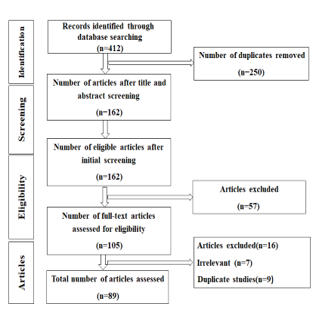
Figure 1: PRISMA flow diagram in this study.
Results
Figure 2 illustrates the temporal distribution of the studies reviewed from 2018 to 2025. The number of publications in the early years was relatively low and showed a marked increase starting in 2021, particularly in 2023 and 2024, which represent the periods of the highest research focus. This trend reflects the rapidly growing global attention to antibiotic resistance in hospital wastewater, highlighting the increasing emphasis on advanced treatment technologies and effective wastewater management to mitigate the dissemination of ARB and ARGs in recent years.
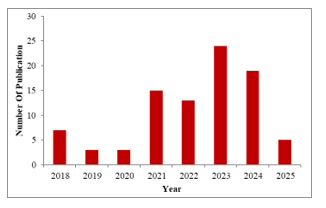
Figure 2: Number of studies reviewed on antibiotic resistance in hospital wastewater over time.
Table synthesizes key international studies on the removal of ARB and ARGs in hospital wastewater, underscoring the necessity of specialized and modern treatment technologies to mitigate environmental and public health risks. Evidence consistently shows that conventional methods, including chlorination and activated sludge, are inadequate for eliminating resistant agents and may even intensify the horizontal transfer of ARGs, as demonstrated in studies from Thailand and the United States (2,5,74,79). In contrast, advanced and integrated processes, such as MBRs, MBR-granular activated carbon (GAC) systems, nanofiltration with electrochemical oxidation, ozonation, ultraviolet irradiation, and innovative techniques such as electro-peroxone, photocatalysis, and microbial fuel cells, exhibit markedly higher removal efficiencies. Reports of complete elimination of indicator bacteria such as Escherichia coli and Shigella by MBRs in Uganda further reinforce the effectiveness of these technologies (1). alongside successful reductions in antibiotics such as azithromycin through combined treatment approaches.
A wide range of clinically relevant resistance genes, including blaNDM, blaCTX-M, mecA, sul1, tetM, mcr-1, and vanA, has been identified in gram-positive and gram-negative bacteria, such as E. coli, Klebsiella pneumoniae, Pseudomonas aeruginosa, Enterococcus spp., and Staphylococcus aureus. Their prevalence in hospital wastewater, particularly in low- and middle-income regions, highlights the ecological risks associated with uncontrolled dissemination. Accurate detection of ARGs through metagenomics, sequencing, and molecular analyses is essential for selecting effective treatment technologies and understanding persistence patterns, as some resistant bacteria and genes may survive or even proliferate during treatment. This integrated knowledge base is crucial for minimizing the environmental spread of antimicrobial resistance and for guiding the development of robust wastewater management strategy.
As illustrated in the PRISMA flow diagram (Figure 1), the initial search yielded 412 records. After removing duplicate entries (n = 250), 162 unique records were screened based on the title and abstract. Of these, 57 records were excluded because they did not meet the primary inclusion criteria. The remaining 105 full-text articles were independently assessed for eligibility, leading to the exclusion of 16 studies because they were irrelevant or duplicates. Finally, 89 studies were included in the qualitative synthesis
e) Data Extraction
Following the final study selection, data extraction was carried out systematically and compiled into a table with six columns. These columns included: "Key Points" (for recording the main findings and message of the article), "Bacteria" (including the pathogens and resistant bacteria under investigation), "Gene" (for listing the identified antibiotic resistance genes, such as various beta-lactamases and genes conferring resistance to tetracycline and sulfonamide), "Treatment Process" (including the evaluated technologies, such as membrane bioreactors, ozonation, chlorination, and constructed wetlands), "Country" (the location where the study was conducted), and "Reference.” This process was implemented to ensure the integrity, accuracy, and comparability of the data extracted from the collection of studies.
f) Quality Assessment of Included Studies
Due to the methodological diversity of the included studies (from field monitoring to pilot-scale experiments and treatment trials), key quality assessment criteria included clarity of objectives and hypotheses, description of methodology (sampling methods, molecular analysis, and sequencing methods), presentation of results (clear and quantitative data reporting), and discussion of limitations and relevance of findings.
g) Data Synthesis and Analysis
Given the heterogeneous nature of the included studies concerning the types of treatment technologies, operational scales (lab-scale, pilot-scale, and full-scale), and reported efficiency indicators, conducting a quantitative meta-analysis was not feasible. Therefore, data were synthesized and analyzed descriptively and qualitatively within the framework of a systematic review. The main findings were grouped based on treatment technologies such as physical processes, advanced oxidation and disinfection processes, biological processes (e.g., bioreactors and attached growth systems), and hybrid systems. The removal efficiency, comparative analysis, potential for full-scale application for each technology category, and identification of knowledge gaps and promising areas for future studies were discussed and compared.
Figure 1: PRISMA flow diagram in this study.
Results
Figure 2 illustrates the temporal distribution of the studies reviewed from 2018 to 2025. The number of publications in the early years was relatively low and showed a marked increase starting in 2021, particularly in 2023 and 2024, which represent the periods of the highest research focus. This trend reflects the rapidly growing global attention to antibiotic resistance in hospital wastewater, highlighting the increasing emphasis on advanced treatment technologies and effective wastewater management to mitigate the dissemination of ARB and ARGs in recent years.
Figure 2: Number of studies reviewed on antibiotic resistance in hospital wastewater over time.
Table synthesizes key international studies on the removal of ARB and ARGs in hospital wastewater, underscoring the necessity of specialized and modern treatment technologies to mitigate environmental and public health risks. Evidence consistently shows that conventional methods, including chlorination and activated sludge, are inadequate for eliminating resistant agents and may even intensify the horizontal transfer of ARGs, as demonstrated in studies from Thailand and the United States (2,5,74,79). In contrast, advanced and integrated processes, such as MBRs, MBR-granular activated carbon (GAC) systems, nanofiltration with electrochemical oxidation, ozonation, ultraviolet irradiation, and innovative techniques such as electro-peroxone, photocatalysis, and microbial fuel cells, exhibit markedly higher removal efficiencies. Reports of complete elimination of indicator bacteria such as Escherichia coli and Shigella by MBRs in Uganda further reinforce the effectiveness of these technologies (1). alongside successful reductions in antibiotics such as azithromycin through combined treatment approaches.
A wide range of clinically relevant resistance genes, including blaNDM, blaCTX-M, mecA, sul1, tetM, mcr-1, and vanA, has been identified in gram-positive and gram-negative bacteria, such as E. coli, Klebsiella pneumoniae, Pseudomonas aeruginosa, Enterococcus spp., and Staphylococcus aureus. Their prevalence in hospital wastewater, particularly in low- and middle-income regions, highlights the ecological risks associated with uncontrolled dissemination. Accurate detection of ARGs through metagenomics, sequencing, and molecular analyses is essential for selecting effective treatment technologies and understanding persistence patterns, as some resistant bacteria and genes may survive or even proliferate during treatment. This integrated knowledge base is crucial for minimizing the environmental spread of antimicrobial resistance and for guiding the development of robust wastewater management strategy.
Table1: Summary results of the reviewed studies.
| Ref. | Country | Treatment Process | Gene | Bacterium | Key points |
| 27 | Uganda (Kampala City) | MBR, GAC, Solar-powered hybrid system | _ | Escherichia coli (E. coli), Shigella | The MBR process completely removed E. coli and Shigella. |
| 28 | Thailand | Activated sludge with chlorination | _ | Escherichia coli, Acinetobacter spp, Staphylococcus aureus (MRSA) Vancomycin-resistant Enterococcus (VRE) | Ineffective chlorination in eliminating bacteria and facilitating resistance gene transfer |
| 29 | Singapore | Combined Nanofiltration and Electrochemical Oxidation | _ | _ | Effective removal of Azithromycin with Nanofiltration and Electrochemical Oxidation |
| 30 | United States of America | Conventional Sewage Treatment Plant with Chlorine Final Disinfection | 16S rRNA gene used for microbial source tracking (MST) sequencing. | Bacillus cereus, Bacillus pumilus, Chryseobacterium indologenes | Bacteria resistant to Ceftazidime and Meropenem are not eliminated by chlorination |
| 31 | Burkina Faso | Lack of investigation of a specific process | _ | _ | |
| 32 | Japan | Lab-scale CAS system | ARGs No proper names mentioned |
_ | The risk of persistent antibiotics and the need to identify ARGs |
| 33 | China | Pilot-scale SBR wastewater treatment system | Antibiotic resistance genes (ARGs) and metal resistance genes (MRGs) AdeF |
Candidatus Competibacter | Changes in ARGs and MRGs levels depend on the type of treatment process |
| 34 | India |
- | Beta-lactam, CAMP, and vancomycin resistance genes | Enterococcus, Pseudomonas, and Vibrio | Hazardous pathogens in hospital wastewater and their association with resistance genes such as ESBL and carbapenem |
| 35 | Saudi Arabia | MBR | bla_TEM, bla_SHV, bla_CTX‑M, bla_OXA‑48, bla_NDM‑1 | Clinical Gram-negative species | Presence of ESBL and carbapenem genes in isolates |
| 36 | Portugal |
Biological treatment with UV, ozone, and sand filter | bla_VIM, bla_OXA‑48, bla_KPC | Gram-negative species | Incomplete removal of genes from the environment |
| 37 | United States of America | Lack of investigation of a specific process | ARGs: blaZ (85%), mecA; MRGs: cadD, cadX | S. aureus, S. warneri, S. delphini | Co-occurrence and non-conjugative transfer of ARGs and MRGs |
| 38 | Poland |
Biological-mechanical treatment with disinfection | VanA, vanB, vanC1, vanC2/C3 | Enterococcus faecalis, Enterococcus faecium, Enterococcus hirae, Enterococcus durans, Enterococcus gallinarum, Enterococcus casseliflavus, Enterococcus avium | vanA and vanB, the main vancomycin resistance genes |
| 39 | India |
Lack of investigation of a specific process | BlaTEM, blaSHV, blaCTX-M, mecA | Proteus vulgaris | Bacterial antibiotic degradation and gene transfer |
| 4 | China | Chlorine dioxide disinfection, 8 h HRT | blaTEM-1, blaNDM-1, sul1, tetM, and the horizontal gene transfer markers intI1 and 16S rRNA | - | The genes blaTEM-1, blaNDM-1, sul1, tetM, and intI1 are associated with resistance and gene transfer |
| 40 | Czech Republic | Lack of investigation of a specific process | Beta-lactamase encoding genes | Pseudomonas aeruginosa | P. aeruginosa with high antibiotic resistance and gene transfer |
| 41 | China | Lack of investigation of a specific process | NDM-5 antibiotic resistance gene | Enterococcus faecalis and other Gram-positive and Gram-negative bacteria across 12 different phyla | NDM-5, horizontal gene transfer, and high resistance prevalence in wastewater |
| 42 | South Korea | Activated sludge with supplements such as ozone, UV, and advanced filtration | Multidrug resistance genes, macrolide-lincosamide-streptogramin, beta-lactam, bacitracin; mobile genetic elements (plasmids, transposons, phages) | - | Risk of horizontal gene transfer in hospital wastewater |
| 43 | Poland | Continuous photocatalytic system | Sulfonamide resistance genes | - | Resistance gene increase and SMX removal via photocatalyst |
| 44 | India | Vermifiltration | blaCTX-M, mecA, mcr-1 | - | Reduction of resistant bacteria |
| 45 | Nepal |
Conventional biological treatment | sul1, tet(B), qnrS, blaCTX-M, blaNDM-1, intI1 | Escherichia coli, Klebsiella pneumonia, Enterobacteriaceae | Key resistance and gene transfer genes: sul1, tet(B), qnrS, blaCTX-M, blaNDM-1, intI1 |
| 17 | Romania | Lack of investigation of a specific process | - | E. coli | High antibiotic resistance in hospital wastewater |
| 46 | India | Lack of investigation of a specific process | blaNDM-1, blaCTX-M, blaTEM, mecA, tet(A), sul1, qnrS, vanA | E. coli, Klebsiella spp, Pseudomonas aeruginosa, Acinetobacter spp, Enterococcus spp, Staphylococcus aureus | Presence of genes associated with major antibiotic resistance groups |
| 47 | South Korea | BNR[1] and AD[2] processes | tetX, TEM, sul1, and the 16S rRNA gene as normalizers | Klebsiella, Enterococcus | Changes in tetX, TEM, and sul1 genes and the role of 16S rRNA in resistance spread |
| 48 | China | Lack of investigation of a specific process | A wide range of ARGs | Pseudomonas and Enterobacteriaceae | ARG diversity and microbial contribution to resistance spread |
| 49 | China | Chlorination and advanced oxidation processes (UV/H₂O₂ and Fenton) | Mcr, tet(X) | Pseudomonas aeruginosa and Acinetobacter baumannii | Presence of resistance genes mcr and tet(X) and multidrug-resistant bacteria in hospital wastewater |
| 50 | China | MFCs[3] | tetA, tetC, tetG, tetM, tetW, sul1, sul2, qnrS, blaTEM, blaCTX-M, intI1 | Pseudomonas, Bacillus, Acinetobacter, Enterobacter, Escherichia coli | Risk of resistance gene spread via fuel cells |
| 51 | China | Metagenomics with alternative disinfection: ozone, UV, or advanced filtration | blaCTX-M, blaNDM, mcr-1, tetM, sul1, vanA | Escherichia coli, Pseudomonas aeruginosa, Acinetobacter baumannii | Multiple resistance genes in hospital pathogens |
| 52 | China | E-peroxone method and SBR[4] | QnrA, qnrB, qnrS, qnrD, aac(6')-Ib-cr, qepA | Escherichia coli, Klebsiella pneumonia, Pseudomonas aeruginosa | Spread of quinolone resistance in hospital pathogens (Klebsiella and Pseudomonas) |
| 53 | China | Lack of investigation of a specific process | sul1, tetO, ermB, intI1, Tn916/1545 | Trichococcus, Candidatus campbellbacteria | Role of Trichococcus in resistance spread and Candidatus campbellbacteria in resistance suppression |
| 51 | China | Electro-peroxone with SBR reactor | tet(X) and other multidrug resistance genes | Escherichia coli, Pseudomonas aeruginosa, Acinetobacter baumannii | Quinolone resistance in multidrug-resistant hospital bacteria (E. coli, Pseudomonas, Acinetobacter) |
| 54 | Iran | NLCs loaded with eugenol | - | Staphylococcus aureus (mcr, standard and wild), Enterococcus faecalis (standard and wild), Escherichia coli (wild), Pseudomonas aeruginosa (wild) | Reduction of hospital bacterial growth with NLC-eugenol |
| 55 | Canada | MBR and EO systems |
- | - | Efficient hospital wastewater treatment |
| 56 | Vietnam | Sponge-MBR and ozonation |
- | - | Antibiotic removal by Sponge-MBR and ozone; complete TET removal, SUL persistence |
| 57 | India | SAFF[5] Reactor coupled with Tube Settler | - | - | Focus on removal of COD, BOD₅, nitrate, and phosphate |
| 58 | China (Ningbo city) | Aerobic + Sedimentation + Chlorination; Anaerobic + MBR + UV; Aerobic + Anaerobic + MBR + UV |
- | - | Human enteric viruses: incomplete removal by chlorination, effective removal with MBR+UV |
| 59 | United States |
Preliminary + Activated sludge + Secondary clarification + UV | Genes conferring resistance to ampicillin, ciprofloxacin, doxycycline, and sulfamethoxazole | - | Antibiotic reduction and detection of resistant bacteria |
| 60 | Germany and Denmark |
Treatment with MBR, ozone, granular activated carbon filtration, and UV disinfection | - | -- | Hormonal activity reduction with MBR, ozone, and GAC |
| 61 | Portugal |
- | BlaTEM, blaSHV, blaCTX-M, blaCMY, mecA, vanA, mcr-1 | - | Highest prevalence of blaTEM, lowest mecA and mcr-1 in hospital wastewater |
| 62 | Japan |
Advanced ozonation methods (O₃, O₃/H₂O₂, O₃/UV, O₃/UV/H₂O₂) | Resistance genes to β-lactam, carbapenem, and tetracycline | E. coli, Pseudomonas aeruginosa, Staphylococcus aureus, Streptococcus pneumoniae | Presence of critical hospital-resistant bacteria (CREC, CRPA, MRSA, PRSP) |
| 63 | Turkey | SCWO[6] | - | - | Over 90% removal of pharmaceutical pollutants using SCWO technology |
| 64 | India | chlorination | CTX-M, blaCTX-M-15, CTX-M Group 1, TEM, SHV, Class 1 integron, Dfr, Aad, plasmids, ICEs, transposons, IS, MITEs |
Escherichia coli | Indicator E. coli with the most common ESBL gene (CTX-M) and resistance gene transfer via mobile elements |
| 65 | Sweden | Ozonation | - | ESBL-producing Enterobacteriaceae | ESBL-producing Enterobacteriaceae in hospital wastewater; minimal population reduction after ozonation |
| 66 | Tanzania | Constructed Wetland | Sul1, Sul2, blaTEM, blaSHV, blaCTX-M, 16S rRNA | Escherichia coli, Klebsiella pneumoniae, Pseudomonas aeruginosa | Prevalence of Sul and β-lactam resistance genes in hospital bacteria; highest in Klebsiella, lowest in E. coli |
| 67 | China | - | bacA, tetA, tetB, tetM, aph(3')-IIIa, aac(6')-Ib, ant(2'')-Ia, sul1, sul2 | Arcobacter, Aeromonas, Enterococcus, Acinetobacter, Acidovorax | Prevalence of multiple resistance genes in hospital bacteria with key roles of Arcobacter, Aeromonas, and Acinetobacter |
| 68 | China | Direct chlorination and activated sludge | sul1, aadA, tet39, qacE1, bacA, lnuB, ermG, mefA, tetE, dfrb1, aph(3’)-I, aadE | Bifidobacterium, Phocaeicola, Stenotrophomonaobacterium, Lactobacillus, Acinetobacters, Azoarcus, Enterobacter, Phascolarct | Resistance genes in hospital wastewater; ARGs in Bifidobacterium and Enterobacter, hazardous MDR Acinetobacter |
| 69 | China | - | sul1, aac(6′)-Ib′, AAC(6′)-30, acrA, acrD, acrF, cmlA5, floR, SHV-28, mdfA, mdtH, macA, macB, rosA, rosB, amA | Escherichia coli, Klebsiella pneumoniae, Pseudomonas aeruginosa, Enterobacter cloacae, Enterococcus faecium, Aeromonas caviae | |
| 70 | Qatar | - | blaVEB, blaKPC, blaGES, blaVIM-1, blaOXA-10, blaOXA-2, blaOXA-58, qnrB-1, qnrS, Aac(6’)-Ib-cr, tetA, ermB, mefA, aadA1, blaSHV(238G240E), blaIMP-2, blaOXA-18 | Escherichia coli, Morganella morganii, Salmonella enterica, Citrobacter freundii, Enterococcus faecalis, Enterococcus faecium, Clostridium perfringens, Clostridium difficile, Shigella dysenteriae, Streptococcus agalactiae | Widespread prevalence of β-lactamase genes and resistance to fluoroquinolones, aminoglycosides, tetracyclines, and macrolides in hospital bacteria |
| 71 | China | (Constructed Wetlands) | blaCTX-M, blaTEM, blaSHV, qnrS, sul1 | Enterobacteriaceae, Escherichia coli, Coliforms | Effective removal of blaCTX-M and qnrS; sul1 remains with horizontal transfer risk; Enterobacteriaceae |
| 72 | Vietnam | - | blaCTX-M-1, blaTEM, blaSHV, mcr-1, mcr-2, mcr-3, mcr-4, mcr-5, mcr-6, mcr-7, mcr-8, mcr-9 | Escherichia coli | Most common ESBL gene blaCTX-M-1 and key colistin resistance gene mcr-1 |
| 73 | Algeria | - | OXA-23, VIM, cadA1, cadA2 | Pseudomonas putida, Pseudomonas stutzeri, Pseudomonas fluorescens, Pseudomonas aeruginosa, Pseudomonas mendocina, Acinetobacter baumannii, Comamonas testosterone | Carbapenem- and cadmium-resistant NFGNB in hospital wastewater (Pseudomonas and Acinetobacter) |
| 74 | Egypt |
Adsorption using nanoparticles: nZVI and CuONPs |
aOXA-1, blaTEM, blaOXA-10, blaTEM-1, blaDHA-1, blaSHV-1, blaGES-1, qnrA, qnrS, qnrB-1, qnrB-4, qnrB-5, qepA |
Acinetobacter baumannii, Helicobacter pylori, Escherichia coli, Pseudomonas aeruginosa, Clostridium beijerinckii, Shigella coli, Helicobacter cetorum, Lactobacillus gasseri, Bacillus cereus, Deinococcus radiodurans, Rhodobacter sphaeroides, Propionibacterium acnes, Bacteroides vulgatus | β-lactamase genes and quinolone resistance in hospital bacteria |
| 75 | Taiwan |
Micron Bubble Ozone – OMB | tetA, blaTEM-1, sul1, mcr-1 | - | Resistance genes in hospital wastewater with OMB; mcr-1 most persistent, sul1, blaTEM-1, and tetA reduced |
| 76 | United Kingdom | Tertiary UV disinfection | aminocoumarins, fluoroquinolones, glycopeptides, rifampicin, sulfonamides, MDR | Acinetobacter, Pseudomonas, Klebsiella spp, Escherichia coli, Enterococcus spp, Clostridium spp, Mycobacterium spp, Arcobacter spp, Paracoccus, Ottowia, Cloacibacterium, Actinobacteria | Persistence of certain antibiotics and ARGs; MDR associated with efflux pumps |
| 77 | France | - | tetW, tetQ, tetO, merA, blaTEM, bacA1, cblA | - | Tetracycline, β-lactam, bacitracin, and mercury resistance genes; abundance influenced by metals and surfactants |
| 78 | Thailand | Chlorination | blaNDM | Klebsiella pneumoniae, Escherichia coli, Enterobacter cloacae complex | blaNDM gene in K. pneumoniae, β-lactam resistance |
| 79 | Colombia | Sonochemical Process, Biological System | - | - | Effective removal of paracetamol and valsartan |
| 80 | Ethiopia | Sono-Photo-Fenton process (US/UV/Fe²⁺/H₂O₂) | - | - | Combination of ultrasound, UV, and Fenton |
| 81 | Morocco | Electrocoagulation | _ | Total coliforms, Escherichia coli, Enterococci, Clostridium | Reduction of indicator bacteria in hospital wastewater: Total coliforms 82%, E. coli 71.8%, Enterococci 80.8%, Clostridium 89.8% |
| 82 | Spain | Electrodisinfection, Photo-electrodisinfection | blaKPC, blaOXA-50, mecA | Klebsiella pneumoniae, Pseudomonas aeruginosa, Staphylococcus aureus | Klebsiella blaKPC low removal, Pseudomonas blaOXA-50 high removal, Staphylococcus mecA moderate removal |
| 83 | Egypt | NiFe₂O₄ nanocomposite (AOPs) | CYP450, 8-HDG, MDA, NO, TAC, ATP, Calcium, PC | _ | Reduction of cellular and oxidative damage, improvement of antioxidant capacity and metabolic function (CYP450, 8-HDG, MDA, NO, TAC, ATP, Calcium, PC) |
| 84 | United Kingdom | Immobilised Heterogeneous Photocatalysis | sul1 blaCTX-M qnrS ermB intI1 | _ | High resistance and variable abundance of genes; rapid transfer and high removal for some |
| 85 | Spain | Electrochemical ozonation using MIKROZON | aac(6′)-Ib, blaTEM, blaSHV, blaGPC | Klebsiella pneumoniae | Removal of resistance genes in hospital wastewater; aac(6′)-Ib highest, blaTEM and blaSHV moderate, blaKPC most persistent; Klebsiella reduced up to 6 log |
| 86 | China | Electro-peroxone | General reference to Args | E. coli | Removal of E. coli; indirect reduction of ARGs |
| 87 | Rwanda | Biochar adsorption | _ | _ | Focus on PPCPs; caffeine removal 65.5%; highest persistence of CBZ and DCF. |
| 88 | Netherlands | MBR + Ozonation + GAC[7] + UV | aph(III)a, blaKPC, blaSHV, blaOXA, mecA, ermB, ermF, qnrS, sul1, tetB, tetM, vanA, vanB, intI1 | _ | Resistance genes include those for carbapenems, cephalosporins, tetracyclines, sulfonamides, cotrimoxazole, macrolides, and integrative (intI1) genes. |
| 89 | Spain | AGS with SBR reactor | 16SRNA, ITS, nosZ,AmoA | Hyphomicrobium,Dokdonella,Candidatus, Comamonadaceae,Acinetobacter, Accumulibacter, Diaphorobacter, Comamonas | Microbial community changes were analyzed using 16S rRNA (bacteria and archaea) and ITS (fungi). |
| 90 | Scotland | - | blaTEM, blaSHV, blaCTX-M, blaNDM, mecA, sul1, qnrS, intI1, ermB, tetM | Escherichia coli, Klebsiella pneumoniae, Acinetobacter baumannii, Enterococcus faecium/faecalis, Pseudomonas aeruginosa, Staphylococcus aureus | Focus on key resistance genes and their potential horizontal transfer |
| 91 | China |
Anaerobic–aerobic treatment with sedimentation and chlorine disinfection. | blaVEB, blaNDM, blaOXA, blaTEM, blaCTX-M, tetA, tetB, tetM, ermB, ermF, aadA, aph(3’)-IIIa, sul1, sul2, qnrS, qnrB, vanA, vanB, cmlA, catB, mexF, acrB, and horizontal gene transfer markers, such as intI1 and IS613. | Bacteroides, Bacteroidetes, Firmicutes, Proteobacteria, Epsilonbacteraeota | Increased resistance and signs of horizontal gene transfer after treatment |
| 92 | China | Conventional activated sludge with chlorination and biocontact bio-contact oxidation. | blaNDM blaKPC blaCTX-M blaOXA blaTEM blaSHV mcr tet(X) tetA tetB tetM tetQ ermB ermF mefA aadA aph(3’)-IIIa strA sul1 sul2 sul3 qnrS qnrB catA cmlA arr-3 vanA vanB mexF acrB fosA dfrA bacA | Klebsiella pneumoniae Escherichia coli Pseudomonas aeruginosa Acinetobacter baumannii Enterococcus faecium | Key genes with high persistence and horizontal transfer in effluents |
| 93 | Germany |
Bio-contact oxidation, NaClO disinfection, Screening, Settling | blaKPC-2, blaOXA-48, blaOXA-232, blaVIM-1, blaNDM-5, blaGES-5, blaIMP-8, | Klebsiella pneumoniae, Escherichia coli, Enterococcus spp., Acinetobacter spp., Shigella spp., Stenotrophomonas spp., Wautersiella spp | Carbapenem genes: blaKPC-2 (highest resistance), blaOXA-48 (common in Germany), blaNDM-5, blaVIM-1, blaIMP-8; complete removal by conventional treatment is not possible. |
| 94 | Benin |
Fixed bed adsorption with AC/KMnO₄ composite adsorbent | bla-CTX-M، bla-TEM, PVL, Trimethoprim/Sulfamethoxazole | Escherichia coli, Staphylococcus aureus, Salmonella typhi Vibrio cholerae O1, Pseudomonas aeruginosa, Enterococcus faecium |
Key resistance genes: bla-CTX-M and bla-TEM (up to 5 log₁₀ removal), PVL in S. aureus, and trimethoprim/sulfamethoxazole resistance in S. typhi (up to 3.82 log₁₀ removal). |
| 95 | Thailand (Bangkok) |
CAS and RBC with final chlorination. |
_ | _ | Focus on antibiotics as indicators of selective pressure |
| 96 | India | ETP, CETP, ZLD, RO, MEE | _ | _ | Antibiotics as indicators of selective pressure for resistance emergence |
| 97 | China | CAS (A2/O), Ozonation (AOP) | Erm(35), Erm(B), Erm(F), Mph(A), tet(W/N/W), tetX, tetQ, tetO, tetM, GES-5, blaOXA, blaTEM, blaSHV, blaCTX-M, aadA, aph(3')-IIIa, strB, sul1, sul2, qnrS, qnrB, mef(A), lnu(A), catA, floR, kdpE, marA, acrA | Acinetobacter, Pseudomonas, Escherichia, Klebsiella, Enterobacter, Aeromonas, Bacillus, Staphylococcus, Streptococcus, Mycobacterium | Focus on antibiotic residues (ARs) in pharmaceutical wastewater. |
| 98 | Nigeria | Biological lagoon, waste stabilization pond and chlorination. | _ | Fecal coliforms, total heterotrophic bacteria, Staphylococcus spp, Escherichia coli, other Enterobacteriaceae, Pseudomonas aeruginosa, Vibrio spp | High resistance and horizontal transfer in hospital wastewater |
| 99 | South Korea | Combined ultrasonication and terpinolene process | _ | Enterobacter sp., Citrobacter freundii, Klebsiella pneumoniae | Presence of indicator bacteria with high resistance and persistence in hospital effluent |
| 100 | United States (Kokosing River, Ohio) | CAS[8] with chlorination | blaTEM, blaSHV, blaCTX-M, mecA, vanA, tetM, ermB, sul1 | Escherichia coli, Klebsiella pneumoniae, Staphylococcus aureus, Enterococcus faecium, Pseudomonas aeruginosa | Focus on removing highly persistent hospital-associated MDR bacteria using combined processes |
| 101 | Benin, Burkina Faso, Finland | CAS, CW[9], chlorination, septic tank. | BlaGES, blaNDM, blaKPC, blaOXA-48, blaCTX-M, mcr-5, intI1, qacEΔ1, qnrVC | Acinetoacter, Pseudomonass aeruginosa, salmonella,Ecoli | Focus on key resistance genes against various antibiotics |
| 102 | Slovakia | CAS | - | Escherichia coli | Ampicillin (AMP): highest remaining resistance in the treatment plant effluent (58%). Cefotaxime (CTX): significant resistance in the effluent. |
| 103 | India |
Treatment using MBBR and SBR with chlorination or UV disinfection. | tetA, tetC, tetG, ermB, ermF, qnrS, qnrD, sul1, sul2, blaTEM, blaSHV, blaOXA, aadA, aph(3’)-IIIa, vanA, vanB, mefA, msrA, qacE, merA | Enterobacteriaceae, Pseudomonadaceae, Enterococcaceae, Moraxellaceae, Escherichia, Klebsiella, Pseudomonas, Acinetobacter, Enterococcus, Bacillus, Aeromonas, Bacteroides | The highest residual resistance was observed for AMP, and the lowest for TZP. |
| 104 | Scotland, United Kingdom | Lack of investigation of a specific process | bla_KPC, bla_NDM, bla_OXA, bla_TEM, bla_SHV, vanA, vanB, ermB, tetM | Enterococcus faecium (VRE), Klebsiella pneumonia, Escherichia coli | Highest resistance: blaTEM and ermB; highest removal: sul1 and tetA. |
| 105 | Japan | Ozone Treatment | blaCTX-M, blaKPC, blaNDM, blaVIM, blaOXA | Escherichia coli, Klebsiella spp, Raoultella ornithinolytica, Pseudomonas putida | Resistance to multiple antibiotics via efflux pumps and target modification |
| 106 | Brazil | Septic tank and aerobic filter | _ | Enterobacteriaceae (e.g., E. coli), Non-Enterobacteriaceae (e.g., Pseudomonas), Streptococcaceae, Staphylococcaceae, Enterococcaceae | Highest resistance in Streptococcaceae and non-Enterobacteriaceae; highest prevalence in Enterobacteriaceae. |
| 107 | Brazil | MW/Fe⁰ (microwave waves with zero-valent iron) | _ | _ | Incomplete antibiotic removal, spread of resistance genes |
| 108 | France | CAS | sul1, intI1, blaCTX-M, qnrS, tetM, ermB | Pseudomonas aeruginosa | Key genes: sul1 (persistent), intI1 (horizontal transfer), blaCTX-M, qnrS, tetM (incomplete removal), and ermB (partial removal). |
| 109 | Nigeria | Activated sludge/ Membrane Bioreactor+ Anaerobic DigestionTo | _ | _ | Focus on antibiotic concentrations as indicators of selective pressure: |
| 110 | France | CAS (aerobic, anoxic, and alternating anaerobic conditions). | _ | _ | Incomplete drug removal, persistence of resistance genes, and risk of environmental and health transfer. |
| 111 | Turkey | CAS + UV | ermB, ermC, ermF, qnrA, qnrB, qnrS, aac(6’)-Ib-cr, sul1, sul2, dfr, tetA, tetM, tetO | _ | erm, qnr, aac, sul, and dfr genes with incomplete removal and high risk; tet genes mostly removed |
| 112 | Iran | CAS | Viral genes analysis: ORF1ab, N gene | _ | ORF1ab and N genes as stable SARS-CoV-2 environmental markers |
[1] Biological Nutrient Removal
[2] Anaerobic Digestion
[3] Microbial Fuel Cells
[4] Sequencing Batch Reactor
[5] Submerged Aerobic Fixed Film
[6] Supercritical Water Oxidation
[7] Granular Activated Carbon
[8] Conventional Activated Sludge
[9] Constructed Wetlands
Discussion
A) Treatment technologies
The findings of this review show that hospital wastewater treatment technologies vary widely in terms of performance, cost, and efficiency in removing ARB and ARGs. Conventional approaches, such as CAS and chlorination, remain widely used but consistently demonstrate incomplete removal of resistant microorganisms and genes. Pathogenic bacteria such as E. coli and S. aureus can survive chlorination, and chlorine-induced oxidative stress facilitates HGT28, 30. Chlorination can also produce harmful DBPs28. These observations indicate that although conventional methods may serve as initial disinfection steps, they are insufficient on their own for effective control of antimicrobial resistance.
More advanced technologies, particularly MBR systems, have shown markedly superior results. Numerous studies have reported that MBRs at pilot or industrial scales remove indicator bacteria more effectively than conventional treatment27. Solar-powered hybrid MBR combined with GAC achieved complete removal of indicator bacteria in Uganda27. Coupling MBR with EO improves the removal of pharmaceutical compounds and reduces effluent toxicity55. AOPs, such as ozonation, EO, Fenton processes, and UV combined with H₂O₂, further enhance the removal of persistent contaminants. Ozone-based systems, including O₃, O₃ combined with H₂O₂, and O₃ combined with UV, effectively inactivate MDR bacteria42, 62. While electro-peroxone substantially decreases E. coli in hospital effluents86.
Electro-oxidation (EO) and hybrid photoelectrochemical processes have emerged as highly effective advanced oxidation technologies for removing persistent antibiotics and refractory organic pollutants from hospital wastewater. These processes rely on the in situ generation of strong oxidizing species, particularly hydroxyl radicals (•OH), which can degrade pharmaceutical compounds resistant to conventional biological treatment 113.
Previous studies have demonstrated that photo-electro oxidation processes can achieve high amoxicillin removal efficiency accompanied by significant reductions in effluent toxicity, confirming the strong oxidative and mineralization capacity of EO-based systems. Operational parameters, including current density, reaction time, and electrolyte concentration, were found to significantly influence degradation kinetics and treatment performance114.
Moreover, the modification of EO systems using activated carbon beds as porous electrodes has been shown to enhance mass transfer, increase reactive oxygen species (ROS) generation, and improve pollutant degradation efficiency and process stability. integration of adsorption with electrochemical oxidation significantly improved amoxicillin removal and reduced residual organic contamination115. Similarly, photoelectro-Fenton systems modified with porous cathode electrodes demonstrated enhanced degradation kinetics and toxicity reduction through intensified hydroxyl radical production and electrochemical reactions. These hybrid systems exhibited high capability for degrading resistant organic compounds that are difficult to eliminate by biological treatment alone116.
Overall, EO-based and hybrid photoelectrochemical technologies represent promising and sustainable approaches for upgrading conventional hospital wastewater treatment systems, particularly when integrated with biological or membrane-based processes for enhanced removal of antibiotics and resistant contaminants. Nevertheless, some ARGs, including blaKPC, blaNDM, and mcr-1, display higher persistence than others51, 62.
Integrated or hybrid systems achieve the highest overall removal efficiencies. Combinations such as MBR with ozonation or MBR with GAC yield over 95% reductions in pharmaceuticals and substantial decreases in ARGs60, 88. A sponge-MBR system combined with ozonation achieved complete removal of tetracyclines and major reductions in fluoroquinolones56. Only the MBR combined with a UV system achieved complete elimination of human enteric viruses 58. Complementary emerging methods, including NLC-eugenol, showmicrobial load reductions of 28%–40%54. MFCs reduce tet, sul, bla, and qnrS by more than 80%50 and photocatalytic or nanoparticle-based systems highlight future directions 74, 83. Overall, the literature indicates that conventional methods alone are inadequate; advanced and combined systems, especially MBR integrated with AOPs or GAC, consistently achieve the most effective reductions of ARB, ARGs, and pharmaceutical residues27, 62, 88. Research trends increasingly support multistage and hybrid configurations as sustainable strategies for limiting the spread of antibiotic resistance in hospital wastewater. However, despite these promising results, several limitations should be considered. Despite the high removal efficiencies reported for advanced treatment technologies, such as MBRs, advanced oxidation processes (AOPs), and their hybrid configurations, several practical limitations still restrict their full-scale application. These include high operational and maintenance costs, significant energy demand, membrane fouling, and the requirement for skilled operation. In addition, a considerable proportion of available evidence is derived from laboratory-scale or pilot-scale studies, which may not fully represent real hospital wastewater treatment conditions. Therefore, the scalability and long-term operational stability of these systems remain uncertain. Furthermore, variations in influent composition, antibiotic loads, and microbial communities can strongly influence treatment performance, making direct comparison across studies challenging. These limitations highlight the need for more full-scale investigations and standardized evaluation frameworks for assessing treatment efficiency against antibiotic-resistant bacteria (ARB) and ARGs.
B) Main Mechanisms Involved in Antibiotic and ARG Removal from Hospital Wastewater
Antibiotic removal from hospital wastewater occurs through biological, physicochemical, and oxidative mechanisms, depending on the antibiotic characteristics and the treatment technology applied. Conventional wastewater treatment processes alone are generally insufficient for the complete removal of antibiotics and ARGs, whereas advanced hybrid systems can significantly improve their removal efficiency 18.
Biodegradation is one of the main removal mechanisms in biological systems such as activated sludge, MBRs, and sponge reactors. Microorganisms degrade pharmaceutical compounds directly or through co-metabolism in these systems. The removal efficiency depends on the biodegradability of each compound, while some antibiotics remain resistant to biological degradation32 32. Longer sludge retention time (SRT), higher biomass concentration, and biofilm formation have been reported to improve the removal of antibiotics and ARGs18 18, 56.
Adsorption and sorption significantly contribute to antibiotic removal, particularly for fluoroquinolones, which have a high affinity for sludge and adsorbent surfaces. Studies have shown that zero-valent iron and copper nanoparticles can effectively remove levofloxacin mainly through chemisorption mechanisms involving electrostatic interactions and surface complexation74. However, part of the removal observed in conventional systems results from the transfer of antibiotics into the sludge rather than complete degradation18.
AOPs, including ozonation, electrochemical, electro-peroxone, and photocatalytic processes, remove antibiotics through the generation of ROS, such as hydroxyl radicals (•OH), which oxidize and mineralize organic pollutants 43, 55, 62, 85, 86. Electro-oxidation and hybrid photoelectrochemical processes remove antibiotics mainly through in situ generation of ROS, particularly hydroxyl radicals, which enhance the oxidation and mineralization of refractory pharmaceutical compounds resistant to conventional biological treatment1, 2, 4. Modifications, such as porous activated carbon electrodes, can further enhance mass transfer and ROS generation, thereby improving antibiotic degradation efficiency and reducing residual toxicity3.
These processes also contribute to the inactivation of antibiotic-resistant bacteria and pathogenic microorganisms62 62, 85, 86. In membrane systems, antibiotics are mainly removed through size exclusion, electrostatic repulsion, and adsorption onto membrane fouling layers. Because membranes mainly act as physical barriers, combining membrane technologies with biological and advanced oxidation processes provides higher removal efficiency55 55, 56.
In addition to antibiotic removal, the elimination of ARGs is also essential. ARGs may be reduced through host bacteria removal, oxidation of extracellular DNA, and adsorption onto sludge or nanoparticles; however, their complete elimination remains more difficult than that of antibiotics themselves18, 62, 74. Overall, hybrid technologies integrating multiple removal mechanisms demonstrate the most effective performance in reducing pharmaceutical pollutants and limiting antimicrobial resistance dissemination.
C) Classification Based on ARGs
A systematic review shows that research on ARGs in hospital wastewater is globally distributed, with studies spanning Asia, Europe, North America, Latin America, Africa, and the Middle East. China, several European countries, and India represent major research hotspots, reflecting both the severity of AMR and strong scientific output. In Asia, most studies have centered on bla, sul, tet, and mcr, often evaluating advanced technologies such as MBR, nanofiltration, advanced oxidation, and microbial fuel cells under resource-limited conditions 27, 29, 46, 50. European studies have targeted a broader gene spectrum, including blaTEM, mecA, and vanA, and have demonstrated the effectiveness of UV and ozone when combined with biological treatment36, 38, 42, 61. In North America, research has integrated biological systems with UV and applied advanced analytical techniques such as liquid chromatography, bioassays, and metagenomic assessments30, 59.
In contrast, efforts in Latin America, Africa, and the Middle East remain limited but are steadily increasing. Studies from Uganda, Tanzania, Nigeria, Burkina Faso, Saudi Arabia, and Qatar primarily highlight infrastructural limitations and rely on simpler systems, such as bioreactors and combined processes, while still addressing ARG and ARB removal27, 35, 66. Emerging studies in Colombia have explored novel treatment strategies79. Overall, regional differences in bacterial profiles and ARG patterns reflect variations in antibiotic use, climate, microbial ecology, and health policy. Despite technological gaps, the expanding research output in developing regions indicates growing awareness and provides an opportunity to strengthen policy and surveillance frameworks. Collectively, global evidence underscores that effective control of ARGs requires adaptable, context-specific strategies supported by international collaboration in monitoring, knowledge exchange and treatment innovation.
D) Sampling Location
The reviewed studies reveal substantial variation in sampling design, with most research focused on measuring ARGs and ARBs in influent and final effluents, whereas solid fractions, such as primary sludge, activated sludge, and membrane biofilms, were rarely examined. This limited focus omits major reservoirs that govern the accumulation and transfer of ARGs, thereby constraining accurate assessment of AMR risks68, 71, 74. Several investigations sampled only influent and final treated water, including MBR or EO effluents, with no sludge or biofilm monitoring, which prevented full understanding of ARG fate despite demonstrating reductions in antibiotic concentrations55-57. Even laboratory studies using raw wastewater under controlled conditions, although useful for testing nanoparticle performance, offered limited real-world applicability54.
In contrast, more comprehensive sampling designs that included intermediate treatment units as well as upstream and downstream river water enabled detailed tracking of microbial communities and ARG profiles across the treatment process and following discharge 59. However, even in these cases, sludge fractions were not consistently sampled. Only one study incorporated seasonal sampling, which provided valuable temporal insights, even though its focus was on virus removal rather than ARG quantification 58. Across many studies, activated sludge and biofilms were excluded despite their recognized role as reservoirs of ARGs 56, 57.
Overall, the findings indicate that relying solely on effluent monitoring underestimates the persistence and mobility of ARGs, as many ARGs accumulate in sludge and can facilitate continued resistance transfer32 32, 47. Studies that applied multi-compartment sampling, including sludge, clarified differences in ARG behavior during biological and chemical treatments and highlighted the potential for ARG retention in solid phases, particularly in systems such as MBR and advanced oxidation 27, 29, 45, 68. Consequently, future research should incorporate multi-stage sampling from influent to effluent, including sludge and biofilms, together with temporal monitoring, to achieve more accurate evaluations of treatment technologies and better control of AMR dissemination 66, 68, 70, 72, 74, 76, 82.
E) Public Health Implications
The reviewed studies demonstrate a strong association between hospital wastewater treatment performance and public health risks. Incomplete removal of ARB and ARGs enables their release into aquatic environments, where humans may be exposed through contaminated water, food, or recreational contact. The persistence of mobile genetic elements, such as plasmids and integrons, amplifies this threat by enabling horizontal gene transfer and accelerating AMR dissemination 59. Reports showing the survival of pathogens and viruses, even after chlorination, highlight the potential hazards of partially treated effluents 58. Consequently, effective treatment is a critical barrier preventing the transfer of clinical resistance into community and environmental settings.
Several studies have emphasized that insufficient ARG removal significantly increases the likelihood of AMR spread in ecosystems and human populations27, 28, 46. Ineffective removal of genes such as blaCTX-M, sul1, vanA, and mcr-1 supports resistance transfer in aquatic and terrestrial habitats, including through the food chain35, 45, 71. Advanced systems, such as MBRs combined with AOPs, UV, ozone, or electrochemical methods, demonstrate higher removal efficiency and reduce the potential for ARG persistence and horizontal gene transfer29, 50, 62. Nevertheless, many ARGs continue to exist as free DNA or within mobile genetic elements, remaining detectable in WWTP effluents and entering receiving waters, where exposure pathways persist74, 76, 82.
The continued presence of ARGs, including the sul1 and bla families, ESBL markers, and MDR determinants such as mcr, indicates that conventional treatment alone is insufficient68, 71, 72. In some cases, processes such as chlorination may alter gene concentrations, potentially increasing the risk 68. Given the role of sludge and biofilms as ARG-rich reservoirs, proper management of solid fractions is essential for preventing secondary dissemination76, 82. Reducing ARG and ARB loads requires routine molecular monitoring through qPCR or metagenomics and the integration of advanced biological, oxidative, and filtration technologies within AMR control strategies56, 64, 71. Ultimately, safeguarding public health demands a coordinated One Health approach that integrates environmental surveillance, improved treatment and disinfection systems, safe sludge handling, and national monitoring policies to reduce environmental resistance loads and limit transmission to human populations56, 64, 72.
F) Future Perspectives and Research Needs
The findings of this review indicate that, despite considerable progress in hospital wastewater treatment technologies, significant challenges remain regarding the effective removal of antibiotics, ARB, and ARGs. Given the limitations of conventional treatment systems, several strategies have been proposed to improve treatment performance. Advanced and hybrid technologies, including MBRs, sponge-MBR systems, and submerged fixed-film reactors, have demonstrated significantly higher removal efficiencies than conventional activated sludge systems because of enhanced biomass retention and longer sludge retention times27, 55-57. In addition, coupling biological systems with AOPs, such as ozonation, electro-peroxone, photoelectrodisinfection, and sono-photo-Fenton processes, can further enhance the degradation of pharmaceutical compounds and the inactivation of resistant microorganisms and ARGs through the generation of ROS52, 62, 75, 80, 82.
Continuous molecular monitoring using metagenomics and qPCR should also be integrated into hospital wastewater surveillance programs to evaluate ARG persistence, transferability, and treatment efficiency42, 51, 76. As sludge and biofilms may act as secondary reservoirs for ARG accumulation and dissemination, appropriate sludge treatment and disposal strategies are essential47, 76. Furthermore, several studies have reported that chlorination alone is insufficient for the complete removal of resistant microorganisms and may even alter ARG abundance or promote the persistence of viable but non-culturable bacteria30, 68, 71. Future investigations should prioritize full-scale validation of advanced treatment technologies, standardized monitoring protocols, life-cycle and cost-effectiveness assessments, and the evaluation of long-term ARG fate in both liquid and solid treatment fractions. Addressing these knowledge gaps will facilitate the development of more sustainable and scalable approaches for mitigating antimicrobial resistance dissemination through hospital wastewater.
Conclusion
Studies have demonstrated that hospital wastewater is a major source of ARB and ARGs, posing significant threats to public health and the environment. The discharge of effluents containing residual antibiotics, pathogens, and mobile genetic elements exerts strong selective pressure on microorganisms, promoting resistance amplification, horizontal gene transfer, and the environmental dissemination of AMR. Conventional treatment methods, such as activated sludge and chlorination, only partially reduce the microbial load and are insufficient to fully remove ARGs and resistant bacteria and may even enhance resistance transfer via oxidative stress. Research indicates that advanced treatment technologies, including MBRs, AOPs, ozonation, electrochemical, and photocatalytic methods, and hybrid systems, demonstrate markedly superior performance in removing resistant contaminants and reducing antibiotic residues. Integrated approaches, particularly MBR combined with AOPs, ozonation, or GAC, achieve the highest removal efficiencies. Nevertheless, the persistence of stable genes, such as bla, mcr, and sul, underscores the necessity of multi-stage and combined treatment strategies.
Global studies reveal considerable variations in technology availability, target ARGs, and infrastructure levels, highlighting the importance of context-specific solutions and enforceable regional and national policies. Inadequate sampling designs in many studies-frequently excluding sludge, biofilms, and solid fractions-limit the accurate evaluation of treatment efficacy and increase the risk of secondary ARG dissemination. Multi-compartment monitoring, including the influent, intermediate units, effluent, sludge, biofilms, and receiving environments, is essential for precise assessment. From a public health perspective, incomplete removal of ARB and ARGs facilitates environmental transmission through water, soil, and the food chain. Even advanced systems cannot completely eliminate extracellular DNA, plasmids, and other mobile genetic elements, indicating that effective AMR control requires integrated approaches beyond wastewater treatment, including antibiotic stewardship and national resistance control strategies.
Ultimately, studies demonstrate that recent advances in hospital wastewater treatment offer valuable opportunities to mitigate environmental AMR loads. Effective control relies on the implementation of advanced technologies, comprehensive monitoring, coordinated policies, and proper waste management within an integrated, locally adapted framework. Transitioning toward smart, multi-stage, and hybrid systems represents the key pathway for effective antibiotic resistance control and protection of both human and environmental health.
Acknowledgements
The authors gratefully acknowledge the support provided by Iranshahr University of Medical Sciences for this study.
Conflict of Interest
The authors have no conflicts of interest to declare.
Funding
No funding was received for this study.
Ethical Considerations
This study was conducted without the need for ethical approval.
Code of Ethics
This review article was conducted independently and was not registered as a university research project; however, all relevant ethical and scientific research principles were strictly followed.
Authors' Contributions
All authors contributed equally to the conception, design, writing, and revision of this manuscript.
This is an Open-Access article distributed in accordance with the terms of the Creative Commons Attribution (CC BY 4.0) license, which permits others to distribute, remix, adapt, and build upon this work for commercial use.
References
1. Varela AR, Manaia CM. Human health implications of clinically relevant bacteria in wastewater habitats. Environ Sci Pollut Res Int. 2013;20(6):3550-69.
2. Maltos RA, Holloway RW, Cath TY. Enhancement of activated sludge wastewater treatment with hydraulic selection. Sep Purif Technol. 2020;250:117214.
3. Mulani MS, Kamble EE, Kumkar SN, et al. Emerging strategies to combat ESKAPE pathogens in the era of antimicrobial resistance: a review. Front Microbiol. 2019;10:539.
4. Cai M, Wang Z, Gu H, et al. Occurrence and temporal variation of antibiotics and antibiotic resistance genes in hospital inpatient department wastewater: impacts of daily schedule of inpatients and wastewater treatment process. Chemosphere. 2022;292:133405.
5. Sayğılı GA, Sayğılı H, Koyuncu F, et al. Development and physicochemical characterization of a new magnetic nanocomposite as an economic antibiotic remover. Process Safety and Environmental Protection. 2015;94:441-51.
6. Amangelsin Y, Semenova Y, Dadar M, et al. The impact of tetracycline pollution on the aquatic environment and removal strategies. Antibiotics. 2023;12(3):440.
7. Grenni P, Ancona V, Caracciolo AB. Ecological effects of antibiotics on natural ecosystems: a review. Microchemical Journal. 2018;136:25-39.
8. Li J, Cheng W, Xu L, et al. Antibiotic-resistant genes and antibiotic-resistant bacteria in the effluent of urban residential areas, hospitals, and a municipal wastewater treatment plant system. Environ Sci Pollut Res Int. 2015;22(6):4587-96.
9. Naquin A, Shrestha A, Sherpa M, et al. Presence of antibiotic resistance genes in a sewage treatment plant in Thibodaux, Louisiana, USA. Bioresour Technol. 2015;188:79-83.
10. Rodriguez-Mozaz S, Chamorro S, Marti E, et al. Occurrence of antibiotics and antibiotic resistance genes in hospital and urban wastewaters and their impact on the receiving river. Water Res. 2015;69:234-42.
11. Christou A, Agüera A, Bayona JM, et al. The potential implications of reclaimed wastewater reuse for irrigation on the agricultural environment: the knowns and unknowns of the fate of antibiotics and antibiotic resistant bacteria and resistance genes–a review. Water Res. 2017;123:448-67.
12. Hassoun-Kheir N, Stabholz Y, Kreft J-U, et al. Comparison of antibiotic-resistant bacteria and antibiotic resistance genes abundance in hospital and community wastewater: a systematic review. Sci Total Environ. 2020;743:140804.
13. Carvalho IT, Santos L. Antibiotics in the aquatic environments: a review of the European scenario. Environ Int. 2016;94:736-57.
14. Korzeniewska E, Korzeniewska A, Harnisz M. Antibiotic resistant Escherichia coli in hospital and municipal sewage and their emission to the environment. Ecotoxicol Environ Saf. 2013;91:96-102.
15. Asfaw T. Review on hospital wastewater as a source of emerging drug resistance pathogens. Journal of Research in Environmental Science and Toxicology. 2018;7(2):47-52.
16. Khan MT, Shah IA, Ihsanullah I, et al. Hospital wastewater as a source of environmental contamination: an overview of management practices, environmental risks, and treatment processes. J Water Process Eng. 2021;41:101990.
17. Gaşpar C-M, Cziszter LT, Lăzărescu CF, et al. Antibiotic resistance among Escherichia coli isolates from hospital wastewater compared to community wastewater. Water. 2021;13(23):3449.
18. Sabri NA, Van Holst S, Schmitt H, et al. Fate of antibiotics and antibiotic resistance genes during conventional and additional treatment technologies in wastewater treatment plants. Sci Total Environ. 2020;741:140199.
19. Ben Y, Hu M, Zhang X, et al. Efficient detection and assessment of human exposure to trace antibiotic residues in drinking water. Water Res. 2020;175:115699.
20. Sosa-Hernández JE, Rodas-Zuluaga LI, López-Pacheco IY, et al. Sources of antibiotics pollutants in the aquatic environment under SARS-CoV-2 pandemic situation. Case Stud Chem Environ Eng. 2021;4:100127.
21. Chang Q, Wang W, Regev‐Yochay G, et al. Antibiotics in agriculture and the risk to human health: how worried should we be? Evol Appl. 2015;8(3):240-7.
22. Ma F, Xu S, Tang Z, et al. Use of antimicrobials in food animals and impact of transmission of antimicrobial resistance on humans. Biosaf Health. 2021;3(1):32-8.
23. Verraes C, Van Boxstael S, Van Meervenne E, et al. Antimicrobial resistance in the food chain: a review. Int J Environ Res Public Health. 2013;10(7):2643-69.
24. Xu C, Kong L, Gao H, et al. A review of current bacterial resistance to antibiotics in food animals. Front Microbiol. 2022;13:822689.
25. Stanton IC, Bethel A, Leonard AFC, et al. Existing evidence on antibiotic resistance exposure and transmission to humans from the environment: a systematic map. Environ Evid. 2022;11(1):8.
26. Zhang S, Lu Y-X, Zhang J-J, et al. Constructed wetland revealed efficient sulfamethoxazole removal but enhanced the spread of antibiotic resistance genes. Molecules. 2020;25(4):834.
27. De S, Coutard M, Hoinkis J. Solar powered membrane bioreactor (MBR) treating wastewater for reuse at a hospital in Kampala, Uganda–Results of pilot-scale trials. Environ Chall (Amst). 2024;16:100986.
28. Chiemchaisri W, Chiemchaisri C, Witthayaphirom C, et al. Surveillance of antibiotic persistence adaptation of emerging antibiotic-resistant bacteria in wastewater treatment processes: comparison between domestic and hospital wastewaters. Environ Technol Innov. 2023;31:103161.
29. Fang C, Garcia-Rodriguez O, Yang L, et al. Sequential high-recovery nanofiltration and electrochemical degradation for the treatment of pharmaceutical wastewater. Water Res. 2024;259:121832.
30. Beattie RE, Skwor T, Hristova KR. Survivor microbial populations in post-chlorinated wastewater are strongly associated with untreated hospital sewage and include ceftazidime and meropenem resistant populations. Sci Total Environ. 2020;740:140186.
31. Ouédraogo GA, Djopnang DJ, Zongo O, et al. Toxic potential evaluation of liquid effluents discharged into nature by the university hospital centers (UHC) and mixed wastewater treatment station (WWTS) at Ouagadougou-Burkina Faso. Environ Monit Assess. 2024;196(8):718.
32. Azuma T, Otomo K, Kunitou M, et al. Performance and efficiency of removal of pharmaceutical compounds from hospital wastewater by lab-scale biological treatment system. Environ Sci Pollut Res Int. 2018;25(15):14647-55.
33. Guo Y, Li D, Gao Y, et al. The knock-on effects of different wastewater feeding modes: change in microbial communities versus resistance genes in pilot-scale aerobic sludge granulation reactors. Sci Total Environ. 2023;892:164500.
34. Selvarajan R, Sibanda T, Pandian J, et al. Taxonomic and functional distribution of bacterial communities in domestic and hospital wastewater system: implications for public and environmental health. Antibiotics. 2021;10(9):1059.
35. Irfan M, Almotiri A, AlZeyadi ZA. Antimicrobial resistance and β-lactamase production in clinically significant gram-negative Bacteria isolated from hospital and municipal wastewater. Antibiotics. 2023;12(4):653.
36. Ferreira C, Abreu-Silva J, Manaia CM. The balance between treatment efficiency and receptor quality determines wastewater impacts on the dissemination of antibiotic resistance. J Hazard Mater. 2022;434:128933.
37. Amirsoleimani A, Brion G, Francois P. Co-carriage of metal and antibiotic resistance genes in sewage associated staphylococci. Genes. 2021;12(10):1473.
38. Gotkowska-Płachta A. The prevalence of virulent and multidrug-resistant enterococci in river water and in treated and untreated municipal and hospital wastewater. Int J Environ Res Public Health. 2021;18(2):563.
39. Alam M, Bano N, Upadhyay TK, et al. Enzymatic activity and horizontal gene transfer of heavy metals and antibiotic resistant Proteus vulgaris from hospital wastewater: an insight. Can J Infect Dis Med Microbiol. 2022;2022(1):3399137.
40. Roulová N, Mot’ková P, Brožková I, et al. Antibiotic resistance of Pseudomonas aeruginosa isolated from hospital wastewater in the Czech Republic. J Water Health. 2022;20(4):692-701.
41. Yang QE, Ma X, Zeng L, et al. Interphylum dissemination of NDM-5-positive plasmids in hospital wastewater from Fuzhou, China: a single-centre, culture-independent, plasmid transmission study. Lancet Microbe. 2024;5(1):e13-e23.
42. Manoharan RK, Srinivasan S, Shanmugam G, et al. Shotgun metagenomic analysis reveals the prevalence of antibiotic resistance genes and mobile genetic elements in full scale hospital wastewater treatment plants. J Environ Manage. 2021;296:113270.
43. Kubiak A, Cegłowski M. Developing a novel continuous-flow cascade photocatalytic system for effective sulfamethoxazole elimination from hospital wastewater. Chemical Engineering Journal. 2024;495:153518.
44. Arora S, Saraswat S, Rajpal A, et al. Effect of earthworms in reduction and fate of antibiotic resistant bacteria (ARB) and antibiotic resistant genes (ARGs) during clinical laboratory wastewater treatment by vermifiltration. Sci Total Environ. 2021;773:145152.
45. Thakali O, Malla B, Tandukar S, et al. Release of antibiotic-resistance genes from hospitals and a wastewater treatment plant in the kathmandu valley, Nepal. Water. 2021;13(19):2733.
46. Kapley A, Sheeraz MS, Kukade S, et al. Antibiotic resistance in wastewater: Indian scenario. Environmental Pollution. 2023;337:122586.
47. Raza S, Kang KH, Shin J, et al. Variations in antibiotic resistance genes and microbial community in sludges passing through biological nutrient removal and anaerobic digestion processes in municipal wastewater treatment plants. Chemosphere. 2023;313:137362.
48. Li Y, Tao C, Li S, et al. Feasibility study of machine learning to explore relationships between antimicrobial resistance and microbial community structure in global wastewater treatment plant sludges. Bioresour Technol. 2025;417:131878.
49. He D, Li J, Yu W, et al. Deciphering the removal of antibiotics and the antibiotic resistome from typical hospital wastewater treatment systems. Sci Total Environ. 2024;926:171806.
50. Li S, Jiang J, Ho S-H, et al. Sustainable conversion of antibiotic wastewater using microbial fuel cells: Energy harvesting and resistance mechanism analysis. Chemosphere. 2023;313:137584.
51. Xu C, Hu C, Li F, et al. Antibiotic resistance genes risks in relation to host pathogenicity and mobility in a typical hospital wastewater treatment process. Environ Res. 2024;259:119554.
52. Zheng H-S, Guo W-Q, Wu Q-L, et al. Electro-peroxone pretreatment for enhanced simulated hospital wastewater treatment and antibiotic resistance genes reduction. Environ Int. 2018;115:70-8.
53. Xu M, Chen M, Pan C, et al. Microplastics shape microbial interactions and affect the dissemination of antibiotic resistance genes in different full-scale wastewater treatment plants. Sci Total Environ. 2024;912:168313.
54. Shajari M, Ahmadi N, Zamani M, et al. Hospital wastewater treatment using eco‐friendly eugenol nanostructured lipid carriers: Formulation, optimization, and in vitro study for antibacterial and antioxidant properties. Water Environment Research. 2022;94(7):e10751.
55. Ouarda Y, Tiwari B, Azaïs A, et al. Synthetic hospital wastewater treatment by coupling submerged membrane bioreactor and electrochemical advanced oxidation process: Kinetic study and toxicity assessment. Chemosphere. 2018;193:160-9.
56. Bui X-T, Chen S-S, Nguyen P-D, et al. Hospital wastewater treatment by sponge membrane bioreactor coupled with ozonation process. Chemosphere. 2019;230:377-83.
57. Khan NA, Bokhari A, Mubashir M, et al. Treatment of Hospital wastewater with submerged aerobic fixed film reactor coupled with tube-settler. Chemosphere. 2022;286:131838.
58. Zhou X, Li Q, Shi Z, et al. Assessing the prevalence of human enteric viruses in hospital wastewater to evaluate the effectiveness of wastewater treatment systems. Ecotoxicol Environ Saf. 2025;289:117488.
59. Sorgen A, Johnson J, Lambirth K, et al. Characterization of environmental and cultivable antibiotic-resistant microbial communities associated with wastewater treatment. Antibiotics. 2021;10(4):352.
60. Itzel F, Jewell KS, Leonhardt J, et al. Comprehensive analysis of antagonistic endocrine activity during ozone treatment of hospital wastewater. Sci Total Environ. 2018;624:1443-54.
61. Pires J, Santos R, Monteiro S. Antibiotic resistance genes in bacteriophages from wastewater treatment plant and hospital wastewaters. Sci Total Environ. 2023;892:164708.
62. Azuma T, Usui M, Hayashi T. Inactivation of antibiotic-resistant bacteria in hospital wastewater by ozone-based advanced water treatment processes. Sci Total Environ. 2024;906:167432.
63. Top S, Akgün M, Kıpçak E, et al. Treatment of hospital wastewater by supercritical water oxidation process. Water Res. 2020;185:116279.
64. Kumar G, Balakrishna K, Mukhopadhyay C, et al. Characterization and comparative analysis of antimicrobial resistance in Escherichia coli from hospital and municipal wastewater treatment plants. J Water Health. 2024;22(12):2276-88.
65. Svebrant S, Spörndly R, Lindberg RH, et al. On-site Pilot testing of hospital wastewater ozonation to reduce pharmaceutical Residues and antibiotic-resistant bacteria. Antibiotics. 2021;10(6):684.
66. Karungamye P, Rugaika A, Mtei K, et al. Antibiotic resistance patterns of Escherichia coli, Klebsiella pneumoniae, and Pseudomonas aeruginosa isolated from hospital wastewater. Applied Microbiology. 2023;3(3):867-82.
67. Guo X, Tang N, Lei H, et al. Metagenomic analysis of antibiotic resistance genes in untreated wastewater from three different hospitals. Front Microbiol. 2021;12:709051.
68. Ma X, Dong X, Cai J, et al. Metagenomic analysis reveals changes in bacterial communities and antibiotic resistance genes in an eye specialty hospital and a general hospital before and after wastewater treatment. Front Microbiol. 2022;13:848167.
69. Ma Y, Wu N, Zhang T, et al. The microbiome, resistome, and their co-evolution in sewage at a hospital for infectious diseases in Shanghai, China. Microbiol Spectr. 2024;12(2):e03900-23.
70. Johar A, Salih MA, Abdelrahman HA, et al. Wastewater-based epidemiology for tracking bacterial diversity and antibiotic resistance in COVID-19 isolation hospitals in Qatar. J Hosp Infect. 2023;141:209-20.
71. Jiang Q, Li H, Wan K, et al. Quantification and antibiotic resistance risk assessment of chlorination-residual viable/VBNC Escherichia coli and Enterococcus in on-site hospital wastewater treatment system. Sci Total Environ. 2023;872:162139.
72. Thanh PN, Xuan PH, Van CD, et al. Antibiotic resistance genes, colistin-resistant Escherichia coli, and physicochemicals in health care wastewater in Vinh Long General Hospital, Vietnam. Environ Monit Assess. 2024;196(12):1187.
73. Mansouri Z, Benmalek Y, Korichi-Ouar M. Antibiotic and Cadmium resistance patterns in non-fermentative Gram-negative Bacilli isolated from hospital and urban wastewater. Water Air Soil Pollut. 2023;234(6):389.
74. Hamad MTMH, El-Sesy ME. Adsorptive removal of levofloxacin and antibiotic resistance genes from hospital wastewater by nano-zero-valent iron and nano-copper using kinetic studies and response surface methodology. Bioresour Bioprocess. 2023;10(1):1.
75. Hsiao S-S, Hsu C-Y, Ananthakrishnan B, et al. Ozone micron bubble pretreatment for antibiotic resistance genes reduction in hospital wastewater treatment. Sustainable Environment Research. 2023;33(1):40.
76. Silvester R, Perry WB, Webster G, et al. Metagenomics unveils the role of hospitals and wastewater treatment plants on the environmental burden of antibiotic resistance genes and opportunistic pathogens. Sci Total Environ. 2025;961:178403.
77. Henriot P, Buelow E, Petit F, et al. Modeling the impact of urban and hospital eco-exposomes on antibiotic-resistance dynamics in wastewaters. Sci Total Environ. 2024;924:171643.
78. Siri Y, Bumyut A, Precha N, et al. Multidrug antibiotic resistance in hospital wastewater as a reflection of antibiotic prescription and infection cases. Sci Total Environ. 2024;908:168453.
79. Serna-Galvis EA, Silva-Agredo J, Hernández F, et al. Methods involved in the treatment of four representative pharmaceuticals in hospital wastewater using sonochemical and biological processes. MethodsX. 2023;10:102128.
80. Endalew M, Alemayehu E, Asaithambi P. Hospital wastewater treatment using integrated sono-photo-fenton process: Experimental design through RSM. Sci Afr. 2025;27:e02585.
81. Hassoune J, Karmil FZ, Benhniya B, et al. Hospital wastewater treatment using electrocoagulation: performance, kinetics, settlement analysis, and cost-effectiveness. Desalination Water Treat. 2024;317:100226.
82. Herraiz-Carbone M, Cotillas S, Lacasa E, et al. Depletion of ARGs in antibiotic-resistance Klebsiella, Pseudomonas and Staphylococcus in hospital urines by electro and photo-electro disinfection. J Water Process Eng. 2022;49:103035.
83. Sabry HA, Salaah SM, El-Naggar MM, et al. Nanocomposite treatment of hospital wastewater; Prophylaxis toxicity in the freshwater crayfish muscles and hepatopancreas. Sci Afr. 2025;27:e02567.
84. Valdivia M-T, Taggart M, Pap S, et al. Photocatalytic metallic nanomaterials immobilised onto porous structures: Future perspectives for at-source pharmaceutical removal from hospital wastewater and potential benefits over existing technologies. J Water Process Eng. 2023;52:103553.
85. Correia SE, Pertegal V, Herraiz-Carboné M, et al. Inactivation of waterborne Klebsiella pneumoniae with ozone to diminish the risk of hospital effluents using an absorption-based process. J Water Process Eng. 2024;57:104732.
86. Yu Y, Xiong Z, Huang B, et al. Synchronous removal of pharmaceutical contaminants and inactivation of pathogenic microorganisms in real hospital wastewater by electro-peroxone process. Environ Int. 2022;168:107453.
87. Mukarunyana B, Boman C, Kabera T, et al. The ability of biochars from cookstoves to remove pharmaceuticals and personal care products from hospital wastewater. Environ Technol Innov. 2023;32:103391.
88. Paulus GK, Hornstra LM, Alygizakis N, et al. The impact of on-site hospital wastewater treatment on the downstream communal wastewater system in terms of antibiotics and antibiotic resistance genes. Int J Hyg Environ Health. 2019;222(4):635-44.
89. Pérez-Bou L, Rosa-Masegosa A, Vilchez-Vargas R, et al. Treatment of hospital wastewater using aerobic granular sludge technology: Removal performance and microbial dynamics. J Water Process Eng. 2024;60:105206.
90. Lepper HC, Perry MR, Wee BA, et al. Distinctive hospital and community resistomes in Scottish urban wastewater: Metagenomics of a paired wastewater sampling design. Sci Total Environ. 2023;902:165978.
91. Bian J, Wang H, Ding H, et al. Unveiling the dynamics of antibiotic resistome, bacterial communities, and metals from the feces of patients in a typical hospital wastewater treatment system. Sci Total Environ. 2023;858:159907.
92. Zhu L, Yuan L, Shuai X-Y, et al. Deciphering basic and key traits of antibiotic resistome in influent and effluent of hospital wastewater treatment systems. Water Res. 2023;231:119614.
93. Hoffmann M, Fischer MA, Neumann B, et al. Carbapenemase-producing Gram-negative bacteria in hospital wastewater, wastewater treatment plants and surface waters in a metropolitan area in Germany, 2020. Sci Total Environ. 2023;890:164179.
94. Nonfodji OM, Fatombi JK, Ahoyo TA, et al. Effects of KMnO4 amounts on antibacterial properties of activated carbon for efficient treatment of northern Benin hospital wastewater in a fixed bed column system. Int J Hyg Environ Health. 2020;229:113581.
95. Hamjinda NS, Chiemchaisri W, Watanabe T, et al. Toxicological assessment of hospital wastewater in different treatment processes. Environ Sci Pollut Res Int. 2018;25(8):7271-9.
96. Kotwani A, Kapur A, Chauhan M, et al. Treatment and disposal practices of pharmaceutical effluent containing potential antibiotic residues in two states in India and perceptions of various stakeholders on contribution of pharmaceutical effluent to antimicrobial resistance: a qualitative study. J Pharm Policy Pract. 2023;16(1):59.
97. Shen M, Hu X, Li M, et al. Distribution of antibiotic resistance genes and their association with microbes in wastewater treatment plants: a metagenomics analysis. Water. 2023;15(8):1587.
98. Owojori GO, Lateef SA, Ana GR. Effectiveness of wastewater treatment plant at the removal of nutrients, pathogenic bacteria, and antibiotic-resistant bacteria in wastewater from hospital source. Environ Sci Pollut Res Int. 2024;31(7):10785-801.
99. Mukherjee A, Ahn Y-H. Terpinolene as an enhancer for ultrasonic disinfection of multi-drug-resistant bacteria in hospital wastewater. Environ Sci Pollut Res Int. 2022;29(23):34500-14.
100. Murphy A, Barich D, Fennessy MS, et al. An Ohio state scenic river shows elevated antibiotic resistance genes, including Acinetobacter tetracycline and macrolide resistance, downstream of wastewater treatment plant effluent. Microbiol Spectr. 2021;9(2):e00941-21.
101. Markkanen MA, Haukka K, Pärnänen KM, et al. Metagenomic analysis of the abundance and composition of antibiotic resistance genes in hospital wastewater in Benin, Burkina Faso, and Finland. mSphere. 2023;8(1):e00538-22.
102. Papajová I, Šmigová J, Gregová G, et al. Effect of wastewater treatment on bacterial community, antibiotic-resistant bacteria and endoparasites. Int J Environ Res Public Health. 2022;19(5):2750.
103. Zhang D, Peng Y, Chan C-L, et al. Metagenomic survey reveals more diverse and abundant antibiotic resistance genes in municipal wastewater than hospital wastewater. Front Microbiol. 2021;12:712843.
104. Perry MR, Lepper HC, McNally L, et al. Secrets of the hospital underbelly: patterns of abundance of antimicrobial resistance genes in hospital wastewater vary by specific antimicrobial and bacterial family. Front Microbiol. 2021;12:703560.
105. Azuma T, Katagiri M, Sekizuka T, et al. Inactivation of bacteria and residual antimicrobials in hospital wastewater by ozone treatment. Antibiotics. 2022;11(7):862.
106. Canan-Rochenbach G, Barreiros MA, Lima AO, et al. Are hospital wastewater treatment plants a source of new resistant bacterial strains? Environ Sci Pollut Res Int. 2023;30(50):108635-48.
107. Vieira Y, Pereira HA, Leichtweis J, et al. Effective treatment of hospital wastewater with high-concentration diclofenac and ibuprofen using a promising technology based on degradation reaction catalyzed by Fe0 under microwave irradiation. Sci Total Environ. 2021;783:146991.
108. Chonova T, Lecomte V, Bertrand-Krajewski J-L, et al. The SIPIBEL project: treatment of hospital and urban wastewater in a conventional urban wastewater treatment plant. Environ Sci Pollut Res Int. 2018;25(10):9197-206.
109. Ajibola AS, Amoniyan OA, Ekoja FO, et al. QuEChERS approach for the analysis of three fluoroquinolone antibiotics in wastewater: Concentration profiles and ecological risk in two Nigerian hospital wastewater treatment plants. Arch Environ Contam Toxicol. 2021;80(2):389-401.
110. Wiest L, Chonova T, Bergé A, et al. Two-year survey of specific hospital wastewater treatment and its impact on pharmaceutical discharges. Environ Sci Pollut Res Int. 2018;25(10):9207-18.
111. Aydin S, Aydin ME, Ulvi A, et al. Antibiotics in hospital effluents: occurrence, contribution to urban wastewater, removal in a wastewater treatment plant, and environmental risk assessment. Environ Sci Pollut Res Int. 2019;26(1):544-58.
112. Karami C, Dargahi A, Vosoughi M, et al. SARS-CoV-2 in municipal wastewater treatment plant, collection network, and hospital wastewater. Environ Sci Pollut Res Int. 2022;29(57):85577-85.
113. Fallahzadeh RA, Omidi F. Electro-oxidation as an effective process for removing antibiotics and persistent organic compounds resistant to biodegradation. Journal of Environmental Health and Sustainable Development. 2019;4(4):862-5.
114. Fallahzadeh RA, Mahvi AH, Meybodi MN, et al. Application of photo-electro oxidation process for amoxicillin removal from aqueous solution: Modeling and toxicity evaluation. Korean J Chem Eng. 2019;36(5):713-21.
115. Fallahzadeh RA, Ehrampoush MH, Meybodi MN, et al. Investigating the effect of photo-electro oxidation process modified with activated carbon bed as a porous electrode on amoxicillin removal from aqueous solutions. Desalination Water Treat. 2020;185:185-95.
116. Fallahzadeh RA, Ehrampoush MH, Nabi Meybodi M, et al. Application of photoelectro-fenton process modified with porous cathode electrode in removing resistant organic compounds from aquatic solutions: modeling, toxicity and kinetics. Korean J Chem Eng. 2020;37(6):969-77.
Type of Study: Systematic Review |
Subject:
Water quality and wastewater treatment and reuse
Received: 2026/03/18 | Accepted: 2026/05/20 | Published: 2026/06/20
Received: 2026/03/18 | Accepted: 2026/05/20 | Published: 2026/06/20
Send email to the article author
| Rights and permissions | |
 |
This work is licensed under a Creative Commons Attribution-NonCommercial 4.0 International License. |