
Volume 11, Issue 2 (June 2026)
J Environ Health Sustain Dev 2026, 11(2): 2997-3007 |
Back to browse issues page


Ethics code: IR.QUMS.REC.1400.124


Download citation:
BibTeX | RIS | EndNote | Medlars | ProCite | Reference Manager | RefWorks
Send citation to:


BibTeX | RIS | EndNote | Medlars | ProCite | Reference Manager | RefWorks
Send citation to:
Mansouri A, Jamali H A, Ranjbaran M, Jalali F. Analysis of Healthcare Waste Trends in Qazvin Province, Iran: A 9-Year Assessment with ARIMA-Based Forecasting and Evaluation of the COVID-19 Pandemic Impact. J Environ Health Sustain Dev 2026; 11 (2) :2997-3007
URL: http://jehsd.ssu.ac.ir/article-1-1048-en.html
URL: http://jehsd.ssu.ac.ir/article-1-1048-en.html


Social Determinants of Health Center, Research Institute Prevention of Non-Communicable Diseases, Qazvin University of Medical Sciences, Qazvin, Iran
Keywords: Medical Waste, Time Series Analysis, Environmental Health, Statistical Models, Public Health Surveillance, Sustainable Waste Management.
Full-Text [PDF 481 kb]
(172 Downloads)
| Abstract (HTML) (522 Views)
Table 1: Seasonal average of hospital waste generation by type (kg/bed/day) in Qazvin Province (1392–1400).
Table 2: Impact of the COVID-19 pandemic on hospital waste generation in Qazvin province: ITSA results
Table 3: Impact of the COVID-19 pandemic on hospital waste generation in Qazvin province: ITSA results
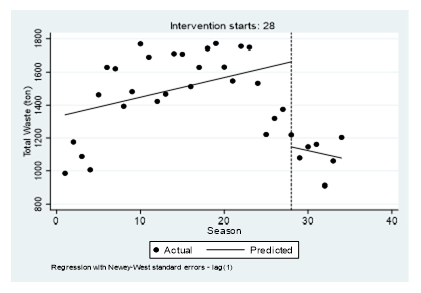
Figure 1: Trends in total hospital waste generation before and after the COVID-19 outbreak (2013–2022).
Table 4: ARIMA model selection and forecasting performance for total hospital waste (kg/day)
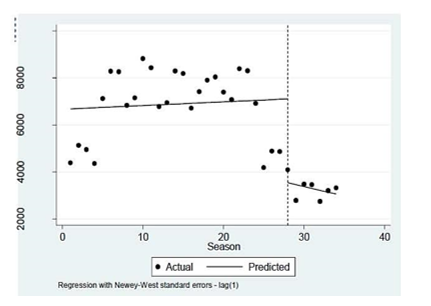
Figure 2: Forecast of total hospital waste generation in Qazvin province (2013-2022). using the ARIMA model.
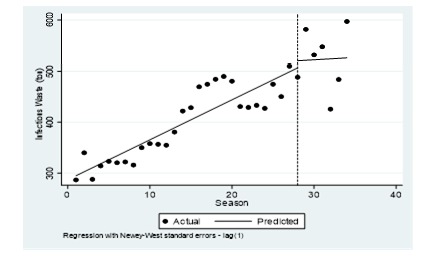
Figure 3: Forecast of infectious waste generation (2013-2022).
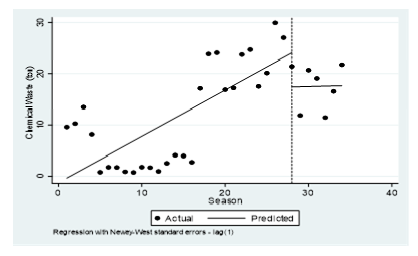
Figure 4: Forecast of chemical waste generation (2013-2022).
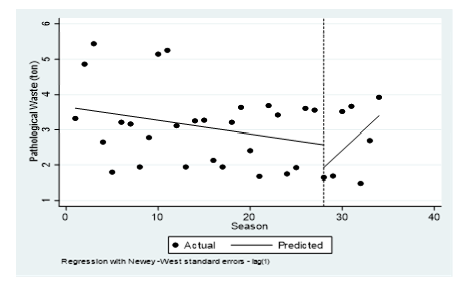
Figure 5: Forecast of Pathological waste generation (2013-2022).
Full-Text: (76 Views)
Analysis of Healthcare Waste Trends in Qazvin Province, Iran:
A 9-Year Assessment with ARIMA-Based Forecasting and Evaluation of the COVID-19 Pandemic Impact
Armita Mansouri 1, Hamzeh Ali Jamali 2*, Mehdi Ranjbaran 3, Fariba Jalali 4
1 Department of Environmental Health Engineering, faculty of health, Qazvin University of medical sciences, Qazvin, Iran.
2 Social Determinants of Health Center, Research Institute Prevention of Non-Communicable Diseases, Qazvin University of Medical Sciences, Qazvin, Iran
3Non-Communicable Diseases Research Center, Research Institute for Prevention of Non-Communicable Diseases, Qazvin University of Medical Sciences, Qazvin, Iran.
4 Department of Environmental planning, University of Tehran, Tehran, Iran.
A 9-Year Assessment with ARIMA-Based Forecasting and Evaluation of the COVID-19 Pandemic Impact
Armita Mansouri 1, Hamzeh Ali Jamali 2*, Mehdi Ranjbaran 3, Fariba Jalali 4
1 Department of Environmental Health Engineering, faculty of health, Qazvin University of medical sciences, Qazvin, Iran.
2 Social Determinants of Health Center, Research Institute Prevention of Non-Communicable Diseases, Qazvin University of Medical Sciences, Qazvin, Iran
3Non-Communicable Diseases Research Center, Research Institute for Prevention of Non-Communicable Diseases, Qazvin University of Medical Sciences, Qazvin, Iran.
4 Department of Environmental planning, University of Tehran, Tehran, Iran.
| A R T I C L E I N F O | ABSTRACT | |
| SYSTEMATIC REVIEW | Introduction: Healthcare waste management poses significant environmental and public health challenges in Qazvin Province, Iran, particularly following increased infectious waste during the 2020–2022 COVID-19 pandemic. This study characterized HCW production patterns across hospital types and seasons and projected future trends using time-series modeling. Methods: A descriptive-epidemiological design was used to analyze 108 monthly records (2013–2022) from all 16 hospitals in Qazvin Province. Waste was categorized into general, infectious, chemical, and pathological categories. Descriptive statistics, one-way ANOVA, and independent t-tests were used for the analysis. An ARIMA model forecasted waste volumes through 2024, while an Interrupted Time Series analysis assessed the pandemic impact with March 2020 as the intervention point. Results: The ARIMA (4,1,1) model predicted an increase in total HCW, from 8,500 kg/day in 2022 to 12,000 kg/day by 2024, driven by rising infectious and chemical waste. ITS analysis revealed a significant surge in infectious waste (β=+153.29, p<0.001) and a decline in general waste (β=-3571.59, p=0.001) post-pandemic. Seasonal variation was significant only for pathological waste (p=0.000), peaking in summer and autumn. Conclusion: HCW generation in Qazvin is dynamic and influenced by institutional, seasonal, and epidemiological factors. This projected upward trend necessitates the implementation of adaptive, data-driven waste management strategies. Proactive policies must incorporate flexible capacity planning and enhanced segregation protocols to ensure environmental protection and public health safety, while accommodating healthcare expansion and future pandemic preparedness. These interventions should align with Sustainable Development Goals 3 and 12, respectively. |
|
Article History: Received: 22 February 2026 Accepted: 20 April 2026 |
||
*Corresponding Author: Hamzeh Ali Jamali Email: hajamali@qums.ac.ir Tel: +98 912 381 9051 |
||
Keywords: Medical Waste, Time Series Analysis, Environmental Health, Statistical Models, Public Health Surveillance, Sustainable Waste Management. |
Citation: Mansouri A, Jamali HA, Ranjbaran M, et al. Analysis of Healthcare Waste Trends in Qazvin Province, Iran: A 9-Year Assessment with ARIMA-Based Forecasting and Evaluation of the COVID-19 Pandemic Impact. J Environ Health Sustain Dev. 2026; 11(2): 2997-3007.
Introduction
Healthcare waste (HCW) lies at a crucial point that connects public health, environmental safety, and sustainable development, especially in low- and middle-income countries (LMICs), where infrastructure and regulatory supervision are often unable to keep pace with the rapid growth of healthcare services1. The World Health Organization (WHO) defines HCW as all waste generated by healthcare facilities, including hospitals, clinics, laboratories, and research centers. HCW encompasses both non-hazardous (e.g., paper, food remnants, packaging) and hazardous fractions, such as infectious, chemical, pharmaceutical, cytotoxic, and pathological waste 2.While 75–90% of HCW is classified as general or "household-like," the remaining 10–25% is potentially infectious or toxic, posing significant risks of disease transmission, including hepatitis B and C, HIV, cholera, and multidrug-resistant organisms, if improperly managed 3.
Inadequate segregation, treatment, and disposal can lead to environmental contamination, occupational exposure among healthcare and waste workers, and even community-wide outbreaks4. The management of healthcare waste in Iran has become increasingly difficult due to urbanization, population growth, and the expansion of advanced healthcare services. Qazvin Province, located on a major transit corridor between northern and western Iran, hosts 16 active hospitals serving not only the local population but also transient and migrant groups, resulting in elevated waste generation pressures5. Official reports from Qazvin University of Medical Sciences indicate that hospitals in the province produced over 7.3 tons of HCW daily in 2020, with infectious waste constituting a substantial and volatile share 6. This burden was dramatically exacerbated by the 2020–2022 COVID-19 pandemic, which triggered a global surge in infectious waste due to personal protective equipment (PPE), single-use medical devices, and isolation protocols7.
In Iran, like many LMICs, the sudden spike overwhelmed existing treatment capacities, primarily autoclaving and landfilling, exposing systemic vulnerabilities in HCW management systems8.
Sustainable Development Goals (SDGs) represent a robust and relevant set of objectives to address the challenges of good hand. SDG 3 focuses on ensuring healthy lives and promoting well-being for all, with specific targets related to reducing mortality from preventable diseases and improving access to quality health care services. SDG 12 highlights the necessity of responsible consumption and production patterns. Among its targets are sustainable management and efficient use of natural resources, as well as preventing, reducing, recycling, and reusing waste to achieve a considerable reduction in waste generation. Efficient management of healthcare waste (HCW) protects the environment and healthcare workers and aids in achieving both SDG 12 and waste generation reduction goals through the application of resource-demanding strategies, including waste minimization.
Despite the growing recognition of this issue, most existing studies in Iran and similar settings remain descriptive or cross-sectional, focusing on waste quantification or characterization without incorporating predictive analytics9.
Time-series forecasting, particularly using Autoregressive Integrated Moving Average (ARIMA) models, offers a powerful, data-driven tool for anticipating future waste volumes, enabling proactive infrastructure planning, resource allocation, and policy formulation10. Moreover, few studies have systematically evaluated the longitudinal impact of public health emergencies, such as the COVID-19 pandemic, on HCW dynamics using robust quasi-experimental designs such as Interrupted Time Series (ITS) analysis11. By employing nine years of empirical data (2013–2022) from all 16 hospitals in Qazvin Province, combined with advanced statistical modeling, this study fills the major gaps that have been overlooked previously.
Materials and Methods
This study employed a descriptive epidemiological design to investigate healthcare waste (HCW) generation patterns and forecast future trends across all hospitals in Qazvin Province, Iran. The research population consisted of all 16 active hospitals in the province, including 10 public/teaching hospitals, 2 Social Security hospitals, and 4 private hospitals, catering to a varied patient population from urban, rural, and transient communities. Monthly HCW records were retrospectively collected for a nine-year period spanning from March 2013 (Farvardin 1392) to August 2022 (Mordad 1401), resulting in 108 observations. Data were obtained from hospital environmental health units under the supervision of Qazvin University of Medical Sciences and included the weights (in kg) of four distinct waste categories: general (non-hazardous), infectious (including sharps), chemical/pharmaceutical, and pathological (tissues, organs, and fetal remains). To ensure data validity and consistency in classification, a three-month on-site monitoring period was conducted at a representative sample of hospitals.
Waste generation was evaluated in terms of both absolute amounts (tons per quarter) and per capita amounts (kg per bed per quarter) using hospital bed capacity as the standard denominator. Descriptive statistics (mean ± standard deviation) were calculated for each waste category, classified by hospital type (public/teaching, Social Security, private) and season (spring, summer, autumn, winter). To assess intergroup differences, one-way analysis of variance 12 was used for comparisons across three or more groups (e.g., hospital types), while independent t-tests were applied for binary comparisons (e.g., pre- vs. post-pandemic periods). All descriptive and comparative analyses were performed using SPSS version 20, with statistical significance set at P < 0.05.
For forecasting and impact evaluation, time-series analytical methods were applied using STATA version 18. The Autoregressive Integrated Moving Average (ARIMA) modeling framework was selected because of its robustness in handling non-stationary data and its widespread application in waste forecasting studies13. The modeling process followed the standard Box-Jenkins methodology: 14 assessment of stationarity using the Augmented Dickey-Fuller (ADF) test; identification of model order through inspection of autocorrelation (ACF) and partial autocorrelation (PACF) functions; parameter estimation via maximum likelihood; and diagnostic checking using the Ljung-Box test and residual normality plots. The final ARIMA (4,1,1) model was selected based on the lowest Akaike Information Criterion (AIC) and satisfactory residual diagnostics results. This model was then used to project the total and category-specific HCW generation through the end of March 2024.
To isolate and quantify the impact of the COVID-19 pandemic, an Interrupted Time Series (ITS) analysis was conducted, with March 2020 designated as the intervention point, coinciding with the onset of national lockdown measures in Iran. The ITS model estimated both the immediate level change (discontinuity in the intercept) and the long-term slope change (alteration in trend) in HCW generation following the pandemic’s onset. This quasi-experimental design provides a strong inferential capacity for evaluating the effects of population-level interventions in the absence of a randomized control group15.
All time-series models were validated for goodness-of-fit and forecast accuracy using out-of-sample prediction tests and residual analyses.
This study was approved by the Ethics Committee of Qazvin University of Medical Sciences (Ethics Code: IR.QUMS.REC.1400.124). All procedures were conducted in accordance with the ethical standards of the Institutional Research Committee and the 1964 Helsinki Declaration and its later amendments.
Results
Waste Composition and Per Capita Generation
The examination of hospital waste production in Qazvin Province for the years 2013-2022 showed notable differences according to waste type, hospital type, and time period. The highest per capita waste production was observed for ordinary (non-hazardous) waste (mean = 3.52 kg/bed/day) and infectious waste (mean = 1.08 kg/bed/day), whereas chemical, pathological, and sharps waste constituted a much smaller proportion (Table 1).
Healthcare waste (HCW) lies at a crucial point that connects public health, environmental safety, and sustainable development, especially in low- and middle-income countries (LMICs), where infrastructure and regulatory supervision are often unable to keep pace with the rapid growth of healthcare services1. The World Health Organization (WHO) defines HCW as all waste generated by healthcare facilities, including hospitals, clinics, laboratories, and research centers. HCW encompasses both non-hazardous (e.g., paper, food remnants, packaging) and hazardous fractions, such as infectious, chemical, pharmaceutical, cytotoxic, and pathological waste 2.While 75–90% of HCW is classified as general or "household-like," the remaining 10–25% is potentially infectious or toxic, posing significant risks of disease transmission, including hepatitis B and C, HIV, cholera, and multidrug-resistant organisms, if improperly managed 3.
Inadequate segregation, treatment, and disposal can lead to environmental contamination, occupational exposure among healthcare and waste workers, and even community-wide outbreaks4. The management of healthcare waste in Iran has become increasingly difficult due to urbanization, population growth, and the expansion of advanced healthcare services. Qazvin Province, located on a major transit corridor between northern and western Iran, hosts 16 active hospitals serving not only the local population but also transient and migrant groups, resulting in elevated waste generation pressures5. Official reports from Qazvin University of Medical Sciences indicate that hospitals in the province produced over 7.3 tons of HCW daily in 2020, with infectious waste constituting a substantial and volatile share 6. This burden was dramatically exacerbated by the 2020–2022 COVID-19 pandemic, which triggered a global surge in infectious waste due to personal protective equipment (PPE), single-use medical devices, and isolation protocols7.
In Iran, like many LMICs, the sudden spike overwhelmed existing treatment capacities, primarily autoclaving and landfilling, exposing systemic vulnerabilities in HCW management systems8.
Sustainable Development Goals (SDGs) represent a robust and relevant set of objectives to address the challenges of good hand. SDG 3 focuses on ensuring healthy lives and promoting well-being for all, with specific targets related to reducing mortality from preventable diseases and improving access to quality health care services. SDG 12 highlights the necessity of responsible consumption and production patterns. Among its targets are sustainable management and efficient use of natural resources, as well as preventing, reducing, recycling, and reusing waste to achieve a considerable reduction in waste generation. Efficient management of healthcare waste (HCW) protects the environment and healthcare workers and aids in achieving both SDG 12 and waste generation reduction goals through the application of resource-demanding strategies, including waste minimization.
Despite the growing recognition of this issue, most existing studies in Iran and similar settings remain descriptive or cross-sectional, focusing on waste quantification or characterization without incorporating predictive analytics9.
Time-series forecasting, particularly using Autoregressive Integrated Moving Average (ARIMA) models, offers a powerful, data-driven tool for anticipating future waste volumes, enabling proactive infrastructure planning, resource allocation, and policy formulation10. Moreover, few studies have systematically evaluated the longitudinal impact of public health emergencies, such as the COVID-19 pandemic, on HCW dynamics using robust quasi-experimental designs such as Interrupted Time Series (ITS) analysis11. By employing nine years of empirical data (2013–2022) from all 16 hospitals in Qazvin Province, combined with advanced statistical modeling, this study fills the major gaps that have been overlooked previously.
Materials and Methods
This study employed a descriptive epidemiological design to investigate healthcare waste (HCW) generation patterns and forecast future trends across all hospitals in Qazvin Province, Iran. The research population consisted of all 16 active hospitals in the province, including 10 public/teaching hospitals, 2 Social Security hospitals, and 4 private hospitals, catering to a varied patient population from urban, rural, and transient communities. Monthly HCW records were retrospectively collected for a nine-year period spanning from March 2013 (Farvardin 1392) to August 2022 (Mordad 1401), resulting in 108 observations. Data were obtained from hospital environmental health units under the supervision of Qazvin University of Medical Sciences and included the weights (in kg) of four distinct waste categories: general (non-hazardous), infectious (including sharps), chemical/pharmaceutical, and pathological (tissues, organs, and fetal remains). To ensure data validity and consistency in classification, a three-month on-site monitoring period was conducted at a representative sample of hospitals.
Waste generation was evaluated in terms of both absolute amounts (tons per quarter) and per capita amounts (kg per bed per quarter) using hospital bed capacity as the standard denominator. Descriptive statistics (mean ± standard deviation) were calculated for each waste category, classified by hospital type (public/teaching, Social Security, private) and season (spring, summer, autumn, winter). To assess intergroup differences, one-way analysis of variance 12 was used for comparisons across three or more groups (e.g., hospital types), while independent t-tests were applied for binary comparisons (e.g., pre- vs. post-pandemic periods). All descriptive and comparative analyses were performed using SPSS version 20, with statistical significance set at P < 0.05.
For forecasting and impact evaluation, time-series analytical methods were applied using STATA version 18. The Autoregressive Integrated Moving Average (ARIMA) modeling framework was selected because of its robustness in handling non-stationary data and its widespread application in waste forecasting studies13. The modeling process followed the standard Box-Jenkins methodology: 14 assessment of stationarity using the Augmented Dickey-Fuller (ADF) test; identification of model order through inspection of autocorrelation (ACF) and partial autocorrelation (PACF) functions; parameter estimation via maximum likelihood; and diagnostic checking using the Ljung-Box test and residual normality plots. The final ARIMA (4,1,1) model was selected based on the lowest Akaike Information Criterion (AIC) and satisfactory residual diagnostics results. This model was then used to project the total and category-specific HCW generation through the end of March 2024.
To isolate and quantify the impact of the COVID-19 pandemic, an Interrupted Time Series (ITS) analysis was conducted, with March 2020 designated as the intervention point, coinciding with the onset of national lockdown measures in Iran. The ITS model estimated both the immediate level change (discontinuity in the intercept) and the long-term slope change (alteration in trend) in HCW generation following the pandemic’s onset. This quasi-experimental design provides a strong inferential capacity for evaluating the effects of population-level interventions in the absence of a randomized control group15.
All time-series models were validated for goodness-of-fit and forecast accuracy using out-of-sample prediction tests and residual analyses.
This study was approved by the Ethics Committee of Qazvin University of Medical Sciences (Ethics Code: IR.QUMS.REC.1400.124). All procedures were conducted in accordance with the ethical standards of the Institutional Research Committee and the 1964 Helsinki Declaration and its later amendments.
Results
Waste Composition and Per Capita Generation
The examination of hospital waste production in Qazvin Province for the years 2013-2022 showed notable differences according to waste type, hospital type, and time period. The highest per capita waste production was observed for ordinary (non-hazardous) waste (mean = 3.52 kg/bed/day) and infectious waste (mean = 1.08 kg/bed/day), whereas chemical, pathological, and sharps waste constituted a much smaller proportion (Table 1).
Table 1: Seasonal average of hospital waste generation by type (kg/bed/day) in Qazvin Province (1392–1400).
| Waste Type | Spring | Summer | Autumn | Winter | Annual Mean | p-value |
| Ordinary (Non-hazardous) | 3.2 | 3.52 | 3.73 | 3.13 | 3.52 | < 0.001 |
| Infectious | 1.05 | 1.09 | 1.11 | 1.07 | 1.08 | < 0.001 |
| chemical/pharmaceutical | 0.02 | 0.03 | 0.03 | 0.02 | 0.03 | < 0.001 |
| pathological | 0.00 | 1.01 | 0.01 | 0.00 | 0.009 | < 0.001 |
Seasonal and Institutional Variations
A significantly pronounced seasonal trend was observed in waste production in summer, leading to all categories (p < 0.001). Ordinary waste peaked at 3.52 kg/bed/day and infectious waste reached 1.08 kg/bed/day during this season.
Hospital type also significantly influenced the waste output. Social security hospitals generated the highest total waste (6.67 kg/bed/day), followed by public (4.64 kg/bed/day) and private hospitals (4.34 kg/bed/day) (p < 0.001) (Table 2).
A significantly pronounced seasonal trend was observed in waste production in summer, leading to all categories (p < 0.001). Ordinary waste peaked at 3.52 kg/bed/day and infectious waste reached 1.08 kg/bed/day during this season.
Hospital type also significantly influenced the waste output. Social security hospitals generated the highest total waste (6.67 kg/bed/day), followed by public (4.64 kg/bed/day) and private hospitals (4.34 kg/bed/day) (p < 0.001) (Table 2).
Table 2: Impact of the COVID-19 pandemic on hospital waste generation in Qazvin province: ITSA results
| Hospital Type | Total Waste | p-value |
| public/teaching | 4.64 | < 0.001 |
| Social Security Hospitals | 6.67 | |
| Private Hospitals | 4.34 |
Impact of the COVID-19 Pandemic
In March 2020, the COVID pandemic served as a significant moment of transition. Using Interrupted Time Series Analysis (ITSA), we observed a statistically significant decrease in ordinary waste (β = –3571.59 kg/quarter, p = 0.001) and a concurrent increase in infectious waste (β = +153.29 kg/quarter, p = 0.002) in the post-intervention period (Table 3). This shift reflects a significant reduction in elective procedures and non-COVID patient admissions, alongside a substantial increase in infectious materials generated by COVID-19 patients and healthcare workers.
In March 2020, the COVID pandemic served as a significant moment of transition. Using Interrupted Time Series Analysis (ITSA), we observed a statistically significant decrease in ordinary waste (β = –3571.59 kg/quarter, p = 0.001) and a concurrent increase in infectious waste (β = +153.29 kg/quarter, p = 0.002) in the post-intervention period (Table 3). This shift reflects a significant reduction in elective procedures and non-COVID patient admissions, alongside a substantial increase in infectious materials generated by COVID-19 patients and healthcare workers.
Table 3: Impact of the COVID-19 pandemic on hospital waste generation in Qazvin province: ITSA results
| Waste Type | Coefficient (β) | Standard Error | t-value | p-value | Interpretation |
| Ordinary Waste | – 3571.59 | 1018.30 | – 3.51 | 0.001 | Significant decrease post-pandemic |
| Infectious Waste | + 153.29 | 46.37 | + 3.31 | 0.002 | Significant increase post-pandemic |
| Chemical Waste | + 4.16 | 3.96 | + 1.05 | 0.300 | No significant change |
| Total Waste | + 55.86 | 63.43 | + 0.88 | 0.386 | No immediate level change |
Forecasting Future Waste Generation
To predict future waste amounts, the ARIMA (4,1,1) approach was chosen after checking key indicators (AIC = 108.2; Ljung-Box p = 0.42), which showed that it fits well and leaves no pattern in errors. The results suggest that the production of assistive waste in hospitals continues to increase dramatically, with figures indicating an estimated total daily generation of approximately 10,800 kg in 2023 and 12,000 kg in 2024. Subtype-specific projections indicate that infectious waste will remain elevated post-pandemic, eventually stabilizing at nearly twice the pre-pandemic levels. Ordinary waste is predicted to gradually grow and pass the previous levels by 2024, while the increase in the case of chemical and pathological waste will be slow but steady.
Figure 1 explicitly demonstrates that the trends in the amount of waste produced by hospitals shifted significantly after the outbreak of COVID-19, presenting significant growth levels of waste volumes as compared to the as compared to the comparatively stable post-2013 and pre-pandemic years of 2013 -2022.
To predict future waste amounts, the ARIMA (4,1,1) approach was chosen after checking key indicators (AIC = 108.2; Ljung-Box p = 0.42), which showed that it fits well and leaves no pattern in errors. The results suggest that the production of assistive waste in hospitals continues to increase dramatically, with figures indicating an estimated total daily generation of approximately 10,800 kg in 2023 and 12,000 kg in 2024. Subtype-specific projections indicate that infectious waste will remain elevated post-pandemic, eventually stabilizing at nearly twice the pre-pandemic levels. Ordinary waste is predicted to gradually grow and pass the previous levels by 2024, while the increase in the case of chemical and pathological waste will be slow but steady.
Figure 1 explicitly demonstrates that the trends in the amount of waste produced by hospitals shifted significantly after the outbreak of COVID-19, presenting significant growth levels of waste volumes as compared to the as compared to the comparatively stable post-2013 and pre-pandemic years of 2013 -2022.
Figure 1: Trends in total hospital waste generation before and after the COVID-19 outbreak (2013–2022).
To predict the upcoming waste amounts, the ARIMA (4,1,1) approach was chosen after checking key indicators (AIC = 108.2; Ljung-Box p = 0.42), which showed that it fits well and leaves no pattern in errors (Table 4). The results suggest that hospital waste will continue to rise, with a daily output of approximately 10,800 kg by 2023 and nearly 12,000 kg by 2024.
Table 4: ARIMA model selection and forecasting performance for total hospital waste (kg/day)
| Model | AIC | Ljung-Box Q (p-value) | Stationary R² | Forecast Year | Projected Waste (kg/day) |
| ARIMA (4,1,1) | 108.2 | 0.42 ( > 0.05) | 0.89 | 1401 | ~10,800 |
| ARIMA (4,1,1) | 108.2 | 0.42 ( > 0.05) | 0.89 | 1402 | ~12,000 |
This increasing trajectory is further illustrated in Figure 2, which shows both historical data and model-based projections until 2024.
A closer look revealed that public hospitals produced more waste per bed than private or social security hospitals (p < 0.001). In addition, waste amounts reached their highest point in summer, regardless of type, indicating a time-of-year effect (Table 1).
To predict the upcoming waste amounts, we selected an ARIMA (4,1,1) setup because it had the best AIC score along with solid residual checks (Ljung-Box p above 0.05). This setup suggests that hospital waste will continue to rise all the way into 1402 (2023), with daily totals likely reaching around 12,000 kg per day when the forecast is completed (Figure 2).
Subtype-specific outlooks suggest that infectious waste will remain high after the pandemic, eventually settling close to twice the pre-pandemic amount (Figure 3). In addition, regular waste is expected to climb back up, surpassing earlier levels by 2022 (Figure 4), whereas chemical and pathological waste
creeps upward slowly but consistently
(Figure 5).
A closer look revealed that public hospitals produced more waste per bed than private or social security hospitals (p < 0.001). In addition, waste amounts reached their highest point in summer, regardless of type, indicating a time-of-year effect (Table 1).
To predict the upcoming waste amounts, we selected an ARIMA (4,1,1) setup because it had the best AIC score along with solid residual checks (Ljung-Box p above 0.05). This setup suggests that hospital waste will continue to rise all the way into 1402 (2023), with daily totals likely reaching around 12,000 kg per day when the forecast is completed (Figure 2).
Subtype-specific outlooks suggest that infectious waste will remain high after the pandemic, eventually settling close to twice the pre-pandemic amount (Figure 3). In addition, regular waste is expected to climb back up, surpassing earlier levels by 2022 (Figure 4), whereas chemical and pathological waste
creeps upward slowly but consistently
(Figure 5).
Figure 2: Forecast of total hospital waste generation in Qazvin province (2013-2022). using the ARIMA model.
Figure 3: Forecast of infectious waste generation (2013-2022).
Figure 4: Forecast of chemical waste generation (2013-2022).
Figure 5: Forecast of Pathological waste generation (2013-2022).
Overall, these results show that hospital waste in Qazvin changes with seasons, facility traits, and outside events like the coronavirus outbreak. Solid forecasts using ARIMA models offer key insights needed to plan waste systems over time.
Discussion
This study provides a comprehensive analysis of hospital waste generation patterns in Qazvin Province from 2013 to 2022, with particular attention to the impact of the COVID-19 pandemic and future forecasting using ARIMA modeling. Our findings are consistent with and extend those of previous national and international studies.
The highest contributors to hospital waste were ordinary (non-hazardous) waste (3.52 kg/bed/day) and infectious waste (1.08 kg/bed/day) waste. This pattern is consistent with studies conducted in Tehran 14, Karaj 16, and Gorgan 13, which also identified ordinary and infectious waste as the predominant categories. However, the per capita generation in Qazvin is significantly higher than the national average reported by Rezaei et al. (1.8–2.5 kg/bed/day) 15, likely due to differences in hospital facilities, patient turnover rates, and waste segregation practices in the hospitals.
A strong seasonal pattern was observed, with the greatest waste production occurring during the summer months. This finding aligns with Shahbazi et al. (2015) in Karaj 17, who attributed higher summer waste volumes to increased outpatient visits, surgical procedures and seasonal infections. The underlying causes include higher temperatures, leading to increased food spoilage, more visitor traffic in hospitals, and seasonal peaks in respiratory and gastrointestinal illnesses. Additionally, summer months often coincide with academic calendar transitions, resulting in staff turnover and potentially inconsistent waste management practices.
Social security hospitals generated the highest waste per bed (6.67 kg/bed/day), which can be attributed to their larger size, comprehensive service range, higher patient volumes, and older infrastructure with less efficient resource utilization. This institutional difference has been reported in Mashhad 18and Tehran 19, reflecting systemic variations in healthcare delivery models and operational efficiency across different hospital types.
The divergent change in waste streams following the onset of the pandemic represents one of the most critical findings. The significant decrease in ordinary waste (β = –3571.59, p = 0.001) and increase in infectious waste (β = +153.29, p = 0.002) can be explained by several, interconnected factors. The reduction in ordinary waste resulted from the suspension of elective surgeries, decreased outpatient visits for non-urgent conditions, shortened hospital stays, and reduced visitor access to minimize the transmission of infection. Meanwhile, the increase in infectious waste stemmed from the substantial use of personal protective equipment (PPE), frequent changing of bed linens and patient gowns for suspected or confirmed cases, and higher volumes of contaminated materials from testing and treatment procedures 20.
The ARIMA (4,1,1) model's forecast of increasing total waste to approximately 12,000 kg/day by 2024 aligns with forecasting research conducted in Istanbul21, Tehran 19, and Hangzhou22. The high reliability of our model (Stationary R² = 0.89, non-significant Ljung-Box test p = 0.42) provides confidence in these projections. This increasing trajectory is driven by multiple factors: population growth in Qazvin Province (annual growth rate of 1.8%), expansion of healthcare services following pandemic recovery, aging infrastructure requiring more maintenance materials, and gradual return to pre-pandemic service volumes with added infection control measures.
The methodological novelty of this study lies in the integration of pandemic impact assessment with long-term forecasting. While numerous studies have described waste generation patterns or projected future volumes, few have combined these approaches, particularly in the Iranian context. The ITSA-based isolation of the pandemic effect, coupled with ARIMA-based projections, provides a robust framework for adaptive waste management planning in developing countries. The projected sustained increase in infectious waste post-pandemic necessitates scalable incineration capacity, enhanced staff training protocols, and real-time monitoring systems that align with WHO guidelines12.
1. Waste Composition and Per Capita Generation
We established that the highest contributors to hospital waste were ordinary (non-hazardous) waste (3.52 kg/bed/day) and infectious waste (1.08 kg/bed/day). This trend can be linked to the research conducted in Tehran, Karaj (Farzadkia et al., 2015)23, and Gorgan (Zazouli et al., 2016)24, which also indicated ordinary and infectious waste as the most frequent ones. However, the per capita generation in Qazvin is significantly greater than the national average reported by Rezaei et al. (2007)25 (1.8–2.5 kg/bed/day), perhaps because of the variation in hospital facilities, bed turnover, and separation of wastes.
2. Seasonal and Institutional Variations
There was also a strong seasonal pattern, with the greatest amount of waste produced in summer, presumably caused by higher rates of outpatient visits, surgery, and infection. This observation also supports the findings of Shahbazi et al. (2015)17 in Karaj, who reported high levels of waste production during warmer seasons. Moreover, social security hospitals produced the most waste per bed (6.67 kg/bed/day), which could be attributed to the fact that they are larger, more service-based, and have more patients than private hospitals. This institutional difference has been reported in studies conducted in Mashhad(Jalali & Nouri, 2008)18 and Tehran (Tabrizi et al., 2018)26.
3. Impact of the COVID-19 Pandemic
The divergent change of waste stream after the beginning of the pandemic, a significant decrease in the regular waste (0 = -3571.59, p = 0.001), and a considerable growth of the infectious waste (0 = +153.29, p = 0.002) is one of the most crucial findings of the present research. This two-sided tendency is confirmed by the latest evidence worldwide. For example, Tsai (2021) in Taiwan stated that medical waste has risen by 27% due to the pandemic, mainly because of PPE and infectious materials27. Similarly, Agamuthu and Barasarathi (2021) in Malaysia found that the amount of infectious waste in community hospitals doubled after the pandemic20. The findings confirm that the pandemic has changed the pattern of healthcare waste forever, which can change plans for long-term waste management.
4. Forecasting with ARIMA
The ARIMA (4,1,1) model forecasted an even higher growth of total waste in the hospital to approximately 12000 kg/day by 1402. This is in line with forecasting research conducted in Istanbul (Ceylan et al., 2020)21,Tehran (Ebrahimi et al., 2016)19, and Hangzhou (Zhang et al., 2019)22, where the researchers used time-series forecasting or hybrid models to predict the increase in waste volume as a result of population growth, urbanization, and expansion of healthcare services. Notably, the Stationary R 2 of our model is 0.89, and the non-significant Ljung-Box test (0.42) shows that our model is highly reliable, similar to other related models in the literature.
5. Policy Implications and Novelty
Although numerous studies have outlined the pattern of waste generation, few have combined the effect of the pandemic and strong forecasting in one model, especially in Iran. The ITSA-based isolation of the pandemic effect, along with the projections provided by the ARIMA, provides an opportunity to create a methodological improvement that can inform adaptive waste management policies. The estimate of the growth in the quantity of infectious waste even after the pandemic is a factor in the necessity of scalability in incineration capacity, personnel training, and real-time monitoring systems, as suggested by WHO (2014) and Chartier (2014) proposed as well28.
In summary, the results of our study are similar to the findings of both Iranian and international literature, thus supporting the worldwide applicability of the identified trends. However, the changes brought about by the pandemic and the anticipated growth in Qazvin are more striking than those in earlier studies, which can be attributed to the differences in healthcare dynamics in various regions. These findings confirm the necessity of prompt waste management policies based on data after the pandemic.
Conclusion
This study analyzed hospital waste generation in Qazvin Province from 2013 to 2022, with particular attention to the impact of the COVID-19 pandemic and future forecasting using ARIMA modeling. The data revealed that ordinary and infectious waste constitute the majority of hospital waste, with production fluctuating based on the season, facility type, and external events such as the pandemic. The onset of COVID-19 resulted in a significant decline in ordinary waste and a substantial increase in infectious waste, a pattern observed globally. Projections indicate that hospital waste will continue to rise, potentially reaching 12,000 kg daily by 2024.
Effective HCW management requires adaptive, data-informed approaches that address routine variations and respond to public health emergencies. Based on our findings, we propose the following recommendations.
Discussion
This study provides a comprehensive analysis of hospital waste generation patterns in Qazvin Province from 2013 to 2022, with particular attention to the impact of the COVID-19 pandemic and future forecasting using ARIMA modeling. Our findings are consistent with and extend those of previous national and international studies.
The highest contributors to hospital waste were ordinary (non-hazardous) waste (3.52 kg/bed/day) and infectious waste (1.08 kg/bed/day) waste. This pattern is consistent with studies conducted in Tehran 14, Karaj 16, and Gorgan 13, which also identified ordinary and infectious waste as the predominant categories. However, the per capita generation in Qazvin is significantly higher than the national average reported by Rezaei et al. (1.8–2.5 kg/bed/day) 15, likely due to differences in hospital facilities, patient turnover rates, and waste segregation practices in the hospitals.
A strong seasonal pattern was observed, with the greatest waste production occurring during the summer months. This finding aligns with Shahbazi et al. (2015) in Karaj 17, who attributed higher summer waste volumes to increased outpatient visits, surgical procedures and seasonal infections. The underlying causes include higher temperatures, leading to increased food spoilage, more visitor traffic in hospitals, and seasonal peaks in respiratory and gastrointestinal illnesses. Additionally, summer months often coincide with academic calendar transitions, resulting in staff turnover and potentially inconsistent waste management practices.
Social security hospitals generated the highest waste per bed (6.67 kg/bed/day), which can be attributed to their larger size, comprehensive service range, higher patient volumes, and older infrastructure with less efficient resource utilization. This institutional difference has been reported in Mashhad 18and Tehran 19, reflecting systemic variations in healthcare delivery models and operational efficiency across different hospital types.
The divergent change in waste streams following the onset of the pandemic represents one of the most critical findings. The significant decrease in ordinary waste (β = –3571.59, p = 0.001) and increase in infectious waste (β = +153.29, p = 0.002) can be explained by several, interconnected factors. The reduction in ordinary waste resulted from the suspension of elective surgeries, decreased outpatient visits for non-urgent conditions, shortened hospital stays, and reduced visitor access to minimize the transmission of infection. Meanwhile, the increase in infectious waste stemmed from the substantial use of personal protective equipment (PPE), frequent changing of bed linens and patient gowns for suspected or confirmed cases, and higher volumes of contaminated materials from testing and treatment procedures 20.
The ARIMA (4,1,1) model's forecast of increasing total waste to approximately 12,000 kg/day by 2024 aligns with forecasting research conducted in Istanbul21, Tehran 19, and Hangzhou22. The high reliability of our model (Stationary R² = 0.89, non-significant Ljung-Box test p = 0.42) provides confidence in these projections. This increasing trajectory is driven by multiple factors: population growth in Qazvin Province (annual growth rate of 1.8%), expansion of healthcare services following pandemic recovery, aging infrastructure requiring more maintenance materials, and gradual return to pre-pandemic service volumes with added infection control measures.
The methodological novelty of this study lies in the integration of pandemic impact assessment with long-term forecasting. While numerous studies have described waste generation patterns or projected future volumes, few have combined these approaches, particularly in the Iranian context. The ITSA-based isolation of the pandemic effect, coupled with ARIMA-based projections, provides a robust framework for adaptive waste management planning in developing countries. The projected sustained increase in infectious waste post-pandemic necessitates scalable incineration capacity, enhanced staff training protocols, and real-time monitoring systems that align with WHO guidelines12.
1. Waste Composition and Per Capita Generation
We established that the highest contributors to hospital waste were ordinary (non-hazardous) waste (3.52 kg/bed/day) and infectious waste (1.08 kg/bed/day). This trend can be linked to the research conducted in Tehran, Karaj (Farzadkia et al., 2015)23, and Gorgan (Zazouli et al., 2016)24, which also indicated ordinary and infectious waste as the most frequent ones. However, the per capita generation in Qazvin is significantly greater than the national average reported by Rezaei et al. (2007)25 (1.8–2.5 kg/bed/day), perhaps because of the variation in hospital facilities, bed turnover, and separation of wastes.
2. Seasonal and Institutional Variations
There was also a strong seasonal pattern, with the greatest amount of waste produced in summer, presumably caused by higher rates of outpatient visits, surgery, and infection. This observation also supports the findings of Shahbazi et al. (2015)17 in Karaj, who reported high levels of waste production during warmer seasons. Moreover, social security hospitals produced the most waste per bed (6.67 kg/bed/day), which could be attributed to the fact that they are larger, more service-based, and have more patients than private hospitals. This institutional difference has been reported in studies conducted in Mashhad(Jalali & Nouri, 2008)18 and Tehran (Tabrizi et al., 2018)26.
3. Impact of the COVID-19 Pandemic
The divergent change of waste stream after the beginning of the pandemic, a significant decrease in the regular waste (0 = -3571.59, p = 0.001), and a considerable growth of the infectious waste (0 = +153.29, p = 0.002) is one of the most crucial findings of the present research. This two-sided tendency is confirmed by the latest evidence worldwide. For example, Tsai (2021) in Taiwan stated that medical waste has risen by 27% due to the pandemic, mainly because of PPE and infectious materials27. Similarly, Agamuthu and Barasarathi (2021) in Malaysia found that the amount of infectious waste in community hospitals doubled after the pandemic20. The findings confirm that the pandemic has changed the pattern of healthcare waste forever, which can change plans for long-term waste management.
4. Forecasting with ARIMA
The ARIMA (4,1,1) model forecasted an even higher growth of total waste in the hospital to approximately 12000 kg/day by 1402. This is in line with forecasting research conducted in Istanbul (Ceylan et al., 2020)21,Tehran (Ebrahimi et al., 2016)19, and Hangzhou (Zhang et al., 2019)22, where the researchers used time-series forecasting or hybrid models to predict the increase in waste volume as a result of population growth, urbanization, and expansion of healthcare services. Notably, the Stationary R 2 of our model is 0.89, and the non-significant Ljung-Box test (0.42) shows that our model is highly reliable, similar to other related models in the literature.
5. Policy Implications and Novelty
Although numerous studies have outlined the pattern of waste generation, few have combined the effect of the pandemic and strong forecasting in one model, especially in Iran. The ITSA-based isolation of the pandemic effect, along with the projections provided by the ARIMA, provides an opportunity to create a methodological improvement that can inform adaptive waste management policies. The estimate of the growth in the quantity of infectious waste even after the pandemic is a factor in the necessity of scalability in incineration capacity, personnel training, and real-time monitoring systems, as suggested by WHO (2014) and Chartier (2014) proposed as well28.
In summary, the results of our study are similar to the findings of both Iranian and international literature, thus supporting the worldwide applicability of the identified trends. However, the changes brought about by the pandemic and the anticipated growth in Qazvin are more striking than those in earlier studies, which can be attributed to the differences in healthcare dynamics in various regions. These findings confirm the necessity of prompt waste management policies based on data after the pandemic.
Conclusion
This study analyzed hospital waste generation in Qazvin Province from 2013 to 2022, with particular attention to the impact of the COVID-19 pandemic and future forecasting using ARIMA modeling. The data revealed that ordinary and infectious waste constitute the majority of hospital waste, with production fluctuating based on the season, facility type, and external events such as the pandemic. The onset of COVID-19 resulted in a significant decline in ordinary waste and a substantial increase in infectious waste, a pattern observed globally. Projections indicate that hospital waste will continue to rise, potentially reaching 12,000 kg daily by 2024.
Effective HCW management requires adaptive, data-informed approaches that address routine variations and respond to public health emergencies. Based on our findings, we propose the following recommendations.
- Implement real-time digital monitoring systems for hospital waste, enabling dynamic forecasting and immediate response to unusual patterns
- Enhance waste segregation at source, particularly for infectious and chemical waste, to reduce treatment costs and environmental contamination risks
- Develop comprehensive contingency plans for waste management during public health crises, including scalable treatment capacity and emergency training protocols
- Establish activity-based indicators (e.g., patient-days, surgical volume) within forecasting models to improve accuracy and operational relevance
- Create a provincial HCW management coordination committee that brings together healthcare facilities, waste treatment providers, and regulatory authorities for integrated planning
This study demonstrates that proactive, evidence-based planning is essential for managing the growing burden of hospital waste in the post-pandemic era. The methodological framework presented, combining interrupted time series analysis with ARIMA forecasting, offers a replicable approach for health authorities worldwide seeking to anticipate and mitigate future waste challenges. Information stemmed solely from hospital paperwork, which may have been flawed by errors or differing disposal habits. Furthermore, fluctuations in waste were not connected to surgery counts, intensive care stays, or immunization efforts. The ARIMA model works well with statistics but relies on stable, straightforward patterns; it might miss sudden shifts, such as new rules or outbreaks. In addition, because this study focused solely on one area, its results may not apply elsewhere where hospitals are set up differently or the weather varies.
Acknowledgments
This article is derived from an M.Sc. thesis in Environmental Health Engineering from Qazvin University of Medical Sciences. The authors gratefully acknowledge the collaboration of environmental health officers in the hospitals of Qazvin Province, as well as the staff of the Qazvin County Health Center, especially Mr. Gholamreza Ahadi, for their valuable support and assistance in data collection and field coordination.
Conflict of Interest
The authors declare that there is no conflict of interest regarding the publication of this article
Funding
This research did not receive any specific grants from any funding agency in the public, commercial, or not-for-profit sectors.
Ethical Considerations
IR.QUMS.REC.1400.124
Authors' Contributions
Hamzeh Ali Jamali: Conceptualization, Methodology, Supervision, Validation, Writing - review & editing, Project administration.
Mehdi Ranjbaran: Formal analysis, Statistical methodology, Software (ARIMA modeling), Validation, Writing - review & editing.
Armita Mansouri: Conceptualization, Methodology design, Supervision, Resources, Fariba Jalali: Preparing the first draft of the manuscript. Writing - review & editing
All authors have read and approved the final version of this manuscript. Hamze Ali Jamali is the corresponding author responsible for communication with the journal and readers.
This is an Open-Access article distributed in accordance with the terms of the Creative Commons Attribution (CC BY 4.0) license, which permits others to distribute, remix, adapt, and build upon this work for commercial use.
References
1. Jalali F, Mosayyebi M, Atashzaban Z, et al. Qualitative and quantitative analysis of dental clinics waste in Karaj City, Iran. Journal of Advances in Environmental Health Research. 2025;13(3):176-82.
2. Cirstea I, Radu A-F, Radu A, et al. Healthcare waste toxicity: from human exposure to toxic mechanisms and management strategies. J Xenobiot. 2025;15(5):155.
3. Janik-Karpinska E, Brancaleoni R, Niemcewicz M, et al., editors. Healthcare waste—a serious problem for global health. Healthcare; 2023: MDPI.
4. Kumar V, Gaurav G. Environmental and healthcare issues of medical waste. Int J Environ Sci. 2025;11(11s):1093-101.
5. Jamialahmadi N, Rahimi S, Esmaeili A. Hospital wastewater in Iran: a systematic review and challenges for proper management during coronavirus disease (2019) pandemic. Journal of Applied Research in Water and Wastewater. 2021;8(1):59-65.
6. Kalhor R, Kiaei MZ, Mohebbifar R, et al. Prioritizing the options for health-care waste management in qazvin: using a multi-criteria decision making approach. Journal of Biology and Today's World. 2016;5(6):101-6.
7. Jalali F, Ghobadi N. Environmental risk assessment of dry solid waste separation in urban districts using FMEA: a case study in Karaj city. Health Science Monitor. 2025;4(1):72-81.
8. Yousefi M, Oskoei V, Jonidi Jafari A, et al. Municipal solid waste management during COVID-19 pandemic: effects and repercussions. Environ Sci Pollut Res Int. 2021;28(25):32200-9.
9. Dastpak H, Golbaz S, Farzadkia M, editors. Hospital waste minimisation, separation, treatment and disposal in Iran: a mini review study. Proceedings of the Institution of Civil Engineers-Waste and Resource Management; 2017: Thomas Telford Ltd.
10. Rodrigues M, Miguéis V. A literature review on the quantitative approaches to food waste: descriptive, predictive, and prescriptive analyses. Environ Sci Pollut Res Int. 2025:1-37.
11. di H, Mulyadi A, Prajogo S, et al. Predicting waste volume using ARIMA and ARFIMA models. International Research Journal of Multidisciplinary Scope. 2025;06:97-105.
12. Mammadov E, Timirkhanov S, Shiganova T, et al. Management of Caspian biodiversity protection and conservation. Springer; 2016.
13. Talirongan H. Modeling regional trends in waste production across the Philippines using ARIMA. International Journal of Applied. 2024;7(6):47-58.
14. Green infrastructure :concepts, perceptions and its use in spatial planning. Newcastle University: Newcastle University. 2010.
15. Kennedy-Shaffer L. Quasi-experimental methods for pharmacoepidemiology: difference-in-differences and synthetic control methods with case studies for vaccine evaluation. American J Epidemiol. 2024;193(7):1050-8.
16. Abd El-Salam MM. Hospital waste management in El-Beheira governorate, Egypt. J Environ Manage. 2010;91(3): 618-29.
17. Shahbazi A, Bagheri ZF, Aboomaash ZH. The survey of effective factors on waste generation in Emam Khomaini hospital in Karaj and the analysis of the rate estimation using time series model ARIMA. 2015.
18. Zade M, Noori R. Prediction of municipal solid waste generation by use of artificial neural network: a case study of Mashhad. 2007.
19. Ebrahimi A, Ehrampoush M, Hashemi H, et al. Predicting municipal solid waste generation through time series method (ARMA technique) and system dynamics modeling (Vensim Software). 2016.
20. Agamuthu P, Barasarathi J. Clinical waste management under COVID-19 scenario in Malaysia. Waste Management & Research. 2021;39(1_suppl):18-26.
21. Ceylan Z, Bulkan S, Elevli S. Prediction of medical waste generation using SVR, GM (1, 1) and ARIMA models: a case study for megacity Istanbul. J Environ Health Sci Eng. 2020;18(2):687-97.
22. Zhang Z, Zhang Y, Wu D. Hybrid model for the prediction of municipal solid waste generation in Hangzhou, China. Waste Manag Res. 2019;37(8):781-92.
23. Farzadkia M, Golbaz S, Sajadi HS. Surveying Hospital Waste Management in Karaj in the year of 2013. Hospital. 2013.
24. Zazouli MA, Alavinia SM, Bay A. Medical waste generation in gorgan hospitals, 2014. Journal of Mazandaran University of Medical Sciences. 2016;25(132):304-8.
25. Rezaei F, Monavari S, Omrani Ga. An assessment of hospital waste management system in areas of waste storage, collection and disposal in private hospitals of Tehran. 2007.
26. Tabrizi JS, Rezapour R, Saadati M, et al. Medical waste management in community health centers. Iran J Public Health. 2018;47(2):286.
27. Tsai W-T. Analysis of medical waste management and impact analysis of COVID-19 on its generation in Taiwan. Waste Manag Res. 2021;39(1_suppl):27-33.
28. Chartier Y. Safe management of wastes from health-care activities: World Health Organization; 2014.
Acknowledgments
This article is derived from an M.Sc. thesis in Environmental Health Engineering from Qazvin University of Medical Sciences. The authors gratefully acknowledge the collaboration of environmental health officers in the hospitals of Qazvin Province, as well as the staff of the Qazvin County Health Center, especially Mr. Gholamreza Ahadi, for their valuable support and assistance in data collection and field coordination.
Conflict of Interest
The authors declare that there is no conflict of interest regarding the publication of this article
Funding
This research did not receive any specific grants from any funding agency in the public, commercial, or not-for-profit sectors.
Ethical Considerations
IR.QUMS.REC.1400.124
Authors' Contributions
Hamzeh Ali Jamali: Conceptualization, Methodology, Supervision, Validation, Writing - review & editing, Project administration.
Mehdi Ranjbaran: Formal analysis, Statistical methodology, Software (ARIMA modeling), Validation, Writing - review & editing.
Armita Mansouri: Conceptualization, Methodology design, Supervision, Resources, Fariba Jalali: Preparing the first draft of the manuscript. Writing - review & editing
All authors have read and approved the final version of this manuscript. Hamze Ali Jamali is the corresponding author responsible for communication with the journal and readers.
This is an Open-Access article distributed in accordance with the terms of the Creative Commons Attribution (CC BY 4.0) license, which permits others to distribute, remix, adapt, and build upon this work for commercial use.
References
1. Jalali F, Mosayyebi M, Atashzaban Z, et al. Qualitative and quantitative analysis of dental clinics waste in Karaj City, Iran. Journal of Advances in Environmental Health Research. 2025;13(3):176-82.
2. Cirstea I, Radu A-F, Radu A, et al. Healthcare waste toxicity: from human exposure to toxic mechanisms and management strategies. J Xenobiot. 2025;15(5):155.
3. Janik-Karpinska E, Brancaleoni R, Niemcewicz M, et al., editors. Healthcare waste—a serious problem for global health. Healthcare; 2023: MDPI.
4. Kumar V, Gaurav G. Environmental and healthcare issues of medical waste. Int J Environ Sci. 2025;11(11s):1093-101.
5. Jamialahmadi N, Rahimi S, Esmaeili A. Hospital wastewater in Iran: a systematic review and challenges for proper management during coronavirus disease (2019) pandemic. Journal of Applied Research in Water and Wastewater. 2021;8(1):59-65.
6. Kalhor R, Kiaei MZ, Mohebbifar R, et al. Prioritizing the options for health-care waste management in qazvin: using a multi-criteria decision making approach. Journal of Biology and Today's World. 2016;5(6):101-6.
7. Jalali F, Ghobadi N. Environmental risk assessment of dry solid waste separation in urban districts using FMEA: a case study in Karaj city. Health Science Monitor. 2025;4(1):72-81.
8. Yousefi M, Oskoei V, Jonidi Jafari A, et al. Municipal solid waste management during COVID-19 pandemic: effects and repercussions. Environ Sci Pollut Res Int. 2021;28(25):32200-9.
9. Dastpak H, Golbaz S, Farzadkia M, editors. Hospital waste minimisation, separation, treatment and disposal in Iran: a mini review study. Proceedings of the Institution of Civil Engineers-Waste and Resource Management; 2017: Thomas Telford Ltd.
10. Rodrigues M, Miguéis V. A literature review on the quantitative approaches to food waste: descriptive, predictive, and prescriptive analyses. Environ Sci Pollut Res Int. 2025:1-37.
11. di H, Mulyadi A, Prajogo S, et al. Predicting waste volume using ARIMA and ARFIMA models. International Research Journal of Multidisciplinary Scope. 2025;06:97-105.
12. Mammadov E, Timirkhanov S, Shiganova T, et al. Management of Caspian biodiversity protection and conservation. Springer; 2016.
13. Talirongan H. Modeling regional trends in waste production across the Philippines using ARIMA. International Journal of Applied. 2024;7(6):47-58.
14. Green infrastructure :concepts, perceptions and its use in spatial planning. Newcastle University: Newcastle University. 2010.
15. Kennedy-Shaffer L. Quasi-experimental methods for pharmacoepidemiology: difference-in-differences and synthetic control methods with case studies for vaccine evaluation. American J Epidemiol. 2024;193(7):1050-8.
16. Abd El-Salam MM. Hospital waste management in El-Beheira governorate, Egypt. J Environ Manage. 2010;91(3): 618-29.
17. Shahbazi A, Bagheri ZF, Aboomaash ZH. The survey of effective factors on waste generation in Emam Khomaini hospital in Karaj and the analysis of the rate estimation using time series model ARIMA. 2015.
18. Zade M, Noori R. Prediction of municipal solid waste generation by use of artificial neural network: a case study of Mashhad. 2007.
19. Ebrahimi A, Ehrampoush M, Hashemi H, et al. Predicting municipal solid waste generation through time series method (ARMA technique) and system dynamics modeling (Vensim Software). 2016.
20. Agamuthu P, Barasarathi J. Clinical waste management under COVID-19 scenario in Malaysia. Waste Management & Research. 2021;39(1_suppl):18-26.
21. Ceylan Z, Bulkan S, Elevli S. Prediction of medical waste generation using SVR, GM (1, 1) and ARIMA models: a case study for megacity Istanbul. J Environ Health Sci Eng. 2020;18(2):687-97.
22. Zhang Z, Zhang Y, Wu D. Hybrid model for the prediction of municipal solid waste generation in Hangzhou, China. Waste Manag Res. 2019;37(8):781-92.
23. Farzadkia M, Golbaz S, Sajadi HS. Surveying Hospital Waste Management in Karaj in the year of 2013. Hospital. 2013.
24. Zazouli MA, Alavinia SM, Bay A. Medical waste generation in gorgan hospitals, 2014. Journal of Mazandaran University of Medical Sciences. 2016;25(132):304-8.
25. Rezaei F, Monavari S, Omrani Ga. An assessment of hospital waste management system in areas of waste storage, collection and disposal in private hospitals of Tehran. 2007.
26. Tabrizi JS, Rezapour R, Saadati M, et al. Medical waste management in community health centers. Iran J Public Health. 2018;47(2):286.
27. Tsai W-T. Analysis of medical waste management and impact analysis of COVID-19 on its generation in Taiwan. Waste Manag Res. 2021;39(1_suppl):27-33.
28. Chartier Y. Safe management of wastes from health-care activities: World Health Organization; 2014.
Type of Study: Original articles |
Subject:
Air and waste management
Received: 2026/02/22 | Accepted: 2026/04/20 | Published: 2026/06/20
Received: 2026/02/22 | Accepted: 2026/04/20 | Published: 2026/06/20
Send email to the article author
| Rights and permissions | |
 |
This work is licensed under a Creative Commons Attribution-NonCommercial 4.0 International License. |