
Volume 11, Issue 3 (September 2026)
J Environ Health Sustain Dev 2026, 11(3): 3099-3112 |
Back to browse issues page


Ethics code: IR.SSU.SPH.REC.1402.064


Download citation:
BibTeX | RIS | EndNote | Medlars | ProCite | Reference Manager | RefWorks
Send citation to:


BibTeX | RIS | EndNote | Medlars | ProCite | Reference Manager | RefWorks
Send citation to:
Mazloumi Mahmoud Abad S S, Rajabalipour M, Alidosti M, Ebrahimi A A, Abbasi A. Factors and Components Affecting Waste Separation Behaviors from The Source in Iran (Rapid Literature Review). J Environ Health Sustain Dev 2026; 11 (3) :3099-3112
URL: http://jehsd.ssu.ac.ir/article-1-1025-en.html
URL: http://jehsd.ssu.ac.ir/article-1-1025-en.html
Seyed Saeed Mazloumi Mahmoud Abad  , Mohammadreza Rajabalipour , Masoumeh Alidosti , Ali Asghar Ebrahimi , Aazam Abbasi *
Department of Health Education and Health Promotion, Shahid Sadoughi University of Medical Sciences, Yazd, Iran
Keywords: Waste Segregation/Separation, Recycling, Waste Separation Behavior, Environmental Health, Health Knowledge, Attitudes, Practice, Iran.
Full-Text [PDF 580 kb]
(63 Downloads)
| Abstract (HTML) (182 Views)
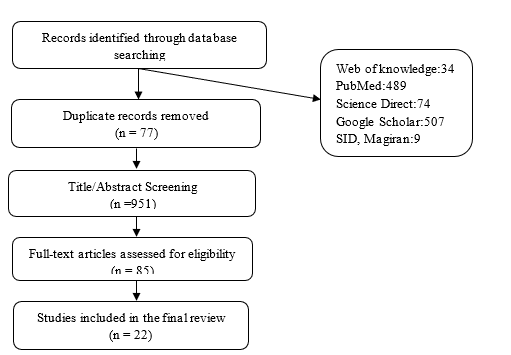
Table 2: Characteristics of reviewed articles.
Of the 22 included studies, 10 were published in 2019. No studies were published after 2021 within the review period. Regarding indexing, five articles were indexed in PubMed, seven in Scopus, and four in Web of Science.
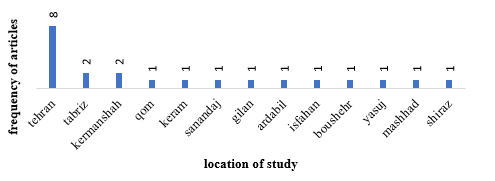
Most of the reviewed studies were conducted in Tehran, indicating a geographical concentration of research in the capital city compared to other regions of Iran. (Chart 1, 2, 3)
Full-Text: (20 Views)
Factors and Components Affecting Waste Separation Behaviors from The Source in Iran (Rapid Literature Review)
Seyed Saeed Mazloumi Mahmoud Abad 1 , Mohammadreza Rajabalipour 2 , Masoumeh Alidosti 3 ,
Ali Asghar Ebrahimi 4 , Aazam Abbasi *5
1 Department of Health Education and Health Promotion, Faculty of Health, Research Center for Social Factors Affecting Health, Shahid Sadoughi University of Medical Sciences, Yazd, Iran.
2 Department of Health Education and Health Promotion, Shahid Sadoughi University of Medical Sciences, Yazd, Iran.
3 Department of Public Health, School of Health, Shahrekord University of Medical Sciences, Shahrekord, Iran.
4 Environmental science and technology research center, Shahid Sadoughi University of Medical Sciences, Yazd, Iran.
5 Department of Health Education and Health Promotion, Shahid Sadoughi University of Medical Sciences, Yazd, Iran.
Seyed Saeed Mazloumi Mahmoud Abad 1
Ali Asghar Ebrahimi 4
1 Department of Health Education and Health Promotion, Faculty of Health, Research Center for Social Factors Affecting Health, Shahid Sadoughi University of Medical Sciences, Yazd, Iran.
2 Department of Health Education and Health Promotion, Shahid Sadoughi University of Medical Sciences, Yazd, Iran.
3 Department of Public Health, School of Health, Shahrekord University of Medical Sciences, Shahrekord, Iran.
4 Environmental science and technology research center, Shahid Sadoughi University of Medical Sciences, Yazd, Iran.
5 Department of Health Education and Health Promotion, Shahid Sadoughi University of Medical Sciences, Yazd, Iran.
| A R T I C L E I N F O | ABSTRACT | |
| REVIEW ARTICLE | Introduction: Increasing waste generation and inadequate management pose major environmental and public health challenges. Source separation is an effective strategy for reducing these impacts and improving resource recovery. this rapid review synthesized recent studies to identify the behavioral, educational, and environmental factors influencing waste separation behavior in Iran. Methods: English- and Persian-language studies published within the last five years were identified through Google Scholar, PubMed, and Science Direct using keywords including “source separation” AND “Iran.” Following the PRISMA framework, 1,113 records were screened through a five-stage selection process. Study quality was assessed using a modified Strengthening the Reporting of STROBE of Epidemiology checklist, and 22 studies met the inclusion criteria. Data were extracted and quantitatively analyzed to summarize study characteristics and determinants of waste separation behavior. Results: Among the 22 included studies, knowledge and awareness were the most frequently reported determinants (18 studies), followed by attitudes (16) and perceived behavioral control or subjective norms (15). Educational (6) and environmental (5) factors were also influential. The widespread application of the Theory of Planned Behavior (TPB) and Knowledge, Attitude, and Practice (KAP) models highlights the importance of cognitive and psychosocial factors. Individual beliefs, institutional support, social influences, access to facilities, and community-based education were associated with greater participation in source separation. Conclusion: Knowledge and attitudes were the strongest determinants of waste separation behavior in Iran. TPB-based educational interventions, integrated with supportive environmental and policy measures, may enhance public participation, increase awareness, and improve source separation practices across communities. |
|
Article History: Received: 23 May 2026 Revised: 14 July 2026 Accepted: 20 July 2026 |
||
*Corresponding Author: Aazam Abbasi Email: maaf102030@gmail.com Tel: +98 35 38209100 |
||
Keywords: Waste Segregation/Separation, Recycling, Waste Separation Behavior, Environmental Health, Health Knowledge, Attitudes, Practice, Iran. |
Citation: Mazloumi Mahmoud Abad SS, Rajabalipour M, Alidosti M, et al. Factors and Components Affecting Waste Separation Behaviors from The Source in Iran (Rapid Literature Review). J Environ Health Sustain Dev. 2026; 11(3): 3099-112.
Introduction
Waste generation has existed since the beginning of human civilization and has always been a major challenge for public health and society as a whole. With population growth, urbanization, industrialization, product diversity, consumer lifestyles, and new technologies, the importance of effective waste management has increased significantly1, 2.
From past years to the present, one of the key aspects of improving public health and hygiene has been environmental protection and maintaining a sustainable ecosystem. In this context, waste plays a dual role 3. On the one hand, the production and accumulation of waste will destroy the environment. According to the estimates of various studies, it is estimated that by 2025, global societies will reach 2.2 billion tons of waste production per year, and this matter will be more important when we know that In Iran, waste production is almost 2 to 3 times higher than the global average per year4. On the other hand, effective waste management contributes to resource conservation and maintains ecosystem stability 5. For instance, recycling one ton of paper can preserve the equivalent of 15 trees 6. Similarly, glass recycling reduces gas consumption by up to 90%. In the context of air pollution—a major environmental concern in Iran and globally—aluminum production from recycled scrap can cut industrial air pollution by as much as 95%7, 8. These examples, among many others, demonstrate the critical role of waste management in addressing contemporary environmental challenges 9.
Different countries have adopted varying waste management policies tailored to their specific conditions and available infrastructure. These programs are implemented at both the individual and societal levels. Generally, sustainable waste management strategies can be categorized into three key approaches: (1) recycling, (2) reuse, and (3) waste reduction. Collectively, these initiatives aim to mitigate the environmental and health hazards associated with waste while maximizing the utilization of waste as a valuable resource for energy and materials 10, 11.
In line with these policies, countries have adopted diverse waste management approaches tailored to their specific contexts. For instance, China primarily relies on traditional methods for waste disposal and reuse, reflecting its historical practices and infrastructure. In contrast, Germany employs advanced technologies to convert waste into reusable materials, showcasing a modern, technology-driven approach to resource recovery12, 13. Selecting the optimal waste management method depends on multiple factors, including the waste type, per capita generation rates, and other socioeconomic and environmental indicators. However, the focus on waste management is not a recent development; it has been a global priority for decades, reflecting its critical role in sustainable development 14, 15. Although rudimentary recycling efforts emerged in the 1930s, it was not until the 1980s that structured waste management initiatives were adopted on a global scale16
In Iran, recycling and waste management policies were first introduced into health system programs in 1959 (1338 Solar Hijri). By 1972 (1351 Solar Hijri), the production of organic fertilizers from waste was also initiated. To date, Iran has developed various waste management policies, with multiple programs currently being implemented to cover waste production, disposal, recycling, and processing. However, a comprehensive scientific evaluation is required to assess the effectiveness of these programs in recent years17.
Iran presents unique circumstances that are distinct from those of many other nations, both in terms of ecological sustainability and its particular demographic and cultural composition. Current data indicate that Iran's per capita waste generation ranges from 600 to 900 grams per person daily, which significantly exceeds global averages. Implementing proper waste management strategies can not only address this challenge but also contribute to sustainable energy solutions.
Research indicates that basic measures, such as source separation of dry and wet waste (particularly at the household level), could reduce waste management costs by up to 80%, while simultaneously generating positive economic impacts for families through improved cost efficiency 18.
Source separation of waste is the first step in proper waste management and is one of the small yet crucial measures in recycling. Statistics indicate that the rate of source separation varies widely across different cities in Iran, ranging from approximately 5% in Tehran to approximately 18% in Isfahan and Shiraz 19, 20. Numerous factors influence source separation behavior, and more importantly, waste management is a collective responsibility. Municipal institutions and waste management services alone cannot achieve significant success without the participation of all members of society
Therefore, identifying the factors influencing waste separation behavior and analyzing their impact are among the most critical priorities for policymakers and planners in waste management. In recent years, several comprehensive review studies have been conducted at various levels to identify and model these factors. However, many of the findings are inconsistent with Iran’s sociocultural context, and some domestic studies fail to adequately address local conditions.
Given this gap, the present study aims to provide a concise review of Iran’s internal research to identify the key factors and components affecting waste segregation behavior within the country’s specific context. Subsequently, it seeks to adapt effective intervention models to promote these behaviors, ensuring a more precise and principled approach to implementation.
Although several international reviews have identified factors such as environmental concerns, economic incentives, and perceived convenience as determinants of waste separation behavior, the relative importance of these factors varies substantially across sociocultural settings. In Iran, factors such as family influence, subjective norms, municipal policies, community participation, and cultural values may play a more prominent role than those reported in Western contexts. Moreover, existing reviews rarely focus specifically on Iran or examine the behavioral theories underpinning waste separation interventions. This gap limits the development of context-specific evidence for policymakers and intervention designers.
Material and Methods
This study employed a rapid review with a quantitative descriptive approach to identify factors influencing waste separation-at-source behaviors in Iran and to examine the application of behavioral theories and models in related interventions.
Relevant Persian and English keywords were identified through expert consultation and selected based on the Medical Subject Headings (MeSH) terminology. A structured search strategy was then developed and applied to major Persian and international databases to retrieve studies related to urban and household waste separation behavior in Iran.
In line with the rapid review approach, the search was primarily restricted to article titles to increase feasibility and reduce irrelevant records; however, this may have resulted in the omission of some eligible studies indexed only in the abstracts or keywords.
Study selection followed a PRISMA-guided screening process. Data extraction was conducted using a standardized form. A modified STROBE checklist was used to assess reporting quality for descriptive purposes. No studies were excluded based on the quality assessment results.
Finally, a narrative and descriptive synthesis was conducted to summarize the key determinants of waste separation behavior and the use of behavioral theories and models in the included studies.
Main research questions
According to the research team's opinion and the aims of the study, the research questions for the review of the texts were considered as follows:
1- What factors are effective in waste separation behaviors in articles?
2- What theories and models have been used to adjust or promote waste separation behaviors in these articles? We used a quantitative approach to answer both questions.
Keywords search strategy
This rapid review examined eight databases (six English and two Persian). The search strategy employed the following keywords:
- English: "Behavior", "Waste segregation OR Waste separation"
- Persian: " Used translated versions of the Behavior", "Waste segregation OR Waste separation "
Searches were initially performed on article titles and abstracts, followed by full-text screening. The review also included a quantitative evaluation of behavioral change models and theories applied in the selected studies. The complete search strategy is detailed in Table 1 (Table 1).
| Table 1: Search strategy for articles related to the waste separation. | ||
| Keywords | Databases* | Search strategy |
| Waste separation, Waste segregation, Behaviors, |
PubMed | ((“waste separation behavior” [Title]) OR (“waste segregation behavior” [Title]) ( |
| WOS | TI= ((“waste separation behavior” OR “waste segregation behavior” )) | |
| Science Direct | ((“waste separation behavior”) OR (“waste segregation behavior”]) ( Title). | |
| Google Scholar | allintitle: (("waste separation behavior" OR "waste segregation behavior")) | |
| Used translated versions of the Behavior", "Waste segregation OR Waste separation | SID,Magiran | ((“waste separation behavior”) OR (“waste segregation behavior”]) (( " |
| * Owing to access limitations to Scopus and MEDLINE databases during the study period, these databases were not searched. | ||
Eligibility criteria (Include/Exclude)
Studies published between 2019 and 2023 that focused on waste separation behavior, its determinants, predictors, or related interventions were eligible for inclusion. Only peer-reviewed articles with full-text availability were included. Studies conducted outside Iran, those unrelated to household or municipal waste separation behavior, and those focusing on industrial waste, environmental damage, or waste-related disasters were excluded. To minimize publication bias and ensure a comprehensive understanding of factors influencing waste separation behavior, both statistically significant and non-significant findings were considered eligible for inclusion.
Study selection and methodological quality assessment
Total of 1,113 records were identified through database searching. After removing duplicate records, titles and abstracts were screened according to the predefined eligibility criteria. Potentially relevant studies were then subjected full-text assessment. Methodological quality was evaluated using a modified STROBE checklist, and studies with a quality score of 50% or higher were included in the review. Following the screening and quality assessment process, 22 studies met the eligibility criteria and were included in the final analysis of this review. Data were extracted using a standardized data extraction form and descriptively synthesized. The study selection process, including identification, screening, eligibility assessment, and final inclusion of studies, is illustrated in Figure 1, in accordance with the PRISMA 2020 guidelines 21-42 (Flowchart 1).
Figure 1: Flowchart of the rapid Literature Review.
Data Analysis
Data were analyzed using a quantitative descriptive synthesis. The findings were summarized using frequency and percentage for study characteristics, determinants of waste separation behavior, and reported behavior change theories and models. Study quality (modified STROBE) was considered in the interpretation. Given the heterogeneity across studies, a meta-analysis was not performed, and the results were narratively synthesized. Data were extracted using a standardized data extraction form and analyzed using descriptive quantitative synthesis.
Results
Of the 22 articles retained for review, 16 employed a quantitative approach and six employed a qualitative approach. In addition, five articles were interventional studies, eight were cross-sectional, seven were analytical, and two were comparative studies (Table 2,3).
Table 2: Characteristics of reviewed articles.
| Codes | Corresponded author | Location of study | Published year |
Study type | Samples size |
| 01 | Siamak Mohebi | QOM | 2020 | Interventional | 88 |
| 02 | Ehsan Movahed | KERMAN | 2019 | Cross Sectional | 400 |
| 03 | Hamid Allahverdipour | TABRIZ | 2019 | Analytical | 14 |
| 04 | Zahra Sadat Asadi | SANANDAJ | 2019 | Interventional | 144 |
| 05 | Taher Parizadi | AMLASH | 2019 | Cross Sectional | 358 |
| 06 | Somayeh hemmati | ARDABIL | 2019 | Cross Sectional | 100 |
| 07 | Azar Vaezi Heir | TEHRAN | 2020 | Interventional | 384 |
| 08 | Hossein Shabanali Fami | TEHRAN | 2019 | Analytical | 1197 |
| 09 | Mitra Mohammadi | KERMANSHAH | 2019 | Cross Sectional | 1750 |
| 10 | Fereshteh Zamani-Alavijeh | ISFAHAN | 2020 | Interventional | 320 |
| 11 | Azita Noroozi | BOUSHEHR | 2020 | Interventional | 453 |
| 12 | M. Shakerkhatibi | TABRIZ | 2019 | Cross Sectional | 384 |
| 13 | Mostafa Ahmadvand | YASUJ | 2019 | Analytical | 405 |
| 14 | Ava Haidari | MASHHAD | 2019 | Analytical | 382 |
| 15 | Bijan Abadi | KERMANSHAH | 2020 | Cross Sectional | 265 |
| 16 | Mahnaz Solhi | TEHRAN | 2021 | Cross Sectional | 300 |
| 17 | Esmaeili HK | TEHRAN | 2019 | Analytical | Not applicable (book chapter / author biography; no empirical sample reported) |
| 18 | Haniyeh Jalalipour | SHIRAZ | 2020 | Cross Sectional | N/A (50 t market waste + 17 t garden waste) |
| 19 | Akram al-Muluk Lahijanian | TEHRAN | 2020 | Analytical | 20 |
| 20 | Akram al-Muluk Lahijanian | TEHRAN | 2019 | Analytical | experts (key informants / decision-makers)70 |
| 21 | Mahdi Farzadkia | TEHRAN | 2021 | Comparative | 300 |
| 22 | Mohammad Amin Karami | LORESTAN | 2020 | Review | Included studies: 13 |
Table 3: Frequency of articles.
| Article type | No. | % |
| Cross Sectional | 8 | 36.4 |
| Analytical | 7 | 31.8 |
| Interventional | 5 | 22.7 |
| Review | 1 | 4.5 |
| Comparative | 1 | 4.5 |
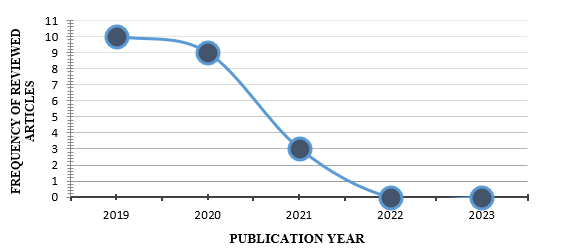
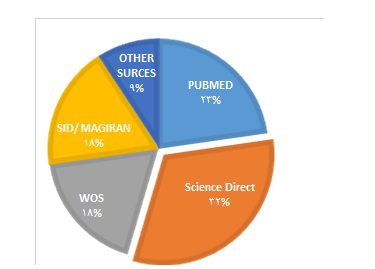
Of the 22 included studies, 10 were published in 2019. No studies were published after 2021 within the review period. Regarding indexing, five articles were indexed in PubMed, seven in Scopus, and four in Web of Science.
Most of the reviewed studies were conducted in Tehran, indicating a geographical concentration of research in the capital city compared to other regions of Iran. (Chart 1, 2, 3)
Chart 1: Frequency of reviewed article by published year.
Chart 2: frequency of reviewed article by database index
Chart 3: frequency of reviewed article by location of study.
According to the reviewed articles, six articles mentioned educational factors, five environmental factors, and three political and legal factors
(Table 4).
(Table 4).
| Table 4: Frequency of reviewed articles by type of mentioned factors. | ||
| Type of factor* | Definition | No. |
| Educational | A combination of educational and cultural processes that are acceptable to the people of society and through which waste separation behaviors are promoted. | 6 |
| Environmental | This includes external and environmental infrastructures that guide and encourage people to perform waste separation behaviors. | 5 |
| Mental/Psychological | This includes mental phenomena that influence a person to consciously or unconsciously participate in waste separation activities and actions. | 4 |
| Characteristics | A group of individual and personality characteristics of a person that may be effective in waste separation behavior. | 4 |
| political and Legal | A combination of policy, legal, and planning processes through which waste segregation behaviors are promoted. | 3 |
| *The categories of the type of factors were extracted and named based on the consultation of the research team and considering the general contents of the reviewed articles. | ||
The most effective component and factor in waste separation behaviors was knowledge and awareness, which was mentioned 18 times in the reviewed articles. The individual's attitude and views on waste separation were the second factors mentioned, which were addressed 16 times in the reviewed articles. Behavioral and control beliefs, subjective norms, and public participation policies were mentioned 15 times, and public education and related information were mentioned 12 times. The lowest was related to special conditions and unusual situations such as the COVID-19 pandemic, which was discussed in only one article (Table 5). (Table 5).
| Table 5: Frequency of factors affecting waste separation behaviors in reviewed articles. | |||
| Factors | No | Type of Factor | Socio-Ecological Level |
| Knowledge and Awareness | 18 | Characteristics | Individual |
| Individual's attitude | 16 | Mental/Psychological | Individual |
| Subjective norms/ Behavioral beliefs | 15 | Mental/Psychological | Individual/ Interpersonal |
| Individual perceives (Perceived benefits or barriers) | 9 | Mental/Psychological | Individual |
| Self-efficacy | 10 | Educational | Individual |
| Culture/ Social norms | 3 | Mental/Psychological | Social |
| Residential location | 3 | Environmental | Individual/ Interpersonal |
| Local access | 5 | Environmental | Social |
| Urban location (immigration and population) and residential location (urban/rural) | 3 | Environmental | Social |
| General/Public education and related information | 12 | Educational | Social |
| Advertisements and educational, persuasive messages | 9 | Educational | Social |
| Policies and planning in municipalities | 15 | Political and Legal | Social |
| Rules and incentives/disincentives | 8 | Political and Legal | Social |
| Type of waste | 7 | Environmental | Individual |
| Perceived costs for waste separation | 4 | Educational | Individual |
| Background conditions (Age, Gender, Education, Number of family members) | 7 | Characteristics | Individual |
| Demographic conditions (Marital status, Employment status, Economic) | 6 | Characteristics | Individual/ Interpersonal |
| Lack of education on how to separate waste and the time required to do so. | 3 | Educational | Individual |
| Special conditions and unusual situations such as the covid 19 pandemic | 1 | Political and Legal | Social |
According to reviewed articles, 12 articles were designed and implemented based on behavioral change theories and models. The most applied models were the “Theory of planned behavior” and the “KAP model,” which were mentioned three times in articles (Table 6 and Chart 4).
| Table 6: Frequency of behavioral change theories and models in reviewed articles. | |
| Behavioral change theories and models | No |
| Theory of Planned Behavior (TPB) | 3 |
| KAP | 3 |
| Health Belief Model (HBM) | 2 |
| Extended Parallel Process Model (EPPM) | 1 |
| Integrated Behavioral Model (IBM) | 1 |
| Social Marketing | 2 |
| Without Model | 10 |
Notably, 10 of the 22 reviewed studies (45.5%) did not employ any explicit behavioral change theory or conceptual framework. This finding suggests a substantial theoretical gap in the
existing Iranian literature on waste separation behavior and highlights the need for greater integration of behavioral science frameworks in future intervention design and evaluation
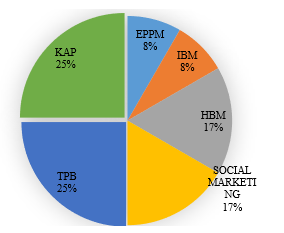
Chart 4: Frequency of behavioral change theories and models in reviewed articles
Discussion
In the current review, various factors across individual and social domains were identified as determinants of waste separation behavior. The findings indicate that knowledge, awareness, and understanding of waste segregation procedures and requirements, together with a favorable attitude toward waste separation, are among the most influential components. The analysis of 22 reviewed studies showed that knowledge and awareness were reported as key determinants in more than 80% of the included studies.
Prior behavioral research has consistently highlighted knowledge and awareness as fundamental prerequisites for behavioral change. For instance, Dolipas et al. (2020) demonstrated that individuals with lower awareness of waste segregation principles are less likely to engage in proper separation practices, while increased access to information and resources enhances participation in such behaviors 43. These findings emphasize that effective waste separation requires not only procedural knowledge but also awareness of its environmental, economic, and cultural benefits, which in turn encourages behavioral engagement 43, 44.
Attitude has also been identified as a central determinant of waste separation behavior. Attitude forms the basis of behavioral intention and significantly influences the actual performance. Empirical evidence shows that individuals with more favorable attitudes toward waste separation are more likely to participate in environmental management. Distrow et al. (2021) similarly reported that positive attitudes significantly enhance waste segregation behavior 45. Furthermore, a systematic review by Raghu et al. confirmed that attitude is one of the most frequently reported determinants of waste separation behavior, being identified in more than half of the reviewed studies 4. Ming et al. also emphasized attitude as a key decision-making factor influencing environmental behavioral intentions 46. Accordingly, strengthening positive attitudes should be considered a core strategy for designing behavioral interventions.
The strong role of knowledge and attitude highlights the importance of education and training-based interventions in promoting waste separation behavior. Cheng demonstrated that environmental education programs significantly improve individuals’ knowledge, attitudes, and related behavioral constructs, such as perceived behavioral control 47. Similarly, Distrow et al. emphasized the importance of structured and continuous educational programs to enhance awareness and support behavioral alignment at the community level.45. Therefore, improving waste separation behavior is unlikely to be effective without systematic, evidence-based educational interventions that target both cognitive and motivational dimensions.
In addition to cognitive factors, the present review identified perceived behavioral control and subjective norms as important determinants of waste separation behavior. These constructs are key components of behavioral change theories, such as the Theory of Planned Behavior (TPB). Ajzen highlighted that although subjective norms may play a weaker role in some behaviors, they can be particularly influential in environmental behaviors, such as waste separation 48. Consistently, previous TPB-based studies have emphasized the importance of perceived behavioral control and subjective norms in shaping behavioral intentions 49, 50. From an Iranian perspective, the influence of subjective norms may be particularly pronounced due to socio-cultural and institutional characteristics. Behavioral decisions in Iran are often shaped by strong family and community ties, where social approval, interpersonal expectations, and collective norms play a central role in guiding individual actions. In addition, waste management programs are commonly implemented through municipality-led campaigns, school-based education, and community-based initiatives, which further reinforce social influence as a driver of behavior. Limited enforcement mechanisms and variations in municipal infrastructure may also increase reliance on social norms for compliance. These factors suggest that subjective norms may have a more salient role in Iran compared to more regulation-oriented contexts, where formal enforcement mechanisms are stronger.
Regarding theoretical frameworks, the findings show that most intervention studies conducted in Iran have primarily relied on the theory of planned behavior and knowledge–attitude–practice (KAP) models. Among the six behavioral models identified, half were based on these two frameworks. This pattern is consistent with global evidence, as reported by Sumana Jagadish Raghu et al., who found that the theory of planned behavior is one of the most widely applied models in environmental behavior research 47. In these models, knowledge and attitude are central constructs, while perceived behavioral control and subjective norms serve as complementary determinants 51, 52. However, an important finding of this review is that 10 of the 22 included studies did not employ any explicit behavioral theory. Although this review aimed to map existing studies rather than evaluate theoretical adequacy, the limited use of behavioral frameworks suggests a need for more theory-driven research. The absence of a theoretical foundation may limit the identification of behavioral determinants and reduce the effectiveness of intervention design. Future studies are encouraged to adopt validated behavioral theories such as the theory of planned behavior, integrated behavioral model, or social cognitive theory to improve the robustness, comparability, and effectiveness of interventions in waste separation behavior research.
Limitations
Several limitations should be considered when interpreting the findings of this study. First, access to some international databases, particularly Scopus and MEDLINE, was limited during the initial stages of the review process, which may have reduced the comprehensiveness of the article retrieval. Second, the review was restricted to studies published within the last five years, potentially excluding earlier, influential research. Third, a substantial proportion of the included studies were conducted in Tehran, resulting in geographical concentration and limiting the generalizability of the findings to rural regions and smaller cities across Iran. Finally, the rapid review methodology prioritized efficiency and may not have captured all potentially relevant publications. In addition, the search strategy was primarily restricted to article titles, which may have reduced sensitivity and resulted in the omission of potentially relevant studies indexed only by abstracts or keywords.
Conclusion
Based on the findings of this review, future waste management policies in Iran should prioritize interventions that improve public knowledge, attitudes, and perceived behavioral control (PBC). Municipalities should move beyond traditional awareness campaigns and implement incentive-based programs, community participation initiatives, and school-based environmental education programs. Integrating behavioral theories into intervention design can further enhance program effectiveness and promote sustainable waste separation practices across diverse population groups in the future.
Acknowledgments
The research team thanks and appreciates the guidance and guidance of Dr. Fereshteh Zamani-Alavijeh in the qualitative analysis of the findings of the reviewed articles. Also, we are very grateful to the Vice-Chancellor of Health Education and Health Promotion, Faculty of Health, Shahid Sadougi University of Medical Sciences, Yazd, for supporting the approval and implementation of practical projects such as the present study. (Ethical code: IR.SSU.SPH.REC.1402.064).
Conflict of interest statement
There was no conflict of interest between the authors and stakeholders in this study.
Funding
Shahid Sadougi University of Medical Sciences, Yazd, Iran, funded this study.
Ethical issues
The Ethics Committee of Shahid Sadougi University of Medical Sciences, Yazd, Ira, approvedthise study (Registration No: IR.SSU.SPH.REC.1402.064). Written informed consent was obtained from all participants, and all methods adhered to the relevant guidelines and regulations.
Authors’ contributions
existing Iranian literature on waste separation behavior and highlights the need for greater integration of behavioral science frameworks in future intervention design and evaluation
Chart 4: Frequency of behavioral change theories and models in reviewed articles
Discussion
In the current review, various factors across individual and social domains were identified as determinants of waste separation behavior. The findings indicate that knowledge, awareness, and understanding of waste segregation procedures and requirements, together with a favorable attitude toward waste separation, are among the most influential components. The analysis of 22 reviewed studies showed that knowledge and awareness were reported as key determinants in more than 80% of the included studies.
Prior behavioral research has consistently highlighted knowledge and awareness as fundamental prerequisites for behavioral change. For instance, Dolipas et al. (2020) demonstrated that individuals with lower awareness of waste segregation principles are less likely to engage in proper separation practices, while increased access to information and resources enhances participation in such behaviors 43. These findings emphasize that effective waste separation requires not only procedural knowledge but also awareness of its environmental, economic, and cultural benefits, which in turn encourages behavioral engagement 43, 44.
Attitude has also been identified as a central determinant of waste separation behavior. Attitude forms the basis of behavioral intention and significantly influences the actual performance. Empirical evidence shows that individuals with more favorable attitudes toward waste separation are more likely to participate in environmental management. Distrow et al. (2021) similarly reported that positive attitudes significantly enhance waste segregation behavior 45. Furthermore, a systematic review by Raghu et al. confirmed that attitude is one of the most frequently reported determinants of waste separation behavior, being identified in more than half of the reviewed studies 4. Ming et al. also emphasized attitude as a key decision-making factor influencing environmental behavioral intentions 46. Accordingly, strengthening positive attitudes should be considered a core strategy for designing behavioral interventions.
The strong role of knowledge and attitude highlights the importance of education and training-based interventions in promoting waste separation behavior. Cheng demonstrated that environmental education programs significantly improve individuals’ knowledge, attitudes, and related behavioral constructs, such as perceived behavioral control 47. Similarly, Distrow et al. emphasized the importance of structured and continuous educational programs to enhance awareness and support behavioral alignment at the community level.45. Therefore, improving waste separation behavior is unlikely to be effective without systematic, evidence-based educational interventions that target both cognitive and motivational dimensions.
In addition to cognitive factors, the present review identified perceived behavioral control and subjective norms as important determinants of waste separation behavior. These constructs are key components of behavioral change theories, such as the Theory of Planned Behavior (TPB). Ajzen highlighted that although subjective norms may play a weaker role in some behaviors, they can be particularly influential in environmental behaviors, such as waste separation 48. Consistently, previous TPB-based studies have emphasized the importance of perceived behavioral control and subjective norms in shaping behavioral intentions 49, 50. From an Iranian perspective, the influence of subjective norms may be particularly pronounced due to socio-cultural and institutional characteristics. Behavioral decisions in Iran are often shaped by strong family and community ties, where social approval, interpersonal expectations, and collective norms play a central role in guiding individual actions. In addition, waste management programs are commonly implemented through municipality-led campaigns, school-based education, and community-based initiatives, which further reinforce social influence as a driver of behavior. Limited enforcement mechanisms and variations in municipal infrastructure may also increase reliance on social norms for compliance. These factors suggest that subjective norms may have a more salient role in Iran compared to more regulation-oriented contexts, where formal enforcement mechanisms are stronger.
Regarding theoretical frameworks, the findings show that most intervention studies conducted in Iran have primarily relied on the theory of planned behavior and knowledge–attitude–practice (KAP) models. Among the six behavioral models identified, half were based on these two frameworks. This pattern is consistent with global evidence, as reported by Sumana Jagadish Raghu et al., who found that the theory of planned behavior is one of the most widely applied models in environmental behavior research 47. In these models, knowledge and attitude are central constructs, while perceived behavioral control and subjective norms serve as complementary determinants 51, 52. However, an important finding of this review is that 10 of the 22 included studies did not employ any explicit behavioral theory. Although this review aimed to map existing studies rather than evaluate theoretical adequacy, the limited use of behavioral frameworks suggests a need for more theory-driven research. The absence of a theoretical foundation may limit the identification of behavioral determinants and reduce the effectiveness of intervention design. Future studies are encouraged to adopt validated behavioral theories such as the theory of planned behavior, integrated behavioral model, or social cognitive theory to improve the robustness, comparability, and effectiveness of interventions in waste separation behavior research.
Limitations
Several limitations should be considered when interpreting the findings of this study. First, access to some international databases, particularly Scopus and MEDLINE, was limited during the initial stages of the review process, which may have reduced the comprehensiveness of the article retrieval. Second, the review was restricted to studies published within the last five years, potentially excluding earlier, influential research. Third, a substantial proportion of the included studies were conducted in Tehran, resulting in geographical concentration and limiting the generalizability of the findings to rural regions and smaller cities across Iran. Finally, the rapid review methodology prioritized efficiency and may not have captured all potentially relevant publications. In addition, the search strategy was primarily restricted to article titles, which may have reduced sensitivity and resulted in the omission of potentially relevant studies indexed only by abstracts or keywords.
Conclusion
Based on the findings of this review, future waste management policies in Iran should prioritize interventions that improve public knowledge, attitudes, and perceived behavioral control (PBC). Municipalities should move beyond traditional awareness campaigns and implement incentive-based programs, community participation initiatives, and school-based environmental education programs. Integrating behavioral theories into intervention design can further enhance program effectiveness and promote sustainable waste separation practices across diverse population groups in the future.
Acknowledgments
The research team thanks and appreciates the guidance and guidance of Dr. Fereshteh Zamani-Alavijeh in the qualitative analysis of the findings of the reviewed articles. Also, we are very grateful to the Vice-Chancellor of Health Education and Health Promotion, Faculty of Health, Shahid Sadougi University of Medical Sciences, Yazd, for supporting the approval and implementation of practical projects such as the present study. (Ethical code: IR.SSU.SPH.REC.1402.064).
Conflict of interest statement
There was no conflict of interest between the authors and stakeholders in this study.
Funding
Shahid Sadougi University of Medical Sciences, Yazd, Iran, funded this study.
Ethical issues
The Ethics Committee of Shahid Sadougi University of Medical Sciences, Yazd, Ira, approvedthise study (Registration No: IR.SSU.SPH.REC.1402.064). Written informed consent was obtained from all participants, and all methods adhered to the relevant guidelines and regulations.
Authors’ contributions
- Conceptualization: Seyed Saeed Mazloumi Mahmoud Abad, Azam Abbasi
- Data curation: Mohammadreza Rajabalipour, Azam Abbasi
- Formal analysis: Mohammadreza Rajabalipour, Ali Asghar Ebrahimi
- Funding acquisition: Azam Abbasi
- Investigation: Mohammadreza Rajabalipour, Masoumeh Alidosti
- Methodology: Seyed Saeed Mazloumi Mahmoud Abad, Azam Abbasi
- Project administration: Azam Abbasi
- Resources: Ali Asghar Ebrahimi, Azam Abbasi
- Software: Ali Asghar Ebrahimi, Azam Abbasi
- Supervision: Seyed Saeed Mazloumi Mahmoud Abad
- Validation: Mohammadreza Rajabalipour
- Visualization: Masoumeh Alidosti
- Writing – original draft: Azam Abbasi, Mohammadreza Rajabalipour
- Writing – review & editing: Seyed Saeed Mazloumi Mahmoud Abad, Azam Abbasi, Mohammadreza Rajabalipour
Competing interests
The authors declare that they have no known competing financial interests or personal relationships that could have influenced the work reported in this paper. CAD is an editorial board member of the International Journal of Pest Management.
This is an Open-Access article distributed in accordance with the terms of the Creative Commons Attribution (CC BY 4.0) license, which permits others to distribute, remix, adapt, and build upon this work for commercial use.
References
1. Chen DM-C, Bodirsky BL, Krueger T, et al. The world’s growing municipal solid waste: trends and impacts. Environ Res Lett. 2020;15(7):074021.
2. Diaz LF. Waste management in developing countries and the circular economy. Waste Manag Res. 2017;35(1):1-2.
3. Zucchella A, Previtali P. Circular business models for sustainable development: a “waste is food” restorative ecosystem. Bus Strategy Environ. 2019;28(2):274-85.
4. Raghu SJ, Rodrigues LL. Behavioral aspects of solid waste management: a systematic review. J Air Waste Manage Assoc. 2020;70(12):1268-302.
5. Fatimah YA, Govindan K, Murniningsih R, et al. Industry 4.0 based sustainable circular economy approach for smart waste management system to achieve sustainable development goals: a case study of Indonesia. J Clean Prod. 2020;269:122263.
6. Nowak DJ, Greenfield EJ, Ash RM. Annual biomass loss and potential value of urban tree waste in the United States. Urban For Urban Green. 2019;46:126469.
7. Abdelli HE, Mokrani L, Kennouche S, et al. Utilization of waste glass in the improvement of concrete performance: a mini review. Waste Manag Res. 2020;38(11):1204-13.
8. Ferdous W, Manalo A, Siddique R, et al. Recycling of landfill wastes (tyres, plastics and glass) in construction–a review on global waste generation, performance, application and future opportunities. Resour Conserv Recycl. 2021;173:105745.
9. Lemaire A, Limbourg S. How can food loss and waste management achieve sustainable development goals? J Clean Prod. 2019;234:1221-34.
10. Kabirifar K, Mojtahedi M, Wang C, et al. Construction and demolition waste management contributing factors coupled with reduce, reuse, and recycle strategies for effective waste management: a review. J Clean Prod. 2020;263:121265.
11. Yu KH, Zhang Y, Li D, et al. Environmental planning based on reduce, reuse, recycle and recover using artificial intelligence. Environ Impact Assess Rev. 2021;86:106492.
12. Ma J, Hipel KW, Hanson ML, et al. An analysis of influencing factors on municipal solid waste source-separated collection behavior in Guilin, China by Using the Theory of Planned Behavior. Sustain Cities Soc. 2018;37:336-43.
13. Yu S, Lu T, Qian X, et al. Behavioral intention analysis of waste separation in China-case study of Hangzhou using theory of planned behavior. International Review for Spatial Planning and Sustainable Development. 2018;6(3):63-77.
14. Barati B, Zafar FF, Wang S. Different waste management methods, applications, and limitations. InWaste-to-Energy: Recent developments and future perspectives towards circular economy 2022 (pp. 21-58). Cham: Springer International Publishing.
15. Razali F, Daud D, Weng-Wai C, et al. Waste separation at source behaviour among Malaysian households: The Theory of Planned Behaviour with moral norm. J Clean Prod. 2020;271:122025.
16. Qu J, Wang H, Wang K, et al. Municipal wastewater treatment in China: development history and future perspectives. Front Environ Sci Eng. 2019;13(6):1-7.
17. Navabakhsh M, Naeemi M. An Explanation of Social Factors Affecting Citizens’participation in the Separation and Collection of Domestic Waste,(Case Study: 13th Municipality of Tehran). 2012.
18. Salmasi S, Sohrabi R, Rahbar AH, et al. Feasibility study for source separation and collection of municipal solid waste by using digital technology: case study: Hamedan city. Urban Economics. 2020;5(2):135-48.
19. Ghahremani M, Mohebi M, Najafi H. Knowledge of cooperation of the people in the recycling of household waste in Shiraz. 12th National Conference on Environmental Health; 2009.
20. Hamzeh Kalkenari H, Ghorbani M, Alipouryan F, et al. Investigating the behavioral patterns of households regarding waste separation at source: a case study in Mashhad. Journal of Natural Environment. 2015;68(1):31-44.
21. Abadi B, Mahdavian S, Fattahi F. The waste management of fruit and vegetable in wholesale markets: intention and behavior analysis using path analysis. J Clean Prod. 2021;279:123802.
22. Abbasi A, Araban M, Heidari Z, et al. Comparing the impact of educational messages based on an extended parallel process model on solid waste separation behaviors in female students: a four-group randomized trial. Waste Management. 2020;117:1-8.
23. Afshar F, Abbaspour M, Lahijanian A. Providing a practical model of the waste management master plan with emphasis on public participation “using the SWOT method and the QSPM matrix and the FAHP method”. Advances in Environmental Technology. 2019;5(2):77-96.
24. Afshar F, Abbaspour M, Lahijanian AA-M. Evaluation of affecting factors on citizen participation in comprehensive waste management (case study of districts 8 and 12 in Tehran). Environmental Energy and Economic Research. 2020;4(2):155-64.
25. Almasi A, Mohammadi M, Azizi A, et al. Assessing the knowledge, attitude and practice of the kermanshahi women towards reducing, recycling and reusing of municipal solid waste. Resour Conserv Recycl. 2019;141:329-38.
26. Babazadeh T, Nadrian H, Mosaferi M, et al. Challenges in household solid waste separation plan (HSWSP) at source: a qualitative study in Iran. Environ Dev Sustain. 2020;22(2):915-30.
27. Esmaeili HK. Waste management for the better environment: a case of municipality in Iran. Green Behavior and Corporate Social Responsibility in Asia: Emerald Publishing Limited; 2019.pp. 103-11.
28. Fami HS, Aramyan LH, Sijtsema SJ, et al. Determinants of household food waste behavior in Tehran city: a structural model. Resour Conserv Recycl. 2019;143:154-66.
29. Fasihi H, Parizadi T. Analyzing household's environmental behavior on solid waste management and its relations with population and housing characteristics (the case: Amlash city, Iran). J Environ Manage. 2021;292:112686.
30. Gholamrezaee Sarvelat Z, Sharifirad G, Zamanian H, et al. Effect of educational intervention based on the health belief model on the improvement of the health performance of female hairdressers in Qom, Iran. Arch Hyg Sci. 2020;9(2):109-20.
31. Haghighatjoo S, Tahmasebi R, Noroozi A. Application of Community-Based Social Marketing (CBSM) to increase Recycling Behavior (RB) in primary schools. Soc Mar Q. 2020;26(4):297-308.
32. Heidari A, Mirzaii F, Rahnama M, et al. A theoretical framework for explaining the determinants of food waste reduction in residential households: a case study of Mashhad, Iran. Environ Sci Pollut Res Int. 2020;27(7):6774-84.
33. Hemmati S, Fataei E, Imani AA. Effects of source separation education on solid waste reduction in developing countries (a case study: Ardabil, Iran). The Journal of Solid Waste Technology and Management. 2019;45(3):267-72.
34. Heydari E, Solhi M, Farzadkia M. Determinants of sustainability in recycling of municipal solid waste: application of Community-Based Social Marketing (CBSM). Challenges in Sustainability. 2021;9(1):16-27.
35. Jalalipour H, Jaafarzadeh N, Morscheck G, et al. Potential of producing compost from source-separated municipal organic waste (a case study in Shiraz, Iran). Sustainability. 2020;12(22):9704.
36. Kamarehie B, Jafari A, Ghaderpoori M, et al. Qualitative and quantitative analysis of municipal solid waste in Iran for implementation of best waste management practice: a systematic review and meta-analysis. Environ Sci Pollut Res Int. 2020;27(30):37514-26.
37. Sadeghi S, Asadi ZS, Rakhshani T, et al. The effect of an educational intervention based on the Integrated Behavior Model (IBM) on the waste separation: a community based study. Clin Epidemiol Glob Health. 2020;8(2):576-80.
38. Soorani F, Ahmadvand M. Determinants of consumers’ food management behavior: applying and extending the theory of planned behavior. Waste Management. 2019;98:151-9.
39. Torkashvand J, Jonidi Jafari A, Godini K, et al. Municipal solid waste management during COVID-19 pandemic: a comparison between the current activities and guidelines. J Environ Health Sci Eng. 2021;19(1):173-9.
40. Mahmoodabad SS, Movahed E, Ameri M, et al. Predictive factors related to the waste collection behavior in Kerman City based on the Health Belief Model. The journal of Tolooebehdasht.2019.
41. Zand AD, Heir AV, Tabrizi AM. Investigation of knowledge, attitude, and practice of Tehranian women apropos of reducing, reusing, recycling, and recovery of urban solid waste. Environ Monit Assess. 2020;192(7):1-13.
42. Zoroufchi Benis K, Safaiyan A, Farajzadeh D, et al. Municipal solid waste characterization and household waste behaviors in a megacity in the northwest of Iran. Int J Environ Sci Technol (Tehran). 2019;16(8):4863-72.
43. Dolipas BB, Ramos JLS, Alimondo MS, et al. Awareness and compliance on waste segregation: Implication to a waste management program in a university. Athens J Sci. 2020;7(2):67-76.
44. Fernando M, Corazon G, Garcia MB, et al. Trash attack: A 2D action puzzle video game to promote environmental awareness and waste segregation behavior. International Journal of Simulation: Systems, Science & Technology. 2019.
45. Diestro D, Loyola MCA, Solano MLA, et al. Attitude towards waste segregation and recycling practices: input on waste management program. CAPSU Research Journal. 2019;31(1).
46. Meng X, Tan X, Wang Y, et al. Investigation on decision-making mechanism of residents’ household solid waste classification and recycling behaviors. Resour Conserv Recycl. 2019;140:224-34.
47. Cheng KW, Osman S. The role of environmental education in waste segregation-at-source behaviour among households in Putrajaya. Journal of Consumer and Family Economics. 2019;22:114-36.
48. La Barbera F, Ajzen I. Control interactions in the theory of planned behavior: rethinking the role of subjective norm. Eur J Psychol. 2020;16(3):401.
49. Jain S, Singhal S, Jain NK, et al. Construction and demolition waste recycling: investigating the role of theory of planned behavior, institutional pressures and environmental consciousness. J Clean Prod. 2020;263:121405.
50. Mak TM, Iris K, Wang L, et al. Extended theory of planned behaviour for promoting construction waste recycling in Hong Kong. Waste Management. 2019;83:161-70.
51. Badrum SY, bin Mapa MT. Village-level Knowledge, Attitude, and Practice (KAP) on solid waste management in Penampang, Sabah. InProceeding of LPPM UPN “VETERAN” Yogyakarta Conference Series 2020–Political and Social Science Series; 2020; 1(1): 148-60.
52. Bosnjak M, Ajzen I, Schmidt P. The theory of planned behavior: selected recent advances and applications. Eur J Psychol. 2020;16(3):352.
Type of Study: Narrative review |
Subject:
Environmental Health, Sciences, and Engineering
Received: 2026/05/23 | Accepted: 2026/07/20 | Published: 2026/09/10
Received: 2026/05/23 | Accepted: 2026/07/20 | Published: 2026/09/10
Send email to the article author
| Rights and permissions | |
 |
This work is licensed under a Creative Commons Attribution-NonCommercial 4.0 International License. |