

Volume 11, Issue 2 (June 2026)
J Environ Health Sustain Dev 2026, 11(2): 3063-3078 |
Back to browse issues page



Download citation:
BibTeX | RIS | EndNote | Medlars | ProCite | Reference Manager | RefWorks
Send citation to:


BibTeX | RIS | EndNote | Medlars | ProCite | Reference Manager | RefWorks
Send citation to:
Rizaldi M A, Ali K, Nurani P F, Ramadhansyah M F, Azizah R, Sulistyorini L. Environmental Health Risk Analysis of Microplastics Pollution Due to Bullet Tuna (Auxis Rochei) In Coastal Communities in Banyuwangi Regency. J Environ Health Sustain Dev 2026; 11 (2) :3063-3078
URL: http://jehsd.ssu.ac.ir/article-1-1006-en.html
URL: http://jehsd.ssu.ac.ir/article-1-1006-en.html
Muhammad Addin Rizaldi  , Khaidar Ali * , Promisetyaningrum Fitria Nurani , Muhammad Fadli Ramadhansyah , R Azizah , Lilis Sulistyorini
, Khaidar Ali * , Promisetyaningrum Fitria Nurani , Muhammad Fadli Ramadhansyah , R Azizah , Lilis Sulistyorini
Department of Public Health, Faculty of Health Sciences, Jenderal Soedirman University, Central Java, Indonesia & Center for Development Goals, Jenderal Soedirman University, Central Java, Indonesia
Full-Text [PDF 620 kb]
(236 Downloads)
| Abstract (HTML) (487 Views)
Environmental Health Risk Analysis of Microplastics Pollution Due to Bullet Tuna (Auxis Rochei) In Coastal Communities in Banyuwangi Regency
Muhammad Addin Rizaldi1, Khaidar Ali 1, 2*, Promisetyaningrum Fitria Nurani 3,
Muhammad Fadli Ramadhansyah 3, R Azizah 4, Lilis Sulistyorini 4
1 Department of Public Health, Faculty of Health Sciences, Jenderal Soedirman University, Central Java, Indonesia
2 Center for Development Goals, Jenderal Soedirman University, Central Java, Indonesia.
3 Department of Public Health, Faculty of Health Sciences, Universitas Pembangunan Nasional Veteran, Jakarta, Indonesia.
4 Department of Environmental Health, Faculty of Public Health, Universitas Airlangga, East Java, Indonesia.
Table 1: The abundance and Shape of microplastic on Bullet tuna.
Table 2: The polymer of microplastics and FTIR spectrum on bullet tuna.
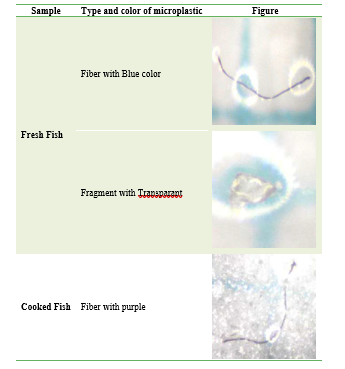
Table 3: Type of Microplastics polymer and FTIR spectrum result.
.PNG)
The hazard quotient (HQ) resulting from the ingestion of microplastics was determined using environmental health risk analysis. This calculation was performed to ascertain the potential hazards associated with the consumption of bullet tuna. The findings pertaining to HQ are presented in Table 5.
Table 5: Hazard Quotient exposure of microplastic due to Bullet tuna Consumption.
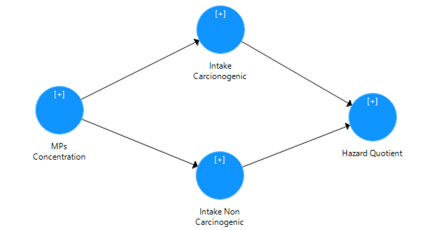
Figure 1: Model of Partial Least Square Health Assessment.
Full-Text: (88 Views)
Environmental Health Risk Analysis of Microplastics Pollution Due to Bullet Tuna (Auxis Rochei) In Coastal Communities in Banyuwangi Regency
Muhammad Addin Rizaldi1, Khaidar Ali 1, 2*, Promisetyaningrum Fitria Nurani 3,
Muhammad Fadli Ramadhansyah 3, R Azizah 4, Lilis Sulistyorini 4
1 Department of Public Health, Faculty of Health Sciences, Jenderal Soedirman University, Central Java, Indonesia
2 Center for Development Goals, Jenderal Soedirman University, Central Java, Indonesia.
3 Department of Public Health, Faculty of Health Sciences, Universitas Pembangunan Nasional Veteran, Jakarta, Indonesia.
4 Department of Environmental Health, Faculty of Public Health, Universitas Airlangga, East Java, Indonesia.
| A R T I C L E I N F O | ABSTRACT | |
| ORIGINAL ARTICLE | Introduction: Microplastic pollution has become a global environmental concern that threatens both marine ecosystems and human health, particularly in coastal regions with high fish consumption rates. This study aimed to analyze microplastic contamination in bullet tuna (Auxis rochei) consumed by coastal communities in the Muncar District, Banyuwangi Regency, Indonesia, and to evaluate its potential health risks using the Hazard Quotient (HQ) approach. Methods: Fish samples were collected from local fish auction sites and analyzed in both raw and fried forms using FTIR spectroscopy and microscopy. Results: The results revealed microplastic contamination in all samples, with a total concentration of 0.05 particles per gram, predominantly composed of polyethylene (PE) polymer. Frying reduced the microplastic abundance by 75%, although complete elimination was not achieved. Risk assessment indicated an average HQ of 0.47985, with a maximum value of 30.660, exceeding the safe threshold (HQ > 1) in extreme consumption scenarios. Statistical analysis showed a significant correlation (p < 0.05) between microplastic concentration and carcinogenic intake, indirectly increasing the HQ. Conclusion: These findings suggest that the consumption of Auxis rochei contributes to carcinogenic exposure and poses long-term health risks, especially among coastal populations with high consumption. This study underscores the urgent need for effective plastic waste management, food safety monitoring, and public education to safeguard marine food security and community health. |
|
Article History: Received: 25 March 2026 Accepted: 20 May 2026 |
||
*Corresponding Author: Khaidar Ali Email: khaidar.ali@unsoed.ac.id Tel: +62 85896239634 |
||
Keywords: Microplastics, Risk Assessment, Auxis Rochei, Environmental Pollutants. |
Citation: Addin Rizaldi M, Ali KH, Fitria Nurani P, et al. Environmental Health Risk Analysis of Microplastics Pollution Due to Bullet Tuna (Auxis Rochei) In Coastal Communities in Banyuwangi Regency. J Environ Health Sustain Dev. 2026; 11(2): 3063-78.
Introduction
Microplastic pollution is a global environmental issue with serious impacts on marine ecosystems and human health 1, 2. These plastic particles measuring < 5 mm have been widely found in the tissues of marine organisms, including fish, and pose a hidden threat to the food safety of coastal communities 3.
International research has shown significant microplastic contamination in marine fish. Research conducted by Martins (2025) found that wild fish fillets from the North Atlantic contain microplastics that can trigger physiological disorders and toxicity when consumed continuously 4. In India, research conducted by Alabhai (2025) reported the presence of polyethylene and polypropylene in the digestive tract of fish in Kerala 5. Meanwhile, Hacısalihoğlu's 2025 study associated Hazard Quotient (HQ) values exceeding the threshold with health risks from commercial fish consumption in the Marmara Sea 6.
In Indonesia, a maritime country with high fish consumption, similar risks are highly relevant, especially in dense coastal areas such as Banyuwangi. Local studies have shown that Auxis rochei consumed by the people of Muncar is contaminated with microplastics despite frying 7. Plastic particles have been found in fish tissues, indicating their potential accumulation in the human body 8, 9.
The health effects of microplastics are still being studied, but preliminary evidence suggests a link to oxidative stress, inflammation, endocrine disruption, and carcinogenic risk, particularly from polymers such as polyethylene and polystyrene 10-12. Microplastics are also known vectors of harmful chemicals, such as heavy metals and persistent organic pollutants (POPs) 13, 14.
Given this potential impact, analyzing the health risks associated with the consumption of fish contaminated with microplastics is important, especially in coastal communities 8, 15. This research was conducted in Banyuwangi Regency with a focus on Auxis rochei, using the FTIR method and Hazard Quotient calculation as a scientific basis for risk mitigation to human health 16, 17. The novelty of this study lies in the identification of microplastics in Auxis rochei before and after treatment and in the calculation of the intake rate of bullet cod in humans. The Hazard Quotient (HQ) was then calculated. In the present study, we employed statistical analysis to ascertain the influence of microplastics on HQ.
In addition to being an environmental and health issue, the presence of microplastics in consumed fish also impacts the socio-economic aspects of coastal communities 15, 18, 19. Their dependence on marine capture as a source of livelihood makes the issue of microplastics not only an ecological problem, but also a challenge to livelihood sustainability 13, 20, 21. Declining consumer confidence in the safety of fishery products due to microplastic contamination has the potential to affect fisher income and local fish market activities 15, 19. Therefore, this research serves as a scientific basis for policy-making on plastic waste management and as a reference for social protection and increasing the environmental literacy of coastal communities regarding seafood safety.
Method
Materials and Methods
Sampel Collection
This study was conducted in 2023 within the coastal zone of Muncar District, which is situated in Banyuwangi Regency, Indonesia. The sampling framework targeted residential communities surrounding a local fish auction market (Tempat Pelelangan Ikan / TPI). This particular spatial selection functioned as a proxy to capture exposure data from individuals who regularly consume bullet tuna (Auxis rochei), which was sourced directly from the auction site. The target population was thus defined as the permanent residents inhabiting the coastal areas of Muncar District. A total of 130 individuals who regularly consumed bullet tuna were selected as the study sample, representing the broader coastal population of Muncar. Bullet tuna samples were collected from fish auction sites in the Muncar district, with each sample consisting of 100 g of fish. Prior to analysis, the fish samples were cooked to simulate human consumption, specifically by frying, as this is the most common preparation method used by local residents. The fish samples were divided into two groups: one group underwent frying, while the other remained uncooked. Coconut oil was used for frying. To prevent microplastic contamination, fried fish samples were placed in glass jars before being transported to the laboratory for analysis. Laboratory analysis was used to assess the abundance, shape, and color of microplastic particles in the samples.
Microplastic analyze
The technical analysis of microplastics in cod consumed by the community was carried out using a method adapted by the Ecoton Laboratory of the National Department of Research and Innovation, Brazil. The analysis process consisted of several steps, as follows. First, samples were collected from all edible parts of the cod and placed in glass jars labeled with sample codes. A solution containing 30% hydrogen peroxide (H₂O₂) and 30% sulfuric acid (H₂SO₄) in a volume twice that of the sample was added and sealed with aluminum foil. The samples were allowed to react with the solution for 24 h at room temperature before being heated in a water bath at 40-60°C for two hours. After digestion, the samples were sieved. Whatman filter paper was then rinsed with distilled water and placed in a Petri dish. The samples were then centrifuged with filter paper, and the residues were observed under a trinocular microscope (Digital Ways brand) at 40x magnification to assess the presence of microplastics.
FTIR analyze
In this study, the microplastic polymer content was identified using Fourier-transform infrared (FTIR) spectroscopy. FTIR analysis was performed as follows: First, the FTIR spectrophotometer was prepared and connected to the OMNIC software. The sample to be analyzed was then placed on a designated plate holder inside the FTIR instrument. Data acquisition was performed in the frequency range of 4000-500 cm-¹. After analysis, the plate holder was thoroughly cleaned to prevent contamination from residual samples and ensure the accuracy of subsequent tests. The spectroscopic data that had been acquired was then processed using a computerised data acquisition system. This system generated spectral profiles, with wavenumber (cm-1) plotted on the x-axis against transmittance (%) on the y-axis. This was done in order to identify the chemical functional groups within the samples. The Fourier-transform infrared spectroscopy (FTIR) analysis was conducted at the Material Characterization Laboratory, Department of Materials Engineering and Metallurgy, Faculty of Industrial Technology and Systems Engineering, Institut Teknologi Sepuluh Nopember (ITS).
Human Health Risk Analysis
This research used a quantitative method with an observational approach and a cross-sectional study design. Data collection included interviews using a Food Frequency Questionnaire (FFQ) to assess the population's intake of microplastics through the consumption of bullet tuna. The concentration of microplastics was measured to estimate human exposure using bullet tuna samples that had undergone deep-frying treatment to reflect the common dietary habits of the local population. The collected data were analyzed using exposure assessment calculations to determine the intake rate. In addition, the potential health risk was assessed using the Hazard Quotient (HQ) formula. The following formula was used to estimate the intake of microplastic consumption:

Where:
I = Representation of carcinogenic and non-carcinogenic intake (mg/kg.day)
C = Denotes the mean of contaminant concentration (mg/L, mg/kg or mg/m3)
CR = Reflecting the volume or mass of the contaminated medium consumed or contacted per unit of time (L/day)
EF and ED = correspond to the exposure frequency (days/year) and exposure duration (years), respectively, which collectively define the total exposure window.
BW = the average body weight of the exposed population (kg) during the exposure period
AT = the averaging time, which varies depending on the toxicological endpoint; a 30-year period (10,950 days) is utilized for non-carcinogenic risk characterization, whereas a 70-year lifetime (25,550 days) is applied for carcinogenic risk assessment.
CF = the conversion factor employed to ensure unit uniformity across all variable
In our study, the following formula was used to predict the Risk Quotient (RQ) or Hazard Quotient (HQ):

The Hazard Quotients (HQs) or Risk Quotients (RQs) across all evaluated exposure pathways and contaminants were summed to calculate the overall Hazard Index (HI) or Risk Index (RI). This aggregative approach was applied under the assumption of additive effects, except where empirical evidence suggested that such summation was toxicologically inappropriate for specific contaminants or exposure routes. In this study, the TRV value was obtained through calculations carried out by first finding the NOAEL (No-Observed-Adverse-Effect-Level) value. In this study, the NOAEL value used was 2 mg, based on research conducted by Park (2020) 22. The TRV calculation was then performed, and the TRV value was obtained as 0.019.
Quality Control and contamination prevention
To circumvent the risk of contamination from microplastic pollution originating from various locations, the fish were placed in glass jars that had been meticulously cleaned with distilled water and then hermetically sealed. The fish were separated into two groups: one comprised glass jars containing fish that were not needed, and the other comprised glass jars containing fish that would be treated. The fish samples were subjected to treatment and then immediately fried. This process was conducted without implementing additional procedures, such as washing with water or employing other methods. The objective of this approach was to prevent fish from becoming contaminated with microplastics from other sources.
Data analyze
The empirical data were subjected to Partial Least Squares Structural Equation Modeling (PLS-SEM) using SmartPLS 3 software to evaluate the relationships among microplastic concentration in bullet tuna, human intake rates, and the resulting Hazard Quotient. All statistical hypotheses were tested at a significance threshold of alpha = 0.05. Furthermore, specific indirect effect analyses were performed within the PLS framework to examine how microplastic concentration and intake rates systematically mediate or influence the final Hazard Quotient.
Result
Abundance, Shape and Color of Microplastics in marine biota
The abundance and polymer composition of microplastics identified in the analyzed samples are summarized in Table 1. The density of microplastic particles within the bullet tuna tissues exhibited notable variations across different preparation states. Specifically, samples subjected to thermal processing (frying) demonstrated a lower microplastic load compared to their fresh, untreated counterparts. The post-treatment samples contained a microplastic abundance of 1 particle (0.01 particles/g), whereas the untreated samples retained a higher load of 4 particles (0.04 particles/g). Cumulatively, the total microplastic abundance recorded across both groups reached 5 particles, equivalent to a collective density of 0.05 particles/g.
Microplastic pollution is a global environmental issue with serious impacts on marine ecosystems and human health 1, 2. These plastic particles measuring < 5 mm have been widely found in the tissues of marine organisms, including fish, and pose a hidden threat to the food safety of coastal communities 3.
International research has shown significant microplastic contamination in marine fish. Research conducted by Martins (2025) found that wild fish fillets from the North Atlantic contain microplastics that can trigger physiological disorders and toxicity when consumed continuously 4. In India, research conducted by Alabhai (2025) reported the presence of polyethylene and polypropylene in the digestive tract of fish in Kerala 5. Meanwhile, Hacısalihoğlu's 2025 study associated Hazard Quotient (HQ) values exceeding the threshold with health risks from commercial fish consumption in the Marmara Sea 6.
In Indonesia, a maritime country with high fish consumption, similar risks are highly relevant, especially in dense coastal areas such as Banyuwangi. Local studies have shown that Auxis rochei consumed by the people of Muncar is contaminated with microplastics despite frying 7. Plastic particles have been found in fish tissues, indicating their potential accumulation in the human body 8, 9.
The health effects of microplastics are still being studied, but preliminary evidence suggests a link to oxidative stress, inflammation, endocrine disruption, and carcinogenic risk, particularly from polymers such as polyethylene and polystyrene 10-12. Microplastics are also known vectors of harmful chemicals, such as heavy metals and persistent organic pollutants (POPs) 13, 14.
Given this potential impact, analyzing the health risks associated with the consumption of fish contaminated with microplastics is important, especially in coastal communities 8, 15. This research was conducted in Banyuwangi Regency with a focus on Auxis rochei, using the FTIR method and Hazard Quotient calculation as a scientific basis for risk mitigation to human health 16, 17. The novelty of this study lies in the identification of microplastics in Auxis rochei before and after treatment and in the calculation of the intake rate of bullet cod in humans. The Hazard Quotient (HQ) was then calculated. In the present study, we employed statistical analysis to ascertain the influence of microplastics on HQ.
In addition to being an environmental and health issue, the presence of microplastics in consumed fish also impacts the socio-economic aspects of coastal communities 15, 18, 19. Their dependence on marine capture as a source of livelihood makes the issue of microplastics not only an ecological problem, but also a challenge to livelihood sustainability 13, 20, 21. Declining consumer confidence in the safety of fishery products due to microplastic contamination has the potential to affect fisher income and local fish market activities 15, 19. Therefore, this research serves as a scientific basis for policy-making on plastic waste management and as a reference for social protection and increasing the environmental literacy of coastal communities regarding seafood safety.
Method
Materials and Methods
Sampel Collection
This study was conducted in 2023 within the coastal zone of Muncar District, which is situated in Banyuwangi Regency, Indonesia. The sampling framework targeted residential communities surrounding a local fish auction market (Tempat Pelelangan Ikan / TPI). This particular spatial selection functioned as a proxy to capture exposure data from individuals who regularly consume bullet tuna (Auxis rochei), which was sourced directly from the auction site. The target population was thus defined as the permanent residents inhabiting the coastal areas of Muncar District. A total of 130 individuals who regularly consumed bullet tuna were selected as the study sample, representing the broader coastal population of Muncar. Bullet tuna samples were collected from fish auction sites in the Muncar district, with each sample consisting of 100 g of fish. Prior to analysis, the fish samples were cooked to simulate human consumption, specifically by frying, as this is the most common preparation method used by local residents. The fish samples were divided into two groups: one group underwent frying, while the other remained uncooked. Coconut oil was used for frying. To prevent microplastic contamination, fried fish samples were placed in glass jars before being transported to the laboratory for analysis. Laboratory analysis was used to assess the abundance, shape, and color of microplastic particles in the samples.
Microplastic analyze
The technical analysis of microplastics in cod consumed by the community was carried out using a method adapted by the Ecoton Laboratory of the National Department of Research and Innovation, Brazil. The analysis process consisted of several steps, as follows. First, samples were collected from all edible parts of the cod and placed in glass jars labeled with sample codes. A solution containing 30% hydrogen peroxide (H₂O₂) and 30% sulfuric acid (H₂SO₄) in a volume twice that of the sample was added and sealed with aluminum foil. The samples were allowed to react with the solution for 24 h at room temperature before being heated in a water bath at 40-60°C for two hours. After digestion, the samples were sieved. Whatman filter paper was then rinsed with distilled water and placed in a Petri dish. The samples were then centrifuged with filter paper, and the residues were observed under a trinocular microscope (Digital Ways brand) at 40x magnification to assess the presence of microplastics.
FTIR analyze
In this study, the microplastic polymer content was identified using Fourier-transform infrared (FTIR) spectroscopy. FTIR analysis was performed as follows: First, the FTIR spectrophotometer was prepared and connected to the OMNIC software. The sample to be analyzed was then placed on a designated plate holder inside the FTIR instrument. Data acquisition was performed in the frequency range of 4000-500 cm-¹. After analysis, the plate holder was thoroughly cleaned to prevent contamination from residual samples and ensure the accuracy of subsequent tests. The spectroscopic data that had been acquired was then processed using a computerised data acquisition system. This system generated spectral profiles, with wavenumber (cm-1) plotted on the x-axis against transmittance (%) on the y-axis. This was done in order to identify the chemical functional groups within the samples. The Fourier-transform infrared spectroscopy (FTIR) analysis was conducted at the Material Characterization Laboratory, Department of Materials Engineering and Metallurgy, Faculty of Industrial Technology and Systems Engineering, Institut Teknologi Sepuluh Nopember (ITS).
Human Health Risk Analysis
This research used a quantitative method with an observational approach and a cross-sectional study design. Data collection included interviews using a Food Frequency Questionnaire (FFQ) to assess the population's intake of microplastics through the consumption of bullet tuna. The concentration of microplastics was measured to estimate human exposure using bullet tuna samples that had undergone deep-frying treatment to reflect the common dietary habits of the local population. The collected data were analyzed using exposure assessment calculations to determine the intake rate. In addition, the potential health risk was assessed using the Hazard Quotient (HQ) formula. The following formula was used to estimate the intake of microplastic consumption:
Where:
I = Representation of carcinogenic and non-carcinogenic intake (mg/kg.day)
C = Denotes the mean of contaminant concentration (mg/L, mg/kg or mg/m3)
CR = Reflecting the volume or mass of the contaminated medium consumed or contacted per unit of time (L/day)
EF and ED = correspond to the exposure frequency (days/year) and exposure duration (years), respectively, which collectively define the total exposure window.
BW = the average body weight of the exposed population (kg) during the exposure period
AT = the averaging time, which varies depending on the toxicological endpoint; a 30-year period (10,950 days) is utilized for non-carcinogenic risk characterization, whereas a 70-year lifetime (25,550 days) is applied for carcinogenic risk assessment.
CF = the conversion factor employed to ensure unit uniformity across all variable
In our study, the following formula was used to predict the Risk Quotient (RQ) or Hazard Quotient (HQ):
The Hazard Quotients (HQs) or Risk Quotients (RQs) across all evaluated exposure pathways and contaminants were summed to calculate the overall Hazard Index (HI) or Risk Index (RI). This aggregative approach was applied under the assumption of additive effects, except where empirical evidence suggested that such summation was toxicologically inappropriate for specific contaminants or exposure routes. In this study, the TRV value was obtained through calculations carried out by first finding the NOAEL (No-Observed-Adverse-Effect-Level) value. In this study, the NOAEL value used was 2 mg, based on research conducted by Park (2020) 22. The TRV calculation was then performed, and the TRV value was obtained as 0.019.
Quality Control and contamination prevention
To circumvent the risk of contamination from microplastic pollution originating from various locations, the fish were placed in glass jars that had been meticulously cleaned with distilled water and then hermetically sealed. The fish were separated into two groups: one comprised glass jars containing fish that were not needed, and the other comprised glass jars containing fish that would be treated. The fish samples were subjected to treatment and then immediately fried. This process was conducted without implementing additional procedures, such as washing with water or employing other methods. The objective of this approach was to prevent fish from becoming contaminated with microplastics from other sources.
Data analyze
The empirical data were subjected to Partial Least Squares Structural Equation Modeling (PLS-SEM) using SmartPLS 3 software to evaluate the relationships among microplastic concentration in bullet tuna, human intake rates, and the resulting Hazard Quotient. All statistical hypotheses were tested at a significance threshold of alpha = 0.05. Furthermore, specific indirect effect analyses were performed within the PLS framework to examine how microplastic concentration and intake rates systematically mediate or influence the final Hazard Quotient.
Result
Abundance, Shape and Color of Microplastics in marine biota
The abundance and polymer composition of microplastics identified in the analyzed samples are summarized in Table 1. The density of microplastic particles within the bullet tuna tissues exhibited notable variations across different preparation states. Specifically, samples subjected to thermal processing (frying) demonstrated a lower microplastic load compared to their fresh, untreated counterparts. The post-treatment samples contained a microplastic abundance of 1 particle (0.01 particles/g), whereas the untreated samples retained a higher load of 4 particles (0.04 particles/g). Cumulatively, the total microplastic abundance recorded across both groups reached 5 particles, equivalent to a collective density of 0.05 particles/g.
Table 1: The abundance and Shape of microplastic on Bullet tuna.
| Sample of biota | Weight sample (gram) |
Abundance before cooked (particle) |
Abundance after cooked (particle) |
| Bullet tuna | 100 | 4 | 1 |
| Total | 100 | 4 | 1 |
As indicated in Table 1, microplastics were observed in samples subjected to frying, suggesting that frying may contribute to a reduction in microplastic contamination. Consequently, the
pre-processing of fish prior to consumption can also serve as a means of minimizing microplastic contamination by eliminating the gastrointestinal tract, which is considered the primary source of microplastics in fish.
pre-processing of fish prior to consumption can also serve as a means of minimizing microplastic contamination by eliminating the gastrointestinal tract, which is considered the primary source of microplastics in fish.
Table 2: The polymer of microplastics and FTIR spectrum on bullet tuna.
As illustrated in Table 2, the morphology and pigmentation of the microplastics detected in the bullet tuna samples could be categorized into two distinct types: those originating from the
pre-treatment samples and those resulting from the frying treatment. The microplastics were identified as fibers and fragments, exhibiting a spectrum of colors, including transparent, purple, and blue.
pre-treatment samples and those resulting from the frying treatment. The microplastics were identified as fibers and fragments, exhibiting a spectrum of colors, including transparent, purple, and blue.
Table 3: Type of Microplastics polymer and FTIR spectrum result.
The identification of the microplastic type was accomplished through the utilisation of Fourier-transform infrared spectroscopy (FTIR). The results of polymer microplastic identification are presented in Table 4. The table presents the outcomes of the FTIR spectra for polymer microplastic identification. Polymer microplastics that were identified included polyethylene (PE).
Intake of Microplastics
As shown in Table 2, the microplastics intake rate is documented. According to the findings presented in Table 4, the average intake rate of microplastics due to the consumption of bullet tuna in coastal communities was 0.3085 kg per day, with a maximum consumption of 3 kg per day.
Table 4: Intake of Microplastics.
Intake of Microplastics
As shown in Table 2, the microplastics intake rate is documented. According to the findings presented in Table 4, the average intake rate of microplastics due to the consumption of bullet tuna in coastal communities was 0.3085 kg per day, with a maximum consumption of 3 kg per day.
Table 4: Intake of Microplastics.
| Biota | Intake (kg/days) | ||
| Bullet tuna | Min | Max | Average |
| 0.08 | 3.00 | 0.3085 | |
The hazard quotient (HQ) resulting from the ingestion of microplastics was determined using environmental health risk analysis. This calculation was performed to ascertain the potential hazards associated with the consumption of bullet tuna. The findings pertaining to HQ are presented in Table 5.
Table 5: Hazard Quotient exposure of microplastic due to Bullet tuna Consumption.
| Hazard Quotient (HQ) | Maximum | Minimum | Average |
| Bullet tuna | 30.660 | 0.010 | 0.47985 |
| 130 | 100 | 130 |
As demonstrated in Table 5, it can be concluded that the maximum Hazard Quotient (HQ) is 30.660, and the average HQ is 0.47985. The HQ value can be declared at risk if it is greater than 1 and not at risk if it is less than 1. As shown in Table 6, the calculation of the HQ value has a risk value.
As illustrated in Figure 1, the model demonstrates the partial least squares (PLS) concentration of MPs, with intake, carcinogenic and non-carcinogenic effects, and hazard quotient. The model indicates that MPs concentration has the capacity to influence the hazard quotient through the intake of carcinogenic and non-carcinogenic substances.
As illustrated in Figure 1, the model demonstrates the partial least squares (PLS) concentration of MPs, with intake, carcinogenic and non-carcinogenic effects, and hazard quotient. The model indicates that MPs concentration has the capacity to influence the hazard quotient through the intake of carcinogenic and non-carcinogenic substances.
Figure 1: Model of Partial Least Square Health Assessment.
Table 6: Result of Fit Models.
| Estimate Model | |
| SRMR | 0.093 |
| NFI | 0.383 |
| Rms Theta | 0.942 |
In order to ascertain the degree to which the structural framework corresponds with the empirical dataset, model fit diagnostics were executed (see Table 6). The evaluation yielded an SRMR coefficient of 0.093, which is consistent with the acceptable statistical threshold of < 0.10, thereby validating the model's explanatory power. Concurrently, the model registered an NFI of 0.383 and an RMS theta of 0.942. The developed model was deemed appropriate and reliable for testing the environmental health risk hypotheses. This decision was supported by the SRMR criterion, which serves as a standard metric for avoiding model misspecification.
Table 7: Construct Reliability and Validity Model.
| Cronbach’s Alpha |
rho_A | Composite Reliability |
Average Variance Extracted (AVE) |
|
| Hazard Quotient | 1.00 | 1.00 | 1.00 | 1.00 |
| Intake carcinogenic | 1.00 | 1.00 | 1.00 | 1.00 |
| Intake non carcinogenic | 1.00 | 1.00 | 1.00 | 1.00 |
| MPs Concentration | 1.00 | 1.00 | 1.00 | 1.00 |
The construct reliability and validity dimensions are presented in Table 7. As demonstrated in Table 7, the metrics for Cronbach's Alpha, rho_A, Composite Reliability (CR), and Average Variance Extracted (AVE) all yielded a value of 1.00 across all variables. The utilisation of single-indicator constructs, derived directly from deterministic environmental health risk assessment formulas, is attributed to the presence of these perfect coefficients. Consequently, both convergent validity and internal consistency reliability are inherently established at the maximum threshold (> 0.50 for AVE and > 0.70 for CR), confirming the data's absolute robustness for subsequent structural model evaluation.
Table 8: Analysis indirect effect of Microplastics concentration, intake and Hazard Quotient.
| Original Sample (O) | Sample Mean (M) | T Statistics (|O/STDEV|) | P Values | |
| MPs Concentration -> Intake carcinogenic -> Hazard Quotient | 0.88 | 0.77 | 4.47 | 0.00 |
| MPs Concentration -> Intake non carcinogenic -> Hazard Quotient | 0.00 | 0.00 | 0.98 | 0.32 |
The specific indirect effect analysis performed via PLS-SEM revealed contrasting structural mechanisms between carcinogenic and non-carcinogenic exposure pathways (see Table 8). The indirect path linking microplastic (MP) concentration to the Hazard Quotient through carcinogenic intake was statistically significant, exhibiting a strong positive effect (β = 0.88, T-Statistics = 4.47, p<0.001). This finding suggests that the presence of carcinogenic substances in tuna can act as a critical mediating variable, implying that a higher MP density in bullet tuna substantially amplifies the daily carcinogenic exposure dose, thereby accelerating the health risk index. In contrast, the indirect effect through the non-carcinogenic intake pathway did not achieve statistical significance (β = 0.00, T-statistics = 0.98, p = 0.31), indicating that non-carcinogenic dietary metrics do not significantly transfer the impact of MP contamination to the ultimate Hazard Quotient.
Discussion
Summary of Key Findings
This study provides the first comprehensive assessment of microplastic contamination in Auxis rochei from the coastal waters of Banyuwangi Regency, Indonesia, and its associated human health risks. The key findings are summarized as follows:
Microplastic Abundance and Characteristics: The total abundance of microplastics in bullet tuna samples was 0.05 particles/gram, with untreated samples showing higher concentrations (0.04 particles/gram) than fried samples (0.01 particles/gram). The detected microplastics were primarily in the form of fibers and fragments, exhibiting various colors, including transparent, purple, and blue. FTIR spectroscopy confirmed polyethylene (PE) as the predominant polymer in all samples.
Processing Effects: Thermal processing through frying demonstrated a significant reduction in microplastic abundance, with a 75% decrease from pre-treatment to post-treatment. However, the complete elimination of microplastics was not achieved, indicating the persistence of these contaminants even after conventional cooking methods.
Human Health Risk Assessment: The study population of 130 coastal residents showed variable microplastic intake rates ranging from 0.08 to 3.00 kg/day, with an average of 0.3085 kg/day. Hazard quotient calculations revealed substantial risk variability, with a maximum HQ of 30.660 and an average HQ of 0.47985. Statistical analysis demonstrated a significant relationship (p < 0.05) between microplastic concentration and carcinogenic intake, with carcinogenic intake serving as an indirect factor influencing the overall hazard quotient.
Population Risk Distribution: Average consumption patterns resulted in HQ values below the safety threshold (HQ < 1), whereas maximum consumption scenarios significantly exceeded safe limits (HQ > 1), indicating potential health risks for individuals with high consumption within the coastal community.
Interpretation of Findings
The detection of microplastics in Auxis rochei tissues reflects broader environmental contamination of marine ecosystems in the region. The presence of polyethylene as the dominant polymer suggests that the contamination primarily originated from common plastic waste sources, including packaging materials, fishing gear, and domestic waste. The morphological diversity of the detected particles (fibers and fragments) indicates multiple contamination pathways, with fibers likely originating from synthetic textiles and fishing nets, whereas fragments may result from the breakdown of larger plastic debris.
The reduction in microplastic abundance following thermal processing is particularly significant from the food safety perspective. This finding suggests that cooking methods may partially mitigate exposure risks, potentially through the thermal degradation of smaller particles or changes in particle structure that affect detection. However, the persistence of detectable microplastics after frying indicates that current food preparation practices cannot fully address this issue of contamination.
The substantial variability in hazard quotient values across the study population highlights the heterogeneous nature of exposure risks within coastal communities. Individuals with higher fish consumption rates face disproportionately elevated health risks, which is particularly concerning given that coastal populations typically have above-average seafood consumption. The significant relationship between microplastic concentration and carcinogenic intake underscores the potential for long-term health consequences, particularly through the accumulation of plastic-associated chemicals and additives in human tissue.
The identification of carcinogenic intake as an indirect factor influencing the hazard quotient provides important insights into the mechanistic pathways of microplastic toxicity. This relationship suggests that health risks extend beyond the physical presence of plastic particles to include chemical exposure from plastic-associated contaminants, including additives, plasticizers, and adsorbed environmental pollutants.
Comparison with Previous Literature
Global Microplastic Contamination Levels
The microplastic concentration of 0.05 particles/gram observed in this study falls within the range reported for marine fish globally, though direct comparisons are complicated by methodological differences across studies.) Microplastic concentrations ranging from 0.1 to 30 particles/gram have been observed in various fish species worldwide, with significant variations based on species, location, and analytical methods 23. Our findings are more closely aligned with those of studies from Southeast Asian waters, which reported similar concentration ranges for commercially important fish species 24.
Compared to recent studies in similar geographical regions, our results showed moderate contamination levels. Research conducted in Indian coastal waters found microplastic concentrations of 0.02-0.15 particles/gram in commercially consumed fish, placing our findings within the expected range for the Indo-Pacific region. However, studies from more heavily polluted areas, such as the Mediterranean Sea, have reported significantly higher concentrations, with some exceeding 1 particle/gram in certain species 25.
Polymer Composition
The predominance of polyethylene in our samples aligns with the global patterns of microplastic contamination in marine fish. PE consistently ranks among the most frequently detected polymers, accounting for 30-50% of the identified particles across studies. This consistency reflects the widespread use of polyethylene in packaging and consumer products and its persistence in marine environments 18.
The absence of other common polymers, such as polypropylene (PP) and polystyrene (PS), in our samples differs from that in some international studies. More diverse polymer profiles in European fish populations, including significant proportions of PP and PS. This difference may reflect regional variations in plastic waste composition and disposal practices or methodological limitations in polymer identification 26.
Thermal Processing Effects
Our finding of reduced microplastic abundance following thermal processing provides novel insights into the potential mitigation of exposure through food preparation methods. Limited previous research has examined this aspect, but the available studies show mixed results. Minimal changes in microplastic concentrations following cooking have been observed in controlled laboratory conditions 27, and certain thermal treatments may fragment larger particles into smaller, potentially more harmful pieces 28.
The 75% reduction observed in our study represents a more substantial decrease than that previously reported. This discrepancy may be attributed to differences in cooking methods, temperature profiles, or specific characteristics of the fish species examined. The persistence of detectable microplastics after processing is consistent with other studies, reinforcing the conclusion that conventional cooking methods cannot completely eliminate the contamination.
Health Risk Assessment
The hazard quotient values calculated in this study show both similarities and differences compared to previous assessments. HQ values ranging from 0.1 to 10 for microplastic exposure through seafood consumption in European populations, with most values being below 1. Our maximum HQ of 30.660 exceeds these ranges, potentially reflecting higher consumption rates in coastal communities or differences in contamination levels 29, 30.
The significant relationship between microplastic concentration and carcinogenic intake identified in our study aligns with the emerging evidence from toxicological research. Microplastics can serve as vectors for carcinogenic compounds, supporting our statistical results 31. However, the quantitative relationship between exposure and carcinogenic risk remains poorly characterized in the literature, making our findings particularly valuable for advancing risk-assessment methodologies 32.
Ingesting fish contaminated with microplastics can lead to the accumulation of these particles in the human body, potentially inducing inflammatory and antioxidant gene expression. As demonstrated in previous studies, microplastics can elicit inflammatory responses. In addition, microplastics have been observed to engender substantial cytotoxic effects, resulting in an increase in dead cells and a decrease in cell viability. Microplastics can exert an inflammatory effect in addition to inducing antioxidant gene expression. This is achieved by the production of oxidative stress reactions, which can result in cell damage and disruption of cell balance after ingestion 33.
Regional and Species-Specific Considerations
Focusing on Auxis rochei provides important species-specific data that complements existing research on microplastic contamination in marine fish. Previous studies have primarily examined larger commercial species or model organisms, with limited attention paid to smaller pelagic species that constitute important protein sources for coastal communities. Our findings contribute to filling this knowledge gap and provide data relevant to local food security and public health.
The Indonesian coastal setting of this study offers insights into the patterns of microplastic contamination in rapidly developing maritime regions. Compared to studies from more developed coastal areas, our results suggest moderate contamination levels. However, the trajectory of plastic waste generation and marine pollution in the region indicates that contamination levels may increase without effective intervention measures.
Microplastic Contamination in Auxis rochei
The present study revealed significant microplastic contamination in Auxis rochei samples from the Muncar District, Banyuwangi Regency, with a total abundance of 0.05 particles/gram. This finding aligns with the global trend of widespread microplastic contamination in marine fish species, as documented in several international studies. The concentration levels observed in our study are consistent with the findings from other regions, where microplastic contamination in fish tissues has become a pervasive environmental concern 23. The ecotoxicological effects of microplastics on marine biota have been extensively documented, with implications for ecosystem health and food-web dynamics 34.
The identification of polyethylene (PE) as the predominant polymer type through FTIR analysis is particularly significant because PE is one of the most commonly produced and disposed plastics globally. This finding is supported by research indicating that PE microplastics are frequently detected in marine organisms because of their widespread use in packaging and consumer products 25, 35. The physical and chemical characterization of microplastics in marine environments has revealed the persistence and ubiquity of these contaminants across different geographical regions.
The morphological characteristics observed in our study, including both fiber and fragment forms with various colors (transparent, purple, and blue), suggest multiple sources of contamination, likely stemming from both industrial and domestic plastic waste. Textile fiber populations in aquatic environments are dominated by natural fibers, although synthetic fibers remain a significant concern for marine contamination 36.
Impact of Thermal Processing on Microplastic Abundance
One of the most significant findings of this study was the reduction in microplastic abundance following frying, with concentrations decreasing from 0.04 to 0.01 particles/g. This reduction suggests that thermal processing may partially mitigate microplastic contamination in fish tissues. However, the persistence of microplastics even after cooking is concerning, as it indicates that conventional food preparation methods cannot completely eliminate these contaminants 27. Thermal processing can reduce microplastic concentrations, complete elimination remains challenging 24.
The mechanism behind this reduction may involve the thermal degradation of smaller particles or structural changes that affect the detection methods. The thermodynamic approach for assessing the environmental exposure of chemicals absorbed by microplastics provides insights into how temperature changes might affect particle stability and detection. However, the fact that microplastics remain detectable after frying raises important questions about the effectiveness of current food safety protocols in addressing this emerging contaminant 2.
Human Health Risk Assessment
The hazard quotient (HQ) analysis revealed considerable variability in risk levels, with a maximum HQ of 30.660 and an average of 0.47985. These results indicate that while average consumption patterns may not pose immediate health risks (HQ < 1), maximum consumption scenarios significantly exceed the safety thresholds (HQ > 1). This finding is particularly concerning for coastal communities, where fish consumption rates are typically higher than the national average.
The calculated intake rates ranged from 0.08 to 3.00 kg/day, with an average of 0.3085 kg/day, suggesting substantial exposure variability within the studied population. Research has shown that microplastic exposure can lead to oxidative stress, inflammation, and cellular damage in human tissues 23. The potential for bioaccumulation over time makes these findings particularly relevant to long-term public health planning 37.
Carcinogenic Implications
Statistical analysis revealed a significant relationship between microplastic concentration and carcinogenic intake (p < 0.05), with carcinogenic intake serving as an indirect factor influencing the overall hazard quotient. This finding is consistent with emerging research linking microplastic exposure to various health endpoints, including potential carcinogenic effects through the adsorption and transport of harmful chemicals 26, 38.
The ability of microplastics to act as vectors for persistent organic pollutants (POPs) and heavy metals is a significant concern for human health. These particles can facilitate the transfer of carcinogenic substances across biological barriers, potentially increasing the cancer risk through prolonged exposure 23. Historical evidence of inhaled cellulosic and plastic fibers found in human lung tissue provides a precedent for the potential health implications of microplastic exposure.
The trophic transfer of microplastics and mixed contaminants in the marine food web has direct implications for human health via seafood consumption. The biomagnification of contaminants through food webs increases the potential for adverse health effects in top predators, including humans 39.
Implications for Coastal Communities
The socio-economic implications of microplastic contamination extend beyond immediate health concerns of humans. Coastal communities, such as those in Banyuwangi, rely heavily on marine resources for both subsistence and economic activities. The presence of microplastics in locally consumed fish species threatens food security and may impact consumer confidence in fishery products24, 40.
The disproportionate impact on coastal populations, who typically consume higher quantities of seafood, highlights the need for targeted interventions and monitoring. These communities may face cumulative health risks due to their dependence on potentially contaminated marine resources, making them vulnerable populations that require special attention in risk assessment and management strategies. Variability in microplastic contamination across different coastal regions emphasizes the need for location-specific assessments and interventions. The characteristics of microplastics in Indonesian coastal areas and seafood provide context for understanding local contamination patterns and their public health implications 41.
Methodological Considerations and Future Research
The use of FTIR spectroscopy for polymer identification represents a robust approach for microplastic characterization, providing reliable identification of particle composition. However, the detection limits and potential for false positives or negatives in microscopic analyses remain important considerations. Future research should incorporate advanced analytical techniques such as Raman spectroscopy or pyrolysis-gas chromatography-mass spectrometry to enhance detection accuracy and expand the range of detectable polymers 29, 42.
The cross-sectional design of this study provides valuable baseline data but limits our understanding of the temporal trends and seasonal variations in microplastic contamination. Longitudinal studies would provide better insights into contamination patterns and their relationship with local environmental conditions and plastic waste management practices. This research can also be used as a reference for further studies on processes that can minimize microplastic contamination in marine biota before consumption by the public, thereby minimizing the entry of microplastics into humans.
Environmental and Policy Implications
The findings of this study highlight the urgent need for comprehensive plastic waste management strategies at the local, national, and international levels. The presence of microplastics in fish tissue reflects broader environmental contamination, which requires source reduction approaches 32. Quantifying plastic waste inputs from land into the ocean provides a framework for understanding the scale of intervention required to address marine plastic pollution 31.
Policy interventions should focus on reducing plastic waste inputs into marine environments through improved waste management infrastructure, plastic reduction policies and public awareness campaigns. Additionally, monitoring programs for microplastic contamination in seafood should be prioritized to protect public health and maintain consumer confidence in fishery products.
Limitations and Future Directions
This study has several limitations. The sample size of 130 individuals, although adequate for the initial assessment, may not fully represent the broader coastal population. Additionally, focusing on a single fish species limits the generalizability of the findings to other marine species. Future research should include multiple species and consider seasonal variations in contamination levels.
Health risk assessment relies on established toxicological frameworks; however, the long-term effects of microplastic exposure remain poorly understood. Further research is needed to establish more precise dose-response relationships and better understand the mechanisms of microplastic toxicity in humans 28, 43. Microplastic pollution in different aquatic environments and biota provides a foundation for understanding the breadth of contamination and its implications for ecosystems and human health 42.
Conclusion
A study was conducted to determine the presence of microplastics in bullet tuna samples and their associated factors. Contamination was found to be attributable to plastic pollution in the marine environment, often originating from improper waste disposal. The study revealed a mean microplastic concentration of 0.05 particles per gram in the examined marine biota. The microplastic abundance detected in the bullet tuna sample was subsequently treated with either one particle or 0.01 particles/gram, and the abundance of microplastic detected prior to treatment was 4 particles or 0.04 particles/gram. Polymer microplastics were identified using Fourier-transform infrared (FTIR) spectroscopy, which revealed the presence of polyethylene (PE).
The mean intake of microplastics resulting from the consumption of bullet tuna was estimated at 0.3085 kg per day, with a maximum intake of 3 kg per day and a minimum intake of 0.08 kg per day. This study underscores the potential of microplastic concentrations in bullet tuna to influence carcinogenic intake, thereby serving as an indirect factor contributing to the hazard quotient associated with microplastic consumption. Prolonged or excessive consumption of bullet tuna with high levels of microplastics has the potential to increase carcinogenic intake, thus amplifying the associated health risks to humans.
Conflict of Interest
Authors declare that there is no conflict of interest
Ethical Considerations
This study has been approved by The Health Research Ethics Committee – The Faculty of Public Health Universitas Airlangga
Code of Ethics
The ethic code of this study is No. 02/EA/KEPK/2023
Authors' Contributions
Muhammad Addin Rizaldi: Conceptualization, Data curation, Formal analysis, Methodology, Writing – original draft. Khaidar Ali: Conceptualization, Methodology, Supervision, Writing – review & editing. Promisetyaningrum Fitria Nurani: Investigation, Data curation, Writing – review & editing. Muhammad Fadli Ramadhansyah: Investigation, Visualization, Writing – review & editing. R Azizah: Supervision, Validation, Writing – review & editing. Lilis Sulistyorini: Supervision, Methodology, Writing – review & editing.
This is an Open-Access article distributed in accordance with the terms of the Creative Commons Attribution (CC BY 4.0) license, which permits others to distribute, remix, adapt, and build upon this work for commercial use.
Reference
1. Emon MEA, Sarker S, Niloy MNH, et al. Abundance of microplastics and heavy metals in the riverine shad (Tenualosa ilisha) from the northern Bay of Bengal. Water Air Soil Pollut. 2025;236(6):328.
2. Gouin T, Roche N, Lohmann R, et al. A thermodynamic approach for assessing the environmental exposure of chemicals absorbed to microplastic. Environ Sci Technol. 2011;45(4):1466–72.
3. Pereira TdS, Fernandino G. Evaluation of solid waste management sustainability of a coastal municipality from northeastern Brazil. Ocean Coast Manag. 2019; 179: 104839.
4. Martins A, Barboza LG, Vieira LR, et al. Relations between microplastic contamination and stress biomarkers under two seasonal conditions in wild carps, mullets and flounders. Mar Environ Res. 2025;204:106925.
5. Alabhai JM, Pramath HP, Hanumanaika RN, et al. Accumulation of microplastic in edible marine species from North Kerala, India. Environ Monit Assess. 2025;197(5):607.
6. Hacısalihoğlu S. a hazard index of microplastics contamination in commercial marine fish species and mussels in the Southern Marmara Sea, Turkey. Aquac Res. 2025;2025(1):6690338.
7. Yasmin WR, Kurniawati ZL, Nasution R. Analisis Kandungan Mikroplastik Pada Saluran Pencernaan Ikan di PPI Selili Samarinda Kalimantan Timur. Jurnal Biosense. 2024;7(01):175–88.
8. Puspita D, Nugroho P, Nasuka AD. Identifikasi Cemaran Mikroplastik pada Ikan Konsumsi yang di Budidayakan di Perairan Rawa Pening. Science Technology and Management Journal. 2023;3(2):34–8.
9. Rai IGA, Wiadnyana IGAG, Dharmadewi AAIM. Paparan mikroplastik dan potensi risiko kesehatan pencernaan. Emasains: Jurnal Edukasi Matematika Dan Sains. 2024;13(1):105–12.
10. Guilhermino L, Martins A, Lopes C, et al. Microplastics in fishes from an estuary (Minho River) ending into the NE Atlantic Ocean. Mar Pollut Bull. 2021;173:113008.
11. Jangid H, Dutta J, Karnwal A, et al. Microplastic contamination in fish: a systematic global review of trends, health risks, and implications for consumer safety. Mar Pollut Bull. 2025;219:118279.
12. Ghosh S, Kabir MR, Islam M, et al. Association between water, sanitation, and hygiene practices (WASH) and anthropometric nutritional status among selected under-five children in rural Noakhali, Bangladesh: a cross-sectional analysis. Journal of Water, Sanitation and Hygiene for Development. 2021;11(1):141–51.
13. Emenike EC, Okorie CJ, Ojeyemi T, et al. From oceans to dinner plates: The impact of microplastics on human health. Heliyon. 2023;9(10).
14. Amato-Lourenço LF, Carvalho-Oliveira R, Júnior GR, et al. Presence of airborne microplastics in human lung tissue. J Hazard Mater. 2021;416:126124.
15. Hermawan R, Adel YS, Renol R, et al. Kajian Mikroplastik pada Ikan Konsumsi Masyarakat di Teluk Palu, Sulawesi Tengah. J Mar Res. 2022;11(2):267–76.
16. Ghosh GC, Khan MJH, Chakraborty TK, et al. Human health risk assessment of elevated and variable iron and manganese intake with arsenic-safe groundwater in Jashore, Bangladesh. Scientific Reports. 2020;10(1):5206.
17. Sharma GK, Jena RK, Ray P, et al. Evaluating the geochemistry of groundwater contamination with iron and manganese and probabilistic human health risk assessment in endemic areas of the world’s largest River Island, India. Environ Toxicol Pharmacol. 2021;87:103690.
18. Piskuła P, Astel A, Pawlik M. Microplastics in seawater and fish acquired from the corresponding fishing zones of the Baltic Sea. Mar Pollut Bull. 2025;211:117485.
19. Nugroho P, Sena ENK. Analisa kandungan mikroplastik pada organ ikan konsumsi dari Rawa Pening. Journal Science of Biodiversity. 2023;4(1):16–22.
20. Widyantoro W, Lewinsca MY, Diyana S, et al. Keberadaan Plastik di Lingkungan, Bahaya terhadap Kesehatan Manusia, dan Upaya Mitigasi: Studi Literatur. Serambi Engineering. 2021;6(4):2279–85.
21. Parolini M, Romano A. Geographical and ecological factors affect microplastic body burden in marine fish at global scale. Environmental Pollution. 2024;352:124121.
22. Park E-J, Han J-S, Park E-J, et al. Repeated-oral dose toxicity of polyethylene microplastics and the possible implications on reproduction and development of the next generation. Toxicol Lett. 2020;324:75–85.
23. Barboza LGA, Vethaak AD, Lavorante BR, et al. Marine microplastic debris: an emerging issue for food security, food safety and human health. Mar Pollut Bull. 2018;133:336–48.
24. Smith M, Love DC, Rochman CM, et al. Microplastics in seafood and the implications for human health. Curr Environ Health Rep. 2018;5(3):375–86.
25. Bhuyan MS. Effects of microplastics on fish and in human health. Front Environ Sci. 2022;10:827289.
26. Vethaak AD, Legler J. Microplastics and human health. Science. 2021;371(6530):672–4.
27. Kadac-Czapska K, Knez E, Grembecka M. Food and human safety: the impact of microplastics. Crit Rev Food Sci Nutr. 2024;64(11):3502–21.
28. Subaramaniyam U, Allimuthu RS, Vappu S, et al. Effects of microplastics, pesticides and nano-materials on fish health, oxidative stress and antioxidant defense mechanism. Front Physiol. 2023;14:1217666.
29. Koelmans AA, Nor NHM, Hermsen E, et al. Microplastics in freshwaters and drinking water: Critical review and assessment of data quality. Water Res. 2019;155:410–22.
30. Mercogliano R, Avio CG, Regoli F, et al. Occurrence of microplastics in commercial seafood under the perspective of the human food chain. a review. J Agric Food Chem. 2020;68(19):5296–301.
31. Rochman CM, Brookson C, Bikker J, et al. Rethinking microplastics as a diverse contaminant suite. Environmental Toxicology and Chemistry. 2019;38(4):703–11.
32. Udovicki B, Andjelkovic M, Cirkovic-Velickovic T, et al. Microplastics in food: scoping review on health effects, occurrence, and human exposure. Int J Food Contam. 2022;9(1):7.
33. Rahimi NR, Dehghani M, Fouladi-Fard R. Impact of micro and nanoplastics on inflammatory and antioxidant gene expression in the Gastrointestinal system. Journal of Environmental Health and Sustainable Development. 2025; 10(1): 2483-6.
34. Anbumani S, Kakkar P. Ecotoxicological effects of microplastics on biota: a review. Environ Sci Pollut Res Int. 2018;25(15):14373–96.
35. Rahman A, Sarkar A, Yadav OP, et al. Potential human health risks due to environmental exposure to nano-and microplastics and knowledge gaps: a scoping review. Sci Total Environ. 2021;757:143872.
36. Stanton T, Johnson M, Nathanail P, et al. Freshwater and airborne textile fibre populations are dominated by ‘natural’, not microplastic, fibres. Sci Total Environ. 2019;666:377–89.
37. Prata JC, Da Costa JP, Lopes I, et al. Environmental exposure to microplastics: An overview on possible human health effects. Sci Total Environ. 2020;702:134455.
38. Thiele CJ, Hudson MD, Russell AE, et al. Microplastics in fish and fishmeal: an emerging environmental challenge? Scientific Reports. 2021;11(1):2045.
39. Carbery M, O'Connor W, Palanisami T. Trophic transfer of microplastics and mixed contaminants in the marine food web and implications for human health. Environ Int. 2018;115:400–9.
40. Barboza LGA, Lopes C, Oliveira P, et al. Microplastics in wild fish from North East Atlantic Ocean and its potential for causing neurotoxic effects, lipid oxidative damage, and human health risks associated with ingestion exposure. Sci Total Environ. 2020;717:134625.
41. Hantoro I, Löhr AJ, Van Belleghem FGAJ, et al. Microplastics in coastal areas and seafood: implications for food safety. Food Additives & Contaminants: Part A. 2019;36(5):674–711.
42. Rezania S, Park J, Din MFM, et al. Microplastics pollution in different aquatic environments and biota: A review of recent studies. Mar Pollut Bull. 2018;133:191–208.
43. Wright SL, Kelly FJ. Plastic and human health: a micro issue? Environ Sci Technol. 2017;51(12):6634–47.
Discussion
Summary of Key Findings
This study provides the first comprehensive assessment of microplastic contamination in Auxis rochei from the coastal waters of Banyuwangi Regency, Indonesia, and its associated human health risks. The key findings are summarized as follows:
Microplastic Abundance and Characteristics: The total abundance of microplastics in bullet tuna samples was 0.05 particles/gram, with untreated samples showing higher concentrations (0.04 particles/gram) than fried samples (0.01 particles/gram). The detected microplastics were primarily in the form of fibers and fragments, exhibiting various colors, including transparent, purple, and blue. FTIR spectroscopy confirmed polyethylene (PE) as the predominant polymer in all samples.
Processing Effects: Thermal processing through frying demonstrated a significant reduction in microplastic abundance, with a 75% decrease from pre-treatment to post-treatment. However, the complete elimination of microplastics was not achieved, indicating the persistence of these contaminants even after conventional cooking methods.
Human Health Risk Assessment: The study population of 130 coastal residents showed variable microplastic intake rates ranging from 0.08 to 3.00 kg/day, with an average of 0.3085 kg/day. Hazard quotient calculations revealed substantial risk variability, with a maximum HQ of 30.660 and an average HQ of 0.47985. Statistical analysis demonstrated a significant relationship (p < 0.05) between microplastic concentration and carcinogenic intake, with carcinogenic intake serving as an indirect factor influencing the overall hazard quotient.
Population Risk Distribution: Average consumption patterns resulted in HQ values below the safety threshold (HQ < 1), whereas maximum consumption scenarios significantly exceeded safe limits (HQ > 1), indicating potential health risks for individuals with high consumption within the coastal community.
Interpretation of Findings
The detection of microplastics in Auxis rochei tissues reflects broader environmental contamination of marine ecosystems in the region. The presence of polyethylene as the dominant polymer suggests that the contamination primarily originated from common plastic waste sources, including packaging materials, fishing gear, and domestic waste. The morphological diversity of the detected particles (fibers and fragments) indicates multiple contamination pathways, with fibers likely originating from synthetic textiles and fishing nets, whereas fragments may result from the breakdown of larger plastic debris.
The reduction in microplastic abundance following thermal processing is particularly significant from the food safety perspective. This finding suggests that cooking methods may partially mitigate exposure risks, potentially through the thermal degradation of smaller particles or changes in particle structure that affect detection. However, the persistence of detectable microplastics after frying indicates that current food preparation practices cannot fully address this issue of contamination.
The substantial variability in hazard quotient values across the study population highlights the heterogeneous nature of exposure risks within coastal communities. Individuals with higher fish consumption rates face disproportionately elevated health risks, which is particularly concerning given that coastal populations typically have above-average seafood consumption. The significant relationship between microplastic concentration and carcinogenic intake underscores the potential for long-term health consequences, particularly through the accumulation of plastic-associated chemicals and additives in human tissue.
The identification of carcinogenic intake as an indirect factor influencing the hazard quotient provides important insights into the mechanistic pathways of microplastic toxicity. This relationship suggests that health risks extend beyond the physical presence of plastic particles to include chemical exposure from plastic-associated contaminants, including additives, plasticizers, and adsorbed environmental pollutants.
Comparison with Previous Literature
Global Microplastic Contamination Levels
The microplastic concentration of 0.05 particles/gram observed in this study falls within the range reported for marine fish globally, though direct comparisons are complicated by methodological differences across studies.) Microplastic concentrations ranging from 0.1 to 30 particles/gram have been observed in various fish species worldwide, with significant variations based on species, location, and analytical methods 23. Our findings are more closely aligned with those of studies from Southeast Asian waters, which reported similar concentration ranges for commercially important fish species 24.
Compared to recent studies in similar geographical regions, our results showed moderate contamination levels. Research conducted in Indian coastal waters found microplastic concentrations of 0.02-0.15 particles/gram in commercially consumed fish, placing our findings within the expected range for the Indo-Pacific region. However, studies from more heavily polluted areas, such as the Mediterranean Sea, have reported significantly higher concentrations, with some exceeding 1 particle/gram in certain species 25.
Polymer Composition
The predominance of polyethylene in our samples aligns with the global patterns of microplastic contamination in marine fish. PE consistently ranks among the most frequently detected polymers, accounting for 30-50% of the identified particles across studies. This consistency reflects the widespread use of polyethylene in packaging and consumer products and its persistence in marine environments 18.
The absence of other common polymers, such as polypropylene (PP) and polystyrene (PS), in our samples differs from that in some international studies. More diverse polymer profiles in European fish populations, including significant proportions of PP and PS. This difference may reflect regional variations in plastic waste composition and disposal practices or methodological limitations in polymer identification 26.
Thermal Processing Effects
Our finding of reduced microplastic abundance following thermal processing provides novel insights into the potential mitigation of exposure through food preparation methods. Limited previous research has examined this aspect, but the available studies show mixed results. Minimal changes in microplastic concentrations following cooking have been observed in controlled laboratory conditions 27, and certain thermal treatments may fragment larger particles into smaller, potentially more harmful pieces 28.
The 75% reduction observed in our study represents a more substantial decrease than that previously reported. This discrepancy may be attributed to differences in cooking methods, temperature profiles, or specific characteristics of the fish species examined. The persistence of detectable microplastics after processing is consistent with other studies, reinforcing the conclusion that conventional cooking methods cannot completely eliminate the contamination.
Health Risk Assessment
The hazard quotient values calculated in this study show both similarities and differences compared to previous assessments. HQ values ranging from 0.1 to 10 for microplastic exposure through seafood consumption in European populations, with most values being below 1. Our maximum HQ of 30.660 exceeds these ranges, potentially reflecting higher consumption rates in coastal communities or differences in contamination levels 29, 30.
The significant relationship between microplastic concentration and carcinogenic intake identified in our study aligns with the emerging evidence from toxicological research. Microplastics can serve as vectors for carcinogenic compounds, supporting our statistical results 31. However, the quantitative relationship between exposure and carcinogenic risk remains poorly characterized in the literature, making our findings particularly valuable for advancing risk-assessment methodologies 32.
Ingesting fish contaminated with microplastics can lead to the accumulation of these particles in the human body, potentially inducing inflammatory and antioxidant gene expression. As demonstrated in previous studies, microplastics can elicit inflammatory responses. In addition, microplastics have been observed to engender substantial cytotoxic effects, resulting in an increase in dead cells and a decrease in cell viability. Microplastics can exert an inflammatory effect in addition to inducing antioxidant gene expression. This is achieved by the production of oxidative stress reactions, which can result in cell damage and disruption of cell balance after ingestion 33.
Regional and Species-Specific Considerations
Focusing on Auxis rochei provides important species-specific data that complements existing research on microplastic contamination in marine fish. Previous studies have primarily examined larger commercial species or model organisms, with limited attention paid to smaller pelagic species that constitute important protein sources for coastal communities. Our findings contribute to filling this knowledge gap and provide data relevant to local food security and public health.
The Indonesian coastal setting of this study offers insights into the patterns of microplastic contamination in rapidly developing maritime regions. Compared to studies from more developed coastal areas, our results suggest moderate contamination levels. However, the trajectory of plastic waste generation and marine pollution in the region indicates that contamination levels may increase without effective intervention measures.
Microplastic Contamination in Auxis rochei
The present study revealed significant microplastic contamination in Auxis rochei samples from the Muncar District, Banyuwangi Regency, with a total abundance of 0.05 particles/gram. This finding aligns with the global trend of widespread microplastic contamination in marine fish species, as documented in several international studies. The concentration levels observed in our study are consistent with the findings from other regions, where microplastic contamination in fish tissues has become a pervasive environmental concern 23. The ecotoxicological effects of microplastics on marine biota have been extensively documented, with implications for ecosystem health and food-web dynamics 34.
The identification of polyethylene (PE) as the predominant polymer type through FTIR analysis is particularly significant because PE is one of the most commonly produced and disposed plastics globally. This finding is supported by research indicating that PE microplastics are frequently detected in marine organisms because of their widespread use in packaging and consumer products 25, 35. The physical and chemical characterization of microplastics in marine environments has revealed the persistence and ubiquity of these contaminants across different geographical regions.
The morphological characteristics observed in our study, including both fiber and fragment forms with various colors (transparent, purple, and blue), suggest multiple sources of contamination, likely stemming from both industrial and domestic plastic waste. Textile fiber populations in aquatic environments are dominated by natural fibers, although synthetic fibers remain a significant concern for marine contamination 36.
Impact of Thermal Processing on Microplastic Abundance
One of the most significant findings of this study was the reduction in microplastic abundance following frying, with concentrations decreasing from 0.04 to 0.01 particles/g. This reduction suggests that thermal processing may partially mitigate microplastic contamination in fish tissues. However, the persistence of microplastics even after cooking is concerning, as it indicates that conventional food preparation methods cannot completely eliminate these contaminants 27. Thermal processing can reduce microplastic concentrations, complete elimination remains challenging 24.
The mechanism behind this reduction may involve the thermal degradation of smaller particles or structural changes that affect the detection methods. The thermodynamic approach for assessing the environmental exposure of chemicals absorbed by microplastics provides insights into how temperature changes might affect particle stability and detection. However, the fact that microplastics remain detectable after frying raises important questions about the effectiveness of current food safety protocols in addressing this emerging contaminant 2.
Human Health Risk Assessment
The hazard quotient (HQ) analysis revealed considerable variability in risk levels, with a maximum HQ of 30.660 and an average of 0.47985. These results indicate that while average consumption patterns may not pose immediate health risks (HQ < 1), maximum consumption scenarios significantly exceed the safety thresholds (HQ > 1). This finding is particularly concerning for coastal communities, where fish consumption rates are typically higher than the national average.
The calculated intake rates ranged from 0.08 to 3.00 kg/day, with an average of 0.3085 kg/day, suggesting substantial exposure variability within the studied population. Research has shown that microplastic exposure can lead to oxidative stress, inflammation, and cellular damage in human tissues 23. The potential for bioaccumulation over time makes these findings particularly relevant to long-term public health planning 37.
Carcinogenic Implications
Statistical analysis revealed a significant relationship between microplastic concentration and carcinogenic intake (p < 0.05), with carcinogenic intake serving as an indirect factor influencing the overall hazard quotient. This finding is consistent with emerging research linking microplastic exposure to various health endpoints, including potential carcinogenic effects through the adsorption and transport of harmful chemicals 26, 38.
The ability of microplastics to act as vectors for persistent organic pollutants (POPs) and heavy metals is a significant concern for human health. These particles can facilitate the transfer of carcinogenic substances across biological barriers, potentially increasing the cancer risk through prolonged exposure 23. Historical evidence of inhaled cellulosic and plastic fibers found in human lung tissue provides a precedent for the potential health implications of microplastic exposure.
The trophic transfer of microplastics and mixed contaminants in the marine food web has direct implications for human health via seafood consumption. The biomagnification of contaminants through food webs increases the potential for adverse health effects in top predators, including humans 39.
Implications for Coastal Communities
The socio-economic implications of microplastic contamination extend beyond immediate health concerns of humans. Coastal communities, such as those in Banyuwangi, rely heavily on marine resources for both subsistence and economic activities. The presence of microplastics in locally consumed fish species threatens food security and may impact consumer confidence in fishery products24, 40.
The disproportionate impact on coastal populations, who typically consume higher quantities of seafood, highlights the need for targeted interventions and monitoring. These communities may face cumulative health risks due to their dependence on potentially contaminated marine resources, making them vulnerable populations that require special attention in risk assessment and management strategies. Variability in microplastic contamination across different coastal regions emphasizes the need for location-specific assessments and interventions. The characteristics of microplastics in Indonesian coastal areas and seafood provide context for understanding local contamination patterns and their public health implications 41.
Methodological Considerations and Future Research
The use of FTIR spectroscopy for polymer identification represents a robust approach for microplastic characterization, providing reliable identification of particle composition. However, the detection limits and potential for false positives or negatives in microscopic analyses remain important considerations. Future research should incorporate advanced analytical techniques such as Raman spectroscopy or pyrolysis-gas chromatography-mass spectrometry to enhance detection accuracy and expand the range of detectable polymers 29, 42.
The cross-sectional design of this study provides valuable baseline data but limits our understanding of the temporal trends and seasonal variations in microplastic contamination. Longitudinal studies would provide better insights into contamination patterns and their relationship with local environmental conditions and plastic waste management practices. This research can also be used as a reference for further studies on processes that can minimize microplastic contamination in marine biota before consumption by the public, thereby minimizing the entry of microplastics into humans.
Environmental and Policy Implications
The findings of this study highlight the urgent need for comprehensive plastic waste management strategies at the local, national, and international levels. The presence of microplastics in fish tissue reflects broader environmental contamination, which requires source reduction approaches 32. Quantifying plastic waste inputs from land into the ocean provides a framework for understanding the scale of intervention required to address marine plastic pollution 31.
Policy interventions should focus on reducing plastic waste inputs into marine environments through improved waste management infrastructure, plastic reduction policies and public awareness campaigns. Additionally, monitoring programs for microplastic contamination in seafood should be prioritized to protect public health and maintain consumer confidence in fishery products.
Limitations and Future Directions
This study has several limitations. The sample size of 130 individuals, although adequate for the initial assessment, may not fully represent the broader coastal population. Additionally, focusing on a single fish species limits the generalizability of the findings to other marine species. Future research should include multiple species and consider seasonal variations in contamination levels.
Health risk assessment relies on established toxicological frameworks; however, the long-term effects of microplastic exposure remain poorly understood. Further research is needed to establish more precise dose-response relationships and better understand the mechanisms of microplastic toxicity in humans 28, 43. Microplastic pollution in different aquatic environments and biota provides a foundation for understanding the breadth of contamination and its implications for ecosystems and human health 42.
Conclusion
A study was conducted to determine the presence of microplastics in bullet tuna samples and their associated factors. Contamination was found to be attributable to plastic pollution in the marine environment, often originating from improper waste disposal. The study revealed a mean microplastic concentration of 0.05 particles per gram in the examined marine biota. The microplastic abundance detected in the bullet tuna sample was subsequently treated with either one particle or 0.01 particles/gram, and the abundance of microplastic detected prior to treatment was 4 particles or 0.04 particles/gram. Polymer microplastics were identified using Fourier-transform infrared (FTIR) spectroscopy, which revealed the presence of polyethylene (PE).
The mean intake of microplastics resulting from the consumption of bullet tuna was estimated at 0.3085 kg per day, with a maximum intake of 3 kg per day and a minimum intake of 0.08 kg per day. This study underscores the potential of microplastic concentrations in bullet tuna to influence carcinogenic intake, thereby serving as an indirect factor contributing to the hazard quotient associated with microplastic consumption. Prolonged or excessive consumption of bullet tuna with high levels of microplastics has the potential to increase carcinogenic intake, thus amplifying the associated health risks to humans.
Conflict of Interest
Authors declare that there is no conflict of interest
Ethical Considerations
This study has been approved by The Health Research Ethics Committee – The Faculty of Public Health Universitas Airlangga
Code of Ethics
The ethic code of this study is No. 02/EA/KEPK/2023
Authors' Contributions
Muhammad Addin Rizaldi: Conceptualization, Data curation, Formal analysis, Methodology, Writing – original draft. Khaidar Ali: Conceptualization, Methodology, Supervision, Writing – review & editing. Promisetyaningrum Fitria Nurani: Investigation, Data curation, Writing – review & editing. Muhammad Fadli Ramadhansyah: Investigation, Visualization, Writing – review & editing. R Azizah: Supervision, Validation, Writing – review & editing. Lilis Sulistyorini: Supervision, Methodology, Writing – review & editing.
This is an Open-Access article distributed in accordance with the terms of the Creative Commons Attribution (CC BY 4.0) license, which permits others to distribute, remix, adapt, and build upon this work for commercial use.
Reference
2. Gouin T, Roche N, Lohmann R, et al. A thermodynamic approach for assessing the environmental exposure of chemicals absorbed to microplastic. Environ Sci Technol. 2011;45(4):1466–72.
3. Pereira TdS, Fernandino G. Evaluation of solid waste management sustainability of a coastal municipality from northeastern Brazil. Ocean Coast Manag. 2019; 179: 104839.
4. Martins A, Barboza LG, Vieira LR, et al. Relations between microplastic contamination and stress biomarkers under two seasonal conditions in wild carps, mullets and flounders. Mar Environ Res. 2025;204:106925.
5. Alabhai JM, Pramath HP, Hanumanaika RN, et al. Accumulation of microplastic in edible marine species from North Kerala, India. Environ Monit Assess. 2025;197(5):607.
6. Hacısalihoğlu S. a hazard index of microplastics contamination in commercial marine fish species and mussels in the Southern Marmara Sea, Turkey. Aquac Res. 2025;2025(1):6690338.
7. Yasmin WR, Kurniawati ZL, Nasution R. Analisis Kandungan Mikroplastik Pada Saluran Pencernaan Ikan di PPI Selili Samarinda Kalimantan Timur. Jurnal Biosense. 2024;7(01):175–88.
8. Puspita D, Nugroho P, Nasuka AD. Identifikasi Cemaran Mikroplastik pada Ikan Konsumsi yang di Budidayakan di Perairan Rawa Pening. Science Technology and Management Journal. 2023;3(2):34–8.
9. Rai IGA, Wiadnyana IGAG, Dharmadewi AAIM. Paparan mikroplastik dan potensi risiko kesehatan pencernaan. Emasains: Jurnal Edukasi Matematika Dan Sains. 2024;13(1):105–12.
10. Guilhermino L, Martins A, Lopes C, et al. Microplastics in fishes from an estuary (Minho River) ending into the NE Atlantic Ocean. Mar Pollut Bull. 2021;173:113008.
11. Jangid H, Dutta J, Karnwal A, et al. Microplastic contamination in fish: a systematic global review of trends, health risks, and implications for consumer safety. Mar Pollut Bull. 2025;219:118279.
12. Ghosh S, Kabir MR, Islam M, et al. Association between water, sanitation, and hygiene practices (WASH) and anthropometric nutritional status among selected under-five children in rural Noakhali, Bangladesh: a cross-sectional analysis. Journal of Water, Sanitation and Hygiene for Development. 2021;11(1):141–51.
13. Emenike EC, Okorie CJ, Ojeyemi T, et al. From oceans to dinner plates: The impact of microplastics on human health. Heliyon. 2023;9(10).
14. Amato-Lourenço LF, Carvalho-Oliveira R, Júnior GR, et al. Presence of airborne microplastics in human lung tissue. J Hazard Mater. 2021;416:126124.
15. Hermawan R, Adel YS, Renol R, et al. Kajian Mikroplastik pada Ikan Konsumsi Masyarakat di Teluk Palu, Sulawesi Tengah. J Mar Res. 2022;11(2):267–76.
16. Ghosh GC, Khan MJH, Chakraborty TK, et al. Human health risk assessment of elevated and variable iron and manganese intake with arsenic-safe groundwater in Jashore, Bangladesh. Scientific Reports. 2020;10(1):5206.
17. Sharma GK, Jena RK, Ray P, et al. Evaluating the geochemistry of groundwater contamination with iron and manganese and probabilistic human health risk assessment in endemic areas of the world’s largest River Island, India. Environ Toxicol Pharmacol. 2021;87:103690.
18. Piskuła P, Astel A, Pawlik M. Microplastics in seawater and fish acquired from the corresponding fishing zones of the Baltic Sea. Mar Pollut Bull. 2025;211:117485.
19. Nugroho P, Sena ENK. Analisa kandungan mikroplastik pada organ ikan konsumsi dari Rawa Pening. Journal Science of Biodiversity. 2023;4(1):16–22.
20. Widyantoro W, Lewinsca MY, Diyana S, et al. Keberadaan Plastik di Lingkungan, Bahaya terhadap Kesehatan Manusia, dan Upaya Mitigasi: Studi Literatur. Serambi Engineering. 2021;6(4):2279–85.
21. Parolini M, Romano A. Geographical and ecological factors affect microplastic body burden in marine fish at global scale. Environmental Pollution. 2024;352:124121.
22. Park E-J, Han J-S, Park E-J, et al. Repeated-oral dose toxicity of polyethylene microplastics and the possible implications on reproduction and development of the next generation. Toxicol Lett. 2020;324:75–85.
23. Barboza LGA, Vethaak AD, Lavorante BR, et al. Marine microplastic debris: an emerging issue for food security, food safety and human health. Mar Pollut Bull. 2018;133:336–48.
24. Smith M, Love DC, Rochman CM, et al. Microplastics in seafood and the implications for human health. Curr Environ Health Rep. 2018;5(3):375–86.
25. Bhuyan MS. Effects of microplastics on fish and in human health. Front Environ Sci. 2022;10:827289.
26. Vethaak AD, Legler J. Microplastics and human health. Science. 2021;371(6530):672–4.
27. Kadac-Czapska K, Knez E, Grembecka M. Food and human safety: the impact of microplastics. Crit Rev Food Sci Nutr. 2024;64(11):3502–21.
28. Subaramaniyam U, Allimuthu RS, Vappu S, et al. Effects of microplastics, pesticides and nano-materials on fish health, oxidative stress and antioxidant defense mechanism. Front Physiol. 2023;14:1217666.
29. Koelmans AA, Nor NHM, Hermsen E, et al. Microplastics in freshwaters and drinking water: Critical review and assessment of data quality. Water Res. 2019;155:410–22.
30. Mercogliano R, Avio CG, Regoli F, et al. Occurrence of microplastics in commercial seafood under the perspective of the human food chain. a review. J Agric Food Chem. 2020;68(19):5296–301.
31. Rochman CM, Brookson C, Bikker J, et al. Rethinking microplastics as a diverse contaminant suite. Environmental Toxicology and Chemistry. 2019;38(4):703–11.
32. Udovicki B, Andjelkovic M, Cirkovic-Velickovic T, et al. Microplastics in food: scoping review on health effects, occurrence, and human exposure. Int J Food Contam. 2022;9(1):7.
33. Rahimi NR, Dehghani M, Fouladi-Fard R. Impact of micro and nanoplastics on inflammatory and antioxidant gene expression in the Gastrointestinal system. Journal of Environmental Health and Sustainable Development. 2025; 10(1): 2483-6.
34. Anbumani S, Kakkar P. Ecotoxicological effects of microplastics on biota: a review. Environ Sci Pollut Res Int. 2018;25(15):14373–96.
35. Rahman A, Sarkar A, Yadav OP, et al. Potential human health risks due to environmental exposure to nano-and microplastics and knowledge gaps: a scoping review. Sci Total Environ. 2021;757:143872.
36. Stanton T, Johnson M, Nathanail P, et al. Freshwater and airborne textile fibre populations are dominated by ‘natural’, not microplastic, fibres. Sci Total Environ. 2019;666:377–89.
37. Prata JC, Da Costa JP, Lopes I, et al. Environmental exposure to microplastics: An overview on possible human health effects. Sci Total Environ. 2020;702:134455.
38. Thiele CJ, Hudson MD, Russell AE, et al. Microplastics in fish and fishmeal: an emerging environmental challenge? Scientific Reports. 2021;11(1):2045.
39. Carbery M, O'Connor W, Palanisami T. Trophic transfer of microplastics and mixed contaminants in the marine food web and implications for human health. Environ Int. 2018;115:400–9.
40. Barboza LGA, Lopes C, Oliveira P, et al. Microplastics in wild fish from North East Atlantic Ocean and its potential for causing neurotoxic effects, lipid oxidative damage, and human health risks associated with ingestion exposure. Sci Total Environ. 2020;717:134625.
41. Hantoro I, Löhr AJ, Van Belleghem FGAJ, et al. Microplastics in coastal areas and seafood: implications for food safety. Food Additives & Contaminants: Part A. 2019;36(5):674–711.
42. Rezania S, Park J, Din MFM, et al. Microplastics pollution in different aquatic environments and biota: A review of recent studies. Mar Pollut Bull. 2018;133:191–208.
43. Wright SL, Kelly FJ. Plastic and human health: a micro issue? Environ Sci Technol. 2017;51(12):6634–47.
Type of Study: Original articles |
Subject:
Environmental toxicology
Received: 2026/03/25 | Accepted: 2026/05/20 | Published: 2026/06/20
Received: 2026/03/25 | Accepted: 2026/05/20 | Published: 2026/06/20
Send email to the article author
| Rights and permissions | |
 |
This work is licensed under a Creative Commons Attribution-NonCommercial 4.0 International License. |